


Astroscale Taps Isar for ELSA-M Debris Mission | KeepTrack Space Brief
Astroscale selects Isar Aerospace to launch ELSA-M, a commercial deorbit mission targeting defunct satellites in LEO. Over 20,000 trackable debris objects now in orbit.


Launch Date
February 26, 1998
Launch Site
WRAS
Launch Pad
RW30
Launch Vehicle
Pegasus XL
NORAD ID
25233
International Designator
1998-012A
Decay Date
12/13/2003
Name
SNOE
Alternative Name
SNOE
Type
Status
Owner
GSFC
Country
United States
Constellation
N/A
Related Satellites
Major Events
N/A
Length
0.9
Diameter
1
Span
1
Dry Mass
120
Launch Mass
120
Shape
Hex Cyl
Radar Cross Section
0.5271
Visual Magnitude
Unknown
Color
Unknown
Material Composition
Unknown
Payload
SNOE
Purpose
Atmospheric science
Mission
Atmospheric science
Manufacturer
UCO
Life Expectancy
Unknown
Bus
SNOE
Configuration
Hexagonal prism, spin stabilized
Motor
?
Equipment
UV spectrometer, auroral photometer, soft X-ray photometer
Power System
Solar cells, batteries
ADCS
Unknown
Transmitter Frequency
Unknown
Learn more about satellites and other related topics.
Astroscale selects Isar Aerospace to launch ELSA-M, a commercial deorbit mission targeting defunct satellites in LEO. Over 20,000 trackable debris objects now in orbit.

Exciting SpaceX updates include the arrival of Athena moon lander, SPHEREx telescope's upcoming launch, and SpaceX's GigaBay development.
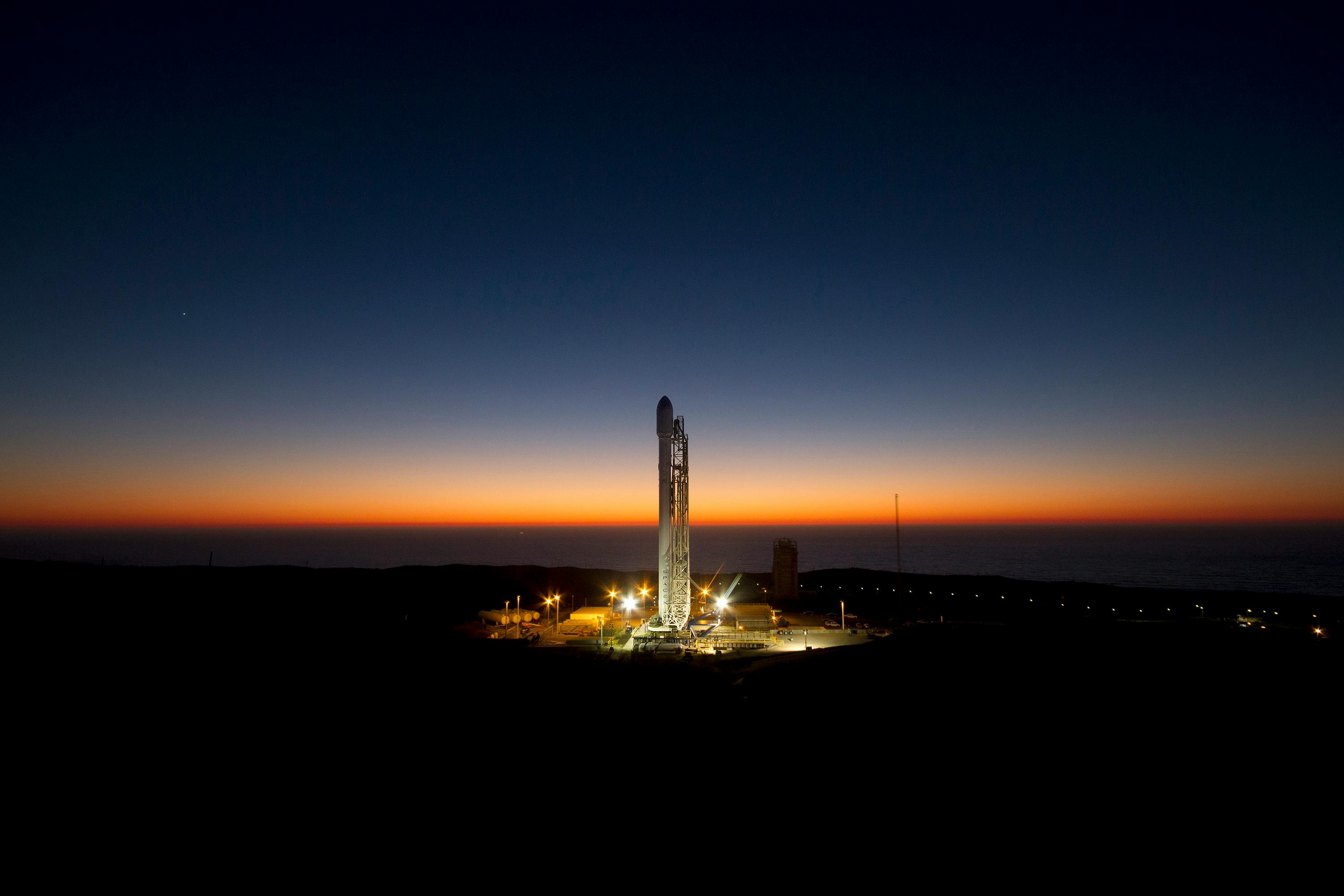
SpaceX's plans for the Transporter-15 mission are temporarily delayed as the Falcon 9 launch was scrubbed. The next launch attempt is now targeted for Friday, Nov. 28, with hopes of delivering 140 payloads into sun-synchronous orbit.
Today's brief covers potential roles for commercial satellites in missile defense, SpaceX's new launch site plans at Vandenberg, and partnerships for space nuclear propulsion. Discover updates on military space projects and international defense agreements.
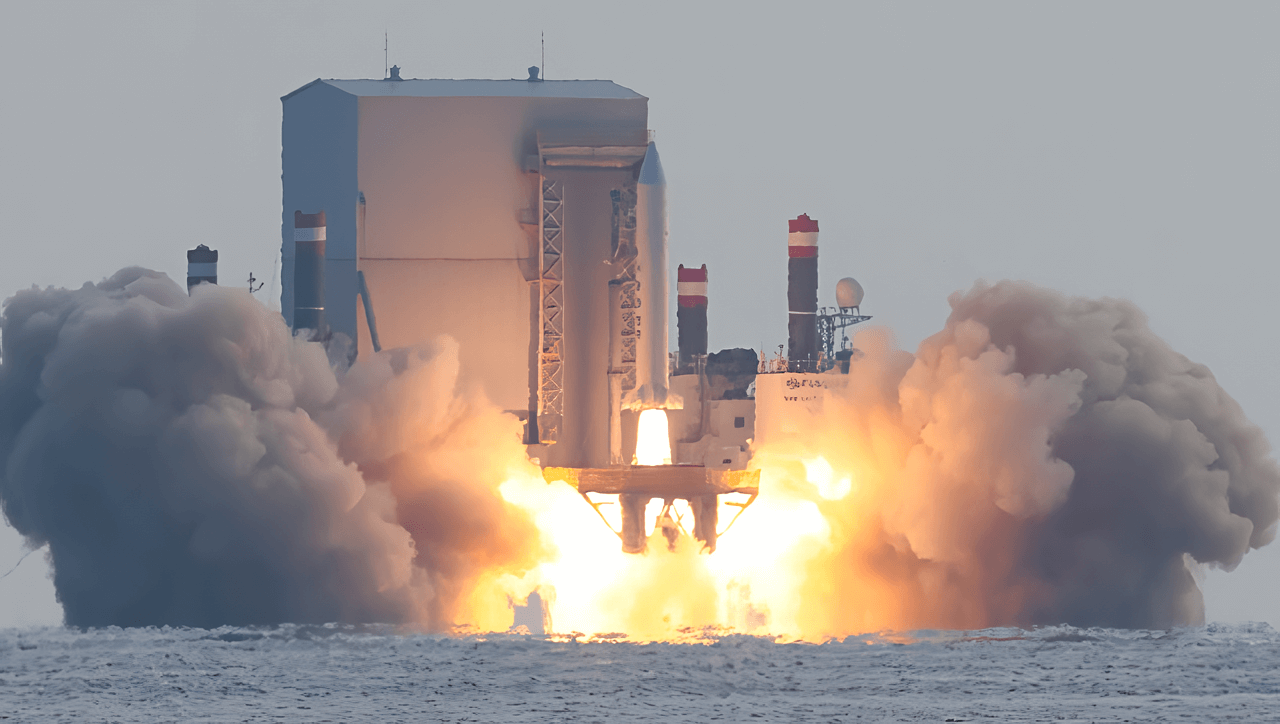
NASA officially ended the MAVEN Mars orbiter mission after months of radio silence following an anomaly. Space Force assessing Eastern Range damage from separate incident affecting launch cadence.
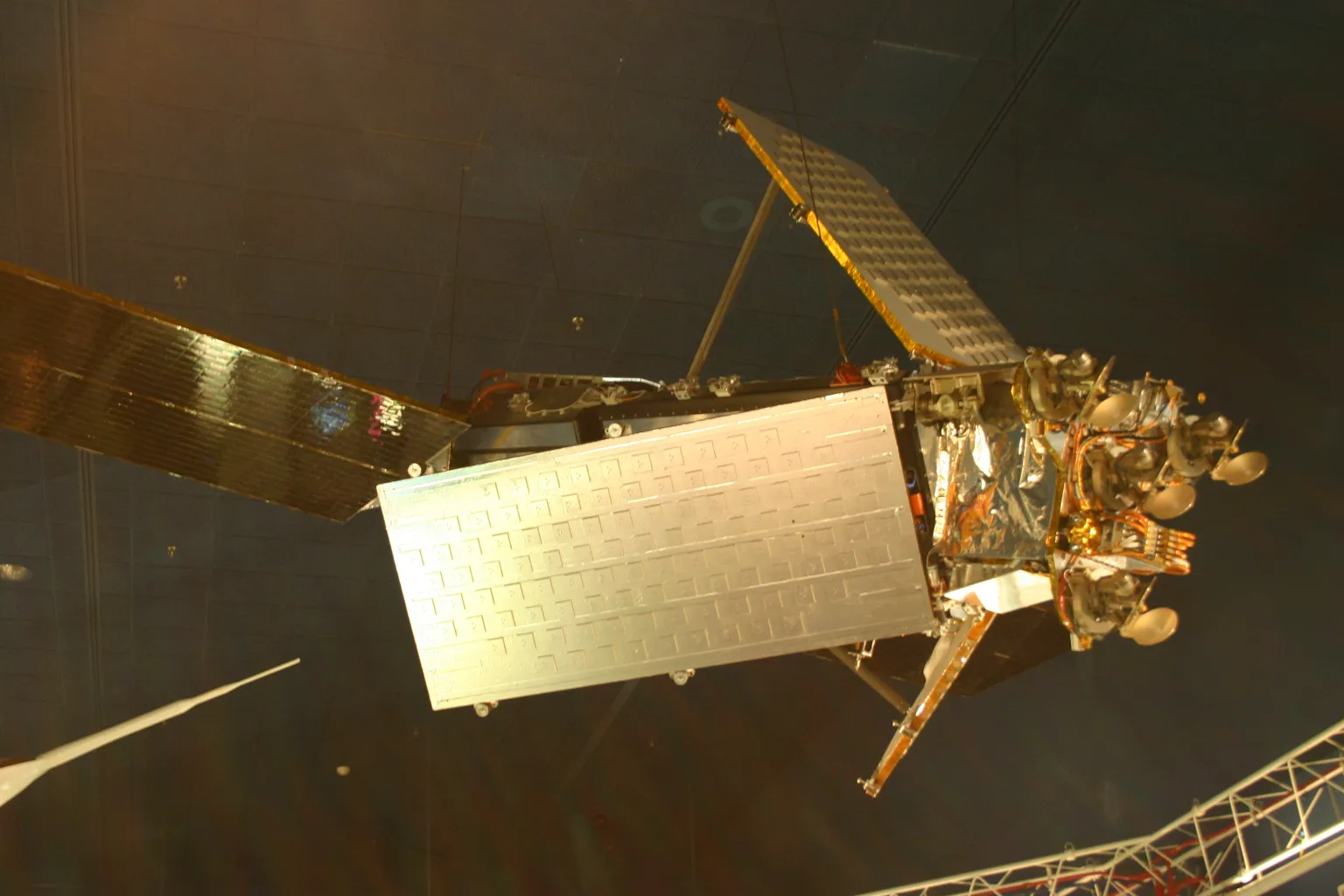
Seventeen years ago today, an operational American communications satellite and a dead Russian military relay crossed paths over Siberia. What happened next created more than 2,000 pieces of trackable debris - and fundamentally changed how the world thinks about space traffic.
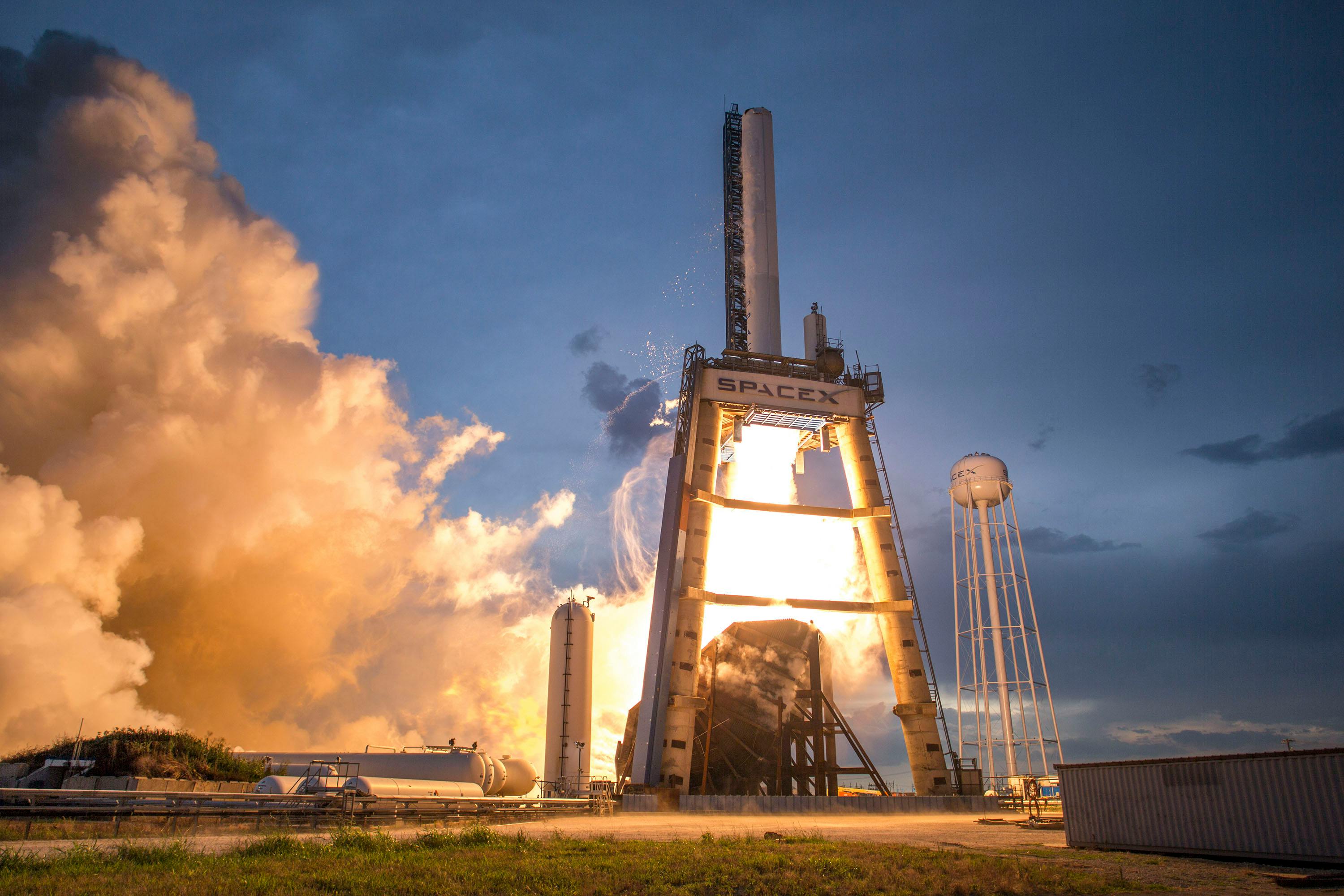
SpaceX completes multiple successful launches, enhancing its Starlink constellation with new satellites while resolving personnel issues related to Crew 12.
Severe weather conditions disrupt the launch of Amazon’s Project Kuiper satellites, highlighting ongoing challenges in satellite deployment amidst increasing competition in the space industry.