

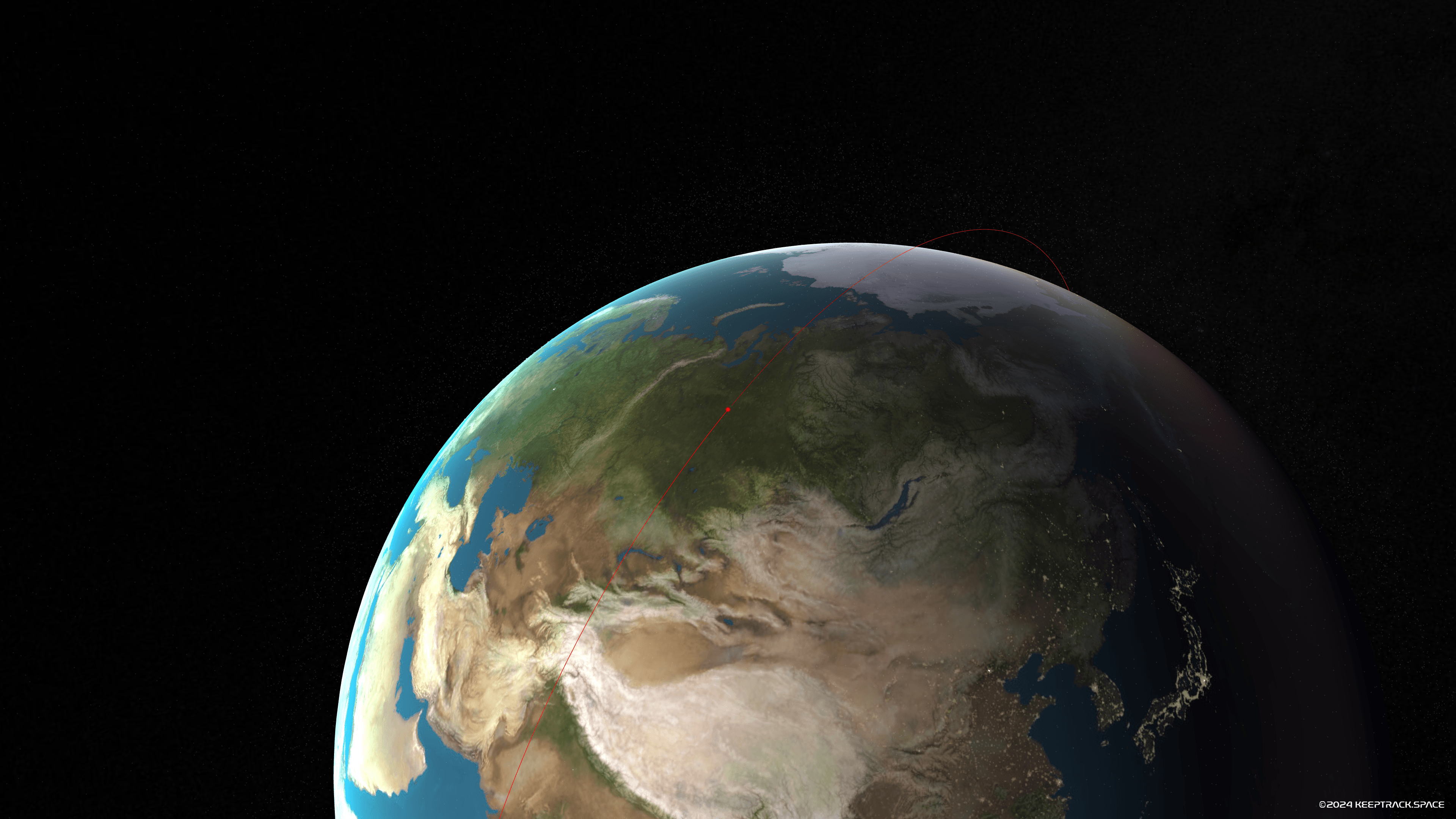
Space Brief 22 Aug 2024
ESA's Cluster mission coming to an end, Europe's contributions to Artemis III, JUICE's groundbreaking maneuvers, Yaogan EO satellites, and amateur astronomers discovering exoplanets.


Launch Date
January 29, 1998
Launch Site
Launch Pad
SLC36A
Launch Vehicle
Atlas IIA
NORAD ID
25148
International Designator
1998-005A
Decay Date
Unknown
Name
USA 137
Alternative Name
USA 137
Type
Status
Owner
NROC
Country
United States
Constellation
N/A
Related Satellites
Major Events
N/A
Length
6
Diameter
2
Span
26
Dry Mass
2000
Launch Mass
2500
Shape
Box + 2 Pan
Radar Cross Section
Unknown
Visual Magnitude
Unknown
Color
Unknown
Material Composition
Unknown
Payload
QUASAR 11
Purpose
Comsat / Relay
Mission
Comsat / Relay
Manufacturer
HSES
Life Expectancy
8 years ?
Bus
HS-389
Configuration
HS-386 ?
Motor
?
Equipment
?
Power System
Solar cells (body mounted and drop-skirt), batteries
ADCS
Unknown
Transmitter Frequency
Unknown
Learn more about satellites and other related topics.
ESA's Cluster mission coming to an end, Europe's contributions to Artemis III, JUICE's groundbreaking maneuvers, Yaogan EO satellites, and amateur astronomers discovering exoplanets.

SpaceX carried out a double-header Starlink launch from both coasts while milestones from Max Space and Lux Aeterna signal growth in the commercial space sector.
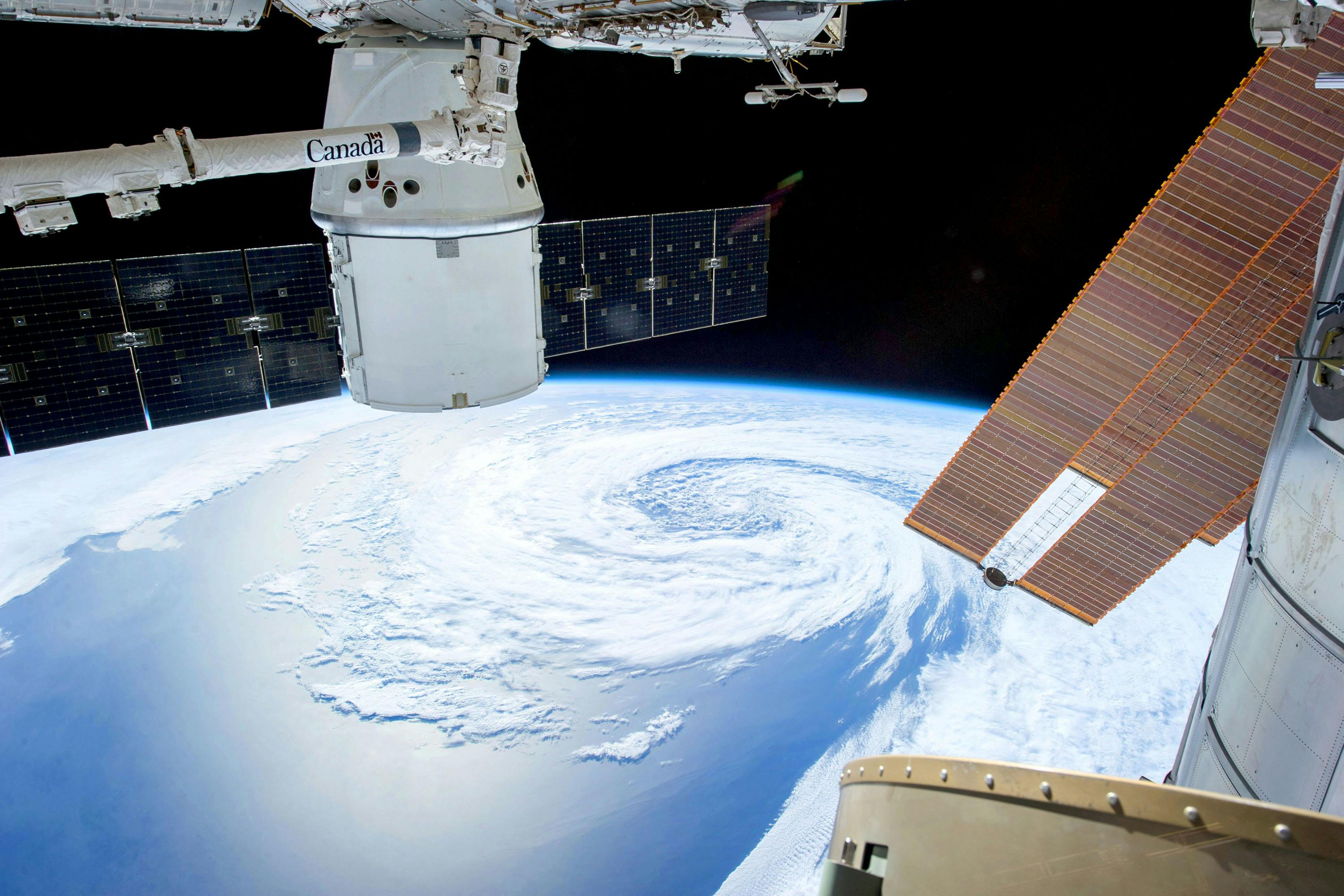
SpaceX successfully rotates Crew-9 and Crew-10 on the ISS and launches new Starlink satellites with direct-to-cell capability.

SpaceX secured a $60B option to acquire Cursor AI while launching its 40th Falcon 9 mission of 2026, deploying 24 more Starlink satellites from Vandenberg.

Today's brief covers Blue Origin's national security mission, a new missile interceptor project by Space Force, developments with Starship boosters, and more.
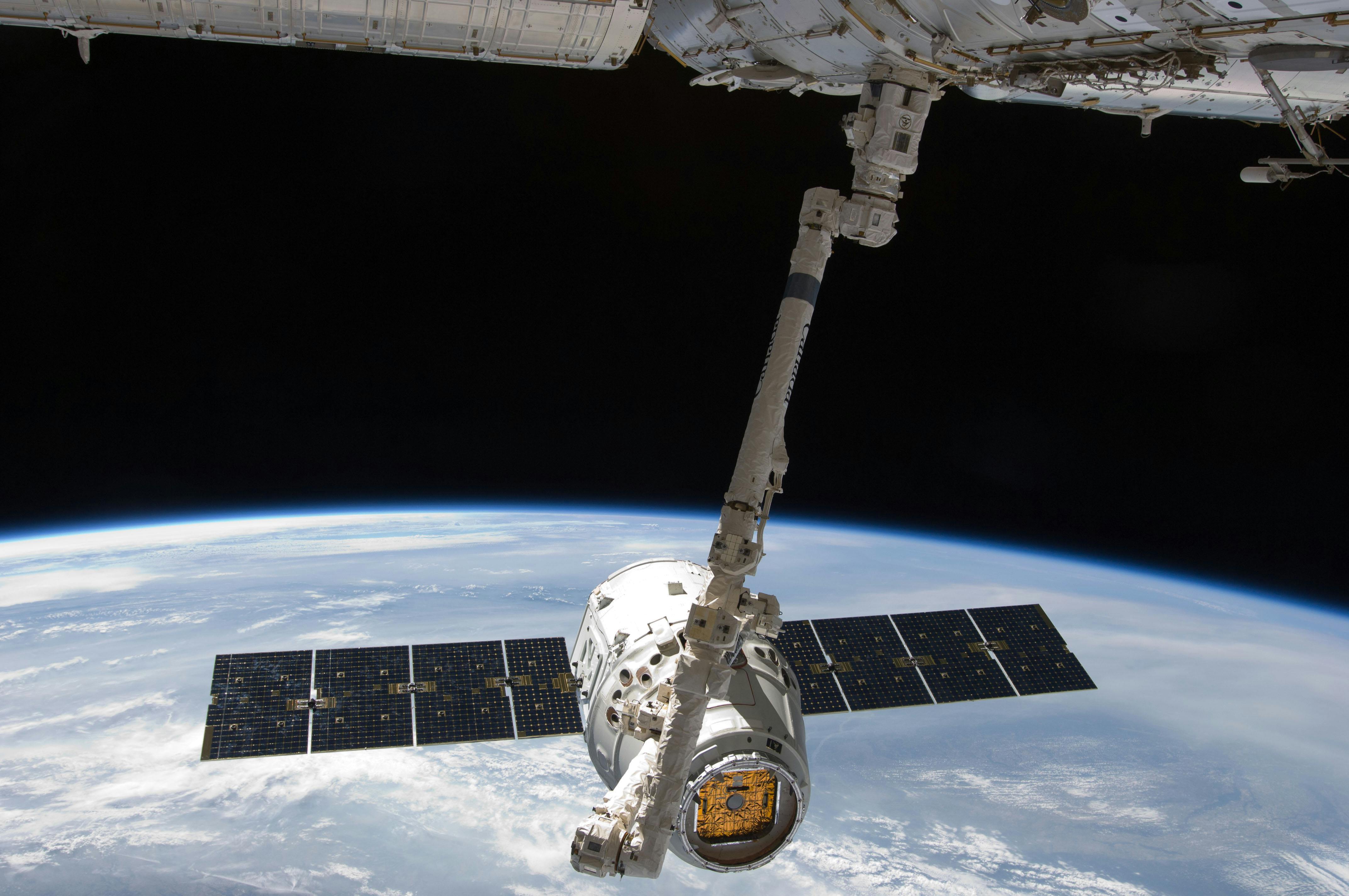
SpaceX shares jumped nearly 20% in its historic public debut, valuing the company partly on Starlink's AI infrastructure potential with 10,636 satellites working.

SpaceX hits 77 Falcon 9 launches in 2026 as EchoStar subsidiaries file Chapter 11 and Musk disputes WSJ AI phone claims.
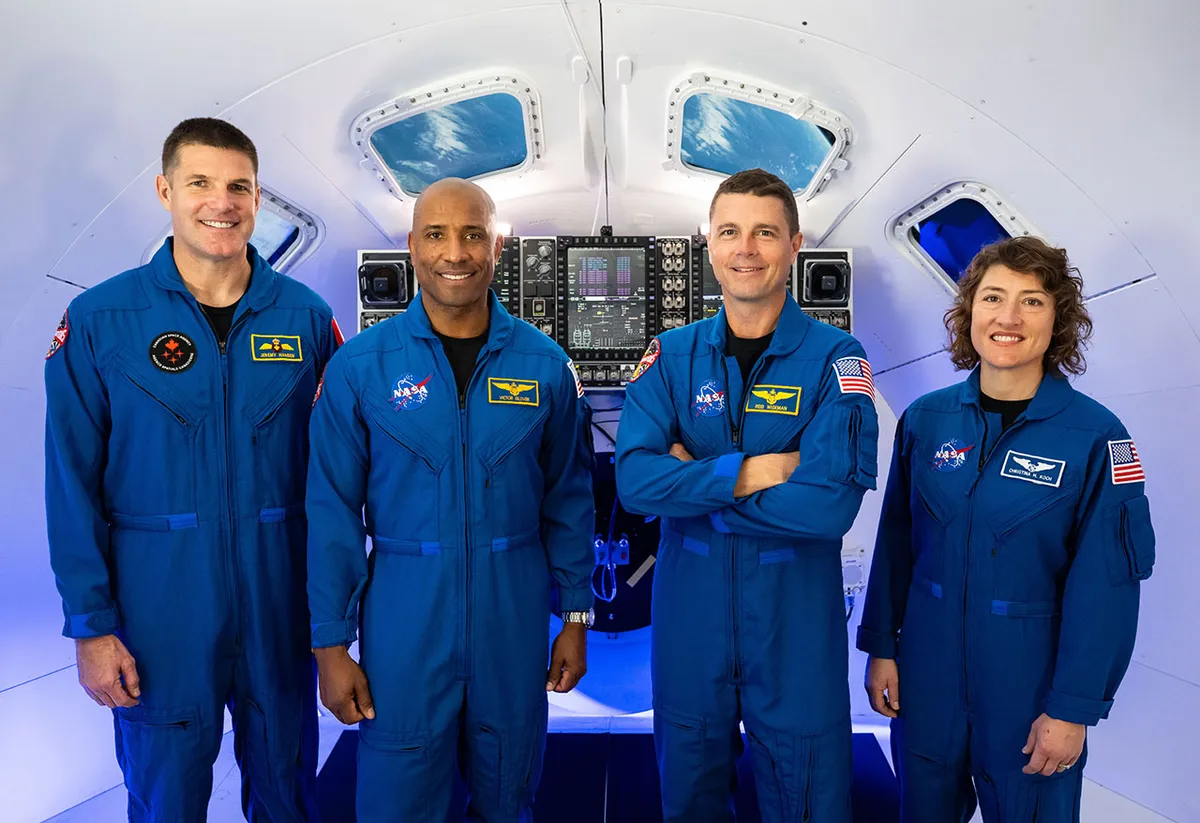
Four astronauts, a patched-together heat shield, and a $50 billion question: whether NASA can still send humans beyond low Earth orbit. Tomorrow, we find out.