


Space Brief 1 Dec 2025
Today's brief covers China's latest classified satellite launch, breakups in orbital refueling experiments, exciting advancements in microsatellites, and SpaceX's remarkable strides in spaceflight.


Launch Date
January 7, 1998
Launch Site
Launch Pad
SLC46
Launch Vehicle
Athena-2
NORAD ID
25132
International Designator
1998-001B
Decay Date
1/7/1998
Name
ATHENA 2 R/B(OAM)
Alternative Name
Athena-2 LM-004 OAM
Type
Status
Owner
LMA
Country
United States
Constellation
N/A
Related Satellites
Major Events
N/A
Length
1.8
Diameter
2.3
Span
2.3
Dry Mass
300
Launch Mass
650
Shape
Cyl
Radar Cross Section
Unknown
Visual Magnitude
Unknown
Color
Unknown
Material Composition
Unknown
Payload
OAM
Purpose
Unknown
Mission
Unknown
Manufacturer
LMA/PRIMX
Life Expectancy
Unknown
Bus
OAM
Configuration
Unknown
Motor
Unknown
Equipment
Unknown
Power System
Unknown
ADCS
Unknown
Transmitter Frequency
Unknown
Learn more about satellites and other related topics.
Today's brief covers China's latest classified satellite launch, breakups in orbital refueling experiments, exciting advancements in microsatellites, and SpaceX's remarkable strides in spaceflight.
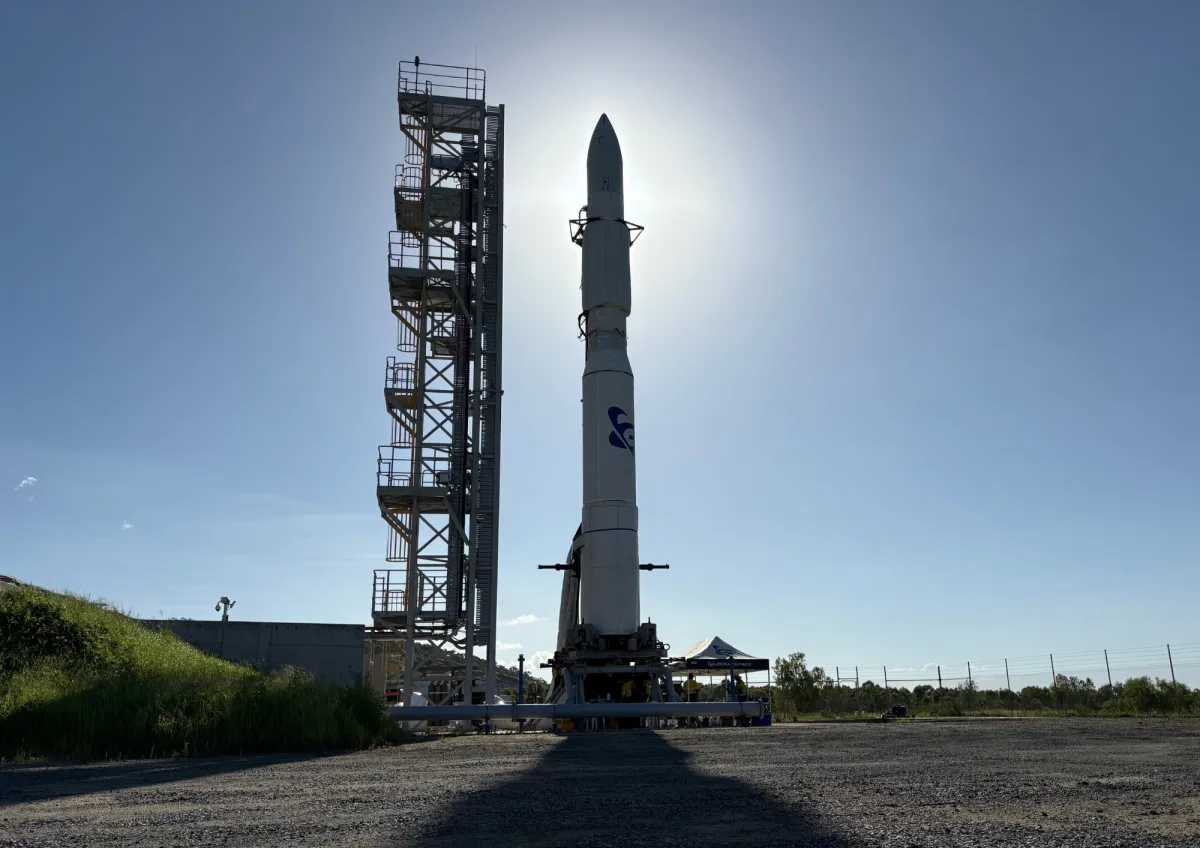
Today's brief covers the historic lunar touchdown by Firefly Aerospace's Blue Ghost lander, highlights in military space activity, and a reflection on Pearl Young's pioneering legacy at NASA.
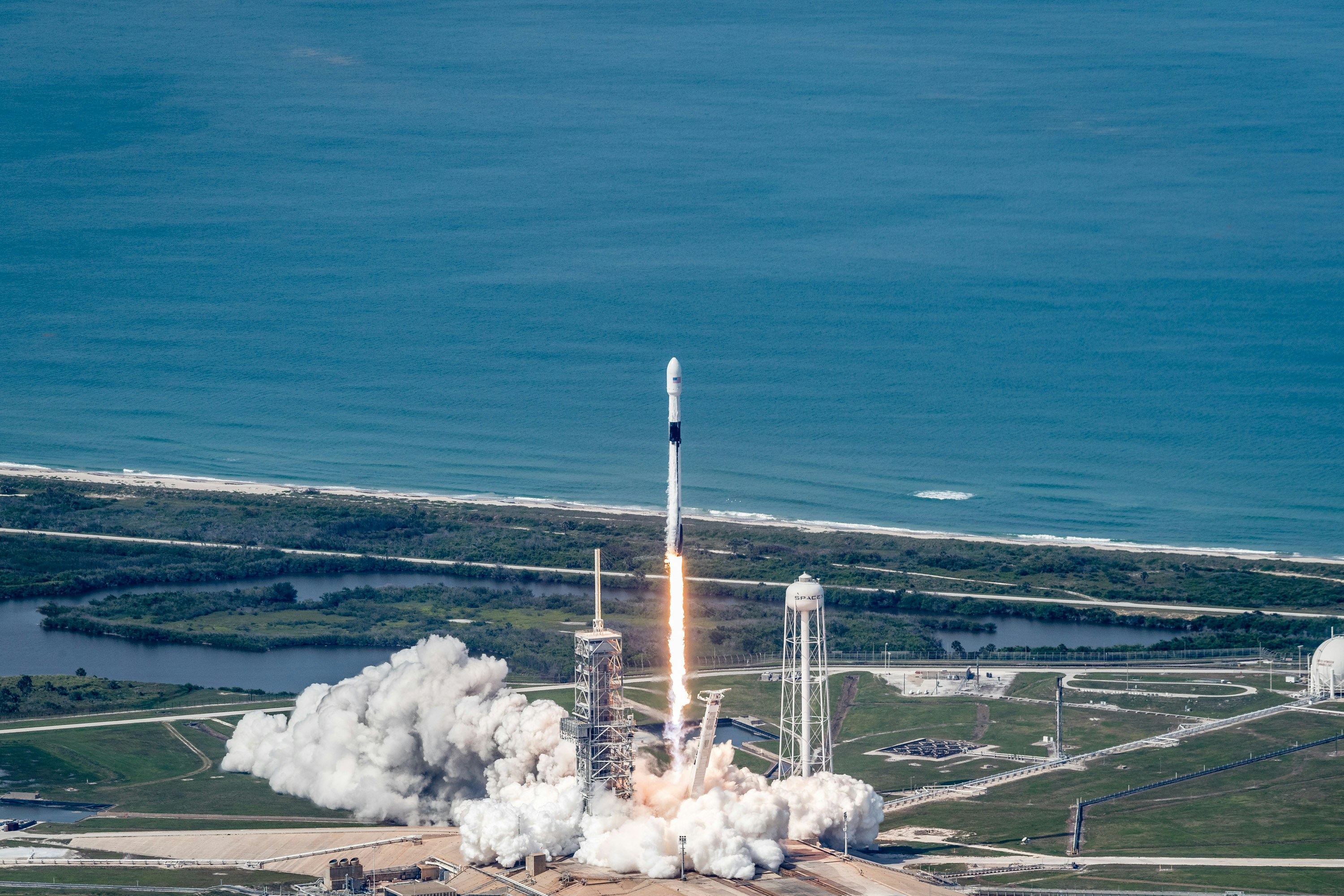
SpaceX reportedly eyes a confidential March IPO filing that could value the company at $1.75 trillion. Dual Falcon 9 launches deploy 54 Starlink satellites, pushing total on-orbit past 9,900.
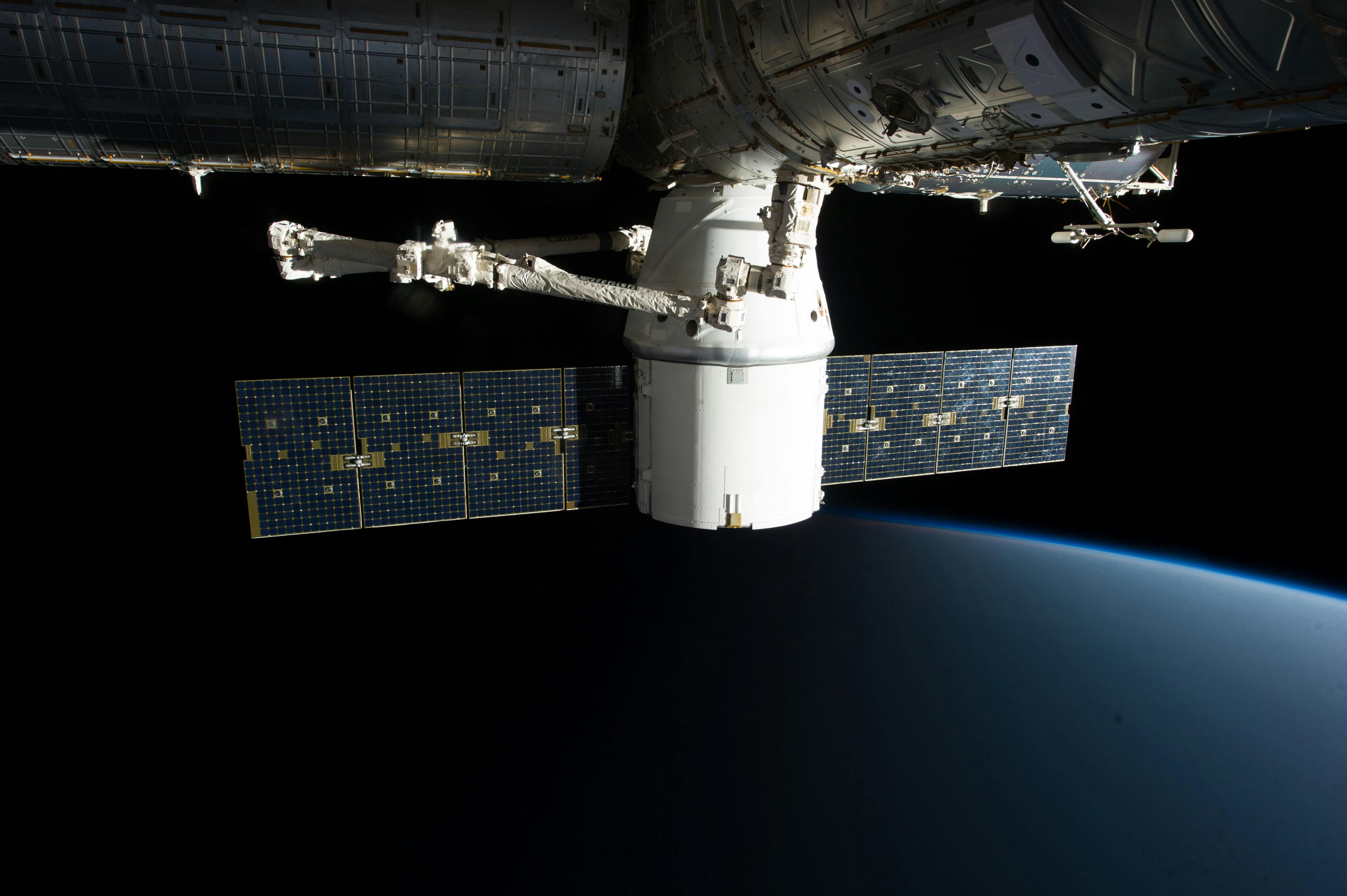
SpaceX gears up for another busy week with a Falcon 9 launch to the ISS while Vast Space expands its Haven-1 payload roster.
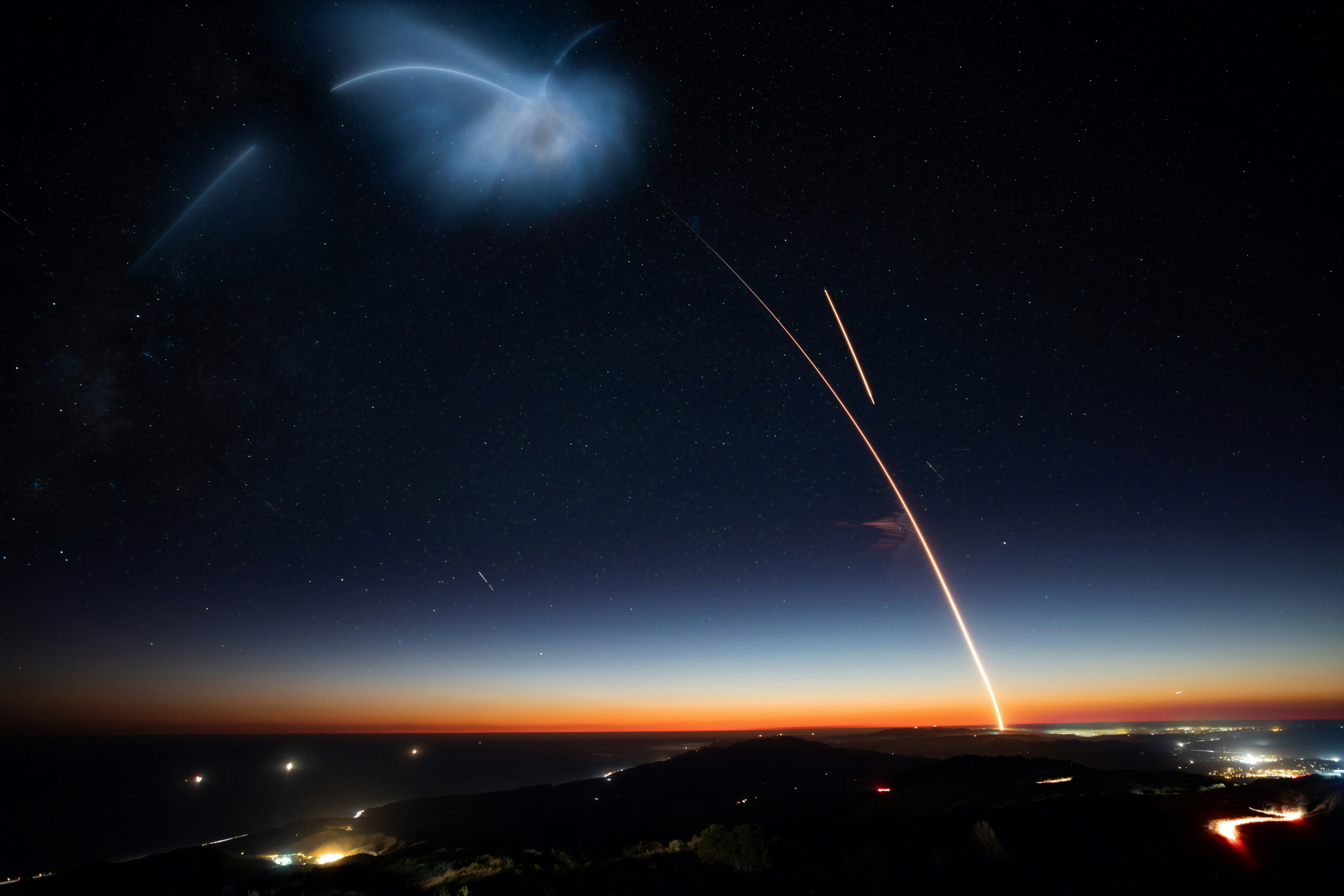
In a landmark achievement, SpaceX celebrated its 500th Falcon 9 launch by deploying 27 Starlink satellites while simultaneously advancing its reuse strategy with record-breaking milestones.

SpaceX's Starship V3 targets Flight 12 with an unprecedented self-inspection maneuver, while Delta Air Lines walks away from Starlink inflight Wi-Fi.

What happens when space objects come home: the fiery physics of returning from orbit and why predicting where debris lands is so difficult
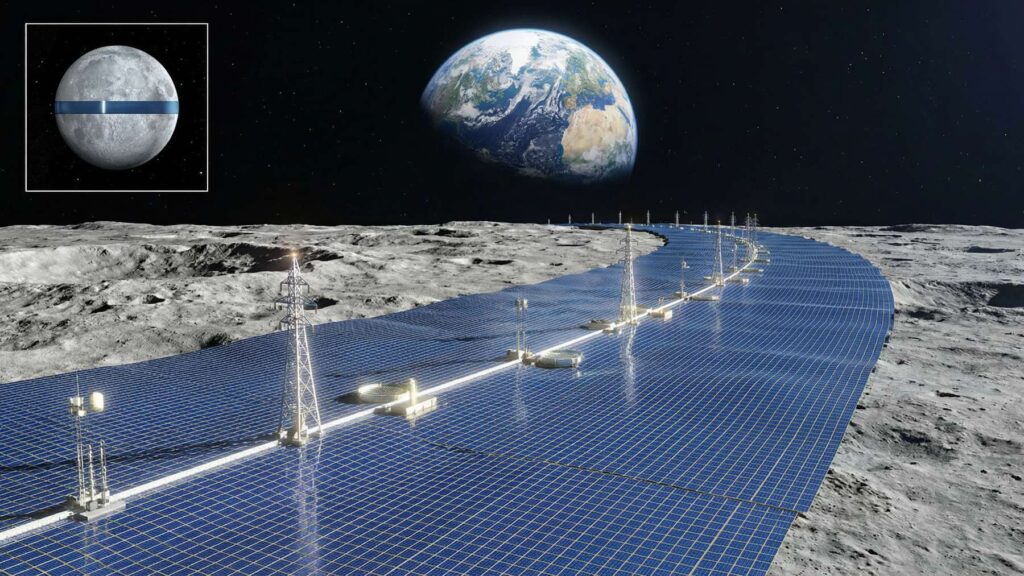
A 220-year-old Japanese construction company wants to build an 11,000-kilometer belt of solar cells around the lunar equator and beam the power back to Earth. The physics checks out. Everything else is another story.