

Falcon 9 Lofts 5-Ton Cygnus XL to ISS | KeepTrack X Report
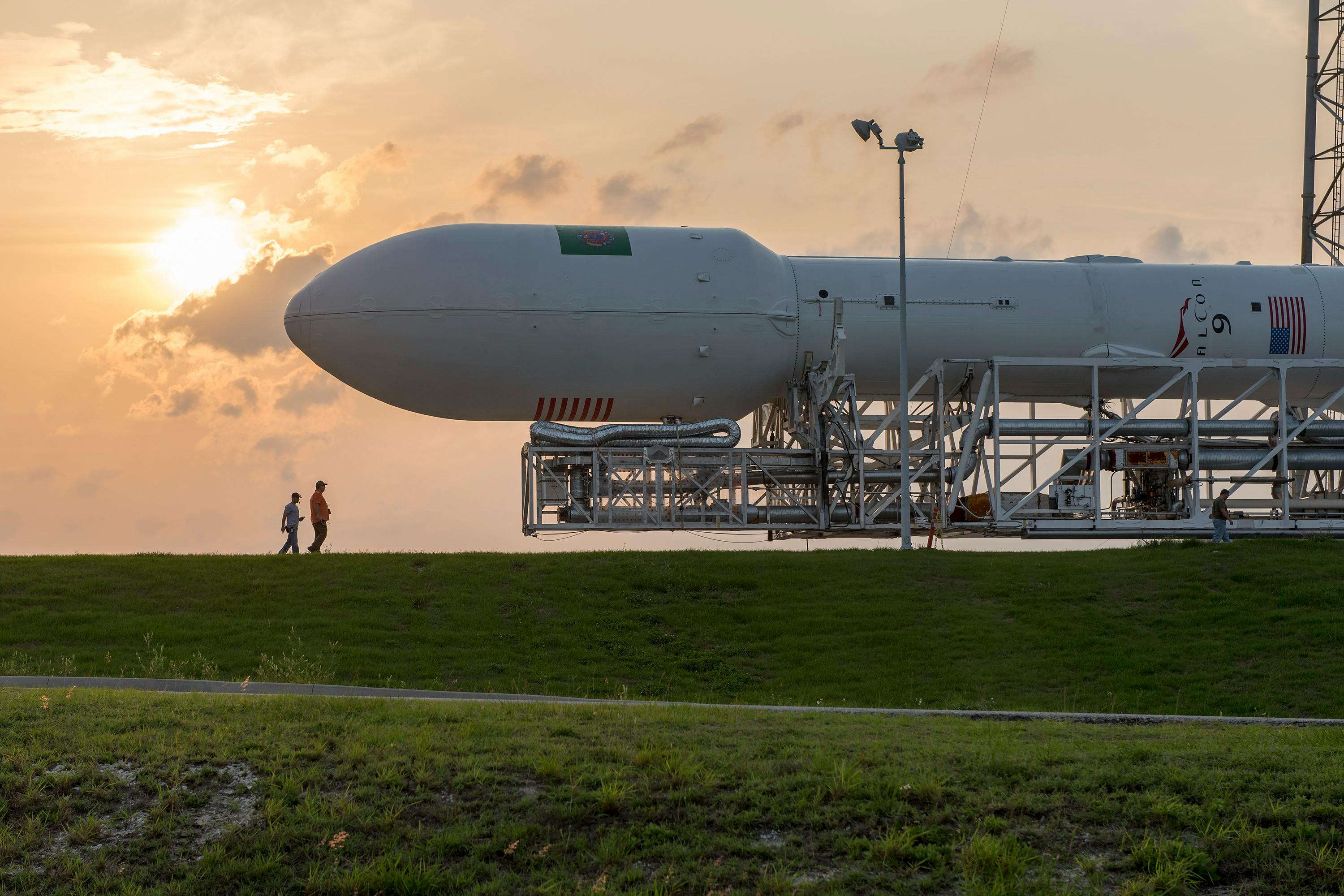
SpaceX's Falcon 9 delivered Northrop Grumman's second Cygnus XL — carrying over 5 tons of cargo — to the ISS on April 11, 2026.


Launch Date
December 23, 1997
Launch Site
ERAS
Launch Pad
RW04/22
Launch Vehicle
Pegasus XL/HAPS
NORAD ID
25121
International Designator
1997-084K
Decay Date
9/1/2001
Name
HAPS
Alternative Name
Pegasus F19 Stage 4
Type
Status
Owner
OSCC
Country
United States
Constellation
N/A
Related Satellites
Major Events
N/A
Length
0.8
Diameter
1
Span
1
Dry Mass
97
Launch Mass
97
Shape
Sphere + Cone
Radar Cross Section
1.2153
Visual Magnitude
Unknown
Color
Unknown
Material Composition
Unknown
Payload
HAPS 3
Purpose
Unknown
Mission
Unknown
Manufacturer
OSCC
Life Expectancy
Unknown
Bus
HAPS
Configuration
Unknown
Motor
Unknown
Equipment
Unknown
Power System
Unknown
ADCS
Unknown
Transmitter Frequency
Unknown
Learn more about satellites and other related topics.
SpaceX's Falcon 9 delivered Northrop Grumman's second Cygnus XL — carrying over 5 tons of cargo — to the ISS on April 11, 2026.
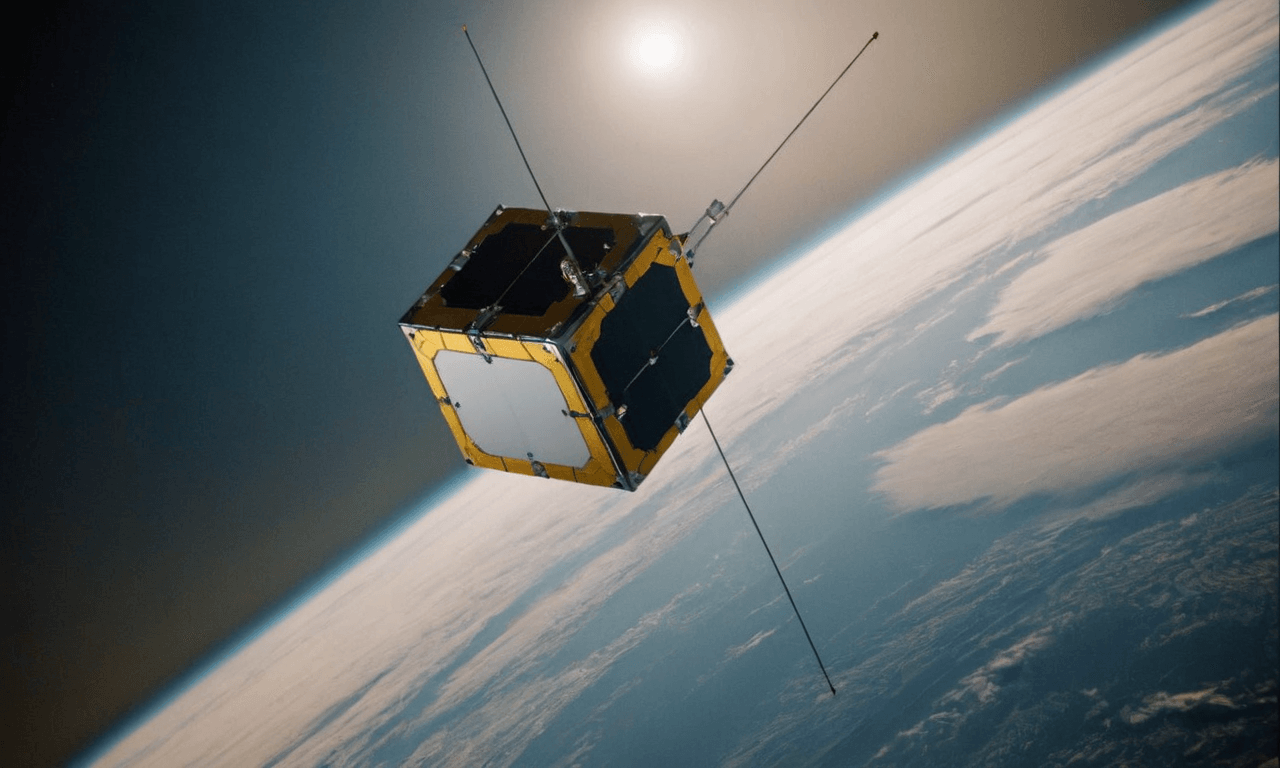
Today's brief covers China's Yaogan-43 satellite launch, delays in ESA's BepiColombo mission, regulatory approval for OHB's KKR deal, and an upcoming Sentinel-2C launch.

Space Force projects ~1,000 launches between FY2027–FY2031, averaging 200 annually. DAF study concludes new launch site is "probably" required to absorb cadence.
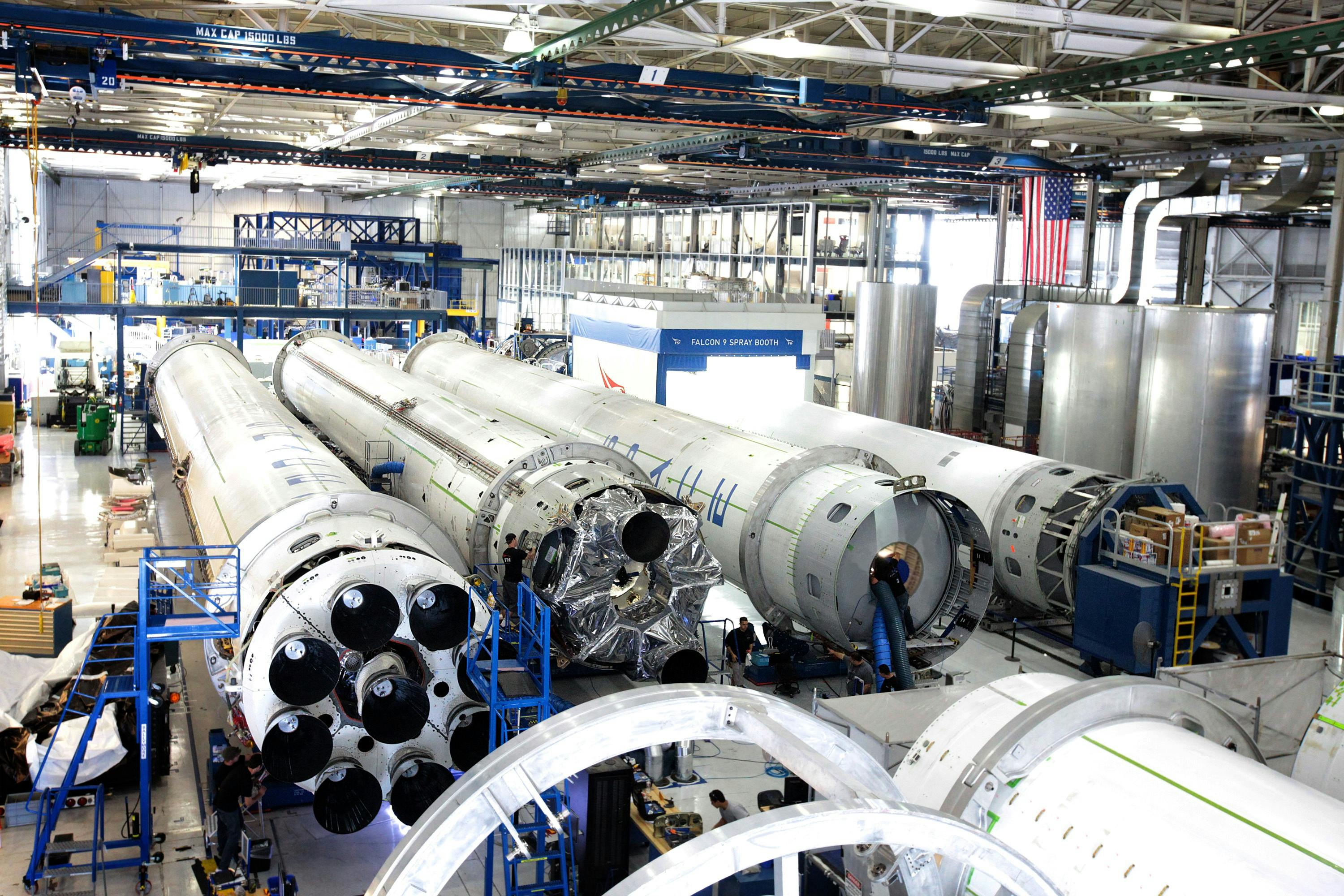
SpaceX gears up for the Transporter 14 rideshare mission, while recent Starship setbacks have not deterred plans for Falcon 9 launches.
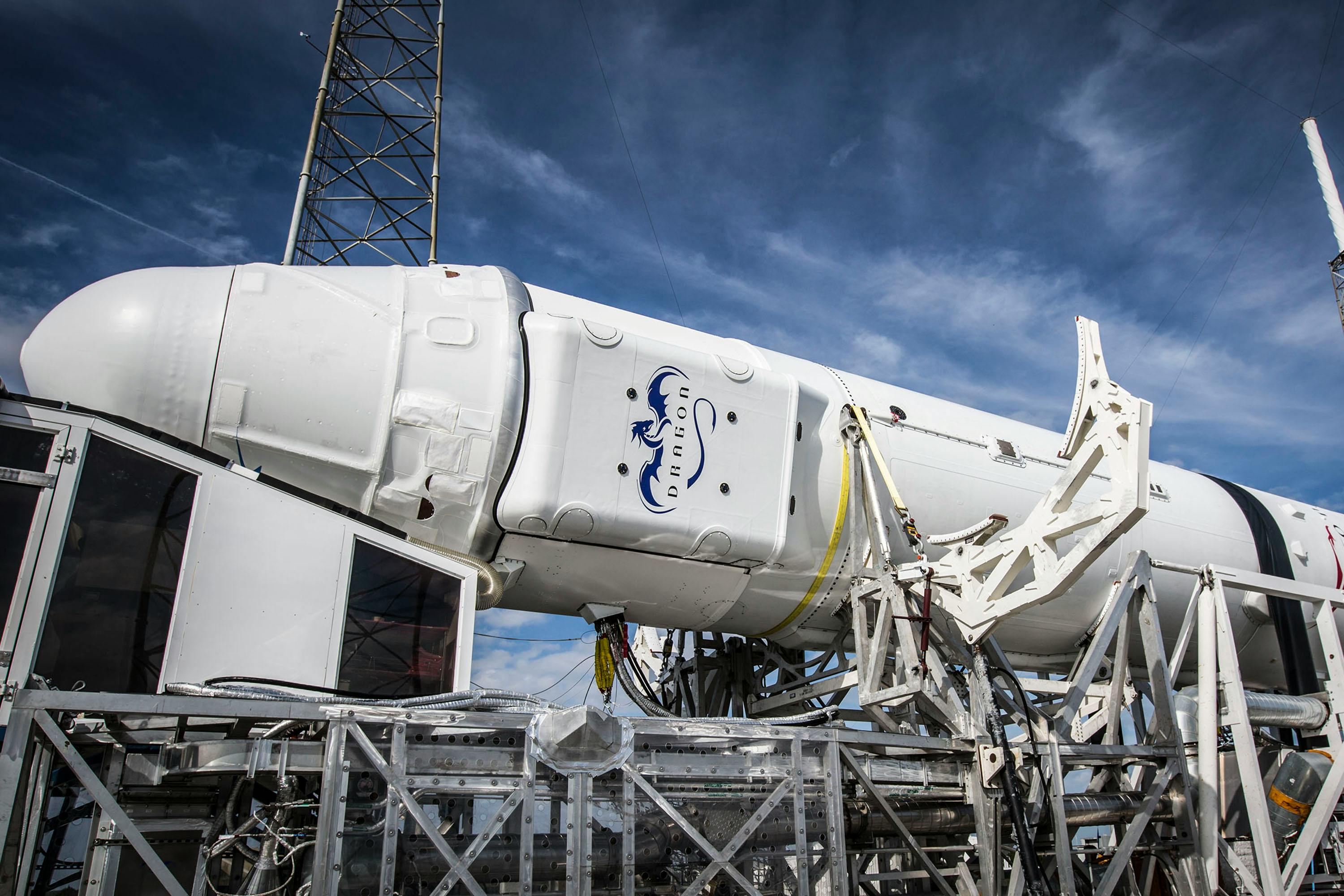
Today's brief highlights the need for better space debris management, multiple SpaceX Starlink launches, and NASA's upcoming lunar cargo delivery plans.

Today's Space Brief brings updates on the U.S. Space Force's upcoming missions, in-space technology strategies, the challenges faced by new launchers, and advancements in satellite communication.
AI tools outperform human planners in Air Force battle management experiment. DARPA pursues quantum computing interoperability. Canada's Atlantic Spaceport Complex gets environmental approval.

Forty-one years ago, astronaut Bruce McCandless II became the first human to float completely free in space, pushing the boundaries of both technology and human courage