


X Report 30 Nov 2025
SpaceX successfully launched the Transporter-15 mission, deploying 140 payloads, while Elon Musk addressed media narratives related to Starlink's humanitarian efforts following recent disasters.


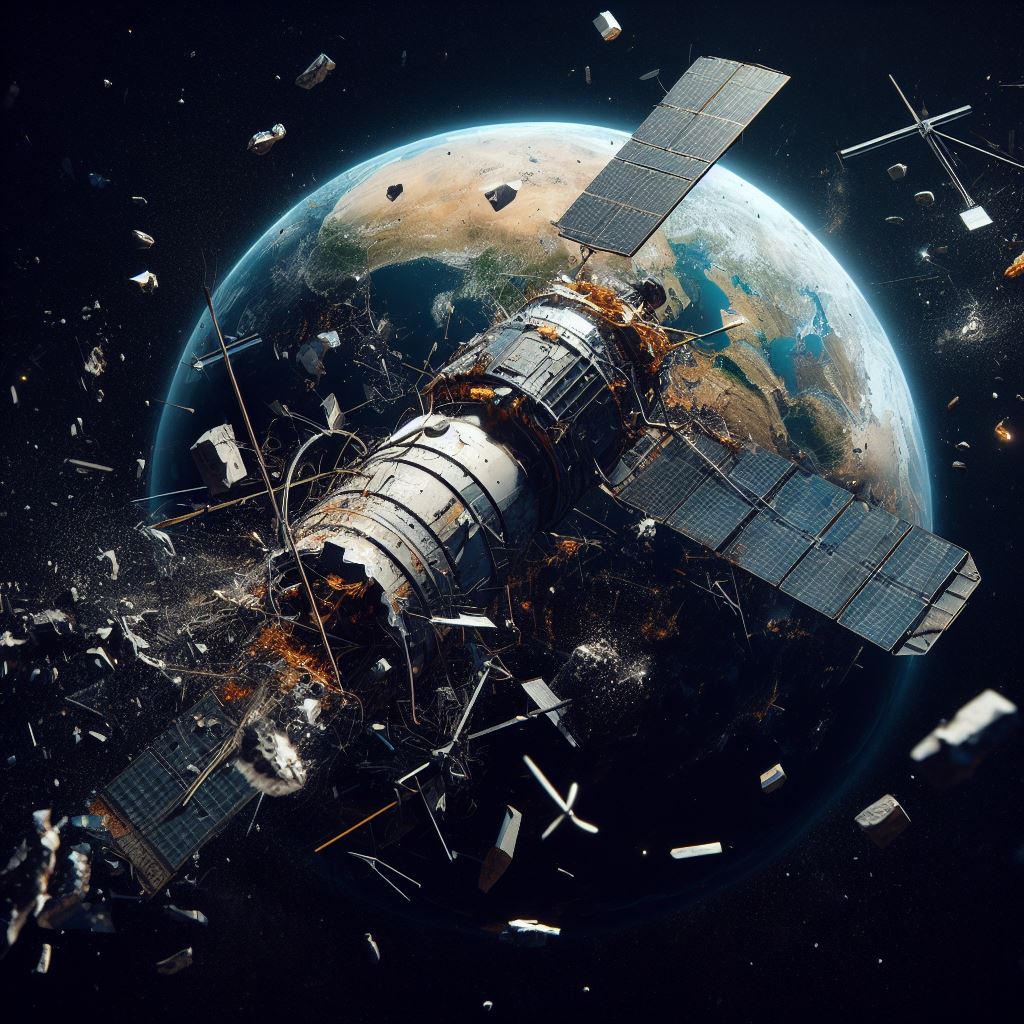
Launch Date
December 24, 1979
Launch Site
FRGUI
Launch Pad
ELA1
Launch Vehicle
Ariane 1
NORAD ID
25098
International Designator
1979-104D
Epoch
Fri, 03 Jul 2026 08:33:03 GMT
Apogee
Calculating...
Perigee
Calculating...
Inclination
17.57°
Right Ascension
291.90°
Eccentricity
Calculating...
Argument of Perigee
9.78°
Period
300.44 min
Mean Motion
4.79 rev/day
Latitude
Calculating...
Longitude
Calculating...
Altitude
Calculating...
Velocity
Calculating...
Name
ARIANE 1 DEB
Alternative Name
deb Ariane L01
Type
Status
Owner
ESA
Country
France
Constellation
N/A
Related Satellites
Major Events
N/A
1 25098U 79104D 26184.35629177 .00000622 00000-0 15792-2 0 9992
2 25098 17.5726 291.8981 5349873 9.7789 357.4641 4.79296113444443
Source: Celestrak
Length
0
Diameter
0
Span
0
Dry Mass
0
Launch Mass
0
Shape
N/A
Radar Cross Section
0.2293
Visual Magnitude
Unknown
Color
Unknown
Material Composition
Unknown
Payload
Unknown
Purpose
Unknown
Mission
Unknown
Manufacturer
I-ESA
Life Expectancy
Unknown
Bus
Unknown
Configuration
Unknown
Motor
Unknown
Equipment
Unknown
Power System
Unknown
ADCS
Unknown
Transmitter Frequency
Unknown
Learn more about satellites and other related topics.
SpaceX successfully launched the Transporter-15 mission, deploying 140 payloads, while Elon Musk addressed media narratives related to Starlink's humanitarian efforts following recent disasters.

SpaceX made significant strides with the launch of 28 Starlink satellites while navigating regulatory challenges regarding rural broadband funding. Additionally, developments on the Crew Dragon mission continue to evolve with a change in cosmonaut assignment.
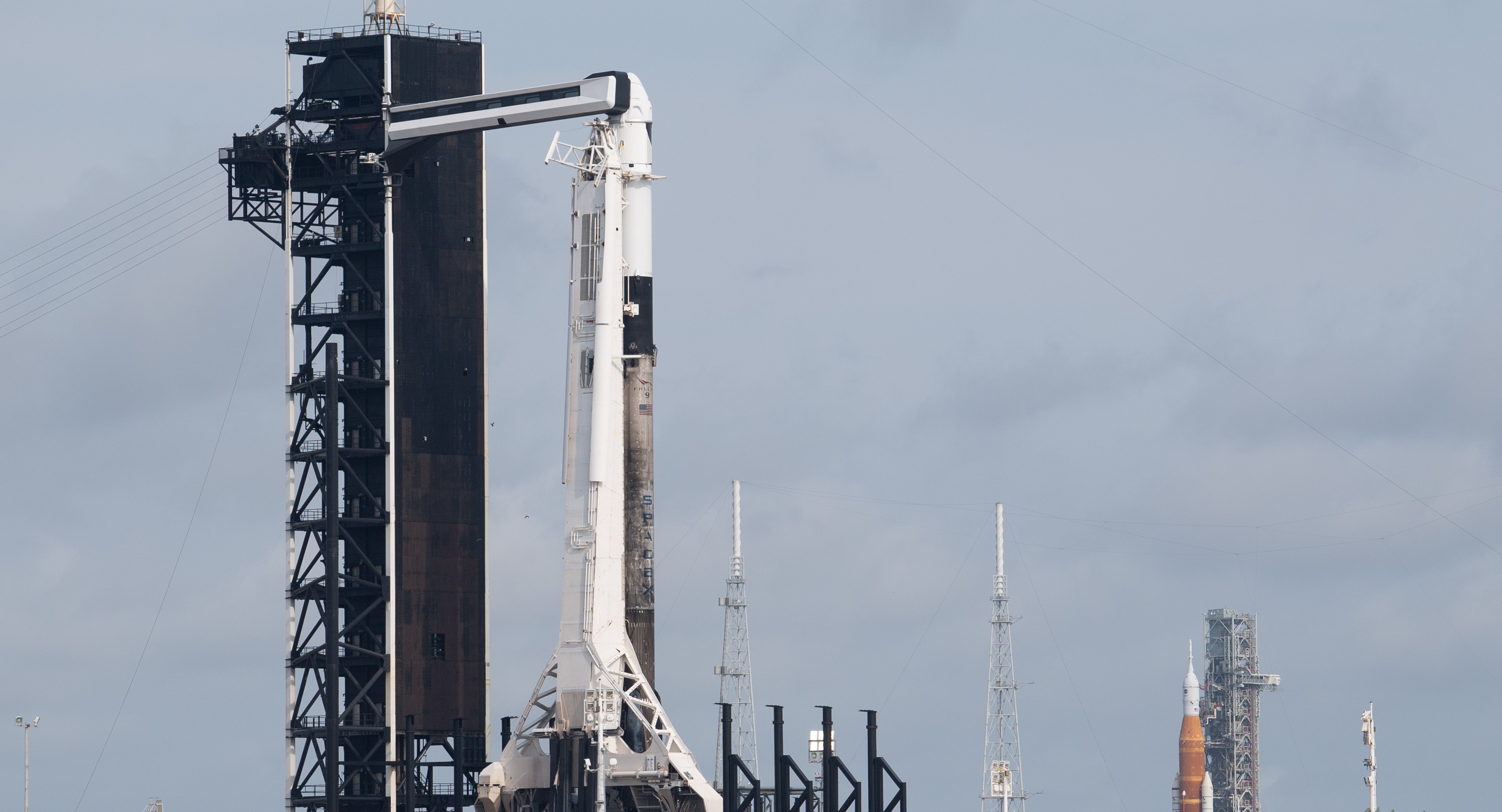
Discover lesser-known aspects of SpaceX's history, achievements, and innovations that have shaped the commercial space industry over the past two decades.
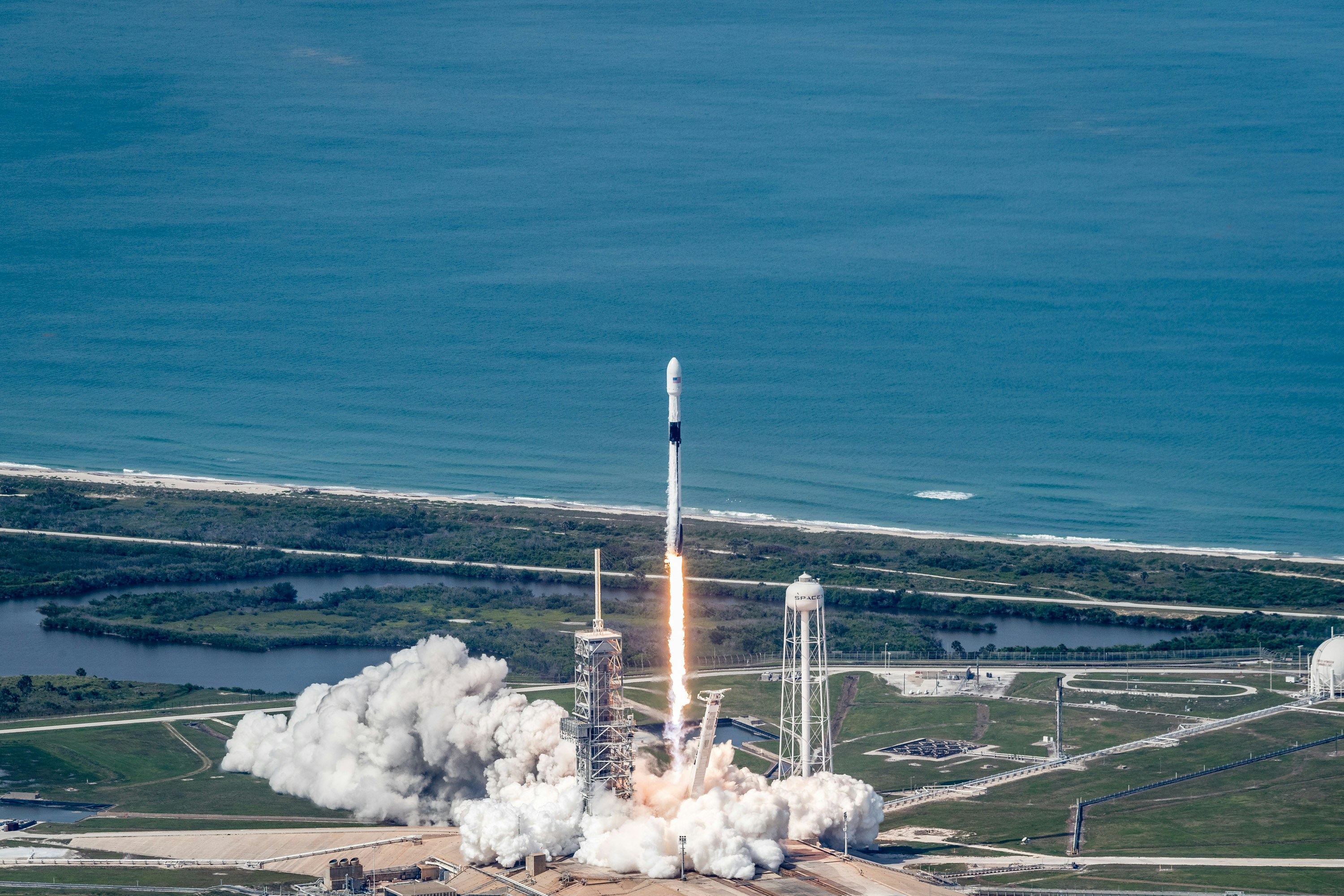
SpaceX's Falcon 9 rideshare lifted 45 satellites including South Korea's CAS500-2 Earth observer from Vandenberg at 0700 UTC May 3.

Today's brief highlights a landmark cooperation between NASA and China to prevent satellite collision, strategic steps in American space leadership through nuclear energy, a U.S. military missile test, and more.

Space Force projects ~1,000 launches between FY2027–FY2031, averaging 200 annually. DAF study concludes new launch site is "probably" required to absorb cadence.
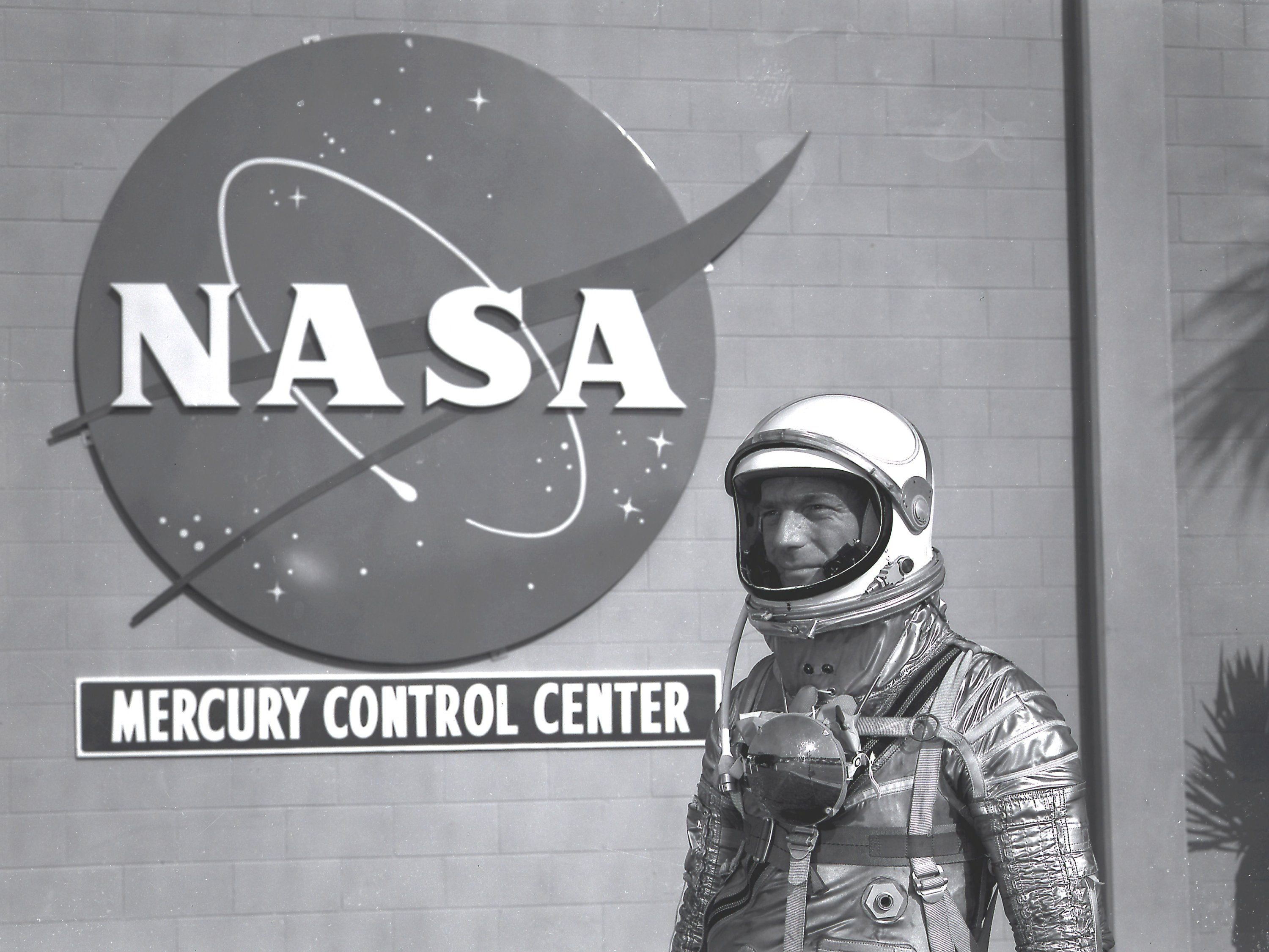
Exactly 64 years ago today, Scott Carpenter became the fourth American to orbit the Earth aboard Aurora 7. His five-hour flight produced new science, a tense reentry, and 39 minutes of silence in which the country wondered if it had just lost its astronaut.

Today's briefing highlights the SDA's significant satellite award, Blue Origin's groundbreaking flight, and NASA's call for an Artemis review.