

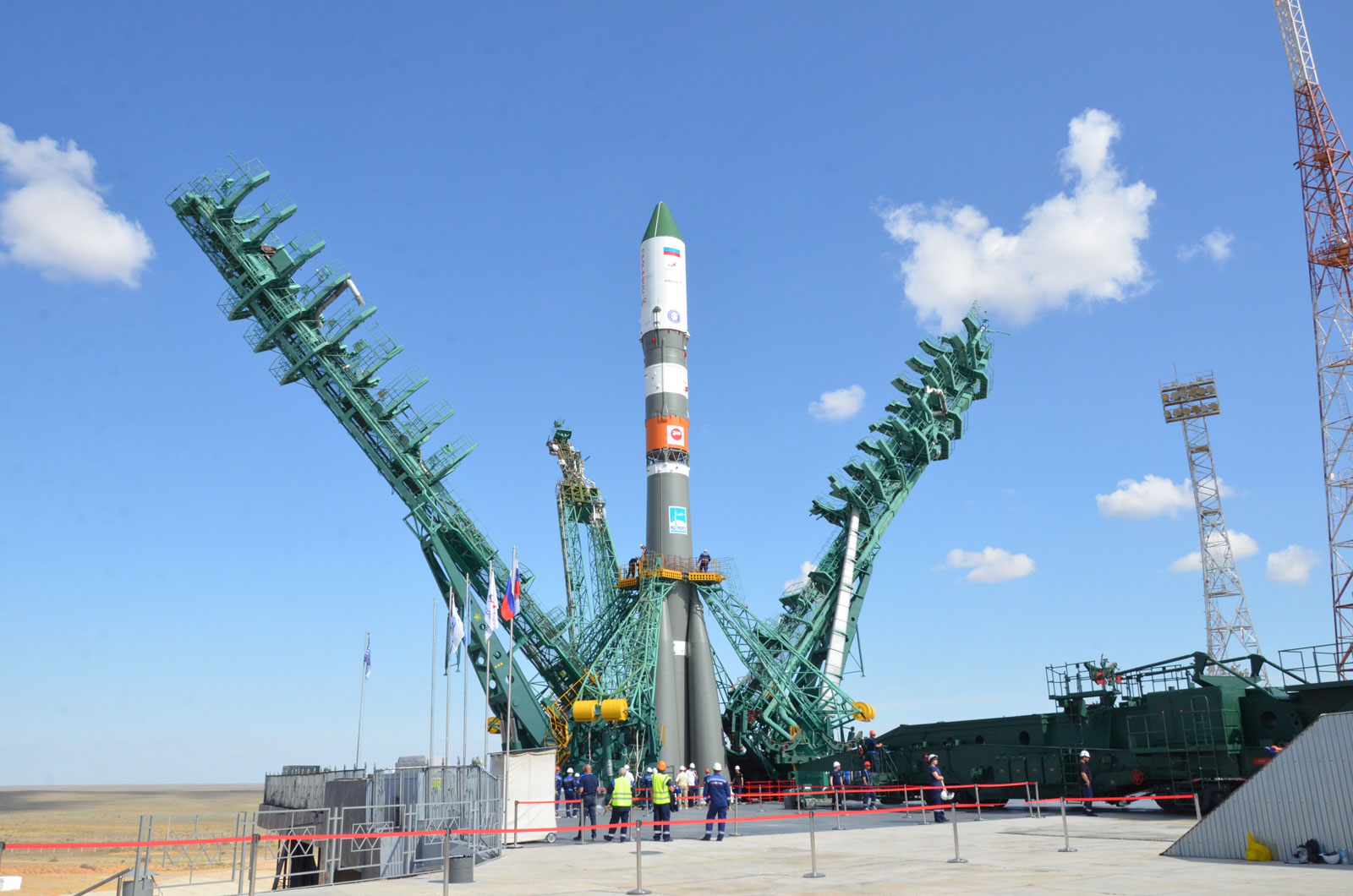
Space Brief 6 Aug 2025
Highlights of today's Space Brief include advancements in missile defense systems, a historic lunar project by NASA, and strategic military investments in satellite technology.


Launch Date
December 2, 1997
Launch Site
FRGUI
Launch Pad
ELA2
Launch Vehicle
Ariane 44P
NORAD ID
25069
International Designator
1997-075C
Decay Date
11/7/2000
Name
ARIANE 44P R/B
Alternative Name
Ariane H10-3 V103
Type
Status
Owner
AE
Country
France
Constellation
N/A
Related Satellites
Major Events
N/A
Length
12.1
Diameter
2.6
Span
12.1
Dry Mass
1773
Launch Mass
2151
Shape
Cyl
Radar Cross Section
26.9712
Visual Magnitude
Unknown
Color
Unknown
Material Composition
Unknown
Payload
Ariane H10-3 S/N T473
Purpose
Unknown
Mission
Unknown
Manufacturer
AELM
Life Expectancy
Unknown
Bus
Ariane H10-3
Configuration
Unknown
Motor
Unknown
Equipment
Unknown
Power System
Unknown
ADCS
Unknown
Transmitter Frequency
Unknown
Learn more about satellites and other related topics.
Highlights of today's Space Brief include advancements in missile defense systems, a historic lunar project by NASA, and strategic military investments in satellite technology.
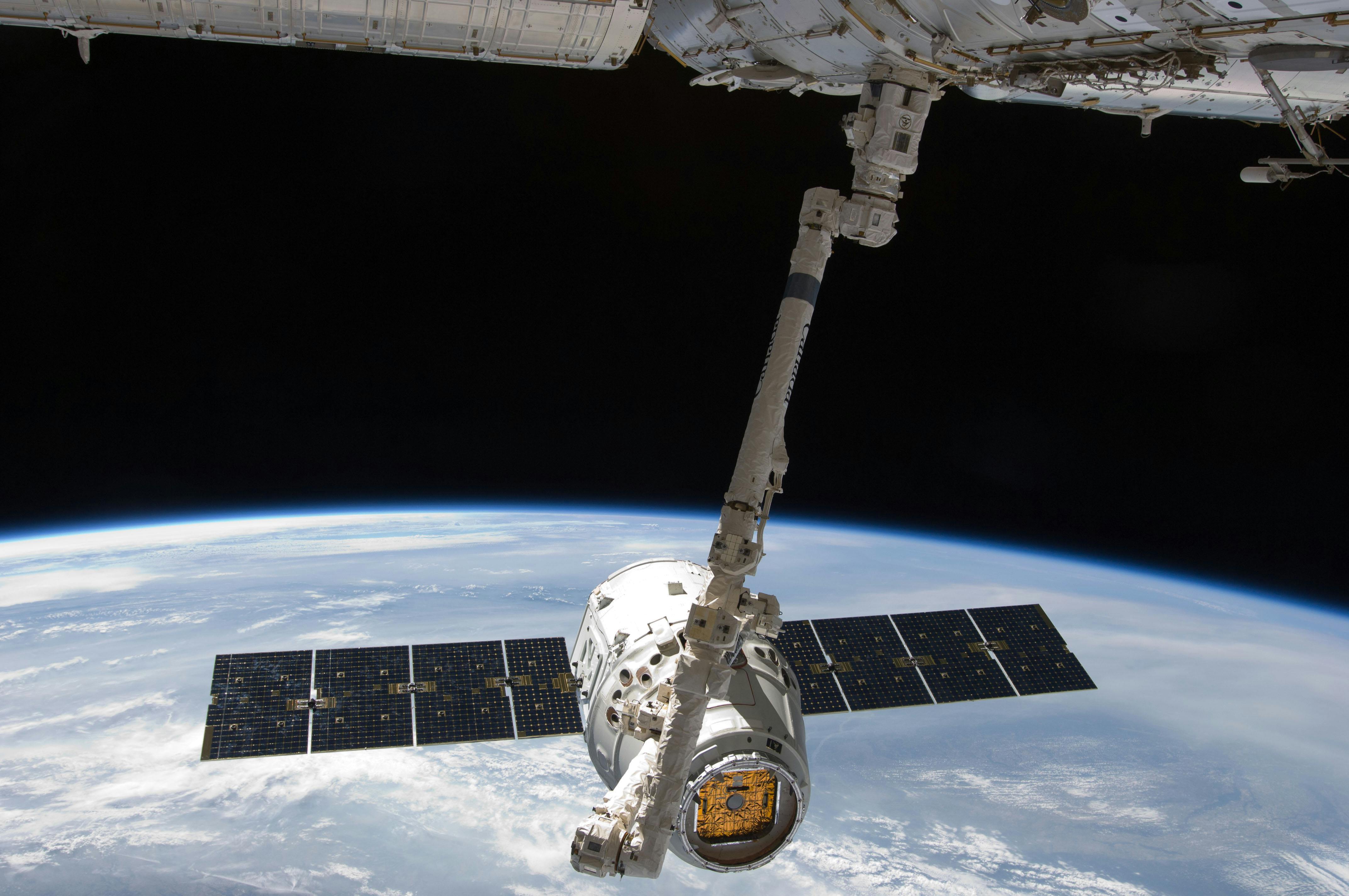
SpaceX prepares for Starship Flight 8 with successful booster static fire; Starlink continues its expansion.
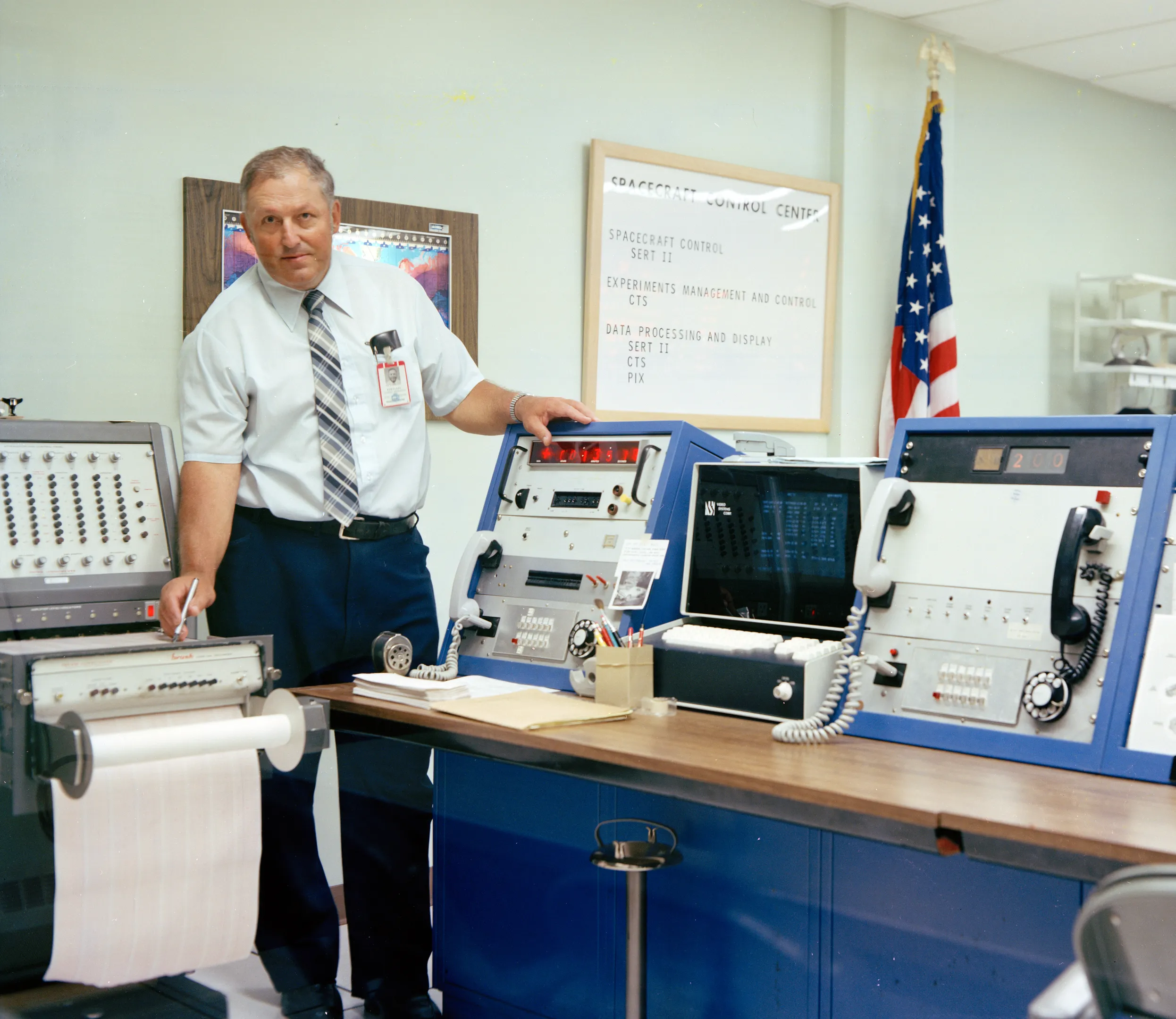
Fifty-five years ago, a revolutionary spacecraft launched from California carrying technology that would transform how we explore the solar system
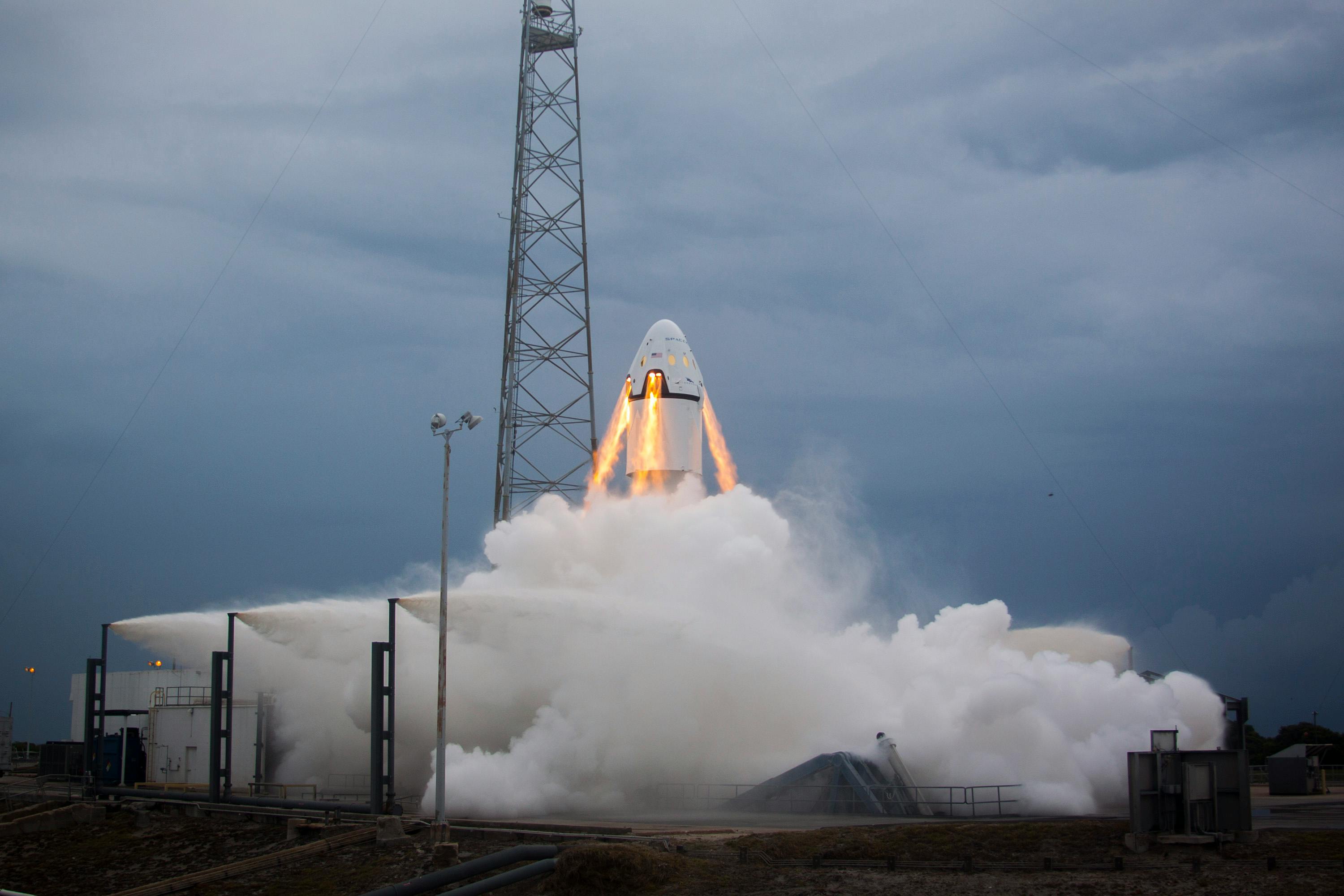
FAA advances environmental review for up to 44 Starship launches from Kennedy Space Center pad 39A. SpaceX wraps January with dual-coast Starlink launches. Crew-12 timeline tied to Artemis 2 schedule.
Today's updates focus on significant developments in U.S. national security space launches, Army space training, potential shifts in satellite procurement strategies, and the Meteor 2-21 satellite.
A HIGH-risk conjunction between STARLINK-4621 and the defunct SL-18 rocket body leads the July 11 safety picture, with eight Starlink satellites set to reenter through July 14.

Today's briefing covers the ULA's military application for Vulcan's upper stage, FAA's efforts to expedite launch licensing, and a fascinating flyby of Mercury by BepiColombo.
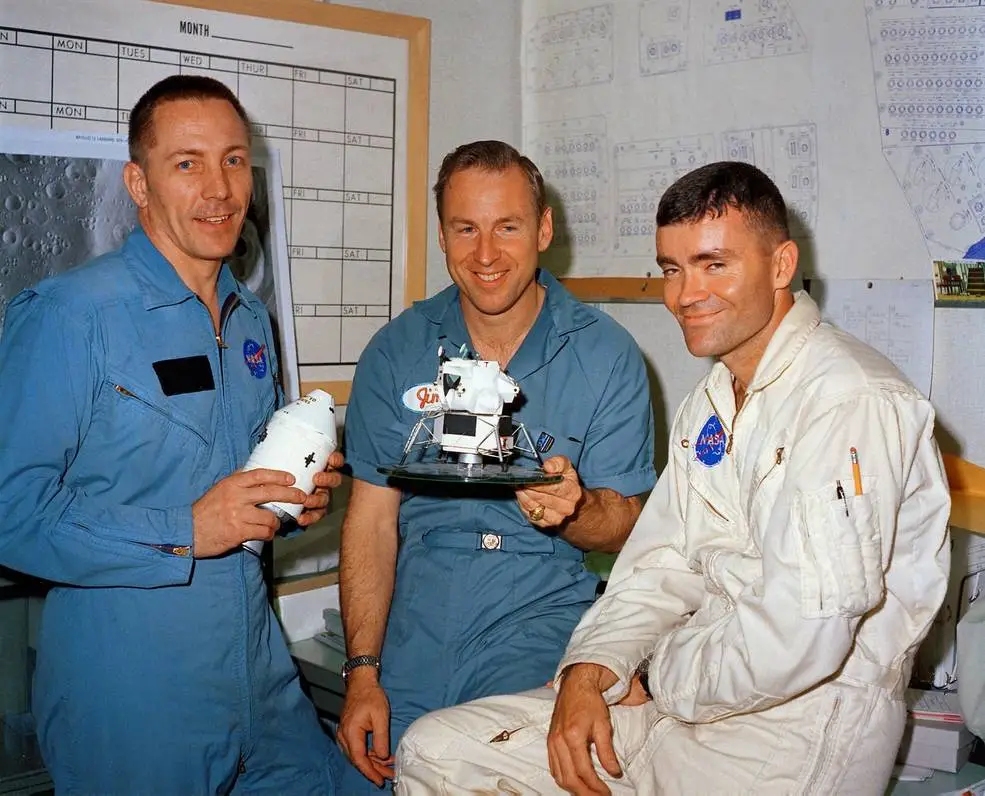
An overlooked thermostat, eight hours of overheating on a Florida launch pad, and 200,000 miles of coasting through deep space. Then Oxygen Tank No. 2 tore itself apart, and three men had to figure out how to come home alive in a spacecraft designed to land on the Moon.