

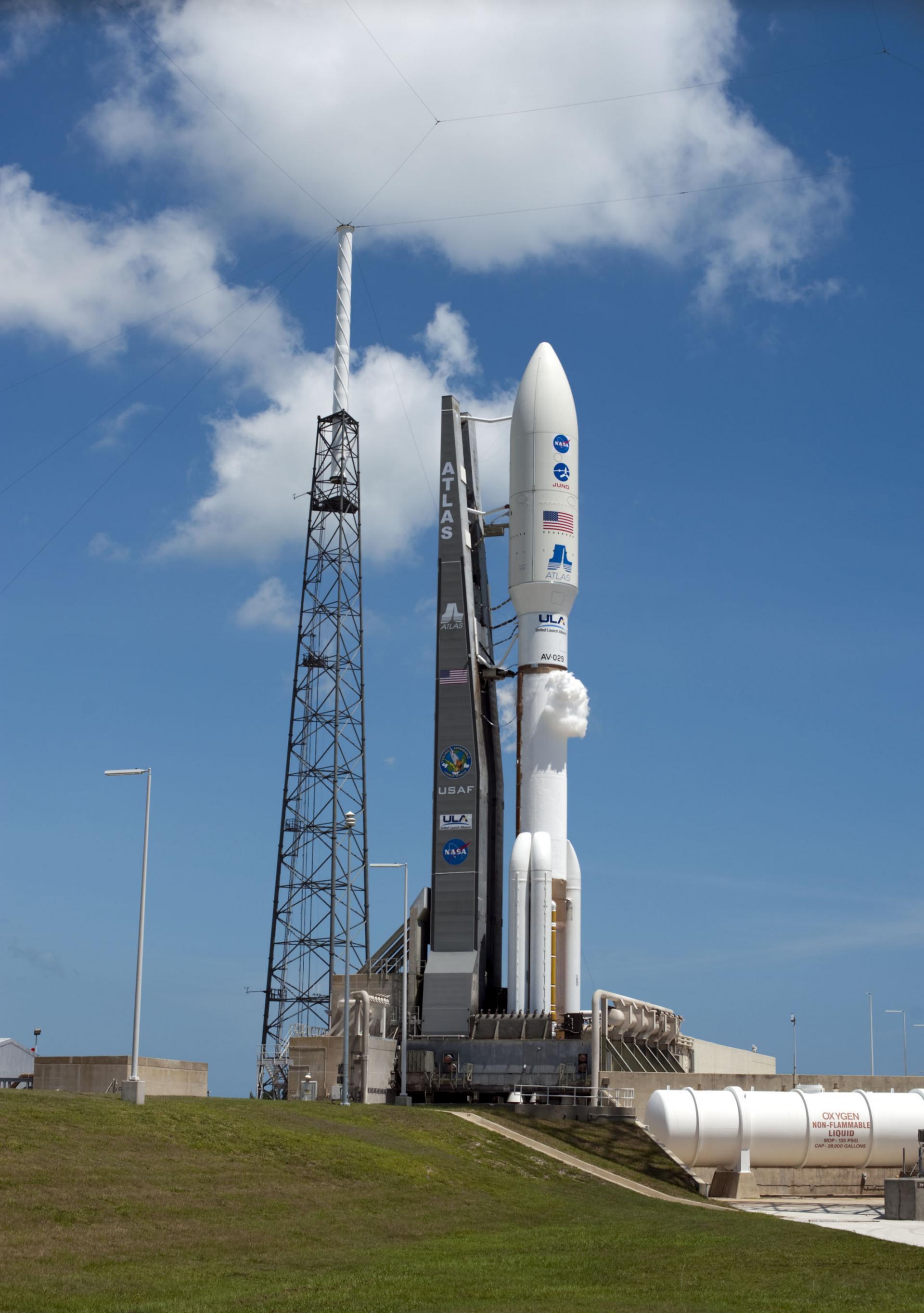
Space Brief 31 May 2025
Today's brief covers a significant GPS satellite launch by SpaceX, China's classified satellite mission, and Rocket Lab's strategic steps in the defense sector.


Launch Date
November 27, 1997
Launch Site
TANSC
Launch Pad
Y
Launch Vehicle
H-II
NORAD ID
25064
International Designator
1997-074B
Decay Date
11/13/2015
Name
KIKU-7 (ETS-VII)
Alternative Name
Hikoboshi
Type
Status
Owner
NASDA
Country
Japan
Constellation
N/A
Related Satellites
Major Events
N/A
Length
2.6
Diameter
2
Span
23
Dry Mass
2340
Launch Mass
2540
Shape
Box + 2 Pan
Radar Cross Section
10.4707
Visual Magnitude
Unknown
Color
Unknown
Material Composition
Unknown
Payload
ETS-7
Purpose
Technology
Mission
Technology
Manufacturer
TOSH
Life Expectancy
Unknown
Bus
ETS-7
Configuration
Unknown
Motor
Unknown
Equipment
Unknown
Power System
2 deployable solar arrays, batteries (chaser); deployable solar array, batteries (target)
ADCS
Unknown
Transmitter Frequency
Unknown
Learn more about satellites and other related topics.
Today's brief covers a significant GPS satellite launch by SpaceX, China's classified satellite mission, and Rocket Lab's strategic steps in the defense sector.
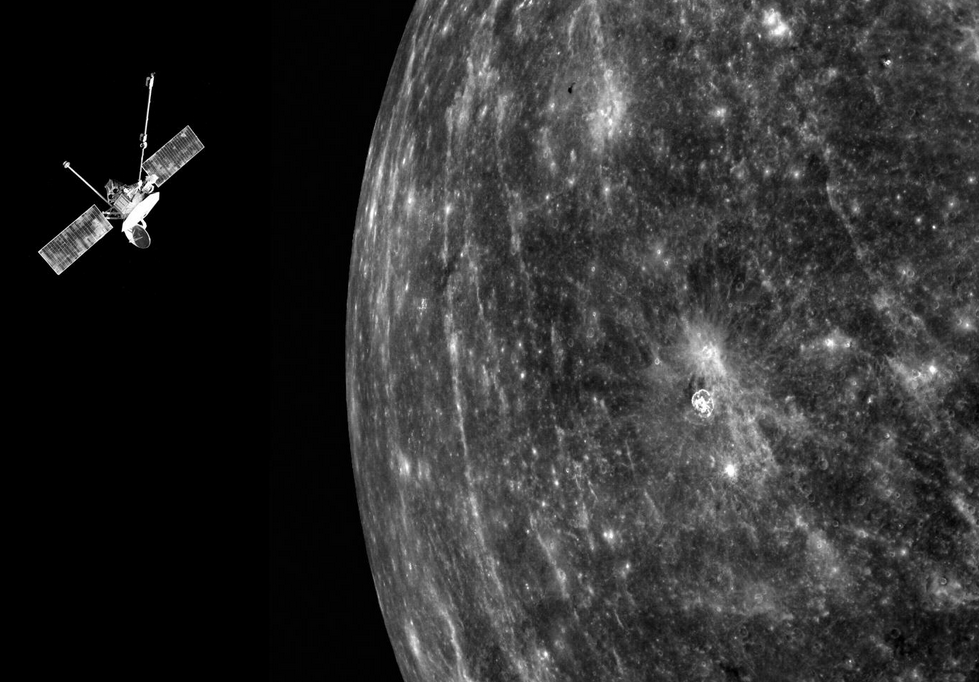
Fifty-one years ago, Mariner 10 revolutionized space exploration by executing the first-ever planetary gravity assist at Venus, pioneering a technique that would transform how we explore the solar system

Today's brief explores rising investments in space with defense ties, potential Space Force-NRO coordination, and more, offering insight into current military and defense satellite dynamics.
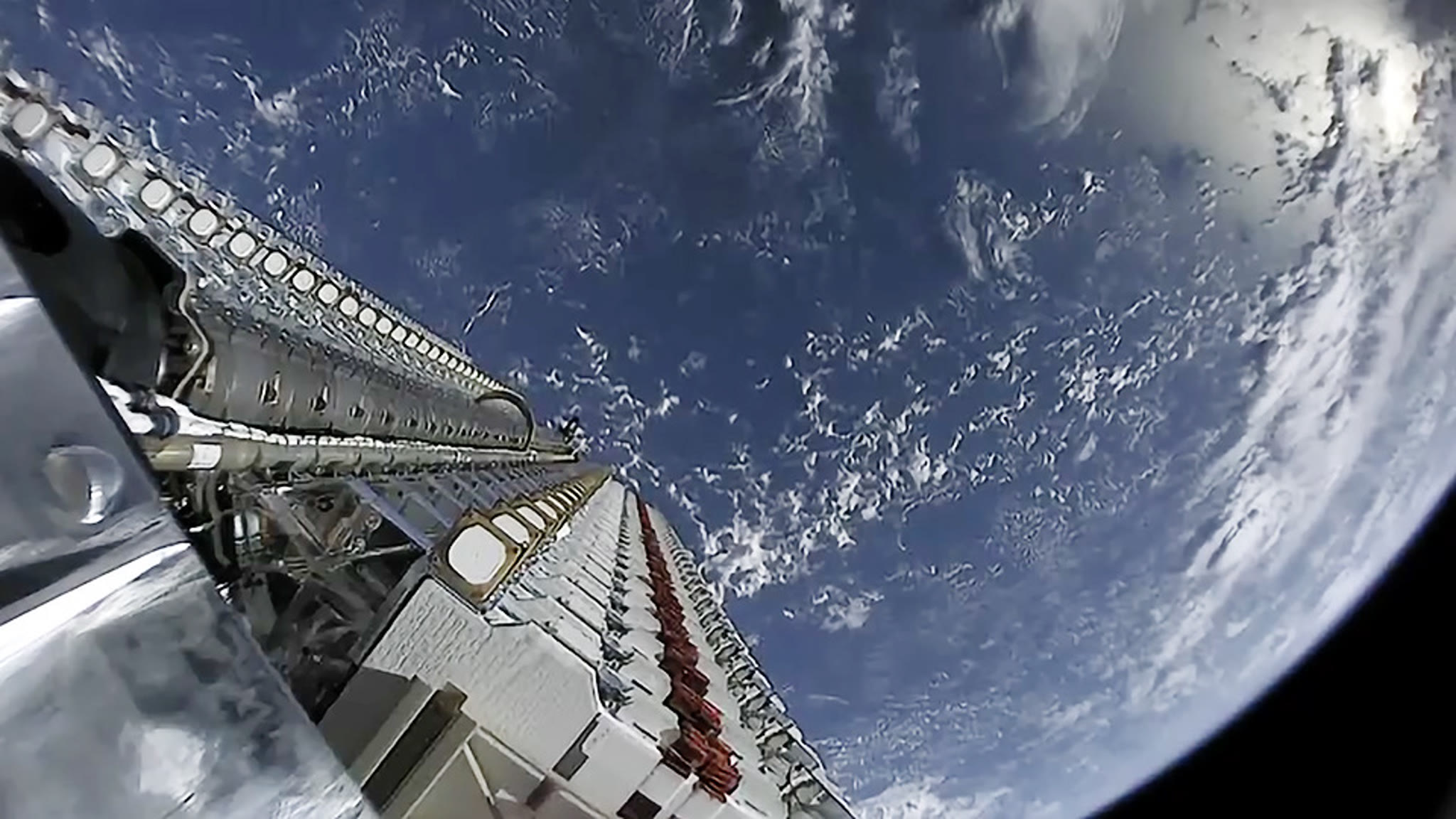
Starlink satellites fired their thrusters to dodge a collision roughly 300,000 times in 2025, about 822 times a day. Behind that number is a fragile, half-automated system of warnings, probabilities, and judgment calls that decides which close approaches are worth a maneuver and which are just noise.
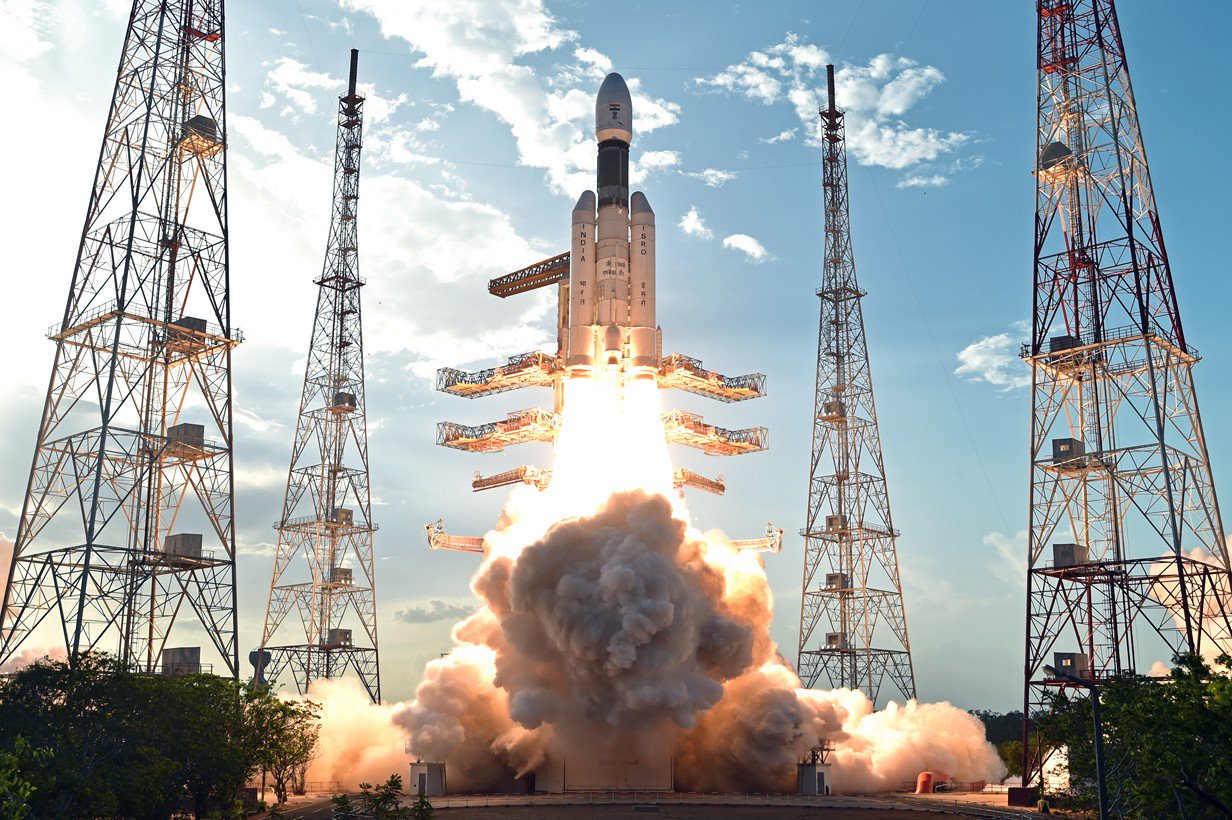
Today's stories cover Rocket Lab's innovative DiskSat launch, Digantara's expansion to missile defense, and DARPA's satellite surveillance network expansion, among other updates in military and satellite technology.
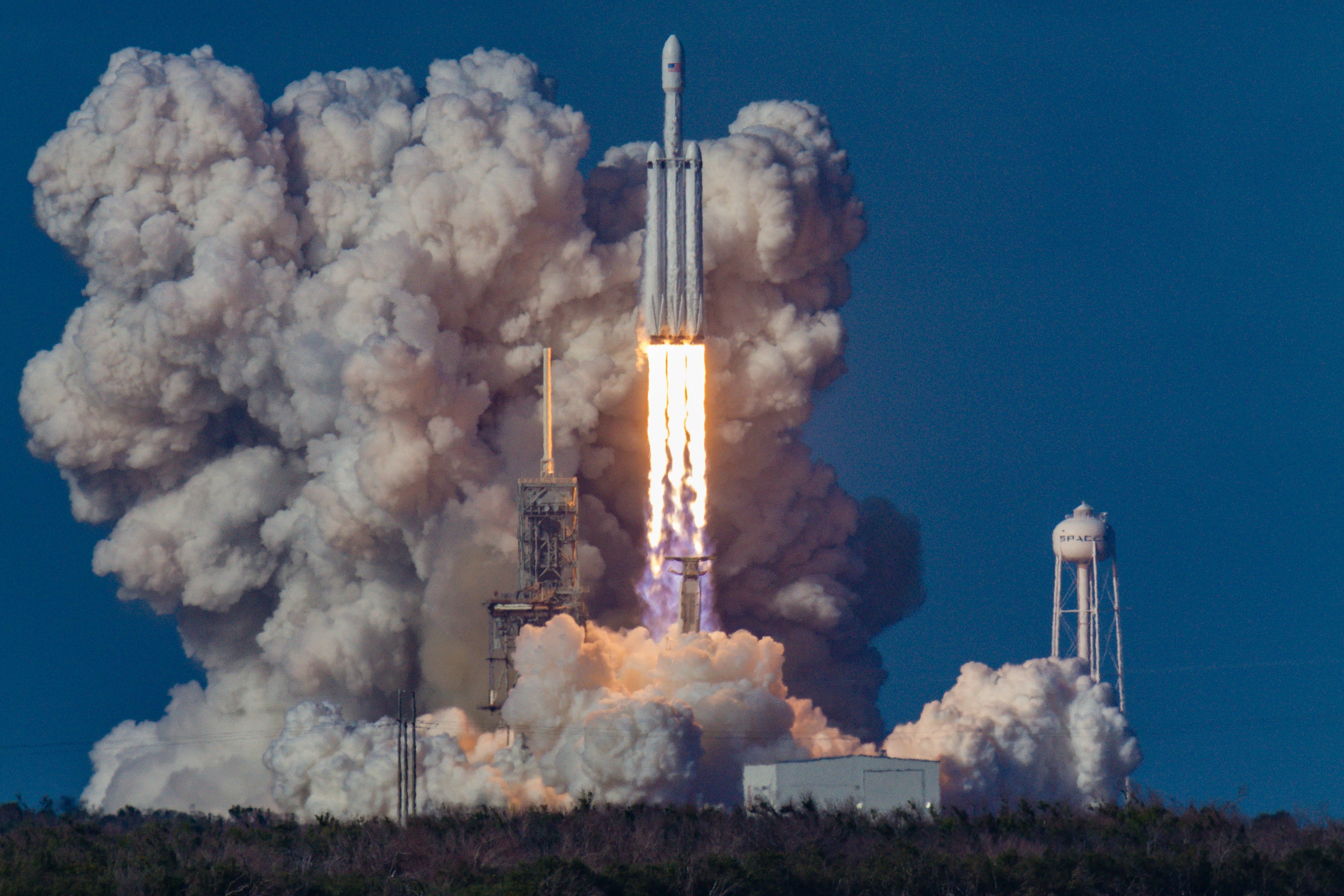
SpaceX achieves a remarkable milestone with its 50th Falcon 9 launch of 2025, while Starlink continues to expand, facing competition from China's megaconstellation efforts.
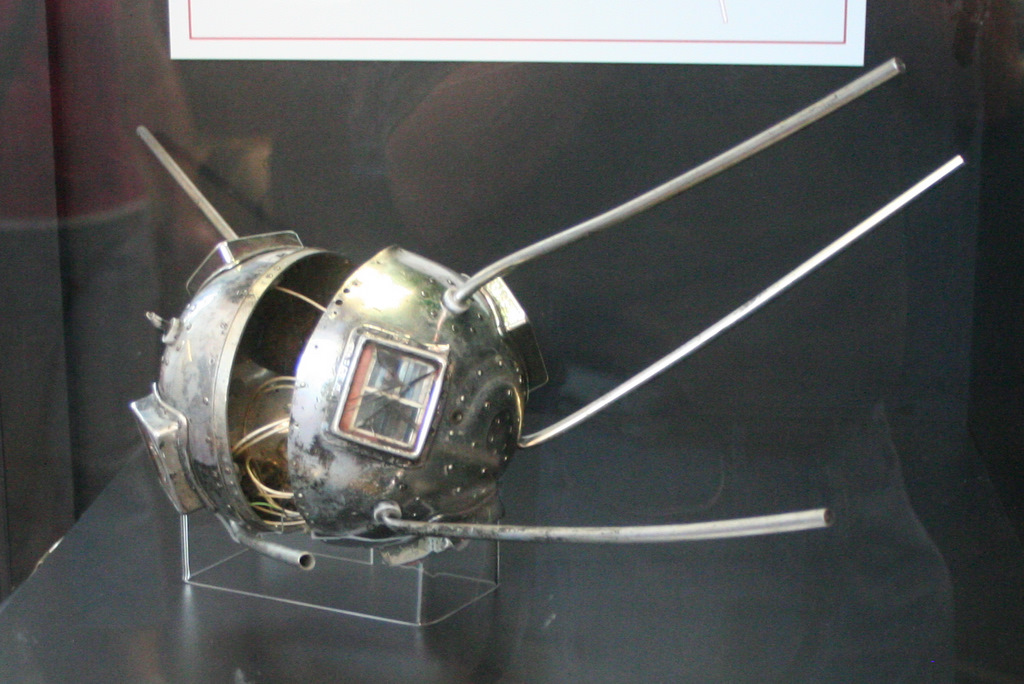
Sixty-eight years ago, America's first satellite exploded on the launchpad in front of the entire world. But from the ashes of Vanguard TV-3 came the determination that would eventually win the Space Race.

SpaceX gears up for significant upcoming launches while Starlink makes an impactful difference in disaster recovery efforts. Meanwhile, ESA and Avio reveal plans for competitive advancements in reusable rocket technology.