

Space Brief 10 Nov 2024
Long March 2C launches four PIESAT-2 radar satellites, Gilmour Space secures Australia's first orbital launch permit, NASA extends ISS cargo contracts through 2030, ESA and Arianespace face industry crossroads.


Launch Date
November 19, 1997
Launch Site
Launch Pad
LC39B
Launch Vehicle
Space Shuttle
NORAD ID
25061
International Designator
1997-073A
Decay Date
12/5/1997
Name
STS 87
Alternative Name
Columbia (STS-87)
Type
Status
Owner
JSC
Country
United States
Constellation
N/A
Related Satellites
Major Events
N/A
Length
37.3
Diameter
23.8
Span
37.3
Dry Mass
97198
Launch Mass
103711
Shape
Box + 2 Wing + Fin
Radar Cross Section
Unknown
Visual Magnitude
Unknown
Color
Unknown
Material Composition
Unknown
Payload
OV-102
Purpose
Crewed Spacecraft
Mission
Crewed Spacecraft
Manufacturer
BNAP
Life Expectancy
Unknown
Bus
STS OV
Configuration
Winged orbiter
Motor
2 x OME (AJ10-190)
Equipment
Unknown
Power System
Fuel cells, batteries
ADCS
Unknown
Transmitter Frequency
Unknown
Learn more about satellites and other related topics.
Long March 2C launches four PIESAT-2 radar satellites, Gilmour Space secures Australia's first orbital launch permit, NASA extends ISS cargo contracts through 2030, ESA and Arianespace face industry crossroads.

Today's brief highlights a significant geospatial data collaboration between Maxar and Saab, defense budget discussions affecting satellite deployments, and the naming of new military command chiefs.

SpaceX confidentially files for a record-breaking IPO targeting a $1.75T valuation and $80B raise, while a Starlink satellite breaks apart in orbit.
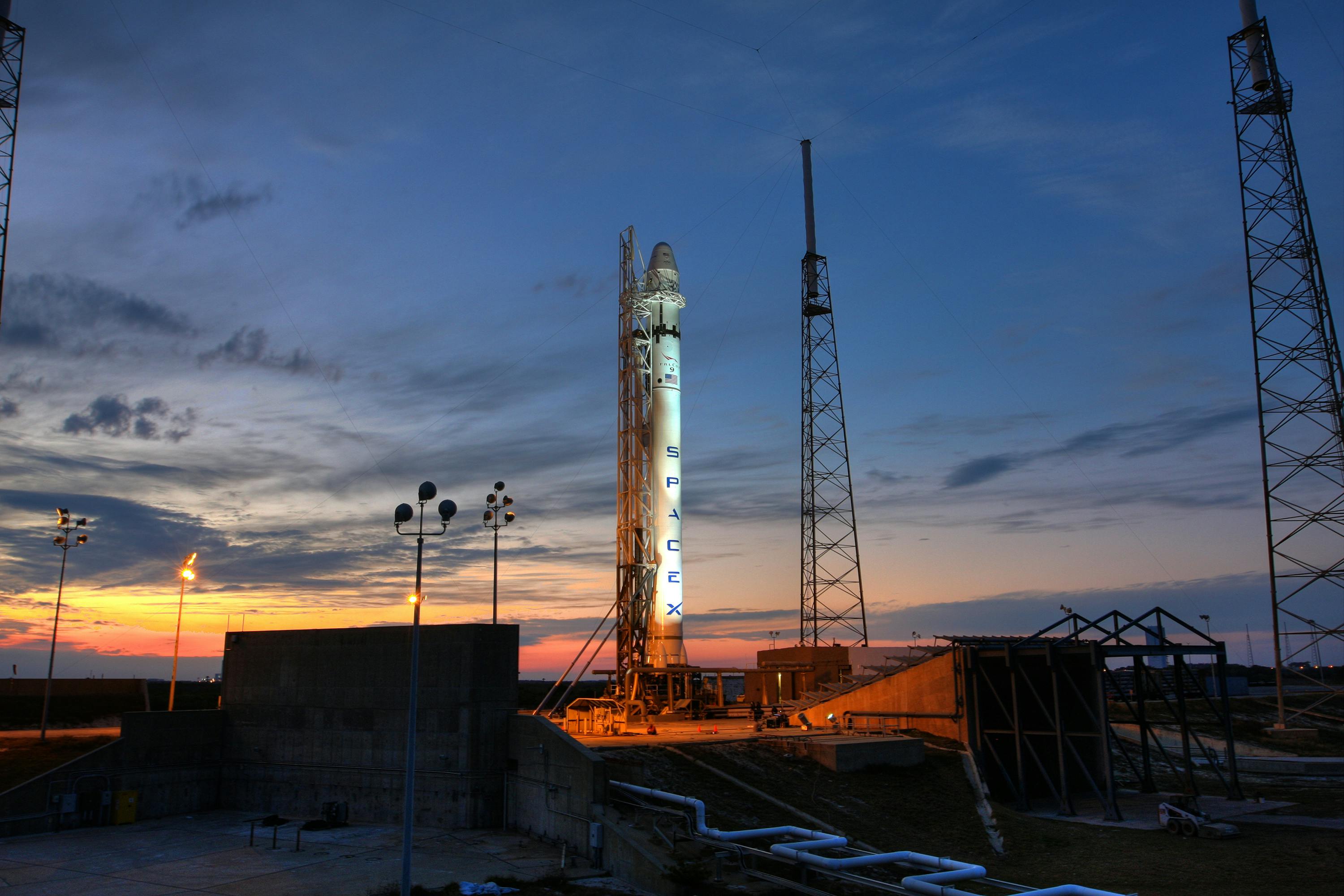
Starlink constellation size in 2026: 9,931 satellites in orbit, 9,920 working from 11,463 launched. Starlink 17-18 adds 25 more from Vandenberg.
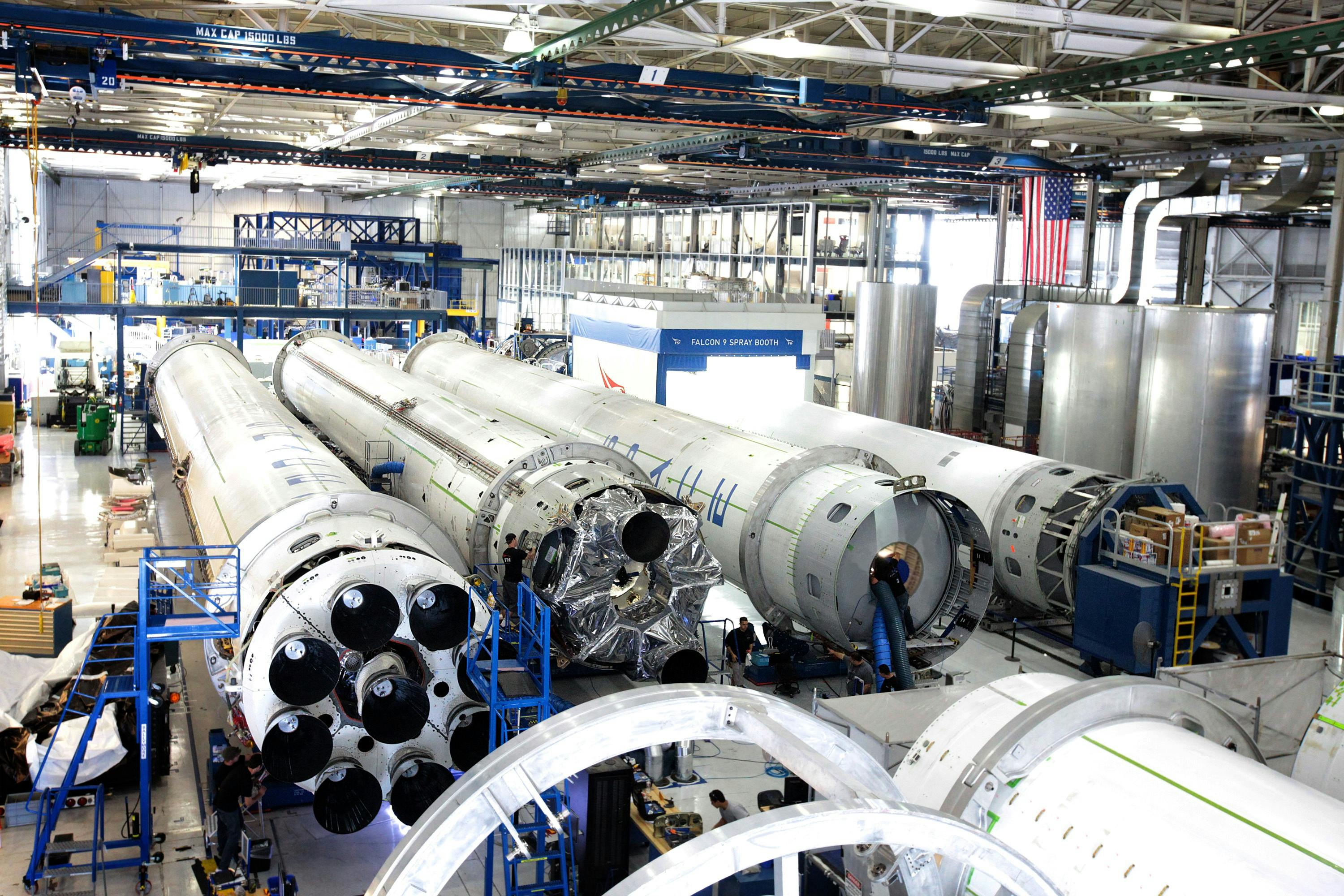
SpaceX Starfall reentry capsule debuted June 23: the 2,100 kg disk launched on a Falcon 9 from Cape Canaveral to demo cargo return from orbit.
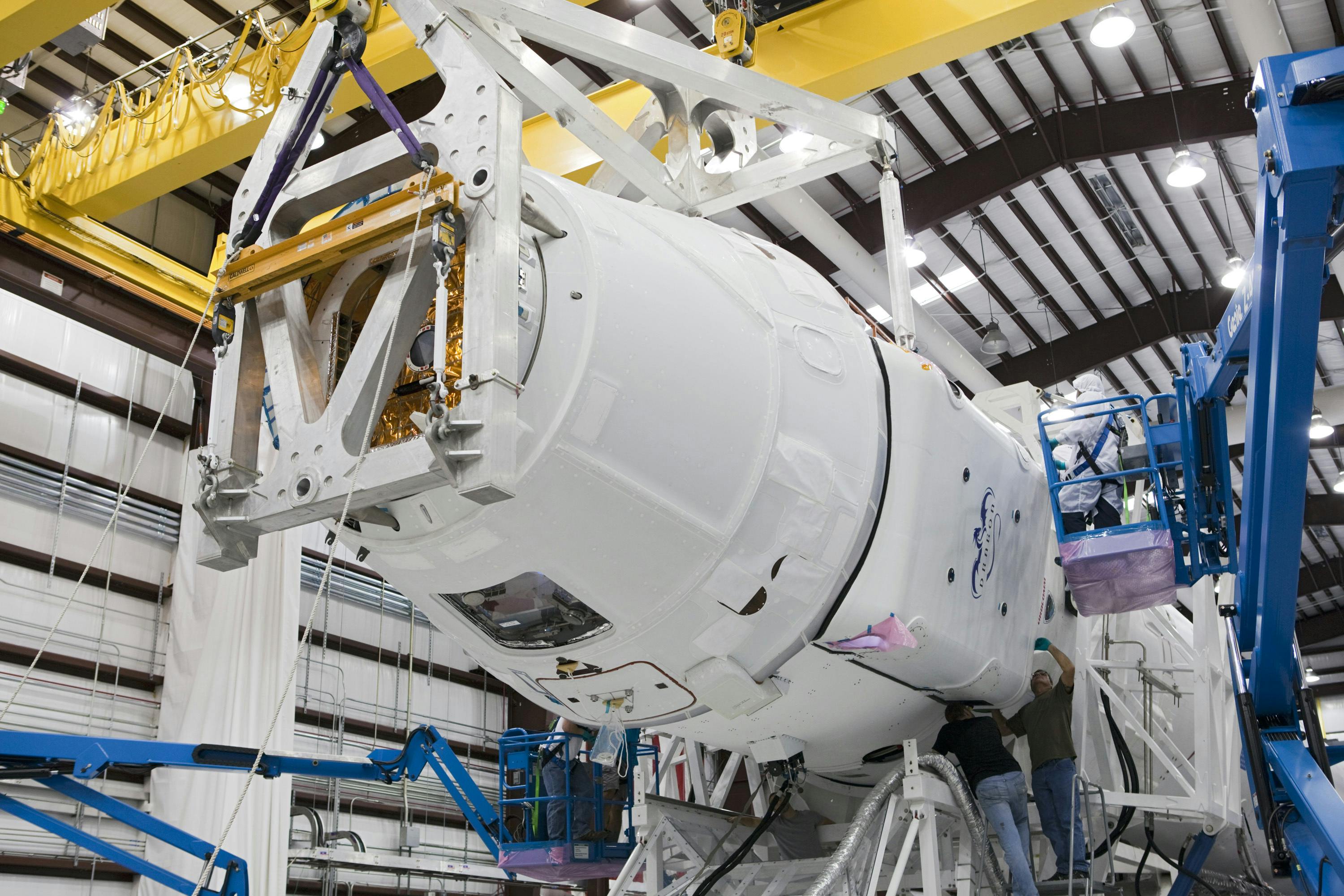
SpaceX completed two launches June 28, orbiting the 15,000-lb SXM-11 satellite and 24 Starlink V2 craft from Vandenberg.

ESA and JAXA finalize collaboration for asteroid Apophis 2029 flyby at 32,000 km—closer than geostationary orbit. Historic near-Earth encounter being heavily observed.
Today's brief covers advances in satellite docking technology, challenges faced by space companies with government navigation, and China's leap in space autonomy through AI developments.