


Reentry
What happens when space objects come home: the fiery physics of returning from orbit and why predicting where debris lands is so difficult


Launch Date
November 12, 1997
Launch Site
Launch Pad
LC200/39
Launch Vehicle
Proton-K/DM-2M
NORAD ID
25053
International Designator
1997-070E
Epoch
Sat, 27 Jun 2026 01:22:02 GMT
Apogee
Calculating...
Perigee
Calculating...
Inclination
45.38°
Right Ascension
52.90°
Eccentricity
Calculating...
Argument of Perigee
272.20°
Period
595.71 min
Mean Motion
2.42 rev/day
Latitude
Calculating...
Longitude
Calculating...
Altitude
Calculating...
Velocity
Calculating...
Name
SL-12 R/B(AUX MOTOR)
Alternative Name
DM2M-8L SOZ-1
Type
Status
Owner
VKSR
Country
Russia
Constellation
N/A
Related Satellites
Major Events
N/A
1 25053U 97070E 26178.05697190 -.00000169 00000-0 00000-0 0 9996
2 25053 45.3812 52.8960 6596335 272.2030 19.3517 2.41728063252146
Source: Celestrak
Length
1.1
Diameter
0.5
Span
1.1
Dry Mass
60
Launch Mass
120
Shape
Cyl
Radar Cross Section
0.8097
Visual Magnitude
Unknown
Color
Unknown
Material Composition
Unknown
Payload
SOZ
Purpose
Unknown
Mission
Unknown
Manufacturer
RKKE
Life Expectancy
Unknown
Bus
SOZ
Configuration
Unknown
Motor
Unknown
Equipment
Unknown
Power System
Unknown
ADCS
Unknown
Transmitter Frequency
Unknown
Learn more about satellites and other related topics.
What happens when space objects come home: the fiery physics of returning from orbit and why predicting where debris lands is so difficult

Today's briefing covers a DARPA award for Redwire's innovative satellite project, Ursa Major's expansion in defense engines, a Rocket Lab military test flight, and more.

Follow the complete Artemis II mission in KeepTrack's 3D tracker. Replay Orion's full flight path from launch through the lunar flyby to Pacific splashdown, and scrub to any moment of the ten-day mission.
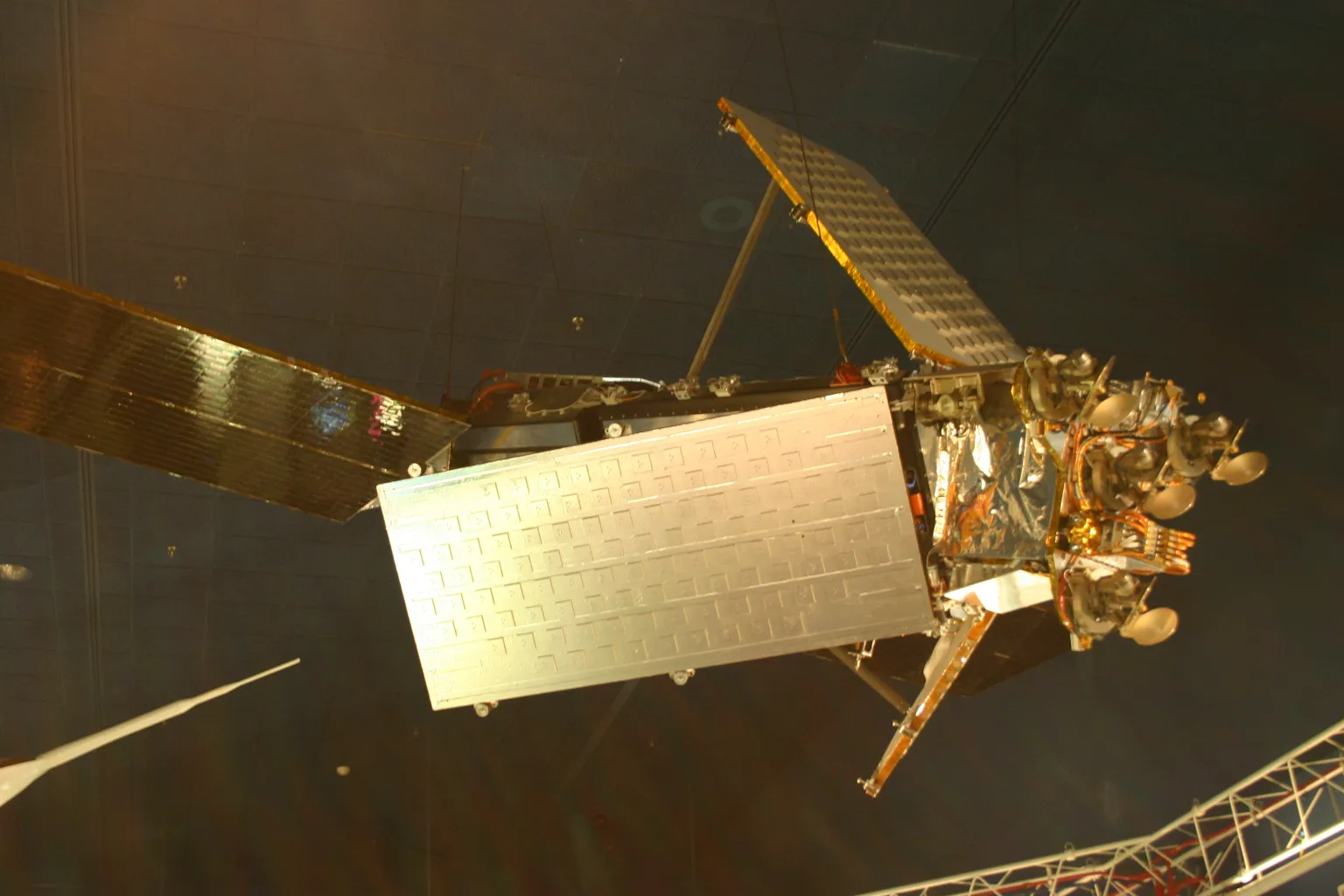
Seventeen years ago today, an operational American communications satellite and a dead Russian military relay crossed paths over Siberia. What happened next created more than 2,000 pieces of trackable debris - and fundamentally changed how the world thinks about space traffic.
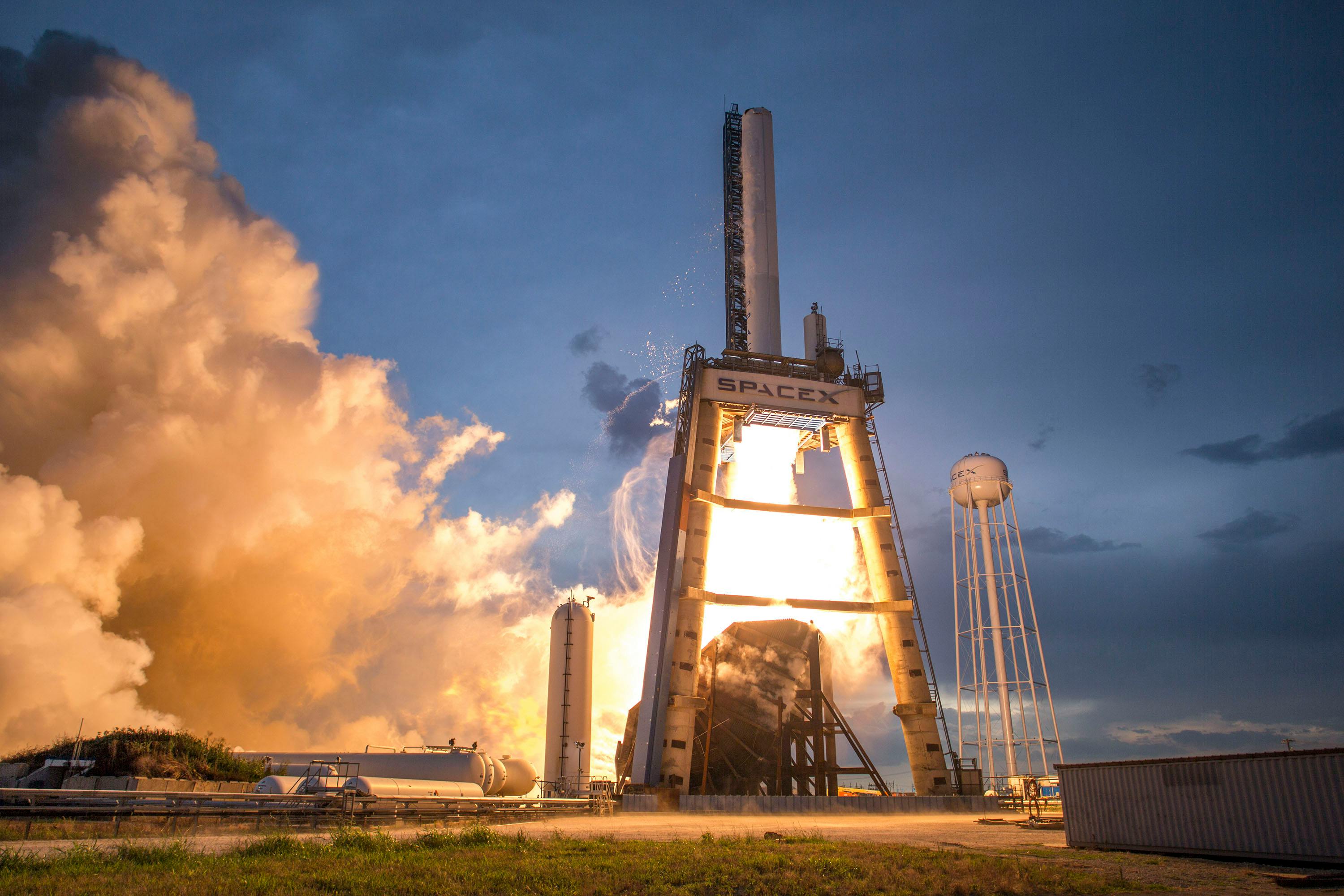
Today's briefing covers Starlink's role in disaster recovery in the Philippines, insights into the evolving direct-to-device market, and news of European plans for a reusable upper stage rocket inspired by SpaceX's Starship.
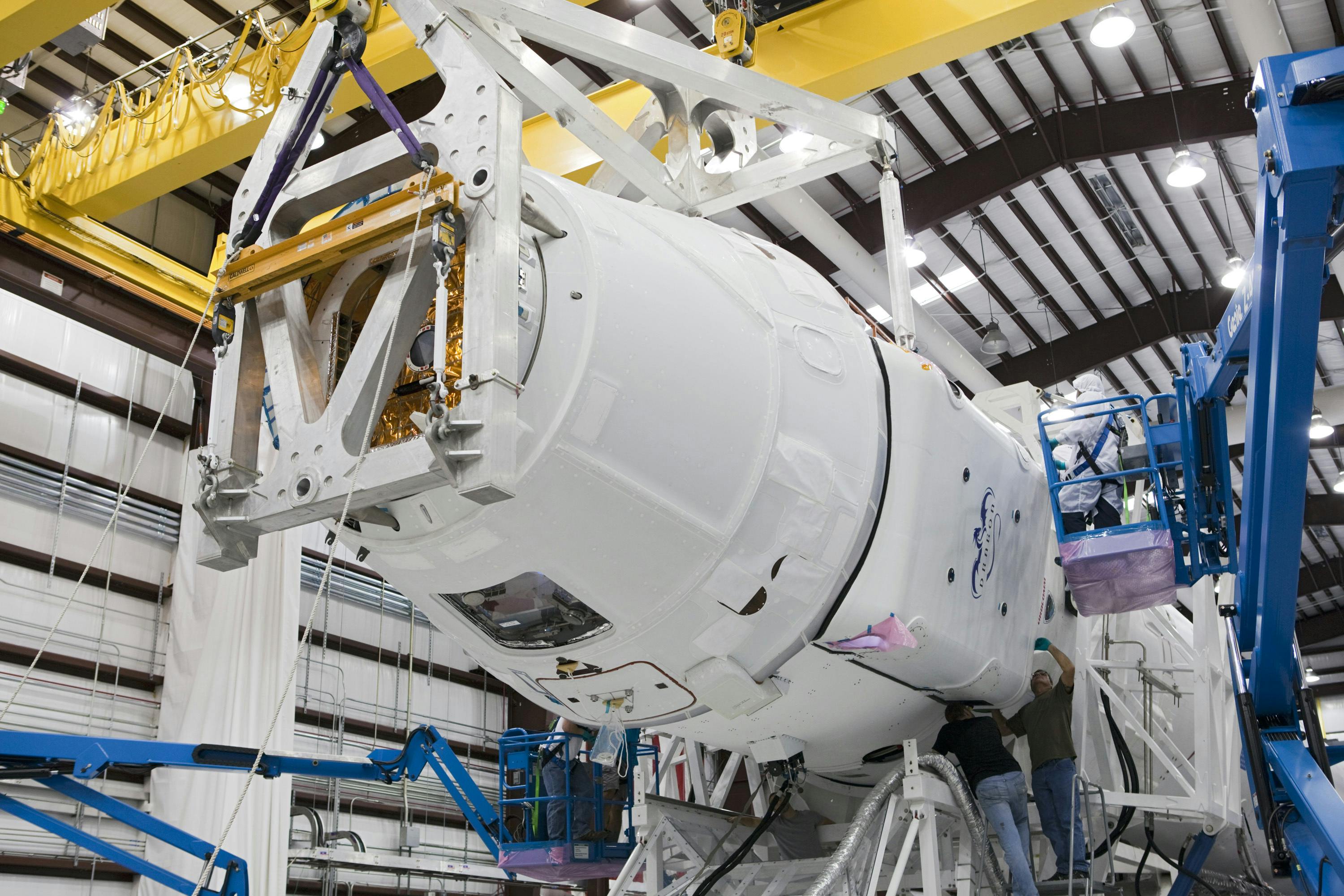
SpaceX marks a milestone with its 250th Starlink mission, continuing to expand its broadband satellite network.
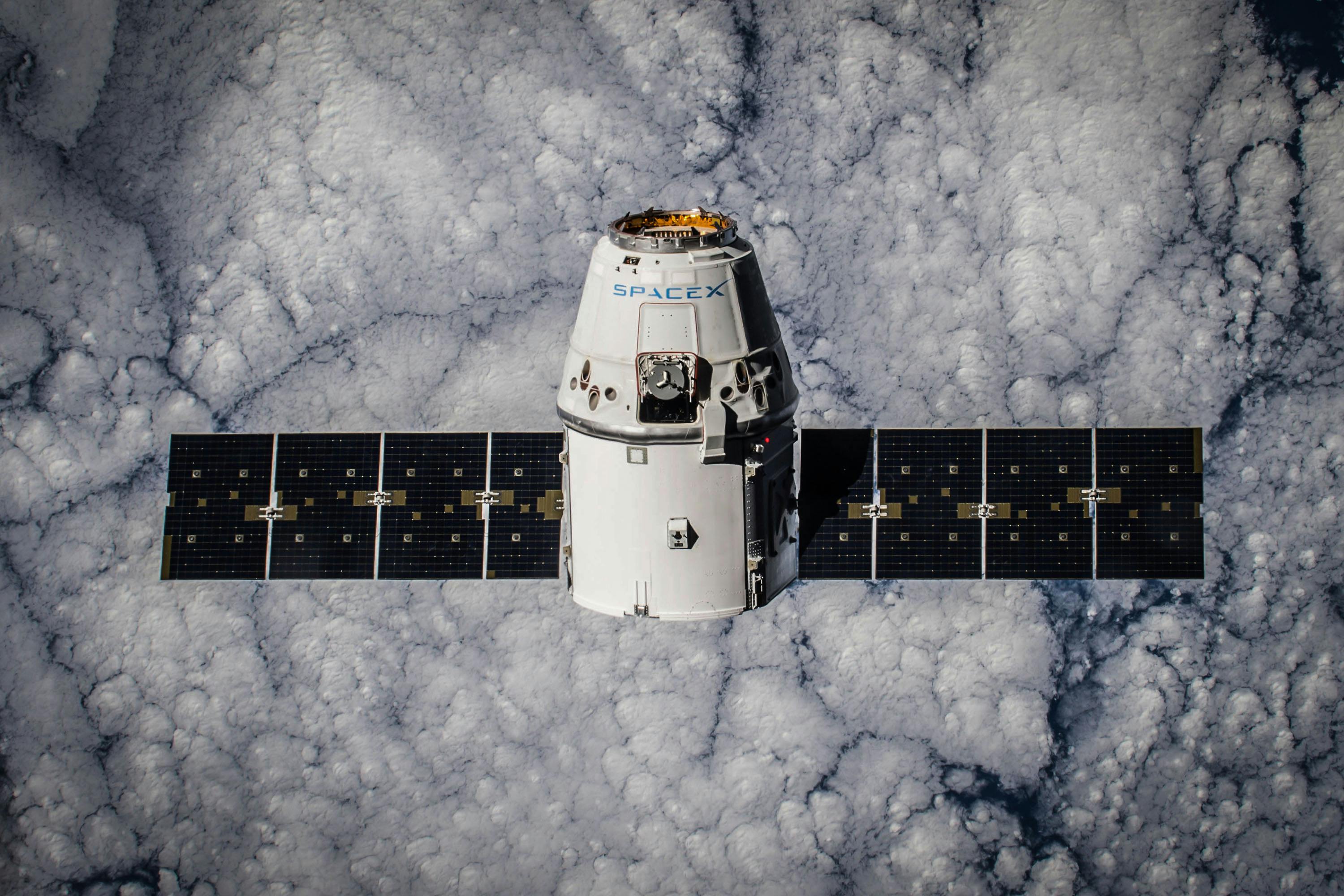
SpaceX makes strides with new GPS and Starlink launches while securing major U.S. government contracts.
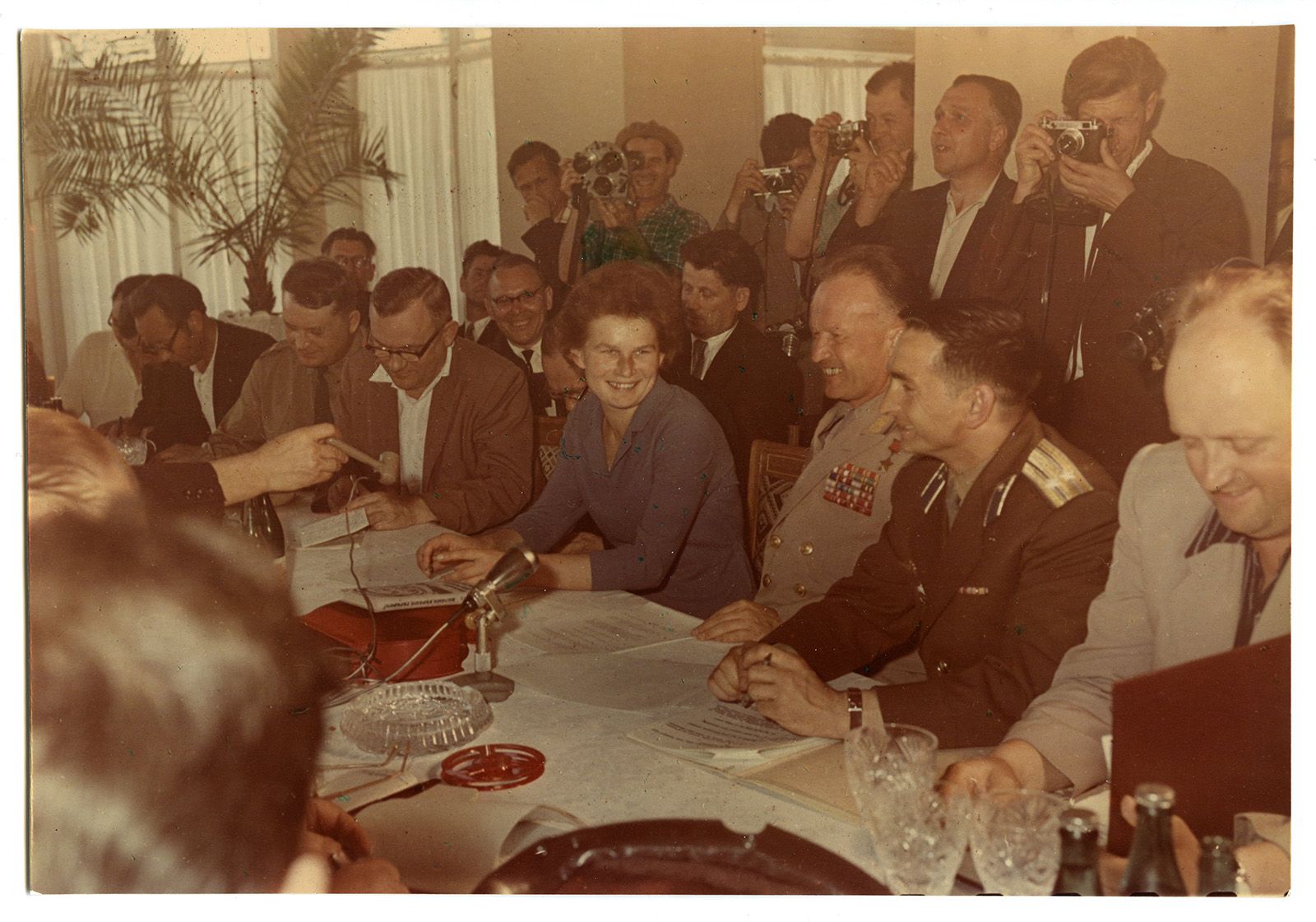
On 16 June 1963, a 26-year-old former textile worker named Valentina Tereshkova launched aboard Vostok 6 and spent nearly three days alone in orbit. She flew 48 times around the Earth, longer than every American astronaut combined, and spotted a dangerous flaw in her descent program that ground controllers had missed.