IRIDIUM 39 (25042)

COSPAR: 1997-069D | Alt Name: Iridium 39

Image
IRIDIUM 39 Satellite Image
Additional Sources
Launch Details

Launch Date

November 9, 1997

Launch Site

AFWTR

Launch Pad

SLC2W

Launch Vehicle

Delta 7920-10C

Orbital Elements

NORAD ID

25042

International Designator

1997-069D

Epoch

Sat, 04 Jul 2026 00:28:01 GMT

Apogee

Calculating...

Perigee

Calculating...

Inclination

86.39°

Right Ascension

47.35°

Eccentricity

Calculating...

Argument of Perigee

107.93°

Period

99.32 min

Mean Motion

14.50 rev/day

Latitude

Calculating...

Longitude

Calculating...

Altitude

Calculating...

Velocity

Calculating...

Polar Plot
3D Visualization
Basic Satellite Info

Name

IRIDIUM 39

Alternative Name

Iridium 39

Type

Payload

Status

Non-operational

Owner

IRID

Country

United States

Constellation

N/A

Related Satellites

Major Events

N/A

Latest TLEs
1 25042U 97069D   26185.01946632  .00000658  00000-0  16489-3 0  9997
2 25042  86.3889  47.3462 0019701 107.9330 252.4024 14.49788363504274

Source: Celestrak

Summary
IRIDIUM 39 is a communication satellite launched on November 9, 1997, from AFWTR SLC2W using a Delta 7920-10C launch vehicle. It has a configuration of LM-700A and was manufactured by MOTO/LMMS for the mission of communication purposes. The satellite measures 3.5 meters in length, with a diameter of 1 meter and a span of 5 meters. Its dry mass is recorded at 556 kilograms, and it had an initial launch mass of 662 kilograms. IRIDIUM 39 utilizes two deployable solar arrays along with batteries for power generation. The satellite's shape consists of a box configuration with two panels. It has an expected lifetime of 8 years and is owned by IRID.
Physical Characteristics

Length

3.5

Diameter

1

Span

5

Dry Mass

556

Launch Mass

662

Shape

Box + 2 Pan

Radar Cross Section

3.569

Visual Magnitude

Unknown

Color

Unknown

Material Composition

Unknown

Technical Details

Payload

Iridium SV039

Purpose

Communication

Mission

Communication

Manufacturer

MOTO/LMMS

Life Expectancy

8 years

Bus

LM700

Configuration

LM-700A

Motor

?

Equipment

?

Power System

2 deployable solar arrays, batteries

ADCS

Unknown

Transmitter Frequency

Unknown

Map
This tool will help you track the satellite's position and predict its upcoming passes over your location. Simply input the coordinates or click the geolocation button to get started.
Next Pass
Azimuth Elevation Time (Local)
Start Azimuth
Max Elevation
Stop Azimuth
Time Until
Pass Duration

Satellite Articles

View All Posts »

Learn more about satellites and other related topics.

Falcon 9 Shatters Reuse Record With 33rd Flight on Double Launch Day | KeepTrack X Report

Falcon 9 Shatters Reuse Record With 33rd Flight on Double Launch Day | KeepTrack X Report

SpaceX launches two Falcon 9 rockets in one day carrying Starlink satellites from both coasts. Most-flown booster achieves record 33rd flight. 28 V2 Mini Optimized sats deployed.
€140M ESA Launcher Funding at Risk of Lapse | KeepTrack Space Brief

€140M ESA Launcher Funding at Risk of Lapse | KeepTrack Space Brief

Nearly €140 million in ESA launcher development funds faces forfeiture with no replacement mechanism. Europe's independent launch capacity under pressure as Arianespace struggles.

Space Brief 4 Nov 2024

Space Brief 4 Nov 2024

China's Tiangong space station completes crew rotation, Rocket Lab prepares for confidential launch, and Japan successfully launches military satellite with its H3 rocket.

The Day Superpowers Shared Space

The Day Superpowers Shared Space

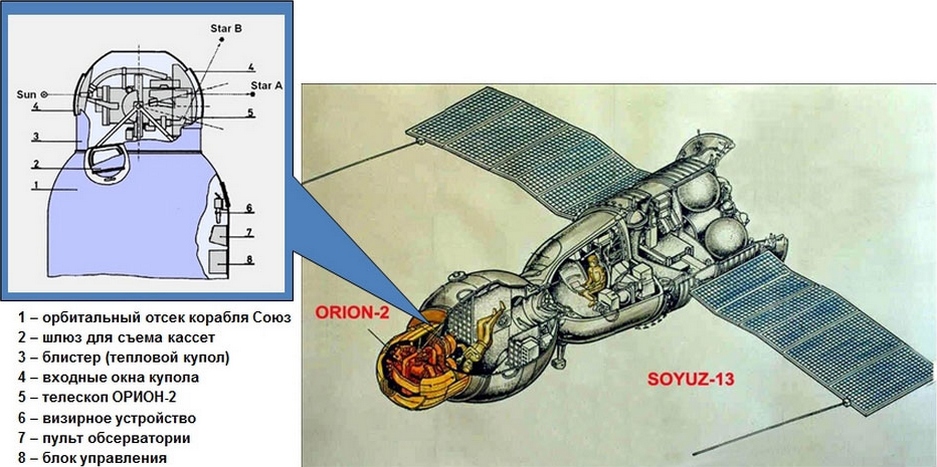
Exactly 52 years ago today, the Soviet Union launched Soyuz 13 - a scientific mission that marked the first time American astronauts and Soviet cosmonauts orbited Earth simultaneously. Armed with a revolutionary ultraviolet telescope, Pyotr Klimuk and Valentin Lebedev would discover elements never before seen in distant nebulae.

X Report 12 Nov 2024

X Report 12 Nov 2024

SpaceX prepares for a monumental sixth Starship test flight while achieving a historic Falcon 9 booster landing. Meanwhile, a Starlink satellite lights up the night sky as it reenters Earth's atmosphere.

Long March 10B Debut Highlights 4-Launch Week | KeepTrack Week in Review

Long March 10B Debut Highlights 4-Launch Week | KeepTrack Week in Review

This week: China's Long March 10B debuted successfully, SpaceX merged with xAI, and Starlink topped 10,775 satellites in orbit.

X Report 25 Sep 2025

X Report 25 Sep 2025

SpaceX continues to make strides with multiple launches, including 28 Starlink satellites and NASA's IMAP mission, highlighting its ongoing role in advancing space weather research.

SpinLaunch's Kinetic Launch System

SpinLaunch's Kinetic Launch System

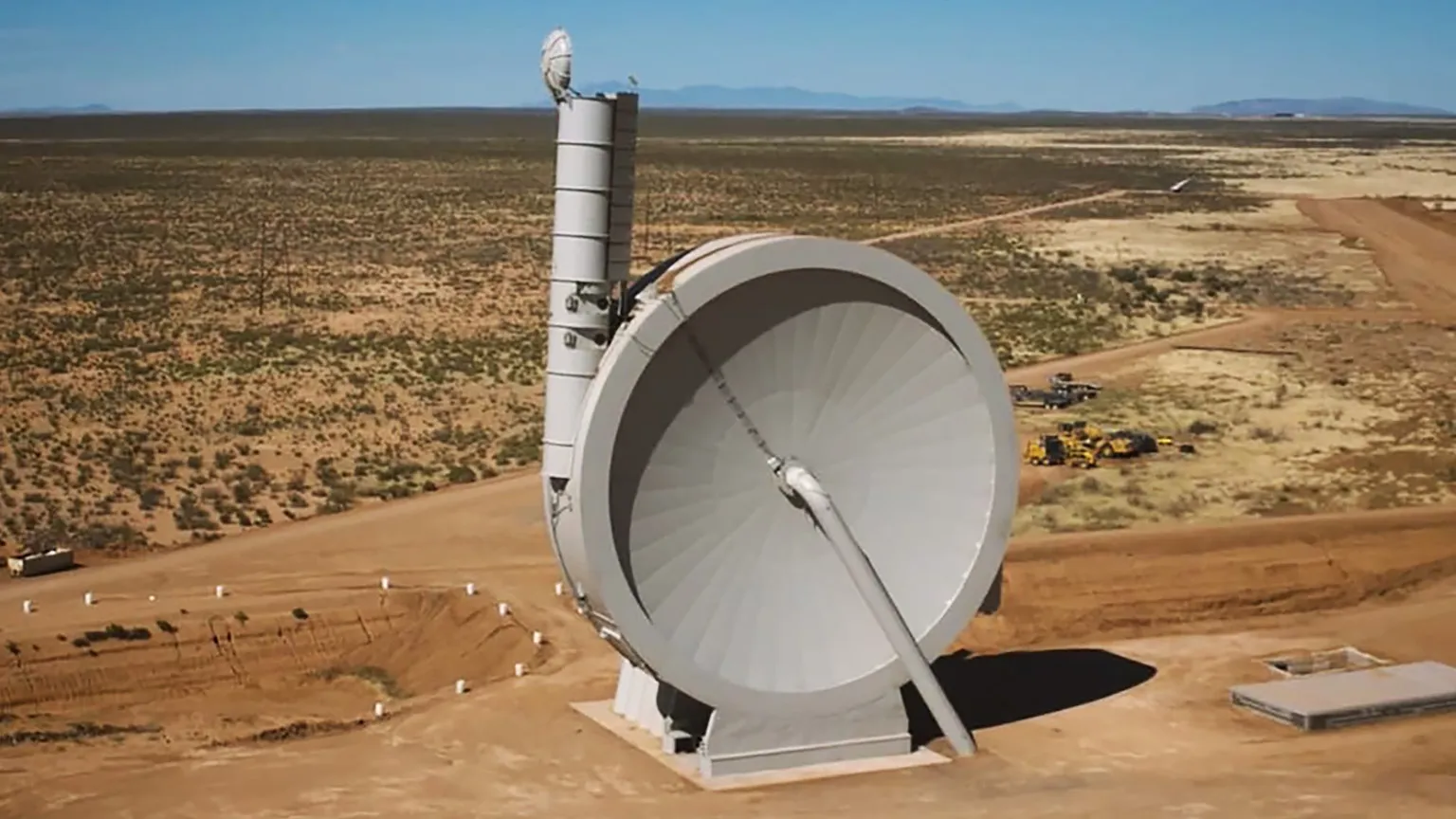
How a California startup's massive centrifuge could transform space access by eliminating rocket fuel, reducing costs by 70%, and enabling daily satellite launches - if it can overcome the physics of scaling from suborbital tests to orbital reality