


X Report 15 Sep 2025
SpaceX successfully launched Northrop Grumman's new Cygnus XL cargo spacecraft to the ISS, marking a significant advancement in cargo delivery capabilities.


Launch Date
November 6, 1997
Launch Site
Launch Pad
LC17A
Launch Vehicle
Delta 7925
NORAD ID
25031
International Designator
1997-067B
Decay Date
10/25/2000
Name
DELTA 2 R/B(1)
Alternative Name
Delta 249
Type
Status
Owner
BOHB
Country
United States
Constellation
N/A
Related Satellites
Major Events
N/A
Length
7
Diameter
2.4
Span
7
Dry Mass
924
Launch Mass
6930
Shape
Cyl + Cone
Radar Cross Section
12.3908
Visual Magnitude
Unknown
Color
Unknown
Material Composition
Unknown
Payload
Delta SSPS AJ-10-118K
Purpose
Unknown
Mission
Unknown
Manufacturer
BOHB
Life Expectancy
Unknown
Bus
Delta/0020
Configuration
Unknown
Motor
Unknown
Equipment
Unknown
Power System
Unknown
ADCS
Unknown
Transmitter Frequency
Unknown
Learn more about satellites and other related topics.
SpaceX successfully launched Northrop Grumman's new Cygnus XL cargo spacecraft to the ISS, marking a significant advancement in cargo delivery capabilities.
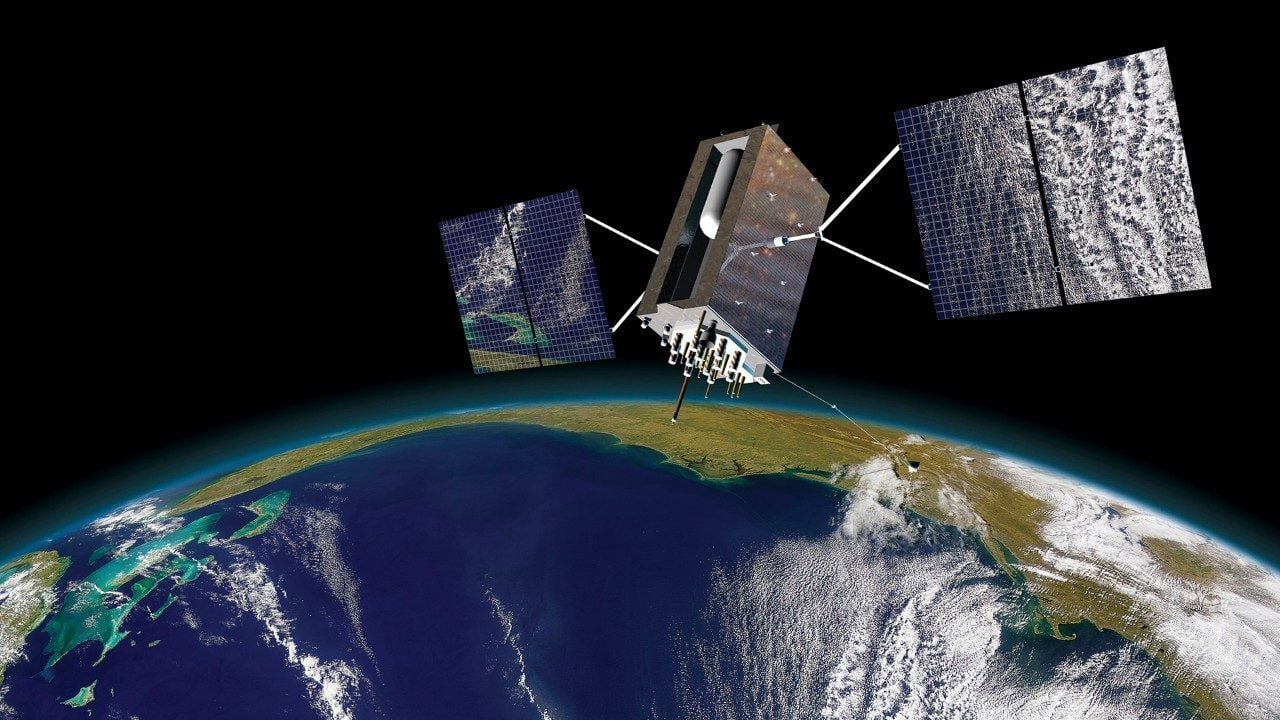
On April 17, 2026, the U.S. Space Force officially cancelled the Next Generation Operational Control System after sixteen years of development, cost overruns, and testing failures. The $8 billion program was supposed to unlock the military's encrypted GPS signal. Instead, the satellites are flying with capabilities the ground can't command.

Starship testing progresses at the Cape; Lynk Global secures funding amidst rising satellite competition.

Today's brief highlights the maiden flight of Blue Origin's Blue Ring spacecraft with a new AI-driven space sensor, debates on asteroid defense responsibilities, and updates on the U.S. Space Force's missile shield leadership.

Today's Space Brief delves into military satellite advancements and significant contract awards for space platforms, alongside pivotal European missile warning systems.

SpaceX Crew-11 mission returns safely to Earth after first-ever medical evacuation from ISS. Crew Dragon splashes down in Pacific Ocean off California coast. Mission ended early due to health concern.

Today's brief focuses on Blue Origin's scrubbed New Glenn launch, SpaceX's reusability milestone, and a warning from the US Air Force about China's advancements in space capabilities. We're also highlighting a key satellite in orbit.

SpaceX's ongoing challenges with the Starship Flight 10 launch are prominent today, as weather and technical issues continue to push back the schedule. Meanwhile, successful cargo missions to the ISS highlight the company's ongoing commitment to space operations.