

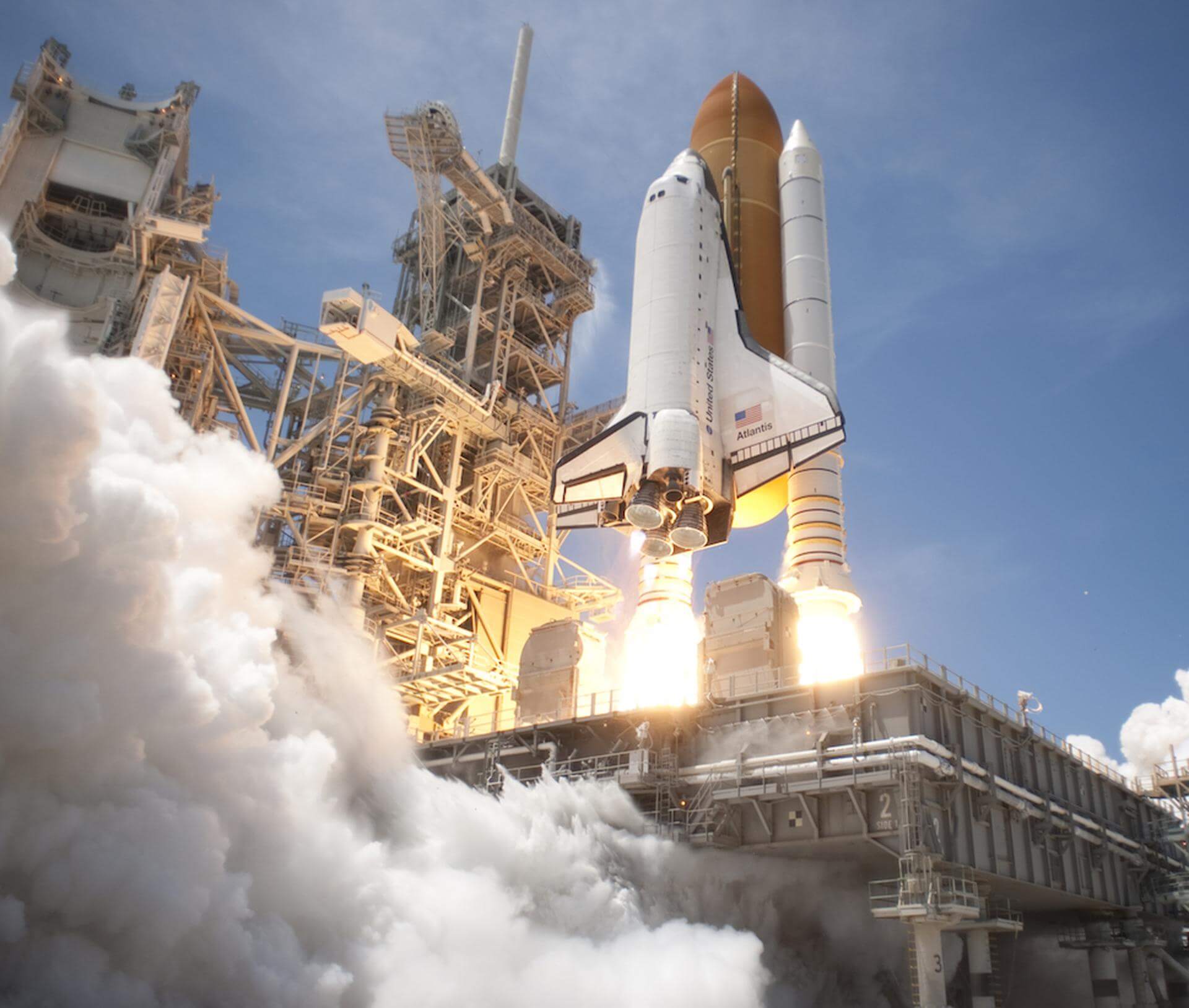
€140M ESA Launcher Funding at Risk of Lapse | KeepTrack Space Brief
Nearly €140 million in ESA launcher development funds faces forfeiture with no replacement mechanism. Europe's independent launch capacity under pressure as Arianespace struggles.


Launch Date
October 22, 1997
Launch Site
ERAS
Launch Pad
RW04/22
Launch Vehicle
Pegasus XL
NORAD ID
25014
International Designator
1997-063B
Decay Date
11/30/1999
Name
PEGASUS R/B
Alternative Name
Pegasus F18 Stage 3
Type
Status
Owner
OSCC
Country
United States
Constellation
N/A
Related Satellites
Major Events
N/A
Length
1.4
Diameter
1
Span
2
Dry Mass
202
Launch Mass
202
Shape
Cyl
Radar Cross Section
1.6621
Visual Magnitude
Unknown
Color
Unknown
Material Composition
Unknown
Payload
Orion 38
Purpose
Unknown
Mission
Unknown
Manufacturer
OSCC/ATKH
Life Expectancy
Unknown
Bus
Orion 38
Configuration
Unknown
Motor
Unknown
Equipment
Unknown
Power System
Unknown
ADCS
Unknown
Transmitter Frequency
Unknown
Learn more about satellites and other related topics.
Nearly €140 million in ESA launcher development funds faces forfeiture with no replacement mechanism. Europe's independent launch capacity under pressure as Arianespace struggles.
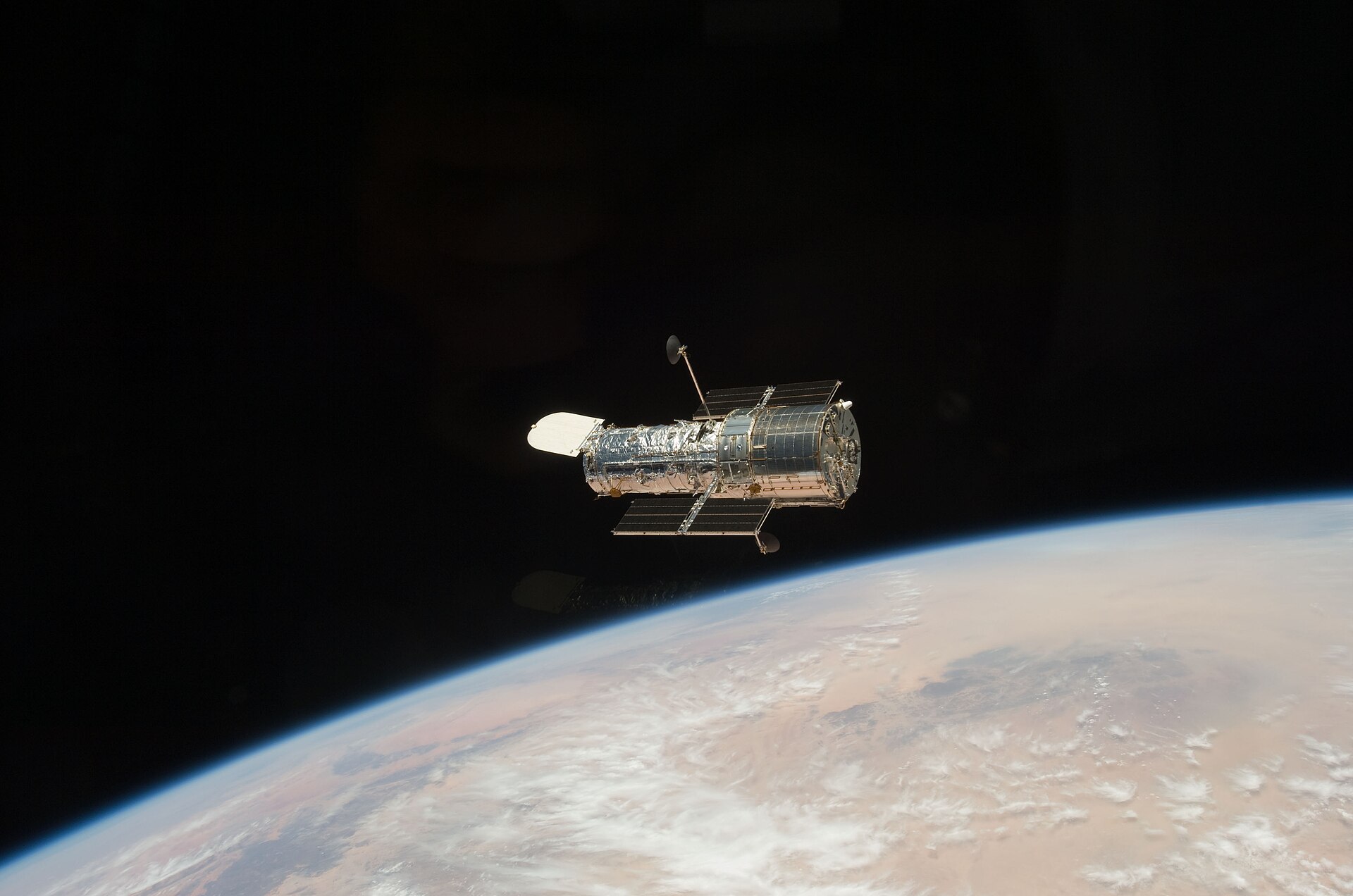
On April 25, 1990, the Space Shuttle Discovery's robotic arm lifted a 11,110-kilogram barrel of mirrors and instruments out of the payload bay and released it into orbit. Six weeks later, the first images came back badly out of focus. The Hubble Space Telescope had been ground to the wrong prescription, and America had just spent $2.5 billion on what the press was calling a 'technoturkey.'

Today's focus: Sidus Space's new AI edge computer, Space Force's dynamic operations initiative, and key Pentagon acquisition reforms.
Today's brief covers the first astronaut with a disability preparing for the ISS mission, SpaceX’s recent Starlink launch, funding breakthroughs for satellite tech company K2 Space, and updates on the Artemis program's challenges.
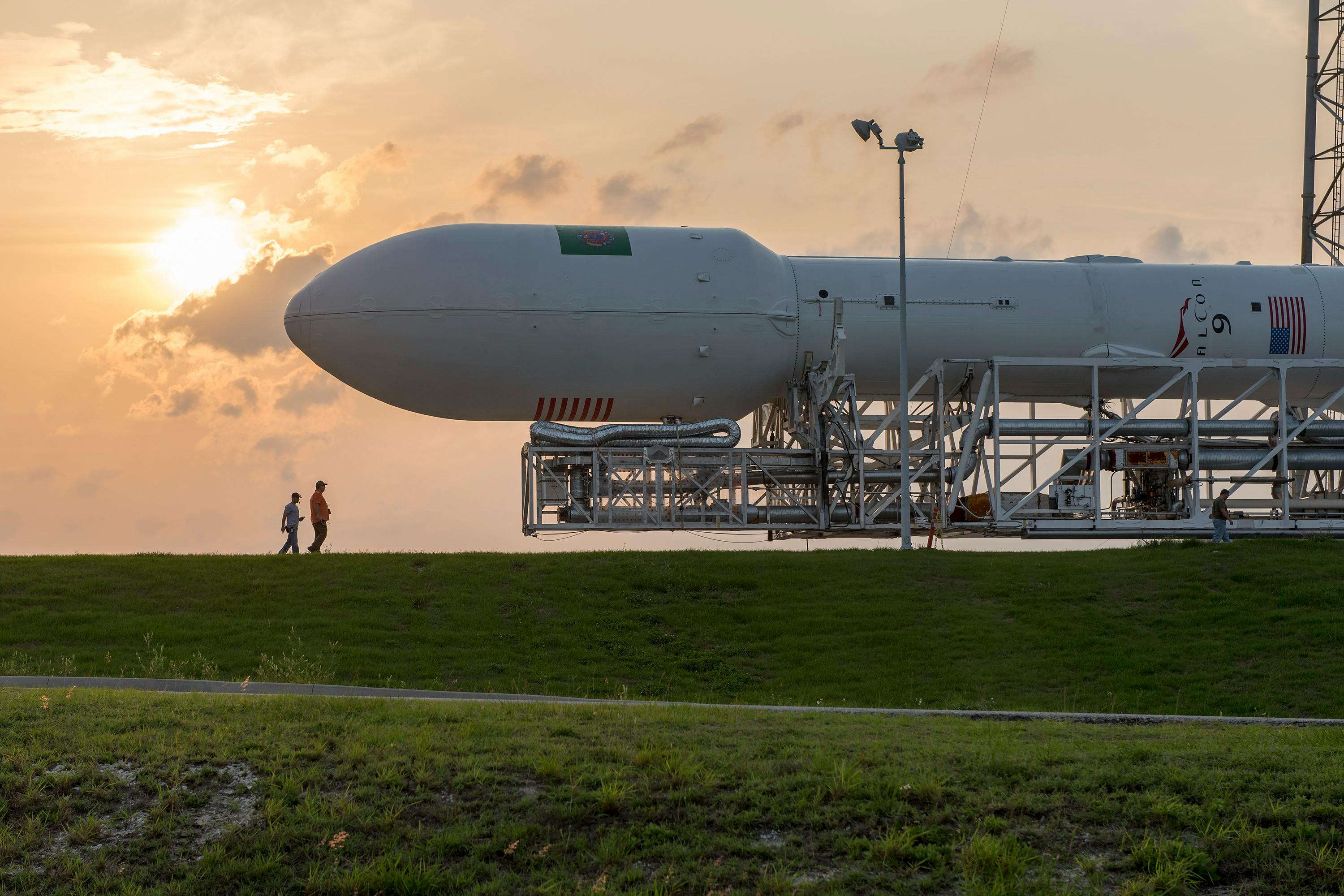
Today's Space Brief highlights SpaceX Crew-8's return, Intelsat-33e satellite breakup, SpaceX's upcoming Starship tests, and notable launches including China's new mega-constellation.

Katalyst's Link spacecraft passes key testing milestone ahead of June 2026 launch to rescue NASA's $500M SPARCS telescope. In-space servicing mission will create trackable conjunction risk during approach and docking phase.

Pentagon selects SpaceX and xAI for $100M autonomous drone competition. Two Falcon 9 rockets launch Starlink sats from California and Florida. 11,215 total Starlink satellites launched.
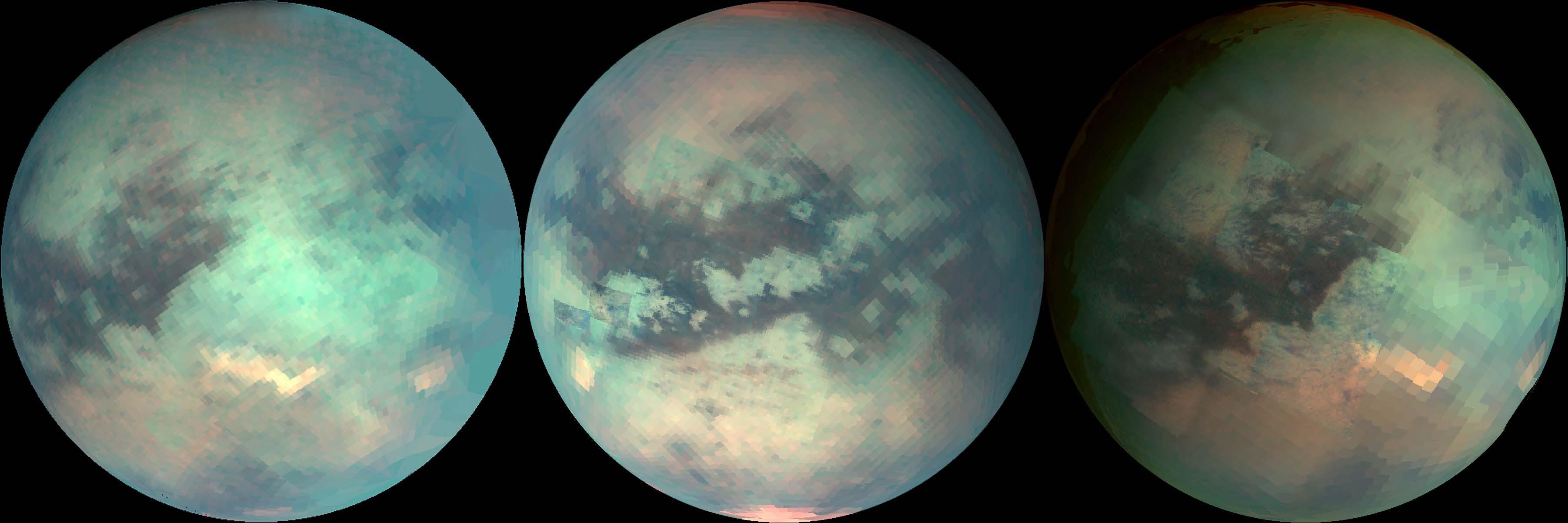
Cassini's Titan T-115 encounter marked the moment the spacecraft stopped looking down and started looking sideways, trading one type of science for another as it entered the final chapter of an iconic mission.