


Rocket Lab Wins $190M Pentagon Hypersonic Contract | KeepTrack Space Brief
Rocket Lab secures $190M Pentagon deal for 20 hypersonic test flights over 4 years using Electron. Five missions annually trackable via Space-Track.


![CZ-2C DEB [DISPENSER] Satellite Image](/images/sat/deb4.jpg)
Launch Date
September 1, 1997
Launch Site
TAISC
Launch Pad
LC7
Launch Vehicle
Chang Zheng 2C-III/SD
NORAD ID
24927
International Designator
1997-048C
Decay Date
1/6/1998
Name
CZ-2C DEB [DISPENSER]
Alternative Name
Smart Dispenser
Type
Status
Owner
CASC1
Country
China
Constellation
N/A
Related Satellites
Major Events
N/A
Length
0.9
Diameter
2.9
Span
2.9
Dry Mass
550
Launch Mass
675
Shape
Cyl
Radar Cross Section
15.9734
Visual Magnitude
Unknown
Color
Unknown
Material Composition
Unknown
Payload
CZ-2C SD
Purpose
Unknown
Mission
Unknown
Manufacturer
CALT
Life Expectancy
Unknown
Bus
CZ-2C SD
Configuration
Unknown
Motor
FG-47
Equipment
Unknown
Power System
Unknown
ADCS
Unknown
Transmitter Frequency
Unknown
Learn more about satellites and other related topics.
Rocket Lab secures $190M Pentagon deal for 20 hypersonic test flights over 4 years using Electron. Five missions annually trackable via Space-Track.

NASA delays Artemis 2 for SLS upper stage fix and pad rollback. SpaceX Falcon 9 booster shatters reuse record with 33rd flight. Tory Bruno joins Blue Origin for defense work.
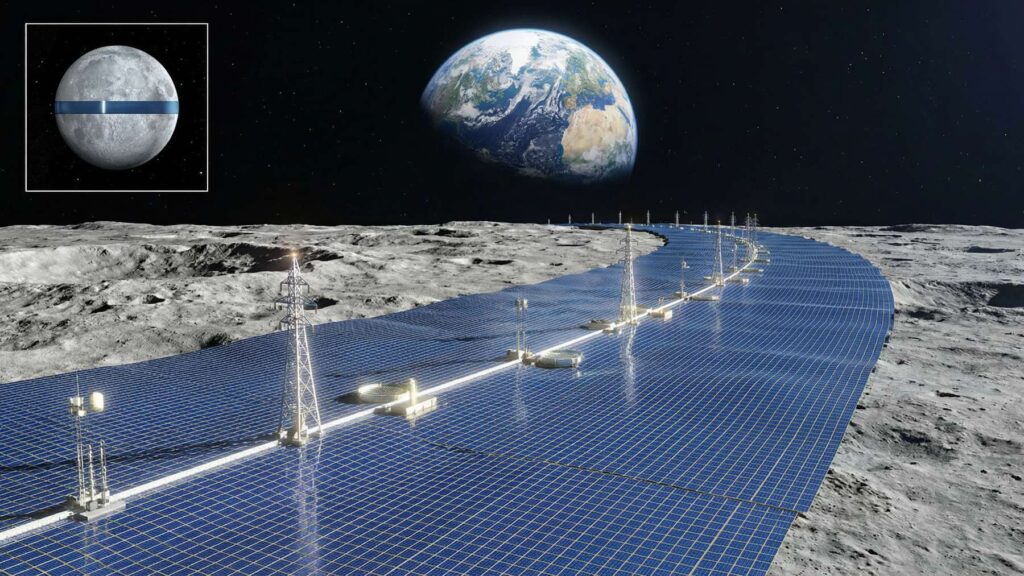
A 220-year-old Japanese construction company wants to build an 11,000-kilometer belt of solar cells around the lunar equator and beam the power back to Earth. The physics checks out. Everything else is another story.
ISS astronauts evacuated to a SpaceX Dragon capsule on June 5 as cosmonauts worked to seal a persistent air leak on the Russian segment.

On May 4, 1989, Space Shuttle Atlantis lifted off from LC-39B carrying Magellan, NASA's first interplanetary mission since 1978. The eleven-year drought ended in a payload bay, and the radar that emerged would map ninety-eight percent of Venus through clouds that no camera could ever see through.

Key updates today focus on SpaceX's latest satellite launch for the U.S. military, critical space resource assessments by the U.S. Space Force, and new developments in space infrastructure and equipment for defense operations.
SpaceX's Crew-10 astronauts are set to return to Earth, while Impulse Space takes strides in spacecraft capabilities. Additionally, SpaceX prepares to launch 24 Amazon Project Kuiper satellites.
Key developments in the space sector include new partnerships for satellite surveillance, strategic shifts from the Defense Department impacting weather forecasting, and the Space Force's focus on agile satellite technologies.