

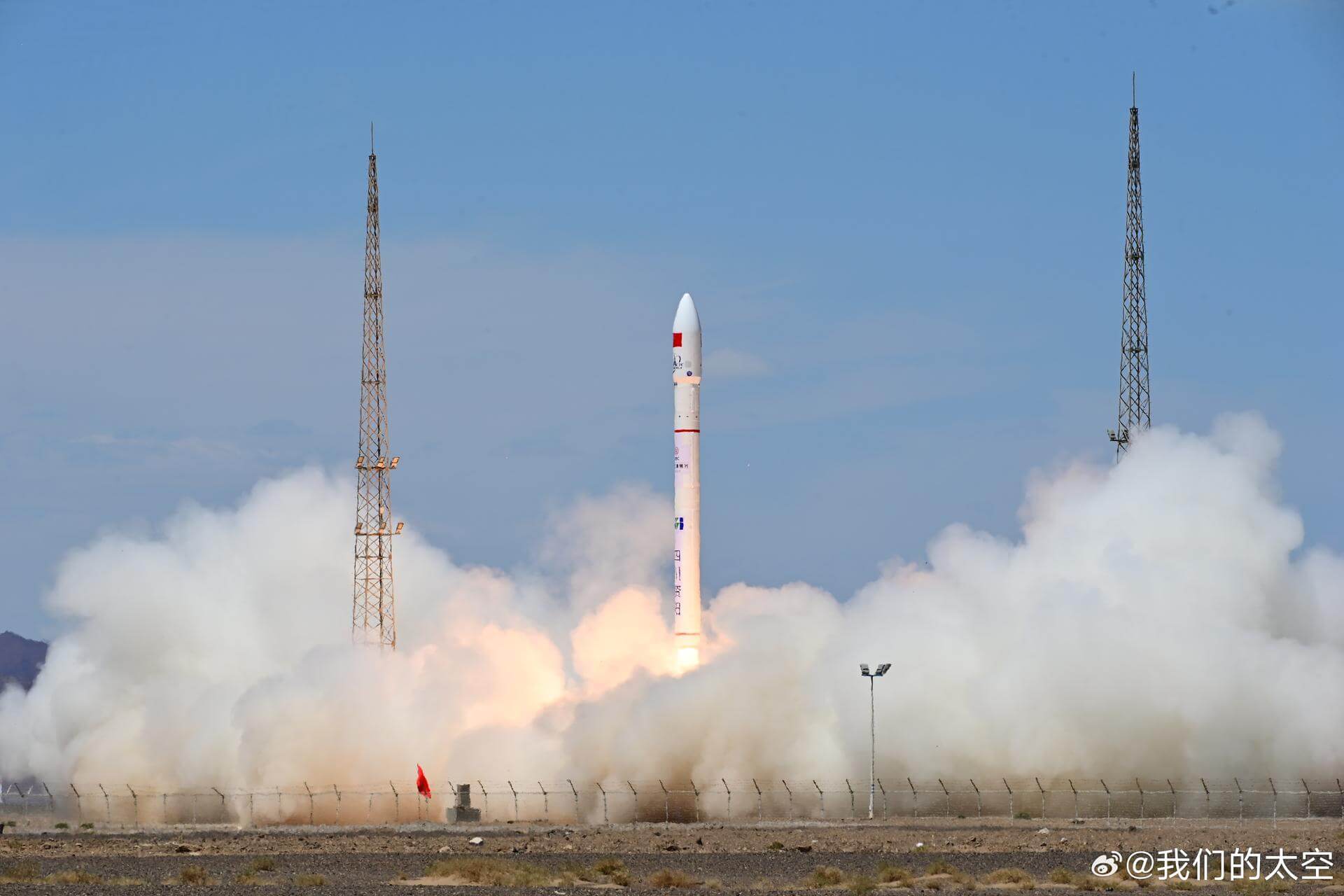
Space Brief 5 Mar 2025
Today's brief covers developments in US military space initiatives, advancements in missile technology, and notable military contractor activities.


Launch Date
August 19, 1997
Launch Site
XICLF
Launch Pad
LC2
Launch Vehicle
Chang Zheng 3B
NORAD ID
24902
International Designator
1997-042B
Decay Date
12/17/1997
Name
CZ-3B R/B
Alternative Name
CZ-3B Y2 Stage 3
Type
Status
Owner
CASC1
Country
China
Constellation
N/A
Related Satellites
Major Events
N/A
Length
12.4
Diameter
3
Span
12.4
Dry Mass
2800
Launch Mass
8600
Shape
Cyl
Radar Cross Section
25.12
Visual Magnitude
Unknown
Color
Unknown
Material Composition
Unknown
Payload
CZ-3B Stage 3
Purpose
Unknown
Mission
Unknown
Manufacturer
CALT
Life Expectancy
Unknown
Bus
CZ-3A Stage 3
Configuration
Unknown
Motor
Unknown
Equipment
Unknown
Power System
Unknown
ADCS
Unknown
Transmitter Frequency
Unknown
Learn more about satellites and other related topics.
Today's brief covers developments in US military space initiatives, advancements in missile technology, and notable military contractor activities.
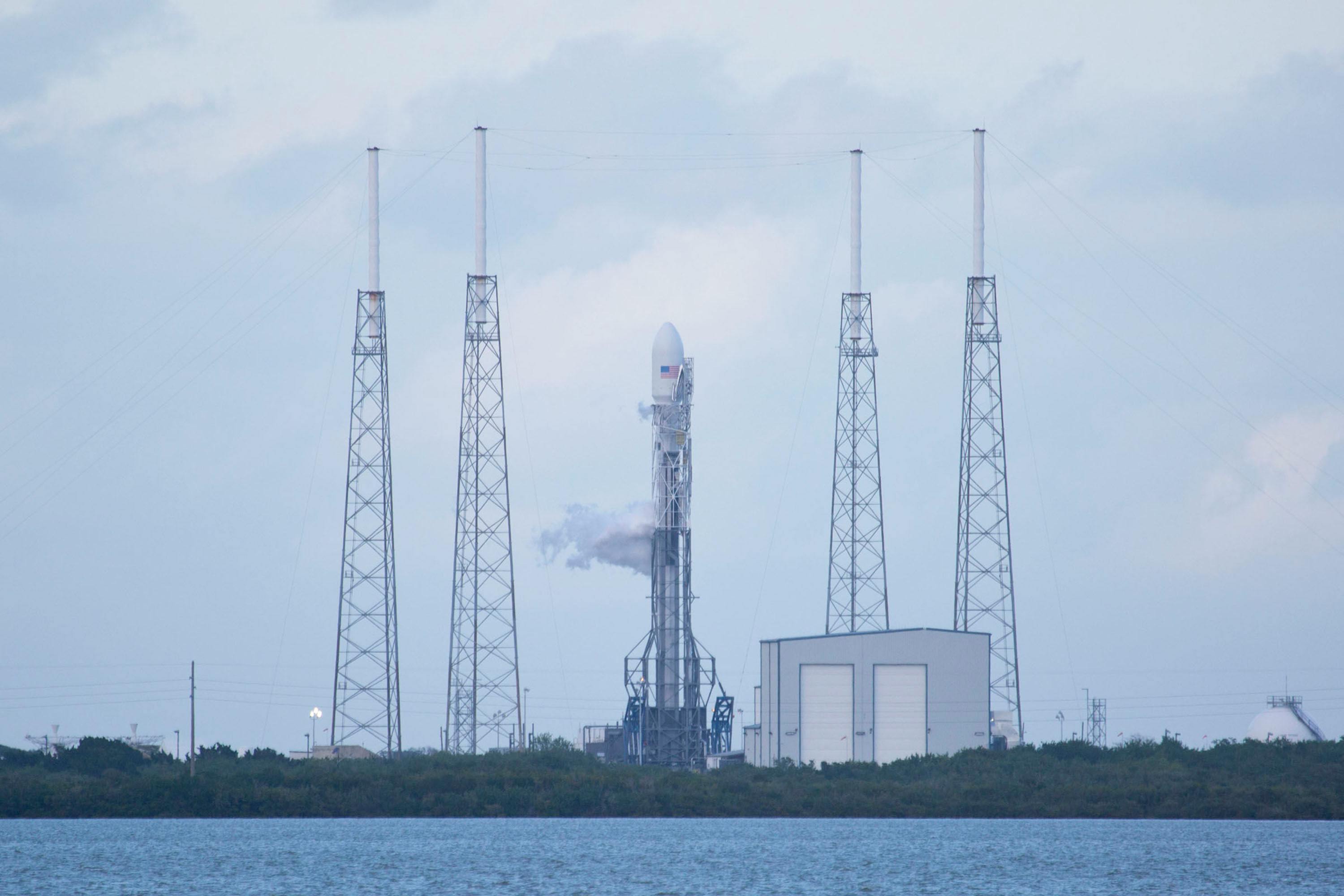
How many Starlink satellites are in orbit in 2026? 10,087 working of 10,097 on orbit, 11,612 launched to date, per KeepTrack data.
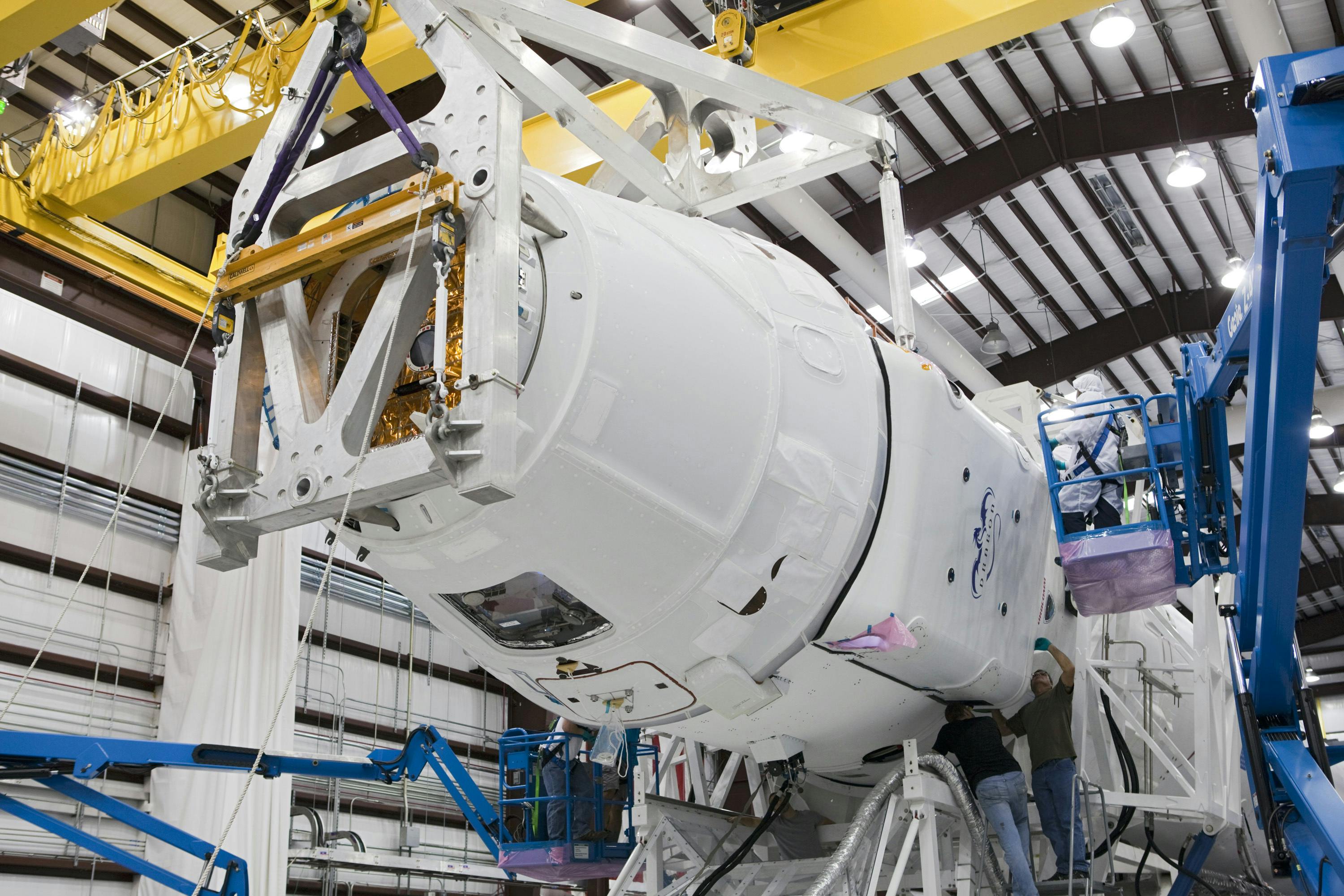
Elon Musk denies Starlink price reductions are driven by Amazon Kuiper competition. SpaceX launches 29 Starlink satellites in 18th constellation mission of 2026. Five more coming this week.
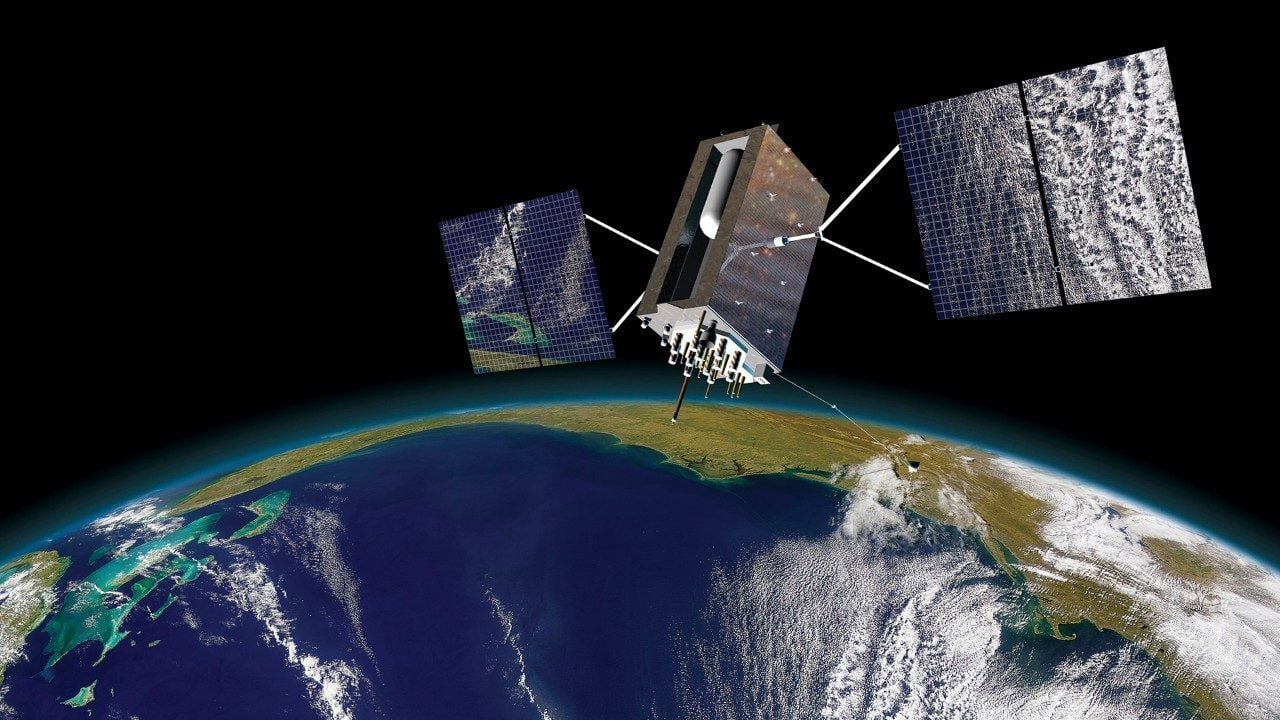
On April 17, 2026, the U.S. Space Force officially cancelled the Next Generation Operational Control System after sixteen years of development, cost overruns, and testing failures. The $8 billion program was supposed to unlock the military's encrypted GPS signal. Instead, the satellites are flying with capabilities the ground can't command.
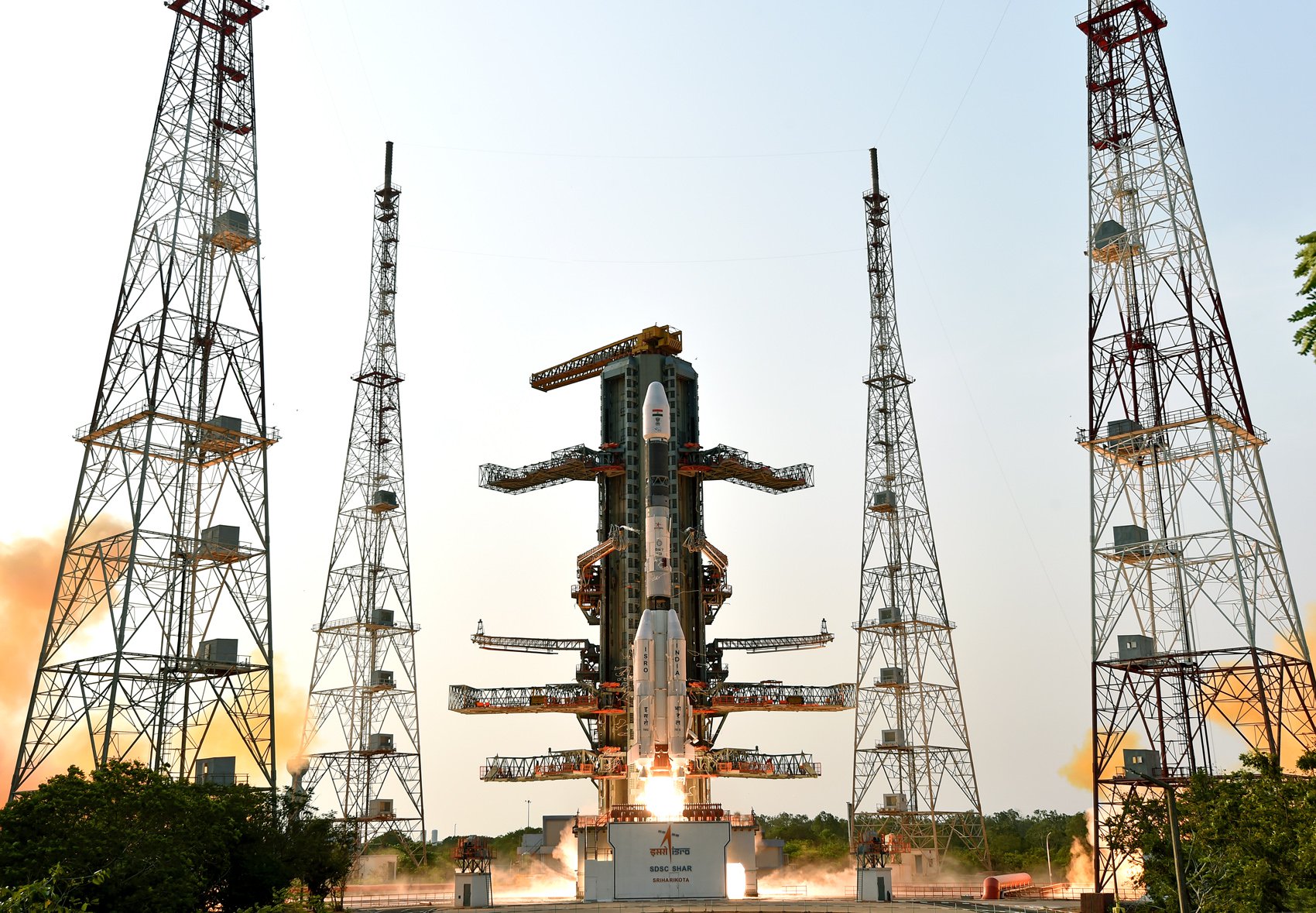
Today's briefing covers Spire Global's new intelligence products, a significant military buildup in the Pacific, Space Force organizational changes, and more.

Today's Space Brief covers major developments including the public debut of Voyager Technologies, advancements in defense by Sierra Space, and Pentagon's mega-constellation challenges. Also featured are new software selections by the Space Force and legislative actions on acquisition pilots.
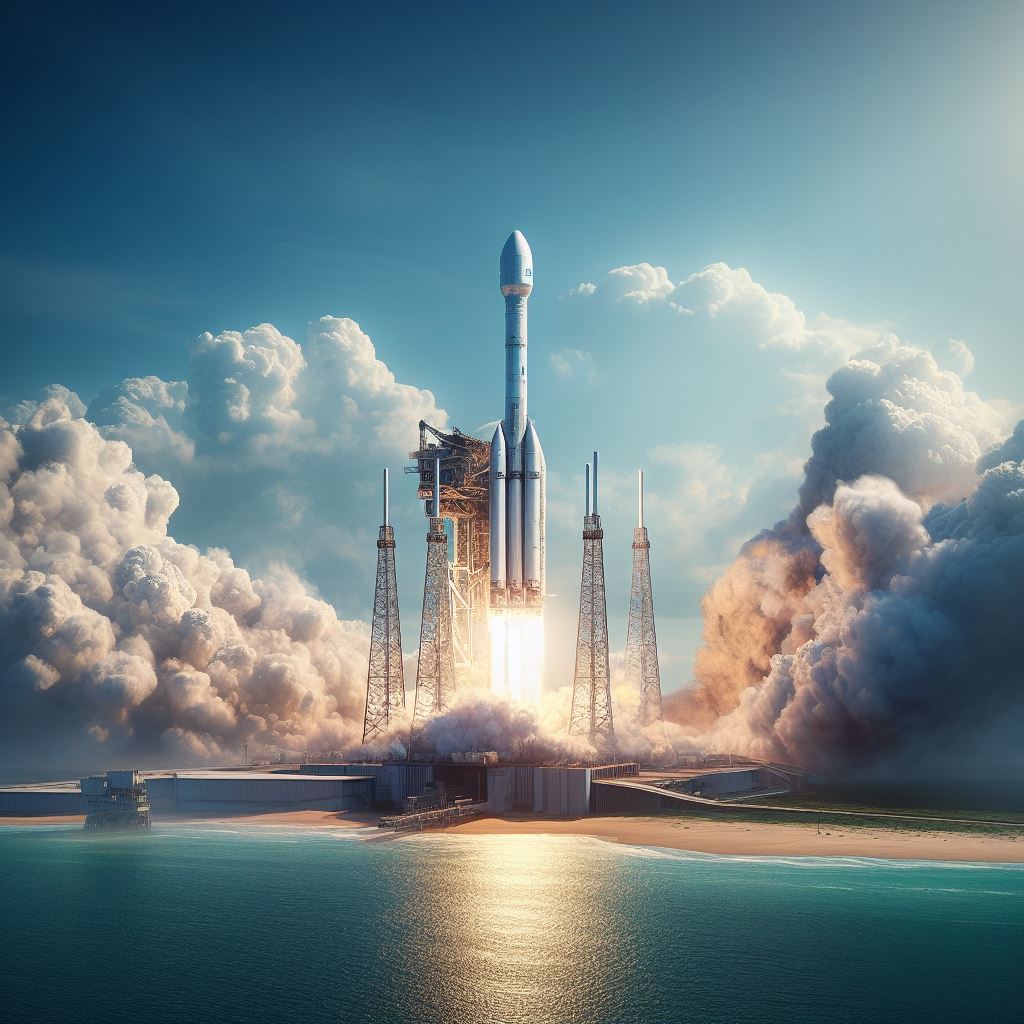
Super heavy-lift rockets are the most powerful launch vehicles ever built. They can send humans and cargo to the Moon, Mars, and beyond. But what are they, and why are they so important?
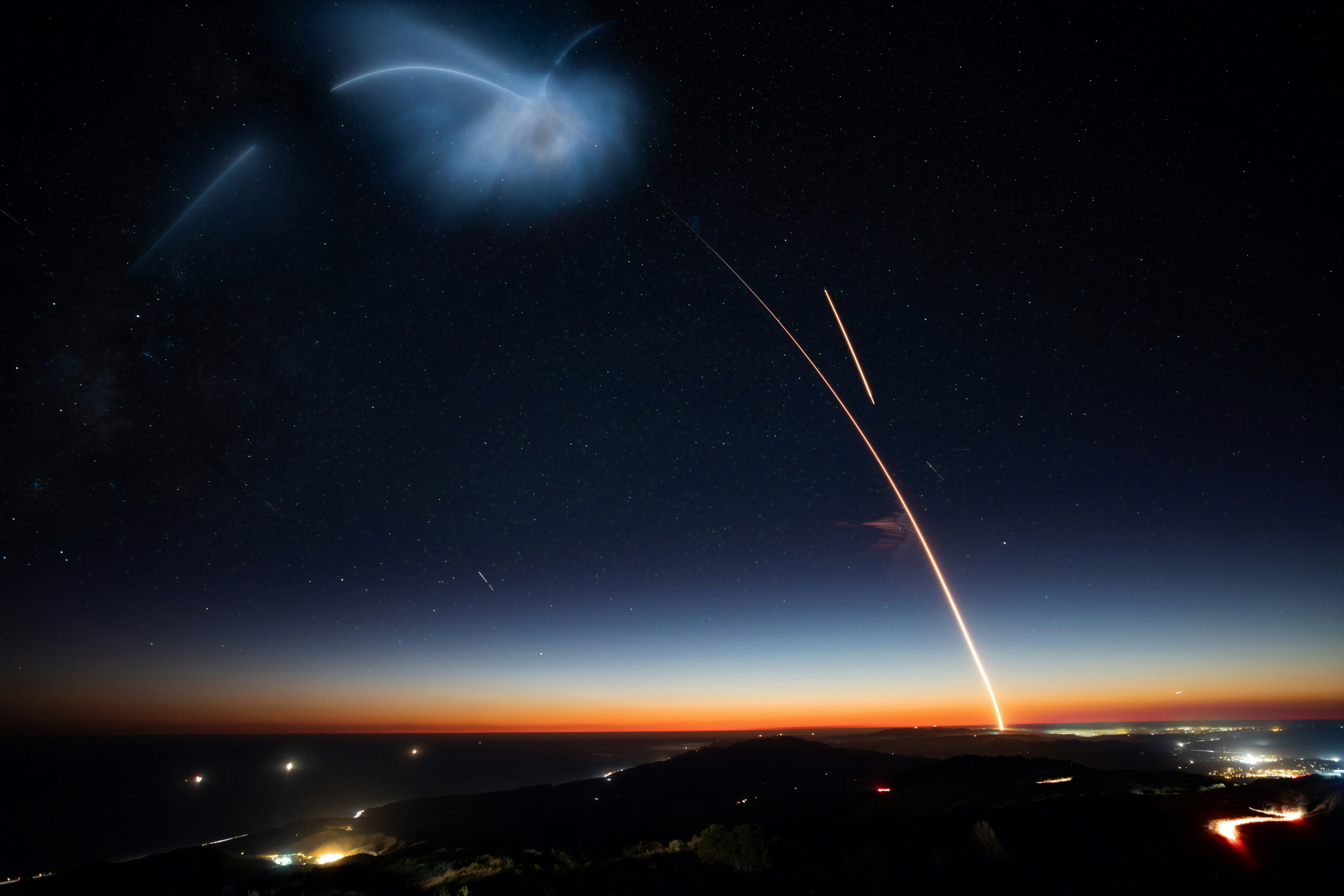
SpaceX successfully launched 24 Starlink satellites aboard a brand-new Falcon 9 rocket. The company aims for five missions this week, bolstering its satellite internet constellation.