


Starship Flight 13 to Debut First Starlink V3 Satellites | KeepTrack X Report
SpaceX readies Starship Flight 13 for July 16 launch to deploy first Starlink V3 satellites as Falcon 9 logs its 600th booster reuse.


Launch Date
August 1, 1997
Launch Site
WRAS
Launch Pad
RW30/12
Launch Vehicle
Pegasus XL
NORAD ID
24883
International Designator
1997-037A
Epoch
Fri, 03 Jul 2026 17:56:44 GMT
Apogee
Calculating...
Perigee
Calculating...
Inclination
98.87°
Right Ascension
352.23°
Eccentricity
Calculating...
Argument of Perigee
83.48°
Period
100.31 min
Mean Motion
14.36 rev/day
Latitude
Calculating...
Longitude
Calculating...
Altitude
Calculating...
Velocity
Calculating...
Name
ORBVIEW 2 (SEASTAR)
Alternative Name
OrbView-2
Type
Status
Owner
ORBI
Country
United States
Constellation
N/A
Related Satellites
Major Events
N/A
1 24883U 97037A 26184.74773958 .00000288 00000-0 11620-3 0 9993
2 24883 98.8703 352.2268 0003318 83.4784 276.6779 14.35562371525125
Source: Celestrak
Length
2.5
Diameter
1.2
Span
4.3
Dry Mass
241
Launch Mass
309
Shape
Hex Cyl + 4 Pan
Radar Cross Section
2.6748
Visual Magnitude
Unknown
Color
Unknown
Material Composition
Unknown
Payload
Seastar
Purpose
Earth observation
Mission
Earth observation
Manufacturer
OSCG
Life Expectancy
5 years (planned); 13 years (achieved)
Bus
Pegastar
Configuration
PegaStar
Motor
?
Equipment
SeaWiFS
Power System
4 deployable fixed solar arrays, batteries
ADCS
Unknown
Transmitter Frequency
Unknown
Learn more about satellites and other related topics.
SpaceX readies Starship Flight 13 for July 16 launch to deploy first Starlink V3 satellites as Falcon 9 logs its 600th booster reuse.

Key developments include Redwire's contract for a US Space Force mission, UK's steps toward its first orbital launch, and a detailed military satellite spotlight.
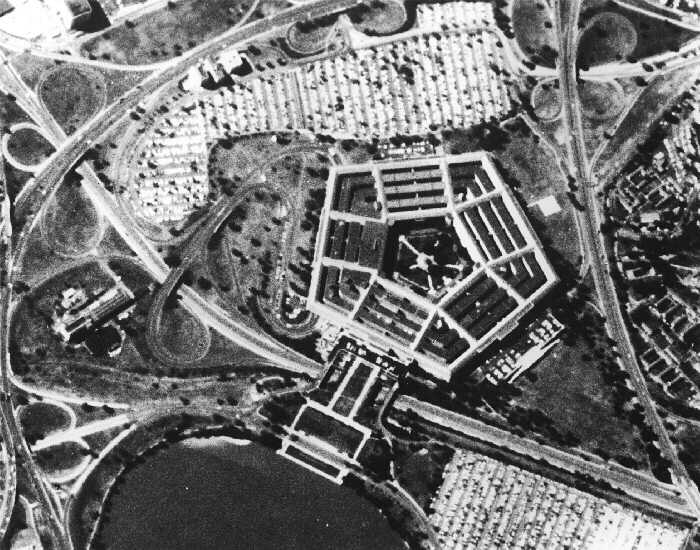
Sixty-three years ago, a Thor-Agena rocket launched the first dual-camera reconnaissance satellite, revolutionizing space-based intelligence while hiding behind the final use of a famous cover name

SpaceX successfully launched the NROL-48 mission, growing the National Reconnaissance Office's satellite fleet. Additionally, NASA introduced ten new astronaut candidates, increasing female representation in its ranks.
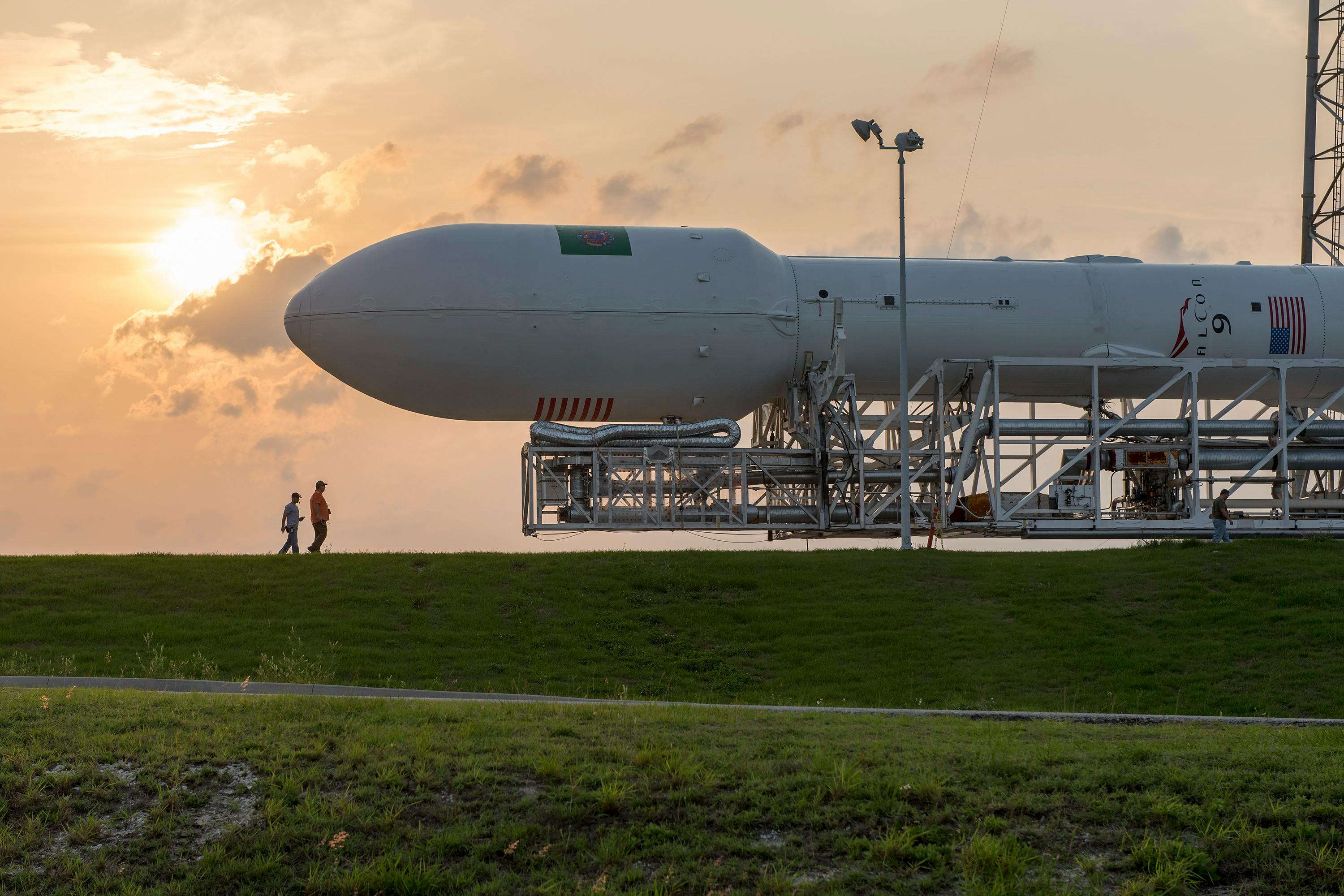
SpaceX's Falcon 9 delivered Northrop Grumman's second Cygnus XL — carrying over 5 tons of cargo — to the ISS on April 11, 2026.
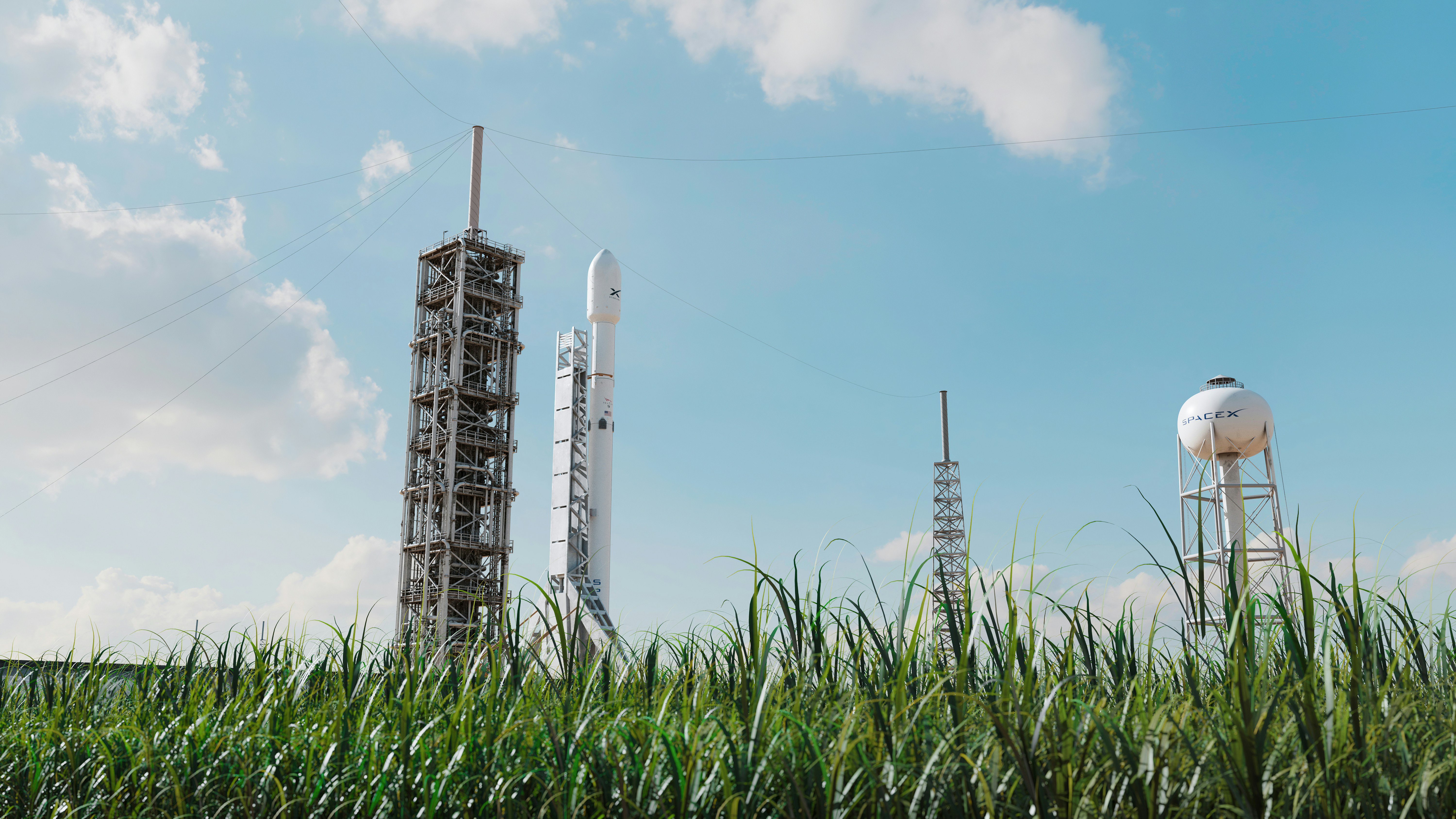
SpaceX faces a setback with a Falcon 9 upper stage reentry issue, while NASA selects SpaceX for a new mission. Starlink expansions continue with multiple satellite launches.

Forty-one years ago, astronaut Bruce McCandless II became the first human to float completely free in space, pushing the boundaries of both technology and human courage

Understanding the high and low points of every orbit - from the International Space Station's careful dance with Earth's atmosphere to the extreme ellipses that take satellites to the edge of space and back.