


Space Brief 28 Dec 2025
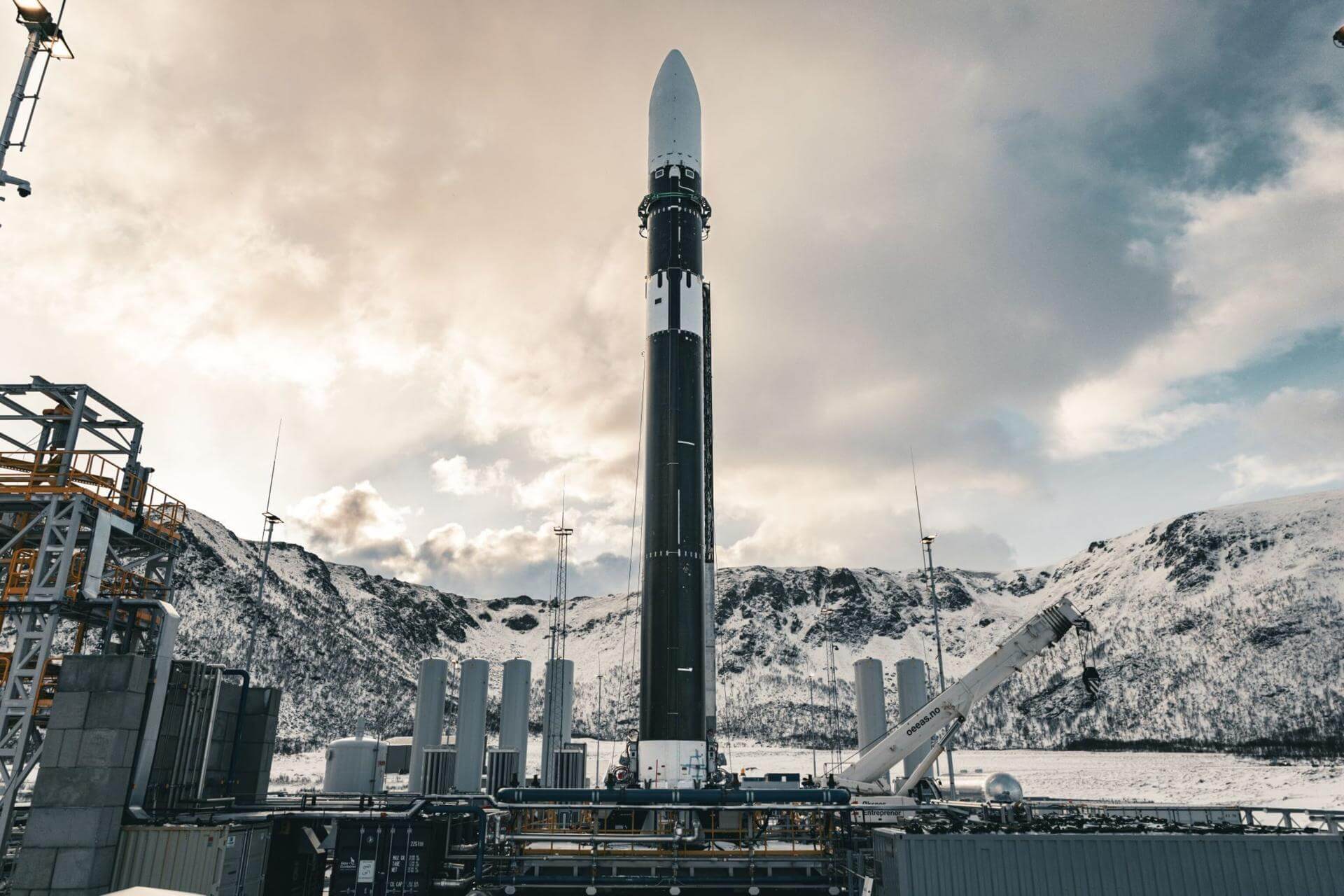
Exploring the future of space with concerns on space debris, rapid growth in orbital data centers, and new developments at launch sites.


Launch Date
June 10, 1997
Launch Site
XICLF
Launch Pad
LC3
Launch Vehicle
Chang Zheng 3
NORAD ID
24834
International Designator
1997-029A
Epoch
Fri, 03 Jul 2026 18:12:02 GMT
Apogee
Calculating...
Perigee
Calculating...
Inclination
15.66°
Right Ascension
5.97°
Eccentricity
Calculating...
Argument of Perigee
238.62°
Period
1499.19 min
Mean Motion
0.96 rev/day
Latitude
Calculating...
Longitude
Calculating...
Altitude
Calculating...
Velocity
Calculating...
Name
FENGYUN 2A
Alternative Name
Feng Yun 2A
Type
Status
Owner
NSMC
Country
China
Constellation
N/A
Related Satellites
Major Events
N/A
1 24834U 97029A 26184.75835690 -.00000212 00000-0 00000-0 0 9998
2 24834 15.6608 5.9716 0104104 238.6172 127.1228 0.96051973103564
Source: Celestrak
Length
3
Diameter
2.1
Span
3
Dry Mass
600
Launch Mass
651
Shape
Cyl + Ant
Radar Cross Section
20
Visual Magnitude
Unknown
Color
Unknown
Material Composition
Unknown
Payload
FY-2 01 xing
Purpose
Meteorology
Mission
Meteorology
Manufacturer
SISE
Life Expectancy
Unknown
Bus
FY-2
Configuration
Unknown
Motor
Shanxi AKM
Equipment
Unknown
Power System
Solar cells, batteries
ADCS
Unknown
Transmitter Frequency
Unknown
Learn more about satellites and other related topics.
Exploring the future of space with concerns on space debris, rapid growth in orbital data centers, and new developments at launch sites.

SpaceX continues to push forward with its ambitious plans as the FAA investigates Starship debris reports, while Starlink maintains robust satellite operations.

Today's brief covers Blue Origin's launch delay, SpaceX's upcoming Starlink mission, and highlights the YAOGAN-43 O1C satellite.
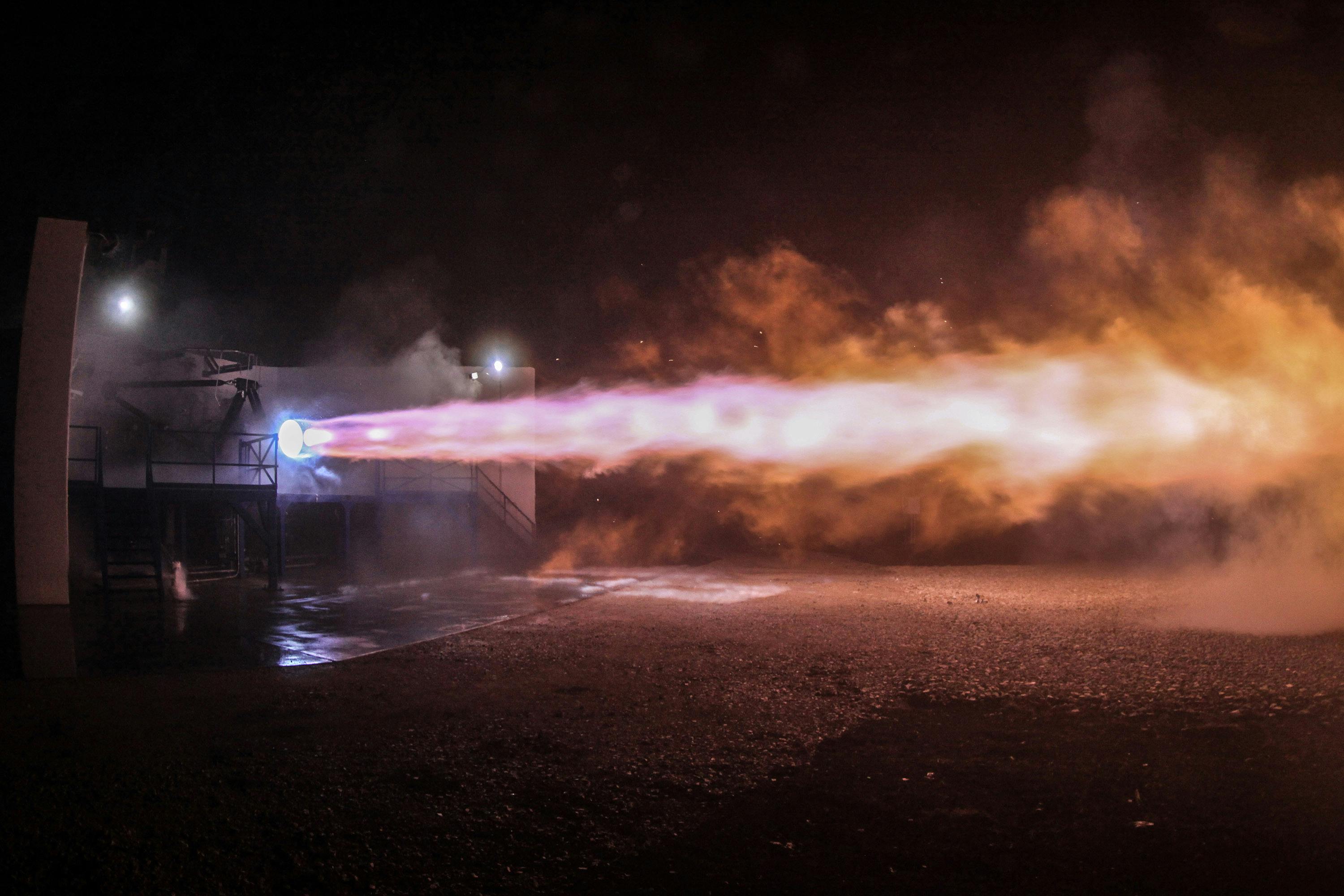
SpaceX's Crew-10 astronauts are set to return to Earth after a five-month mission, while the company prepares for the launch of 24 new Starlink satellites from Vandenberg Space Force Base.
Today's briefing covers China's rapid satellite launch activities, new Pentagon contracts for rocket motors, the Dream Chaser spaceplane's upcoming flight, and more.

SpaceX's Falcon Heavy lifts off for the 12th time after 18 months grounded, delivering the final ViaSat-3 satellite from LC-39A at 10:21 a.m. EDT.

Space Force projects ~1,000 launches between FY2027–FY2031, averaging 200 annually. DAF study concludes new launch site is "probably" required to absorb cadence.
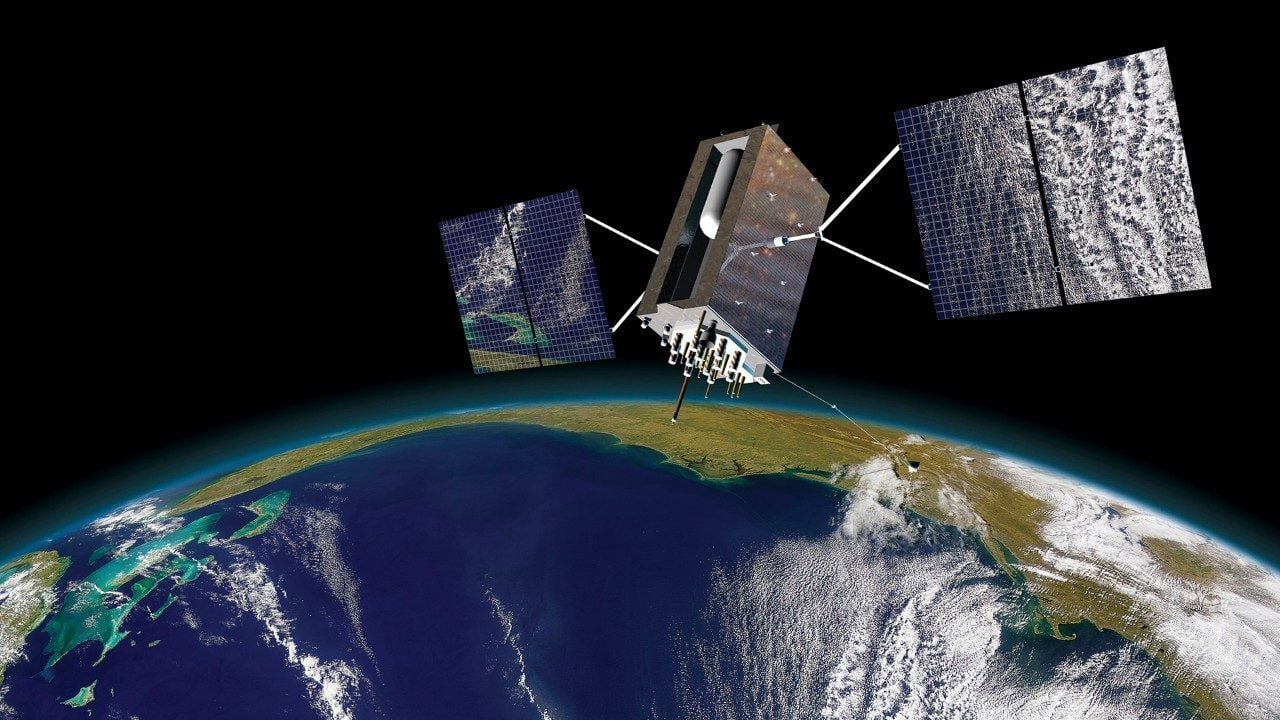
On April 17, 2026, the U.S. Space Force officially cancelled the Next Generation Operational Control System after sixteen years of development, cost overruns, and testing failures. The $8 billion program was supposed to unlock the military's encrypted GPS signal. Instead, the satellites are flying with capabilities the ground can't command.