


X Report 10 Mar 2025
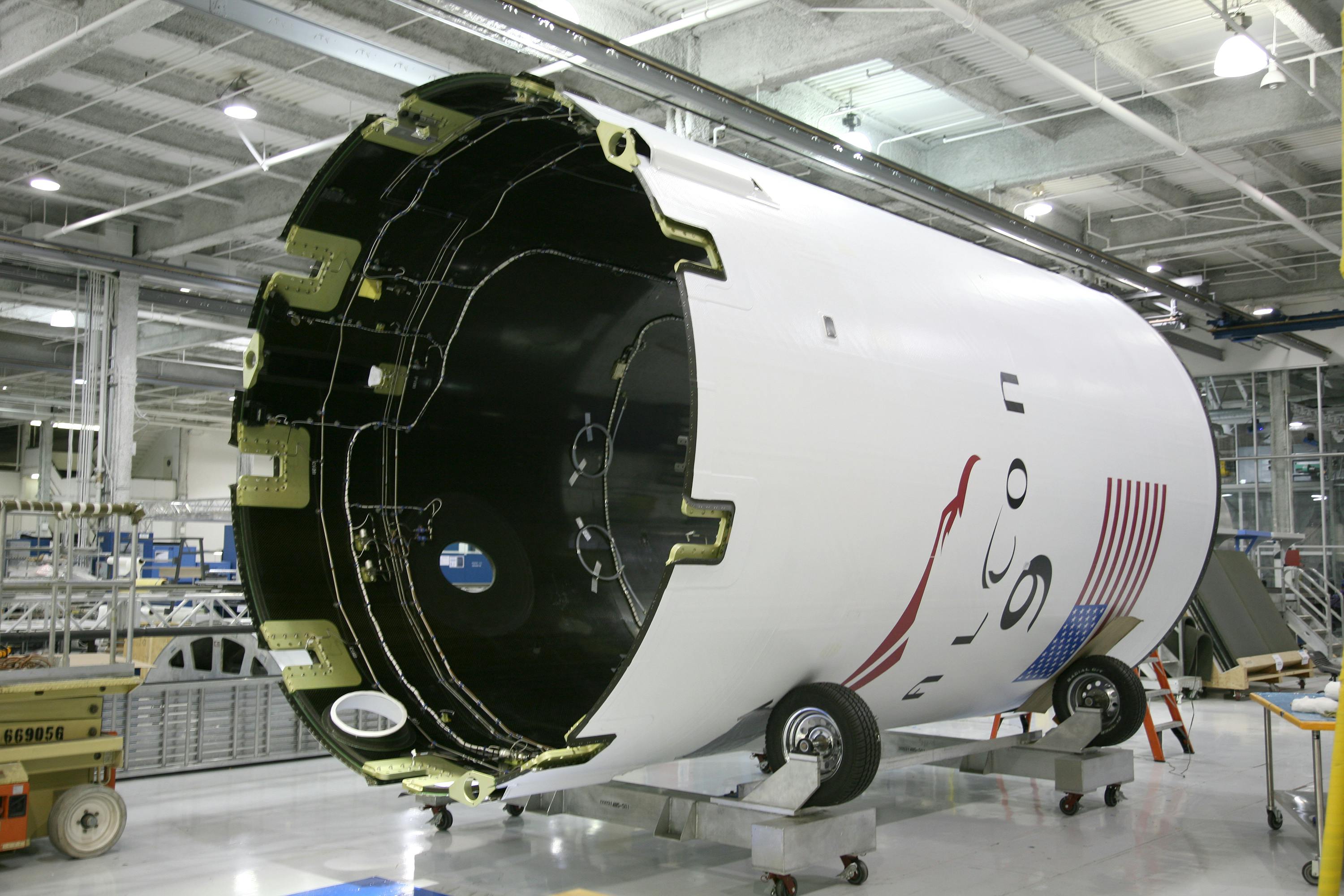
SpaceX plans first Starship launch from Florida, and prepares for NASA’s SPHEREx and PUNCH missions from Vandenberg.


Launch Date
May 20, 1997
Launch Site
Launch Pad
LC17A
Launch Vehicle
Delta 7925
NORAD ID
24809
International Designator
1997-025B
Epoch
Sat, 04 Jul 2026 01:05:50 GMT
Apogee
Calculating...
Perigee
Calculating...
Inclination
26.29°
Right Ascension
204.83°
Eccentricity
Calculating...
Argument of Perigee
154.50°
Period
108.18 min
Mean Motion
13.31 rev/day
Latitude
Calculating...
Longitude
Calculating...
Altitude
Calculating...
Velocity
Calculating...
Name
DELTA 2 R/B(1)
Alternative Name
Delta 243
Type
Status
Owner
BOHB
Country
United States
Constellation
N/A
Related Satellites
Major Events
N/A
1 24809U 97025B 26185.04572909 .00000172 00000-0 26313-4 0 9993
2 24809 26.2916 204.8295 0662201 154.4957 208.9798 13.31056540416252
Source: Celestrak
Length
7
Diameter
2.4
Span
7
Dry Mass
924
Launch Mass
6930
Shape
Cyl + Cone
Radar Cross Section
9.8843
Visual Magnitude
Unknown
Color
Unknown
Material Composition
Unknown
Payload
Delta SSPS AJ-10-118K
Purpose
Unknown
Mission
Unknown
Manufacturer
BOHB
Life Expectancy
Unknown
Bus
Delta/0020
Configuration
Unknown
Motor
Unknown
Equipment
Unknown
Power System
Unknown
ADCS
Unknown
Transmitter Frequency
Unknown
Learn more about satellites and other related topics.
SpaceX plans first Starship launch from Florida, and prepares for NASA’s SPHEREx and PUNCH missions from Vandenberg.
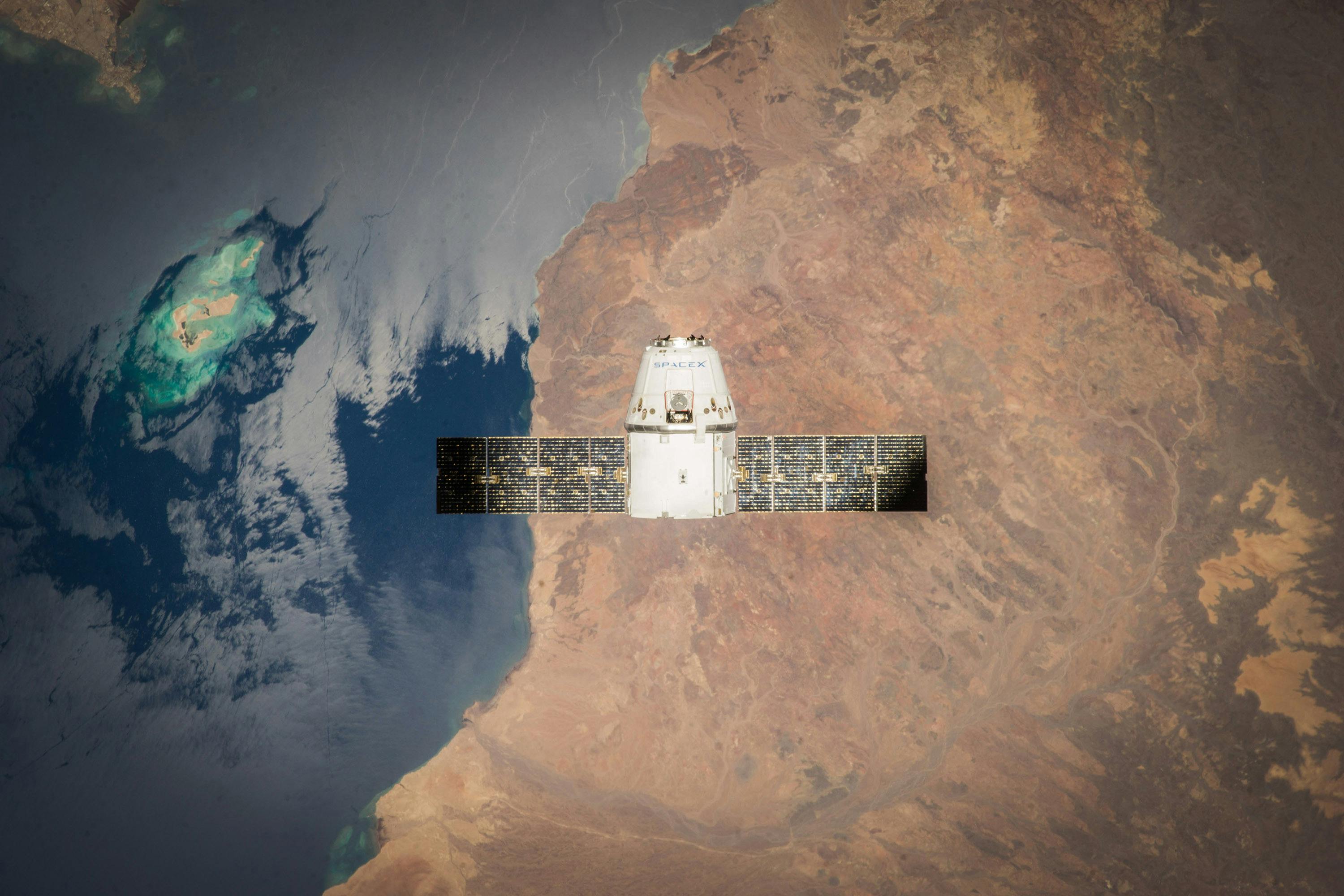
SpaceX celebrates significant milestones with the launch of Falcon 9 and developments in the Starship program, while Elon Musk addresses media narratives surrounding Starlink's humanitarian efforts.
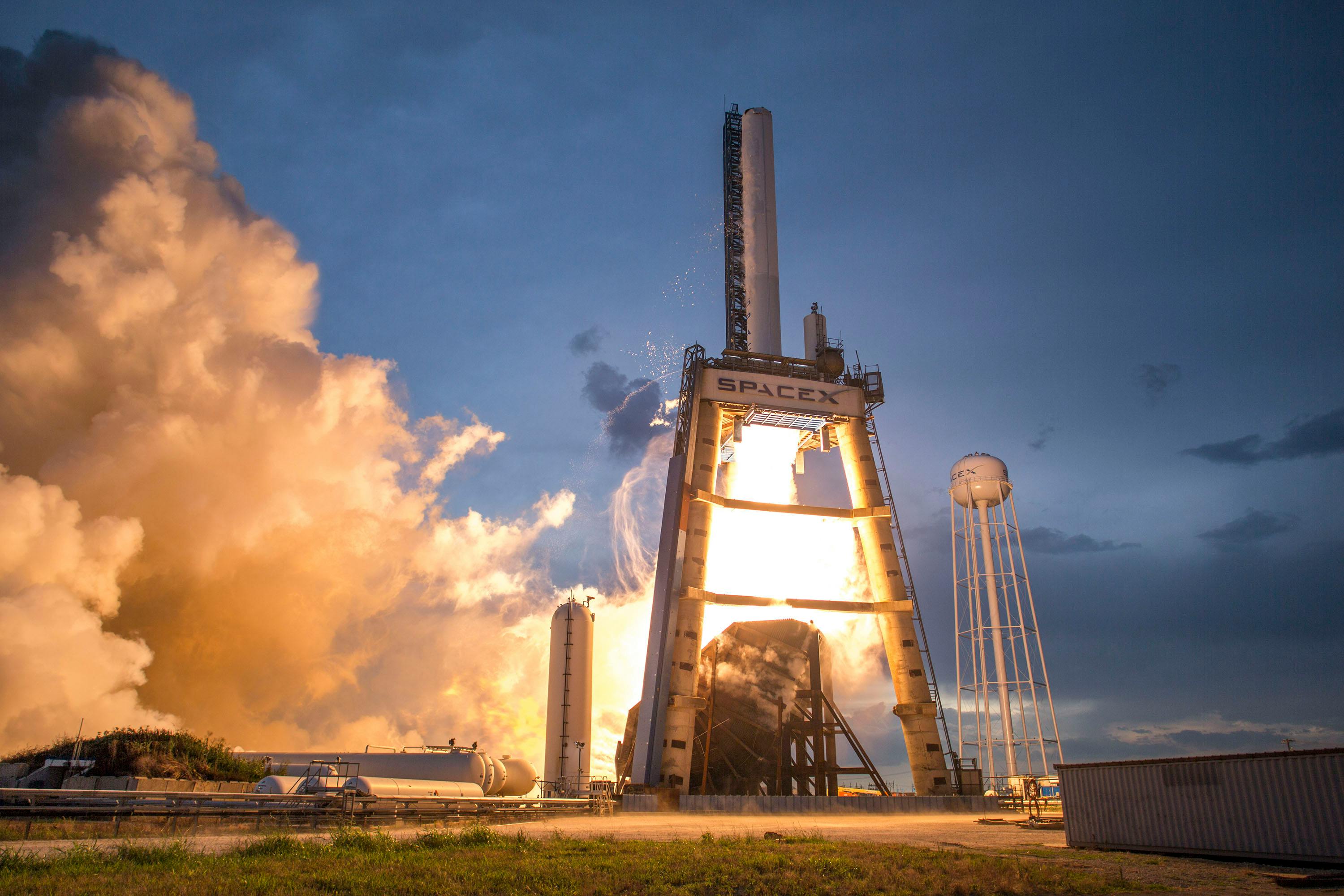
Today's briefing covers Starlink's role in disaster recovery in the Philippines, insights into the evolving direct-to-device market, and news of European plans for a reusable upper stage rocket inspired by SpaceX's Starship.
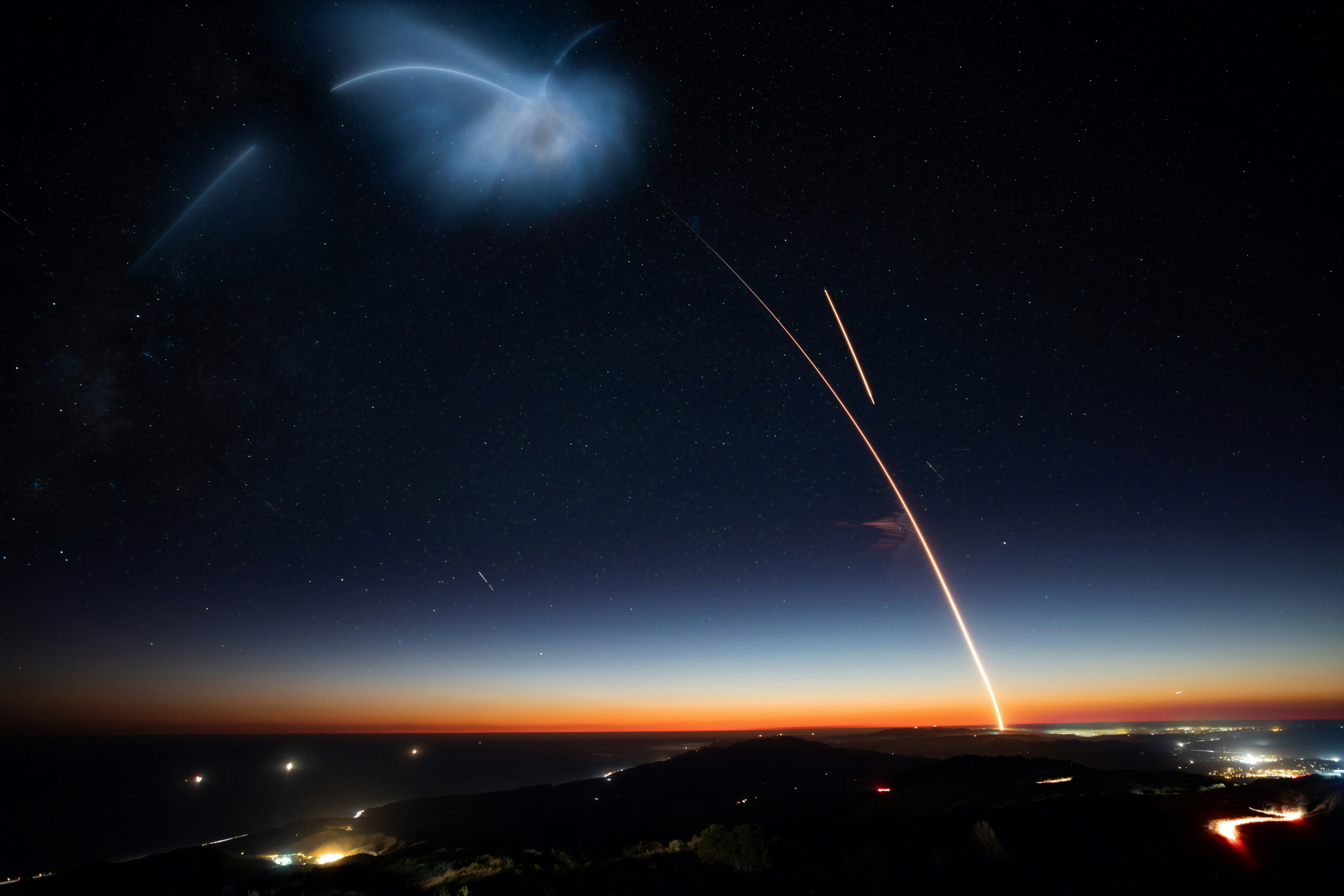
SpaceX successfully launched 28 more Starlink satellites from Cape Canaveral, marking another milestone in its satellite constellation expansion.

Today's highlights include ExoMars' successful parachute test, developments in military satellite systems, and leadership changes at NASA Goddard.
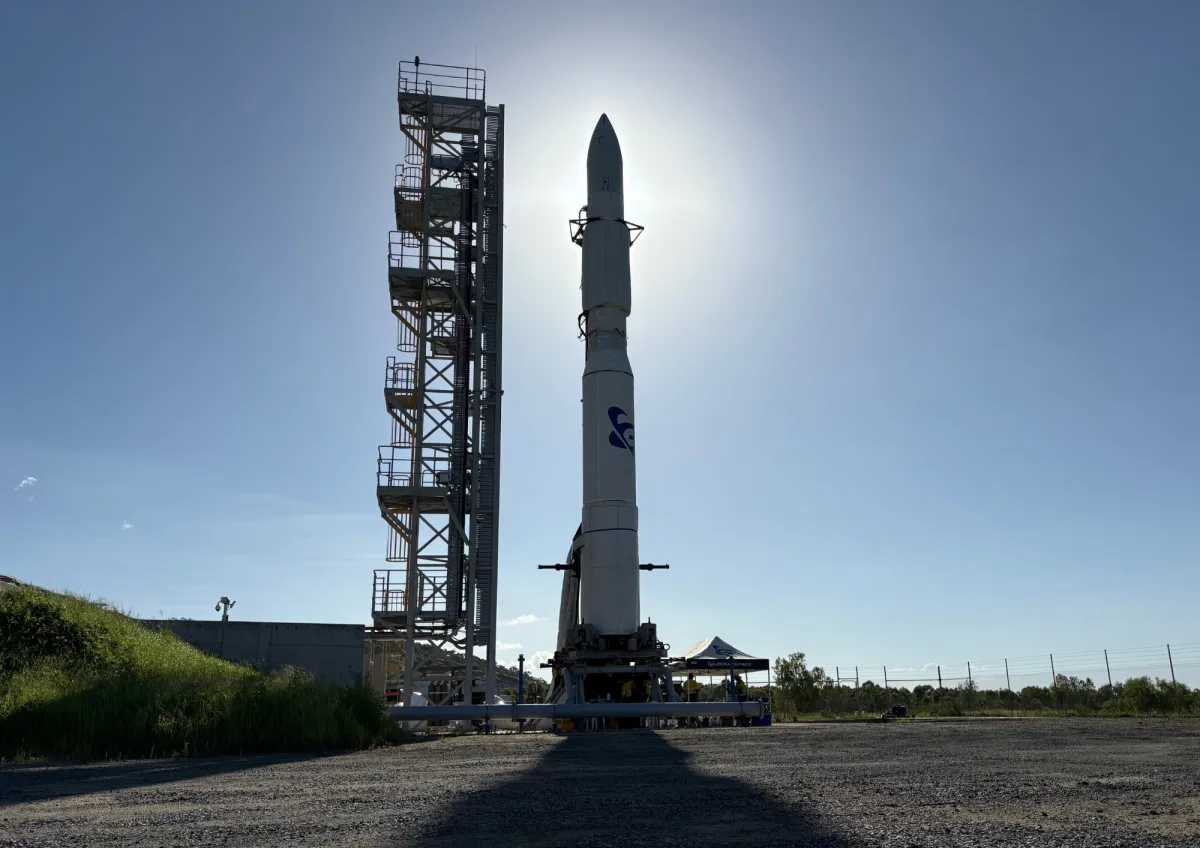
Today's brief covers secret Space Force payloads monitoring China's satellites, collaborations reducing satellite tracking delays, and new AI projects for military operations.

Today's key space events include a milestone Falcon booster landing, advances in US military satellite operations, and a new missile defense initiative.
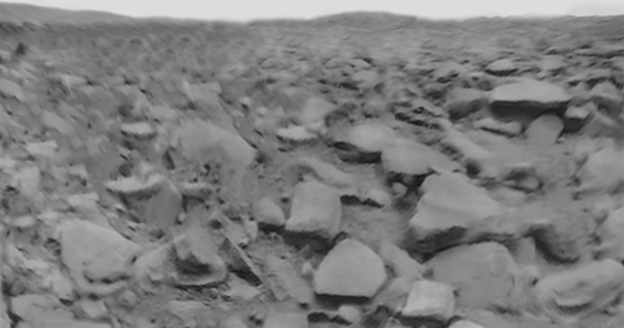
On December 15, 1970, a battered Soviet probe accomplished something no spacecraft had done before - it survived landing on another world and lived to tell about it.