


X Report 7 Oct 2025
SpaceX successfully launched 28 Starlink satellites on October 7, further expanding its broadband constellation while hosting an active launch schedule this week.


Launch Date
May 5, 1997
Launch Site
AFWTR
Launch Pad
SLC2W
Launch Vehicle
Delta 7920-10C
NORAD ID
24794
International Designator
1997-020C
Decay Date
12/23/2017
Name
IRIDIUM 6
Alternative Name
Iridium 6
Type
Status
Owner
IRID
Country
United States
Constellation
N/A
Related Satellites
Major Events
N/A
Length
3.5
Diameter
1
Span
5
Dry Mass
556
Launch Mass
662
Shape
Box + 2 Pan
Radar Cross Section
3.2266
Visual Magnitude
Unknown
Color
Unknown
Material Composition
Unknown
Payload
Iridium SV006
Purpose
Communication
Mission
Communication
Manufacturer
MOTO/LMMS
Life Expectancy
8 years
Bus
LM700
Configuration
LM-700A
Motor
?
Equipment
?
Power System
2 deployable solar arrays, batteries
ADCS
Unknown
Transmitter Frequency
Unknown
Learn more about satellites and other related topics.
SpaceX successfully launched 28 Starlink satellites on October 7, further expanding its broadband constellation while hosting an active launch schedule this week.
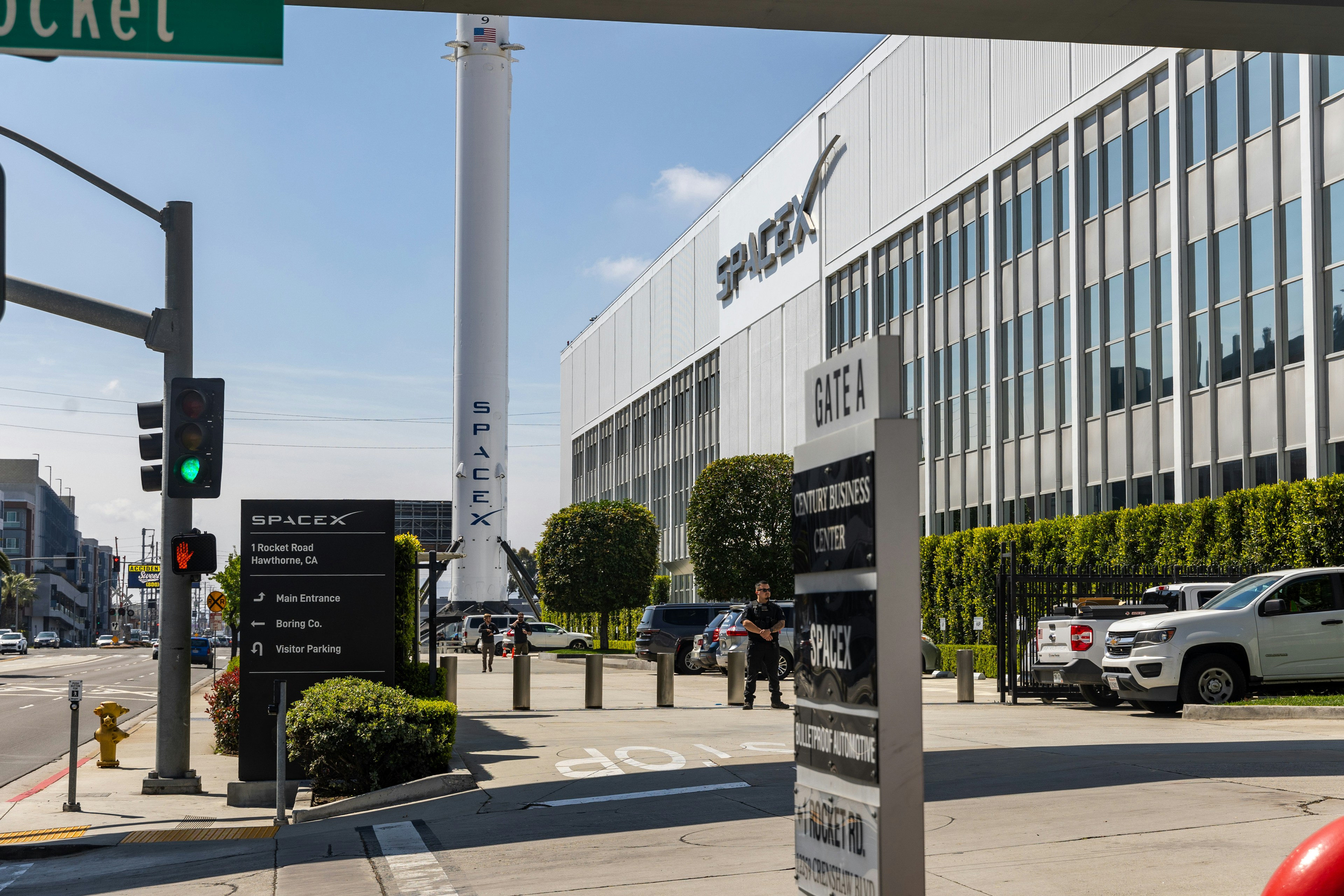
SpaceX continues to make strides with its Starship program while successfully launching another batch of Starlink satellites into orbit, enhancing global internet coverage.

SpaceX military contract: $57M to demo Link-182 waveform satellite crosslinks for Golden Dome missile defense. FCC denies its spectrum bid.

SpaceX successfully launches 21 Starlink satellites from Florida, marking another milestone in its satellite internet constellation. The Falcon 9 rocket was also successfully recovered at sea.

Key military and technology developments in space; US Space Force and Army strategize national security with new rocket certifications and space training initiatives.
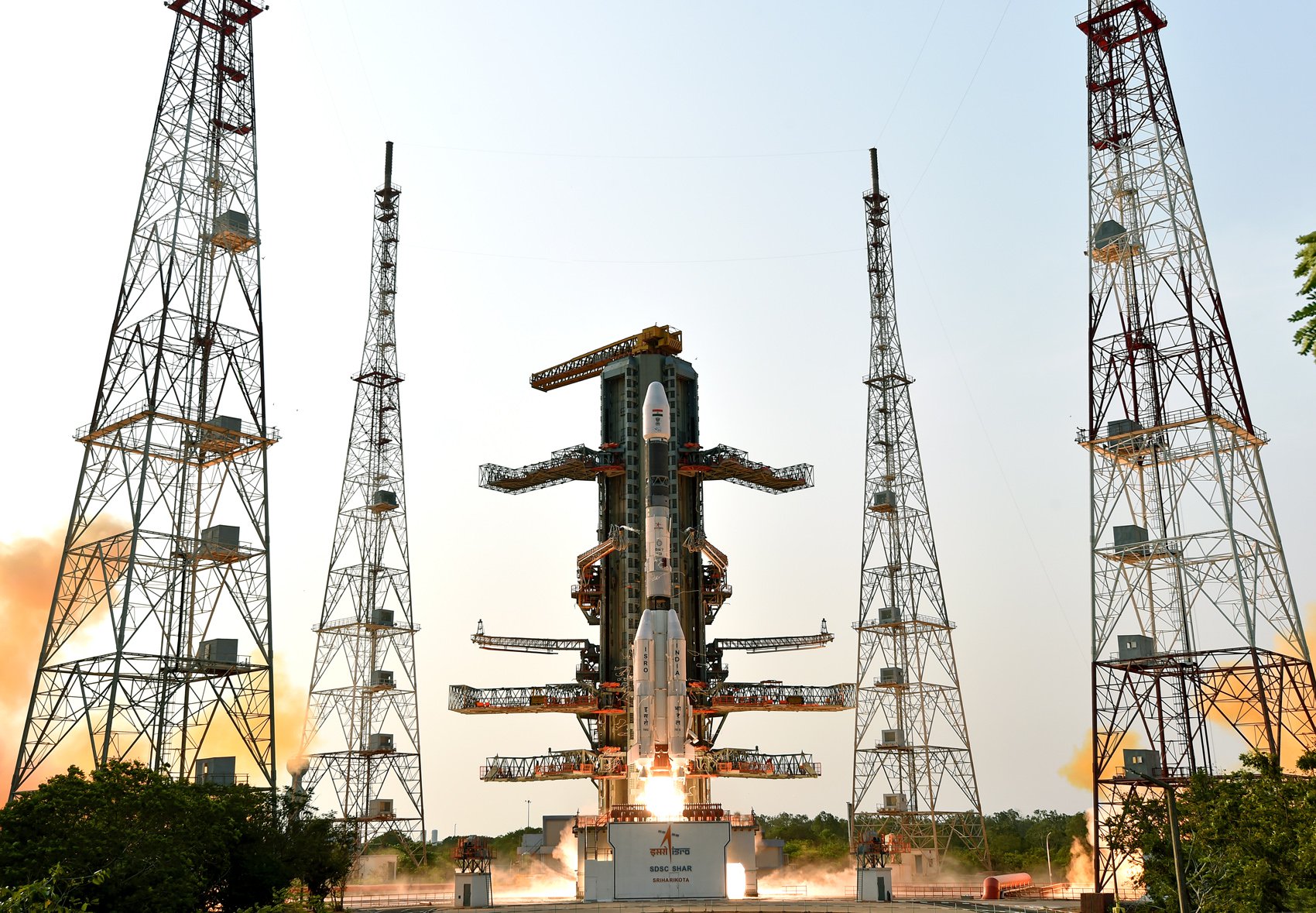
Today's brief covers China's Tianzhou-9 launch to the Tiangong space station, the U.S. Space Force's unfunded MILNET project, and the evolving use of AI in military applications.
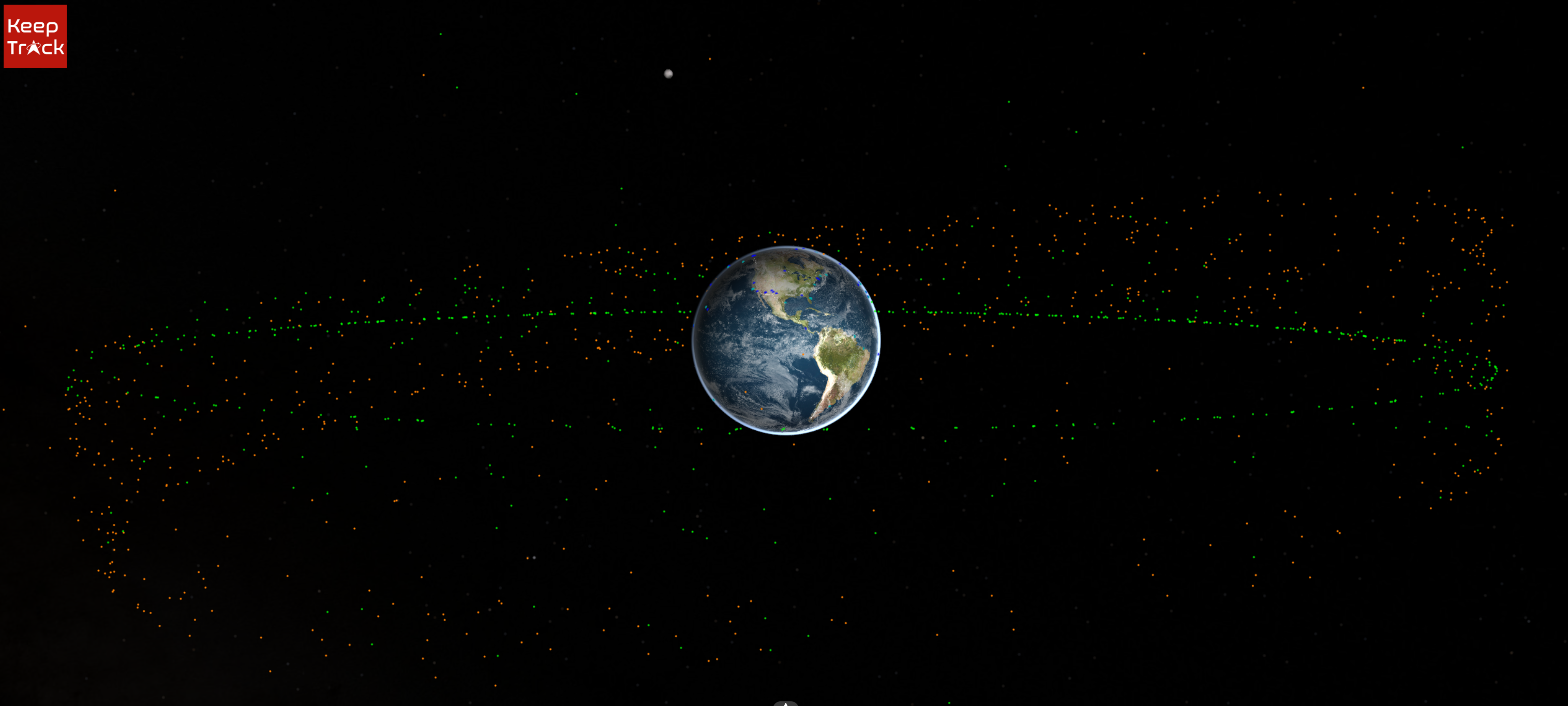
The final resting place for retired satellites, a disposal orbit where defunct spacecraft are sent to stay out of the way
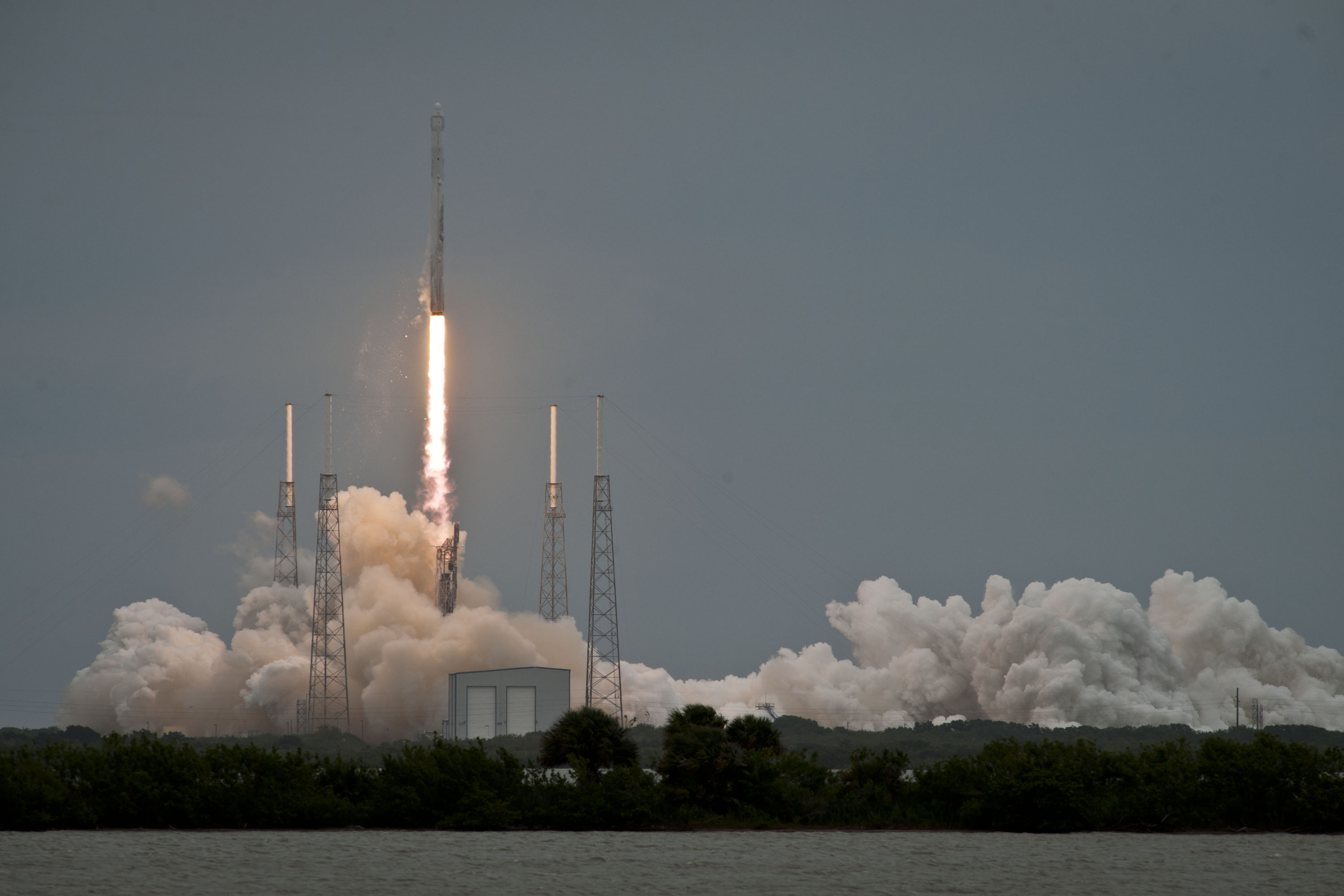
On April 18, 2014, a Falcon 9 first stage did something no orbital rocket had ever done before. It fired its engines on the way down, steered itself through the atmosphere using grid fins that did not yet exist, and touched the Atlantic Ocean softly enough to survive the impact. Nobody recovered it. The data was the whole point.