


Space Brief 28 Aug 2025
Today's briefing covers collaborations enhancing defense capabilities, new satellite technologies entering the market, and strategic shifts in military satellite applications.


Launch Date
March 8, 1997
Launch Site
Launch Pad
LC36A
Launch Vehicle
Atlas IIA
NORAD ID
24749
International Designator
1997-011B
Decay Date
11/19/1997
Name
ATLAS 2A CENTAUR R/B
Alternative Name
Centaur AC-128
Type
Status
Owner
LMA
Country
United States
Constellation
N/A
Related Satellites
Major Events
N/A
Length
10.1
Diameter
3.1
Span
10.1
Dry Mass
2095
Launch Mass
2095
Shape
Cyl
Radar Cross Section
16.2773
Visual Magnitude
Unknown
Color
Unknown
Material Composition
Unknown
Payload
Centaur IIA(1N) AC-128
Purpose
Unknown
Mission
Unknown
Manufacturer
LMA/DENV
Life Expectancy
Unknown
Bus
Centaur
Configuration
Unknown
Motor
Unknown
Equipment
Unknown
Power System
Unknown
ADCS
Unknown
Transmitter Frequency
Unknown
Learn more about satellites and other related topics.
Today's briefing covers collaborations enhancing defense capabilities, new satellite technologies entering the market, and strategic shifts in military satellite applications.
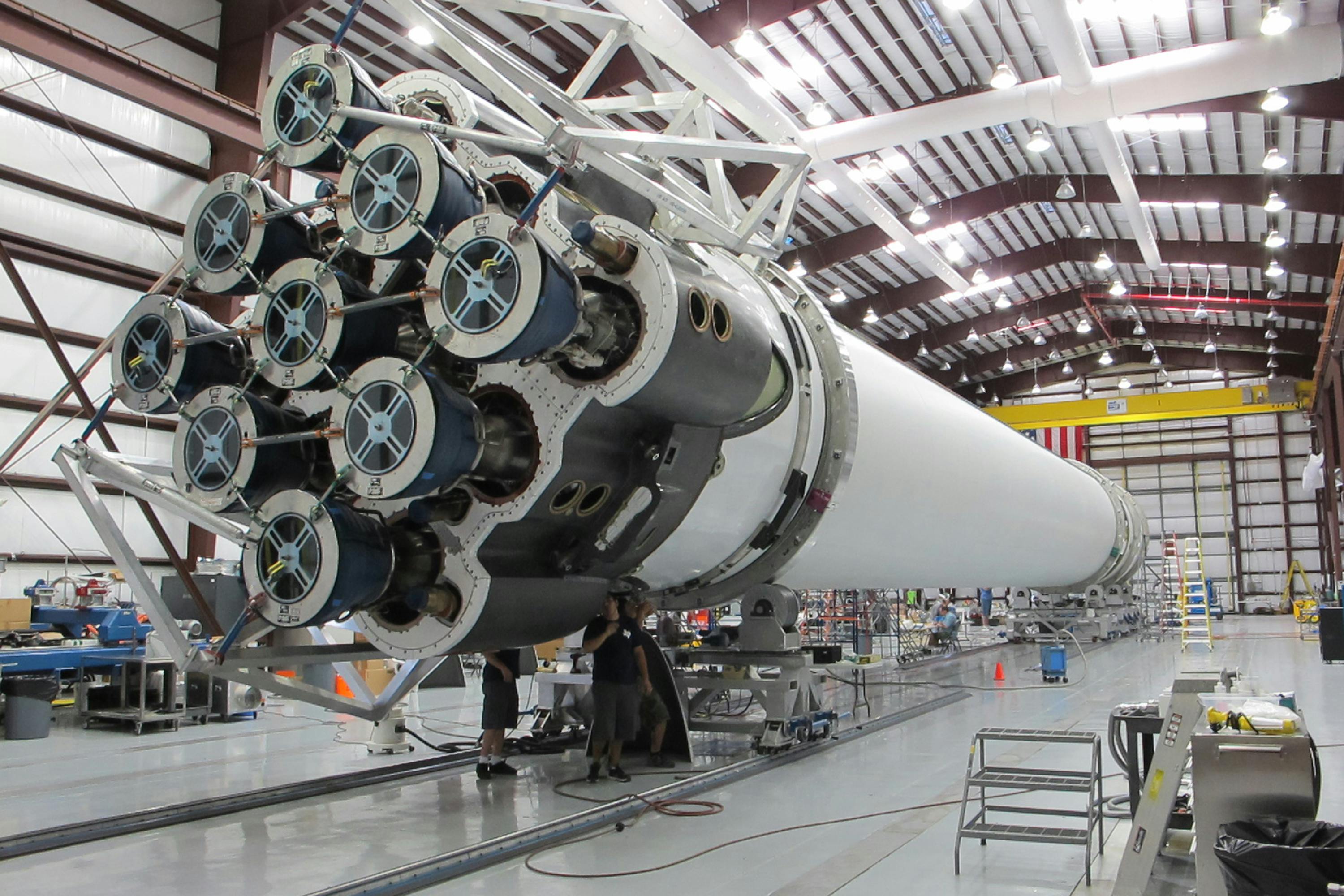
SpaceX continues to dominate the space launch market with a new Starlink mission, breaking Florida's annual launch record. The latest batch of satellites enhances global broadband coverage.

Today's highlights include SpaceX's rapid Starlink launches, insights into China's Mars sample return mission, and ULA's future launch plans. Also, a new Space Force general takes the reins of the U.S. missile defense program.

Today's highlights include SpaceX's rapid response GPS launch, Raytheon's new rocket motor test, and Starlink's revenue surge. Plus, the Space Force's modernization push.

Launch of 21 new Starlink satellites, featuring cell phone connectivity, and updates on NASA and SpaceX collaborative missions.
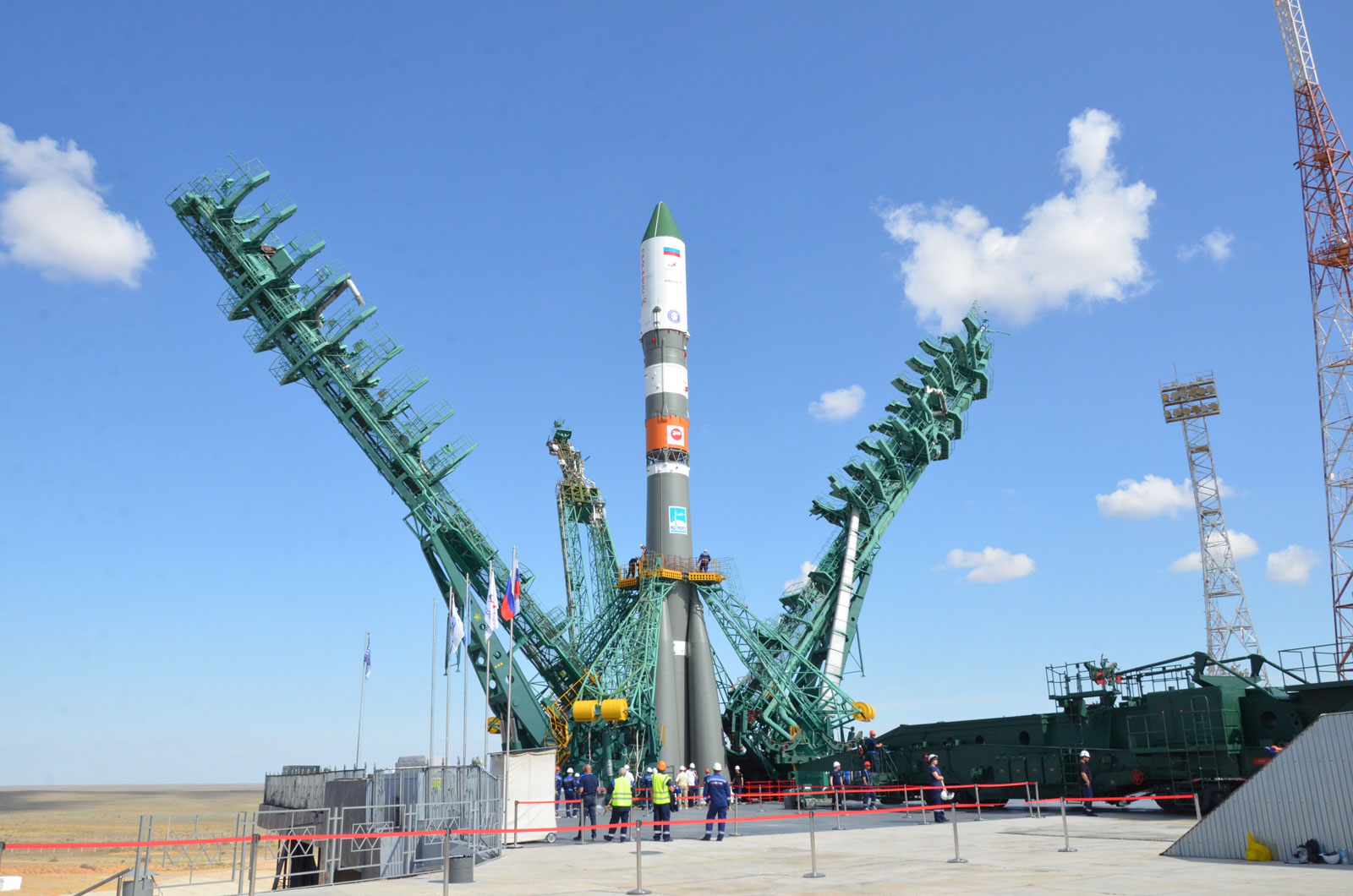
Today's highlights include the debut of a new Chinese rocket, a successful Starlink launch, and concerns about Artemis 3. We also cover DoD developments and a notable SpaceX milestone.
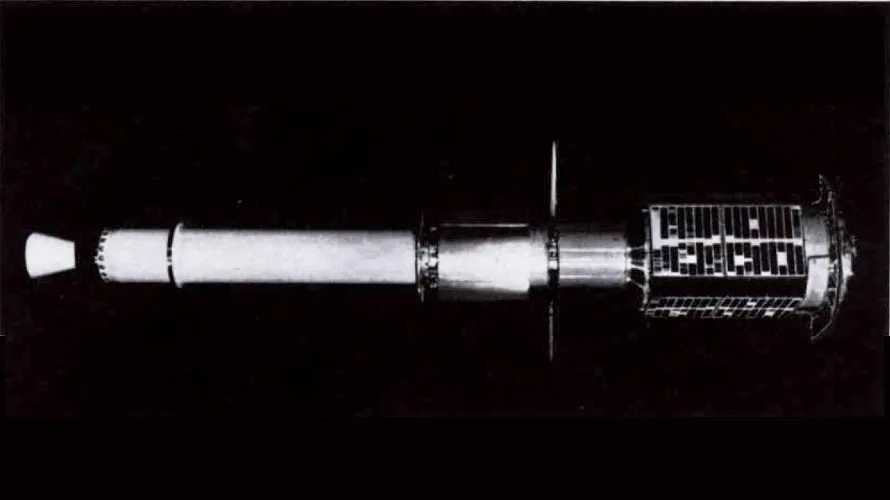
On April 27, 1961, a Scout rocket lifted a 37-kilogram NASA satellite into orbit from Wallops Island carrying the first serious instrument for detecting cosmic gamma rays. Explorer 11 operated for seven months before its tape recorder failed. In that time it registered 22 gamma-ray photons - a pitiful number by modern standards, but enough to launch an entire branch of astronomy.
Today's Space Brief covers significant events including a high-stakes missile defense program, recent Chinese satellite launches, military defense initiatives, and key profiles in defense leadership.