



Space Brief 22 Aug 2025
SpaceX's X-37B spaceplane launch, featuring advanced tech, highlights today’s space events. The launch of the first reprogrammable navigation satellite by the US Space Force is another significant milestone.


Launch Date
February 14, 1997
Launch Site
PLMSC
Launch Pad
LC32/1
Launch Vehicle
Tsiklon-3
NORAD ID
24728
International Designator
1997-006D
Epoch
Sat, 04 Jul 2026 02:10:01 GMT
Apogee
Calculating...
Perigee
Calculating...
Inclination
82.60°
Right Ascension
225.50°
Eccentricity
Calculating...
Argument of Perigee
135.88°
Period
113.93 min
Mean Motion
12.64 rev/day
Latitude
Calculating...
Longitude
Calculating...
Altitude
Calculating...
Velocity
Calculating...
Name
GONETS-D1 4
Alternative Name
Gonets-D1 No. 16L
Type
Status
Owner
GONETS
Country
Russia
Constellation
N/A
Related Satellites
Major Events
N/A
1 24728U 97006D 26185.09029350 .00000011 00000-0 16039-5 0 9991
2 24728 82.6023 225.5049 0008811 135.8837 224.2959 12.63922914355348
Source: Celestrak
Length
1.6
Diameter
0.8
Span
7
Dry Mass
225
Launch Mass
225
Shape
Cyl + Ant
Radar Cross Section
0.864
Visual Magnitude
Unknown
Color
Unknown
Material Composition
Unknown
Payload
Gonets-D1 No. 16L (322)
Purpose
Communication, Store-Dump
Mission
Communication, Store-Dump
Manufacturer
NPOPMR
Life Expectancy
1.5 years
Bus
Strela-3
Configuration
Unknown
Motor
Unknown
Equipment
Unknown
Power System
Solar cells, batteries
ADCS
Unknown
Transmitter Frequency
Unknown
Learn more about satellites and other related topics.
SpaceX's X-37B spaceplane launch, featuring advanced tech, highlights today’s space events. The launch of the first reprogrammable navigation satellite by the US Space Force is another significant milestone.
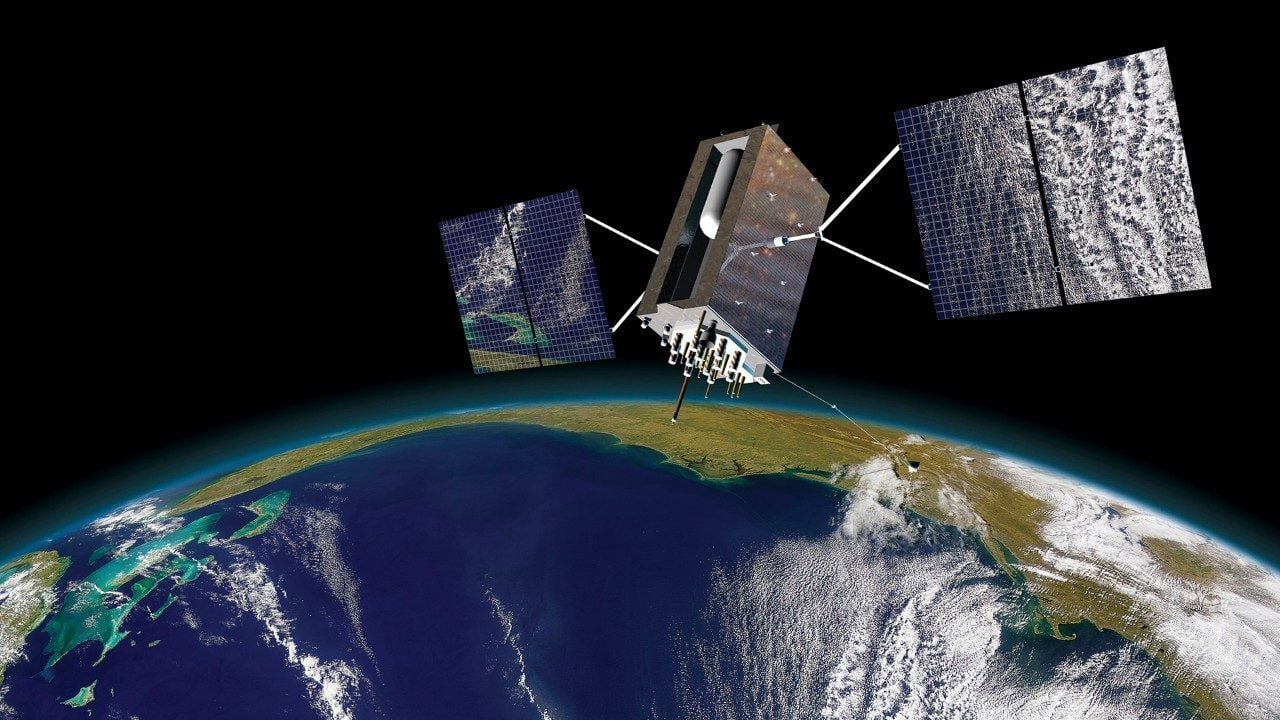
On April 17, 2026, the U.S. Space Force officially cancelled the Next Generation Operational Control System after sixteen years of development, cost overruns, and testing failures. The $8 billion program was supposed to unlock the military's encrypted GPS signal. Instead, the satellites are flying with capabilities the ground can't command.

SpaceX makes headlines with dual Starlink launches, Rocket Lab inaugurates new launch complex, while AI's impact on space missions and satellite technology continues to stir discussions.
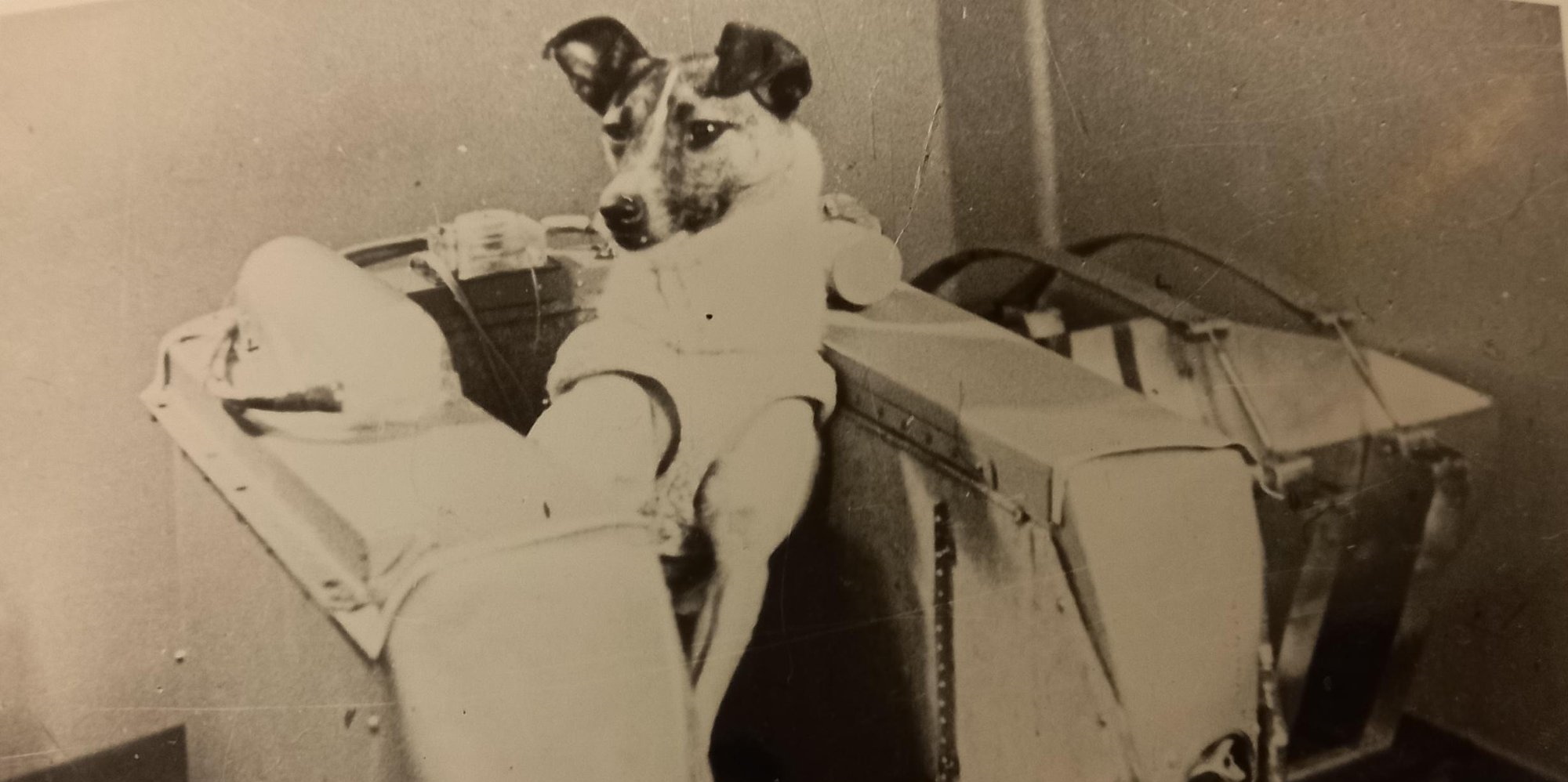
On April 14, 1958, Sputnik 2 burned up over the North Atlantic, carrying the remains of a stray dog from Moscow who had been dead for five months. The Soviet Union told the world she survived for days. It took forty-five years for the truth to come out.
Today's space brief covers an impressive SpaceX launch record, China's upcoming crew mission to its space station, an Intelsat 33e debris observation, and more. Key topics include SpaceX's Starship events, ESA's Hera mission updates, and Boeing's potential space division sale.
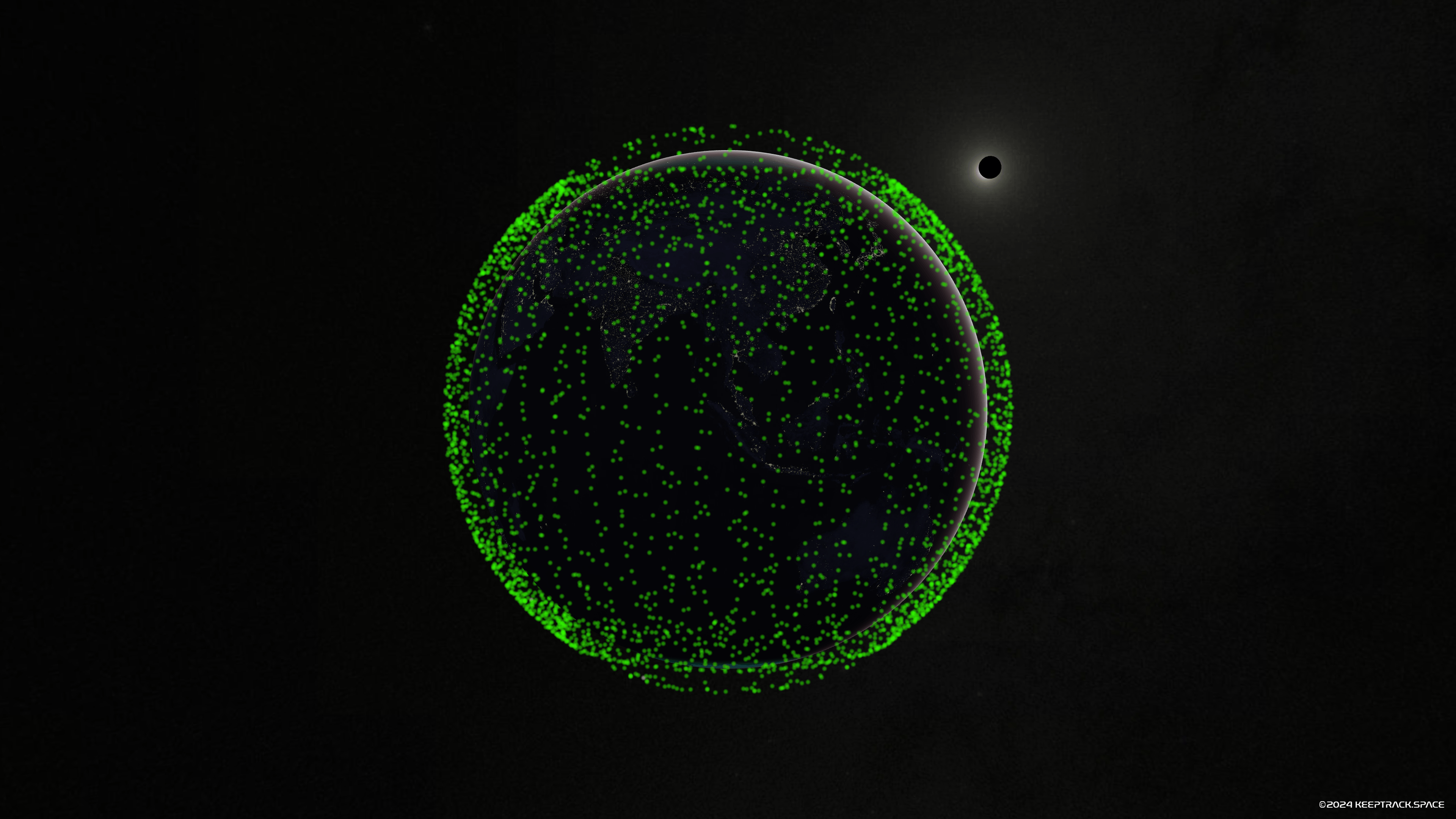
SpaceX's Starlink constellation has grown at an astonishing rate, now accounting for over 20% of all trackable objects in orbit. With plans for tens of thousands more, Starlink is on the cusp of forever changing the landscape of Earth's near-space environment.

SpaceX hits a new milestone with 400 rocket landings, beta testing begins for Direct-to-Cell Starlink satellites, and more Starlink launches from California.

SpaceX gears up for two major Starlink launches, while regulatory challenges slow progress in India.