


Low Earth Orbit (LEO)
The bustling downtown of space: where most satellites operate, communication networks bloom, and the challenges of atmospheric drag and radiation shape our approach to space operations



Launch Date
May 19, 1994
Launch Site
AFWTR
Launch Pad
RW04/22
Launch Vehicle
Pegasus/HAPS
NORAD ID
24687
International Designator
1994-029AAV
Decay Date
9/21/1997
Name
PEGASUS DEB
Alternative Name
deb HAPS
Type
Status
Owner
OSCC
Country
United States
Constellation
N/A
Related Satellites
Major Events
N/A
Length
0
Diameter
0
Span
0
Dry Mass
0
Launch Mass
0
Shape
N/A
Radar Cross Section
0.0236
Visual Magnitude
Unknown
Color
Unknown
Material Composition
Unknown
Payload
Unknown
Purpose
Unknown
Mission
Unknown
Manufacturer
Unknown
Life Expectancy
Unknown
Bus
Unknown
Configuration
Unknown
Motor
Unknown
Equipment
Unknown
Power System
Unknown
ADCS
Unknown
Transmitter Frequency
Unknown
Learn more about satellites and other related topics.
The bustling downtown of space: where most satellites operate, communication networks bloom, and the challenges of atmospheric drag and radiation shape our approach to space operations
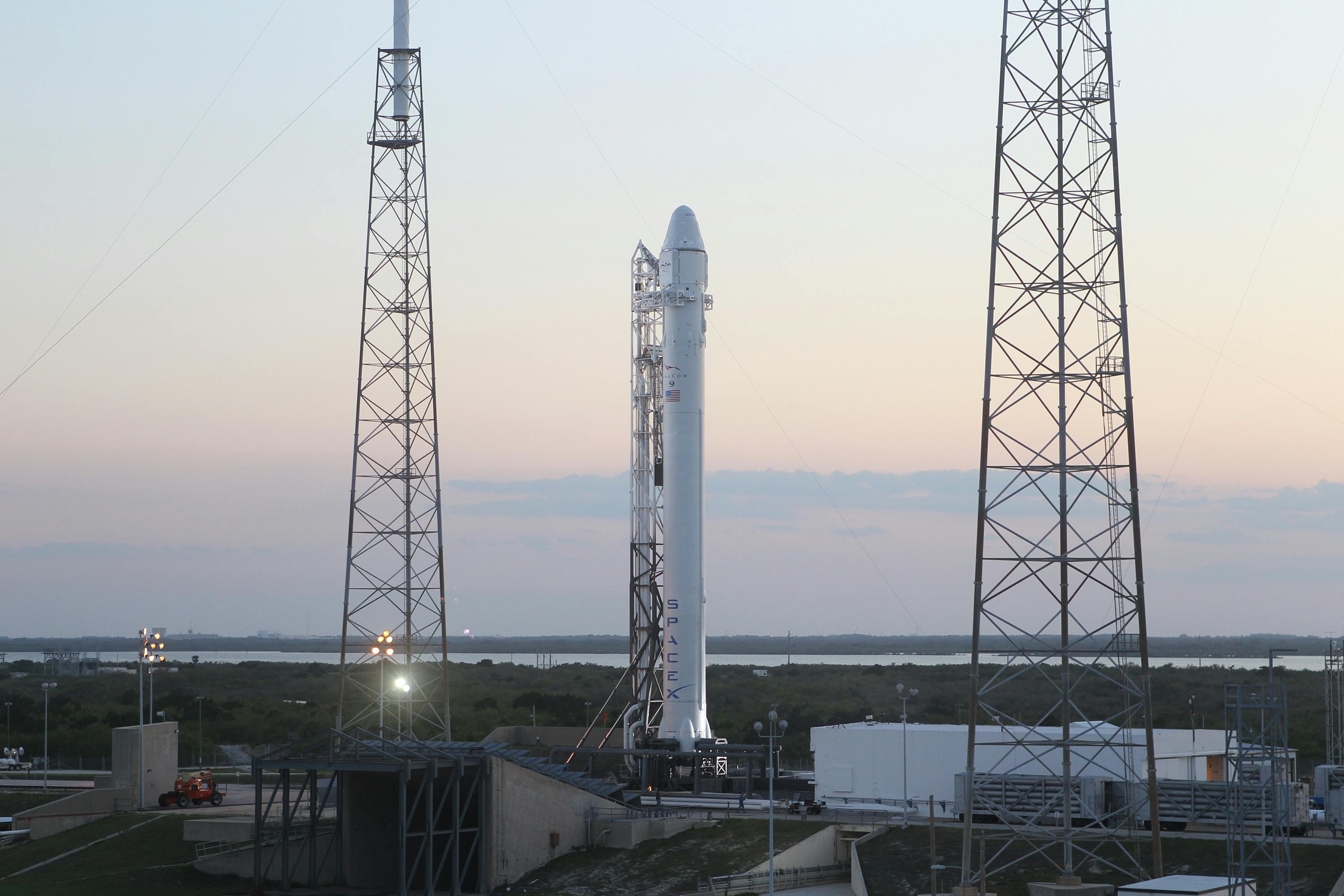
SpaceX successfully launches NASA missions, prepares for Crew-10 flight, and overcomes Falcon 9 launch anomalies.
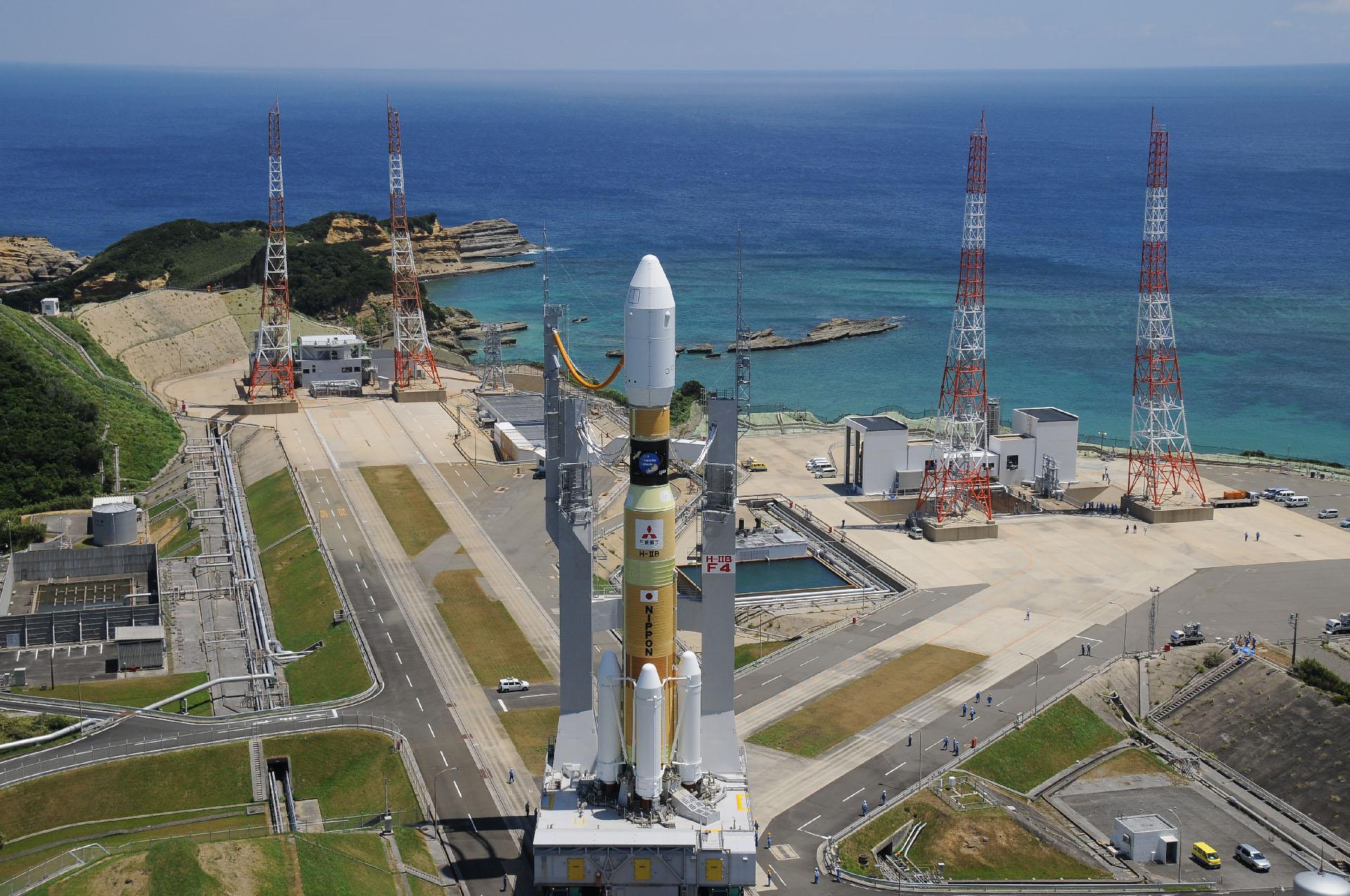
New Glenn's upper stage malfunctioned April 19, stranding AST SpaceMobile's BlueBird 7; the satellite is lost. Vulcan may fly without solid boosters.
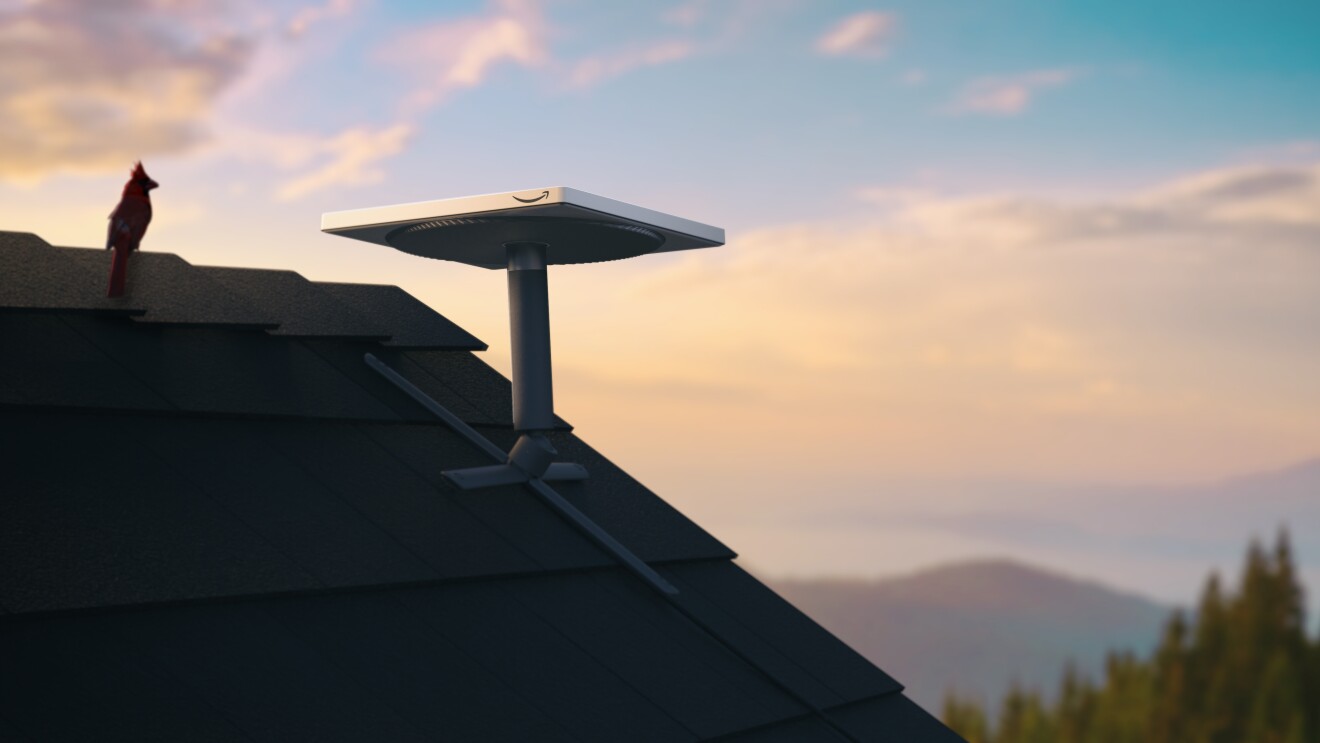
Explore today's key space events including China's satellite launch, ULA's Vulcan rocket preparations, significant budget bills from Congress, and discussions on lunar business prospects.
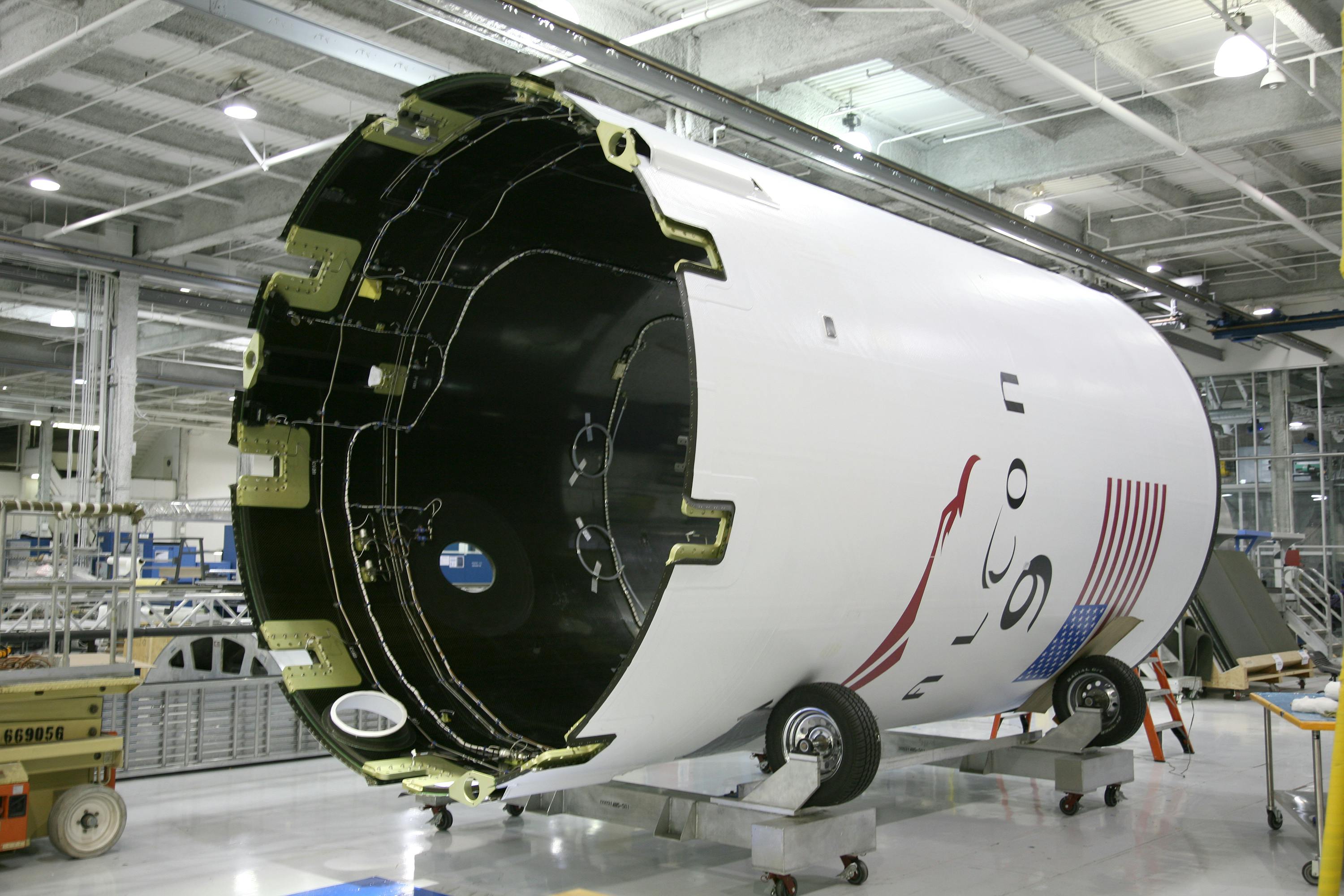
SpaceX flew a Falcon 9 booster for a record 35th time on July 10, deploying 29 Starlink satellites as direct-to-cell tech expands to pet collars.

Today marks significant milestones and setbacks for SpaceX as Starship Flight 9 completes a historic launch but ultimately suffers a loss of control. Additionally, a successful Starlink deployment continues to expand global internet coverage.
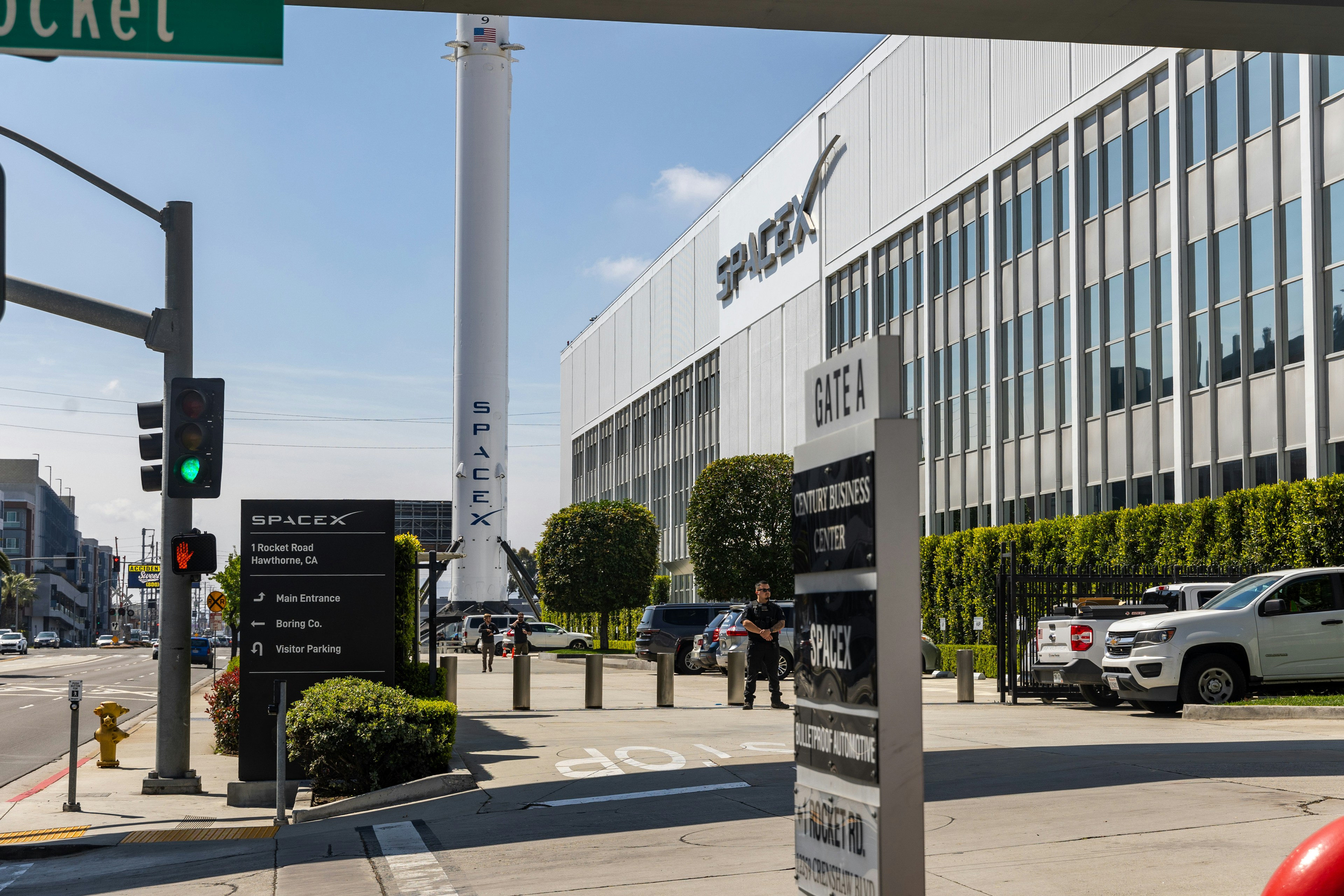
SpaceX continues to make strides with its Starship program while successfully launching another batch of Starlink satellites into orbit, enhancing global internet coverage.
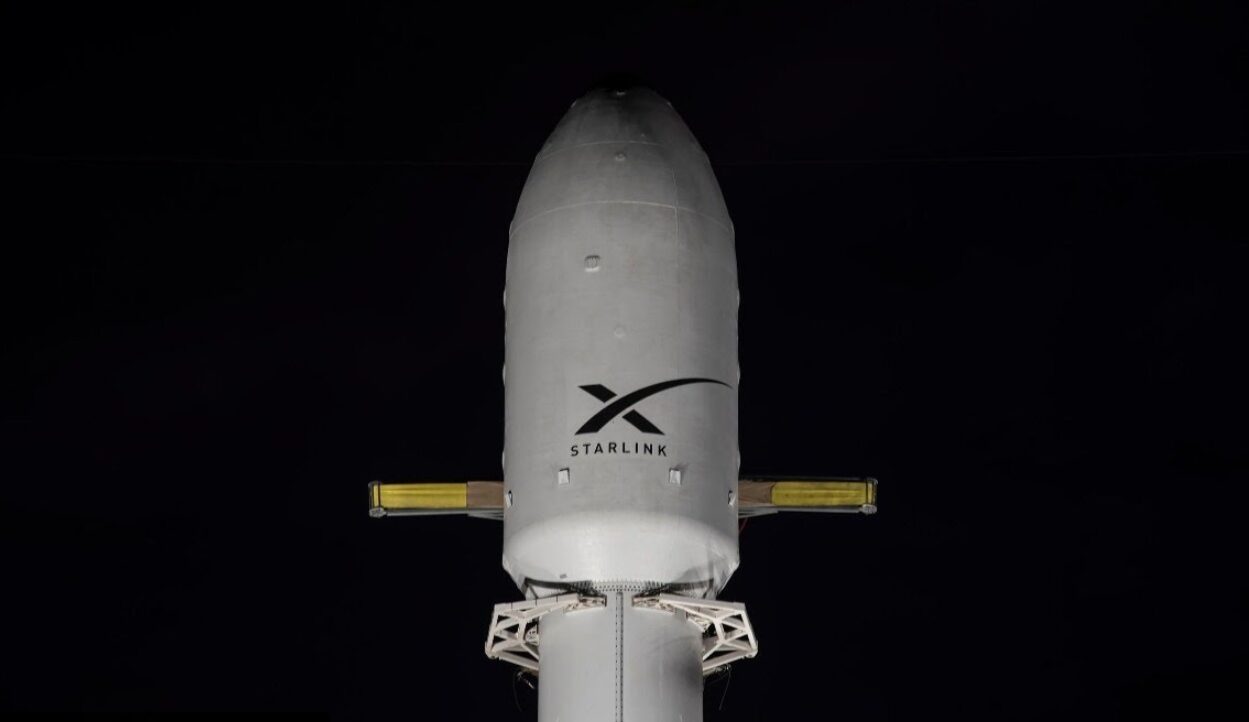
FCC clears Reflect Orbital's first satellite to bounce sunlight into nighttime zones, despite pushback from astronomers concerned about orbital streaking and wildlife impacts.