

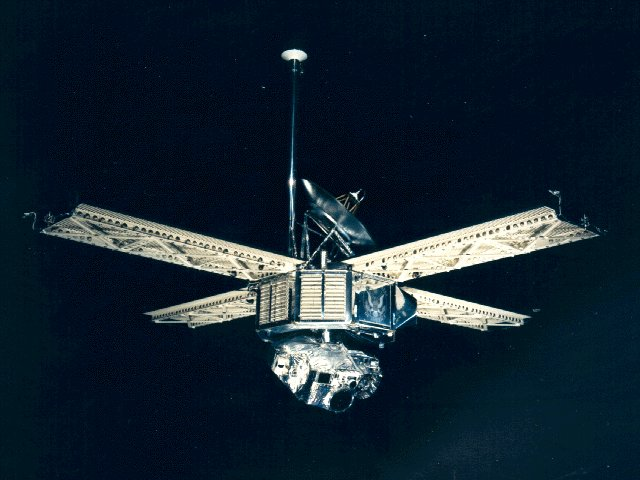
The Day America Gained New Eyes on Mars
Fifty-six years ago, a revolutionary spacecraft launched toward the Red Planet after being saved from disaster by two quick-thinking technicians who risked their lives to prevent a rocket collapse


Launch Date
November 19, 1996
Launch Site
Launch Pad
LC39B
Launch Vehicle
Space Shuttle
NORAD ID
24661
International Designator
1996-065B
Decay Date
12/7/1996
Name
ORFEUS-SPAS
Alternative Name
ORFEUS-SPAS
Type
Status
Owner
DLR
Country
Germany
Constellation
N/A
Related Satellites
Major Events
N/A
Length
2.5
Diameter
4.5
Span
4.5
Dry Mass
3572
Launch Mass
3572
Shape
Box + Cyl
Radar Cross Section
8.7299
Visual Magnitude
Unknown
Color
Unknown
Material Composition
Unknown
Payload
ASTRO-SPAS
Purpose
UV Astronomy, retrievable satellite
Mission
UV Astronomy, retrievable satellite
Manufacturer
DASAO
Life Expectancy
Unknown
Bus
SPAS
Configuration
Astro-SPAS-Platform
Motor
Unknown
Equipment
FUV-Spectrometer, EUV-Spectrometer, IMAPS
Power System
Batteries
ADCS
Unknown
Transmitter Frequency
Unknown
Learn more about satellites and other related topics.
Fifty-six years ago, a revolutionary spacecraft launched toward the Red Planet after being saved from disaster by two quick-thinking technicians who risked their lives to prevent a rocket collapse
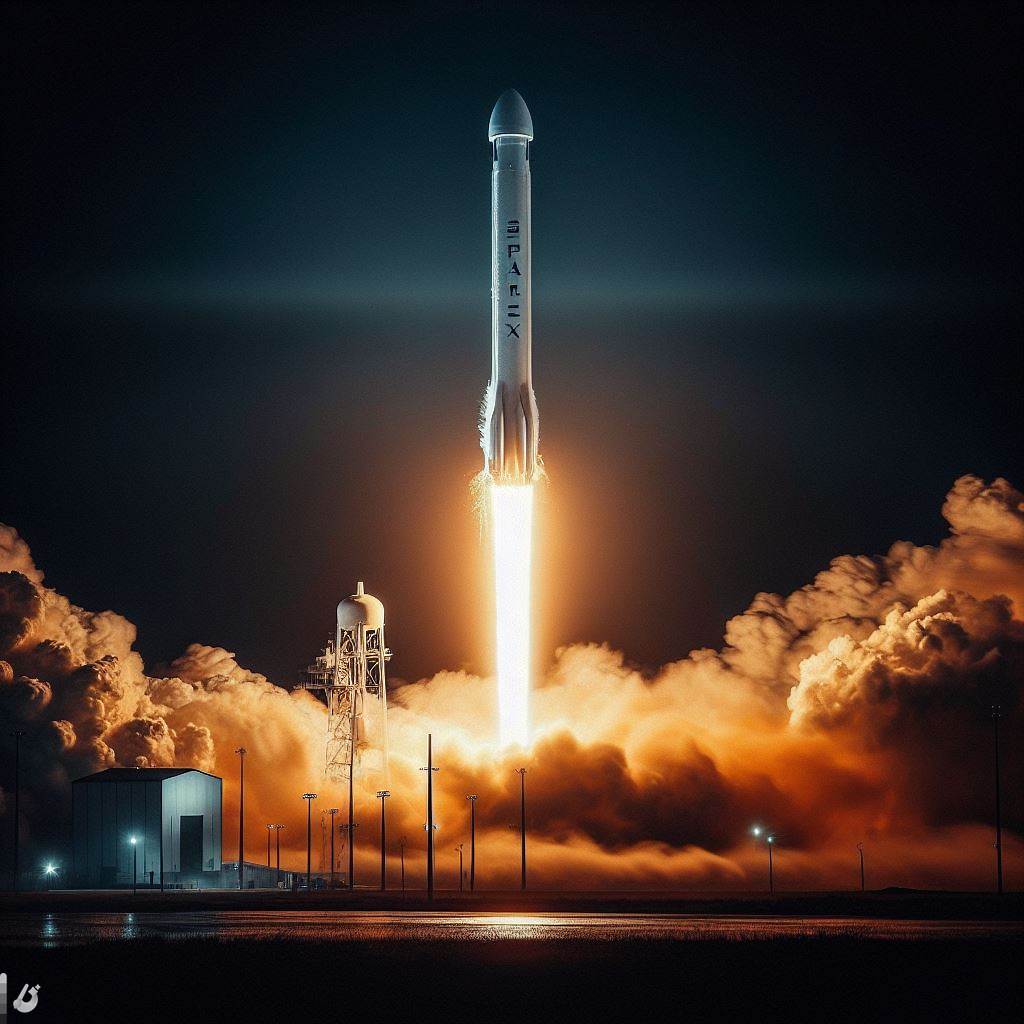
Elon Musk controls 79% of SpaceX's votes with just 42% of the equity - and the company just merged with his AI startup at a $1.25 trillion valuation. Here's who actually owns what, how the money works, and what a $1.75 trillion IPO means for investors.
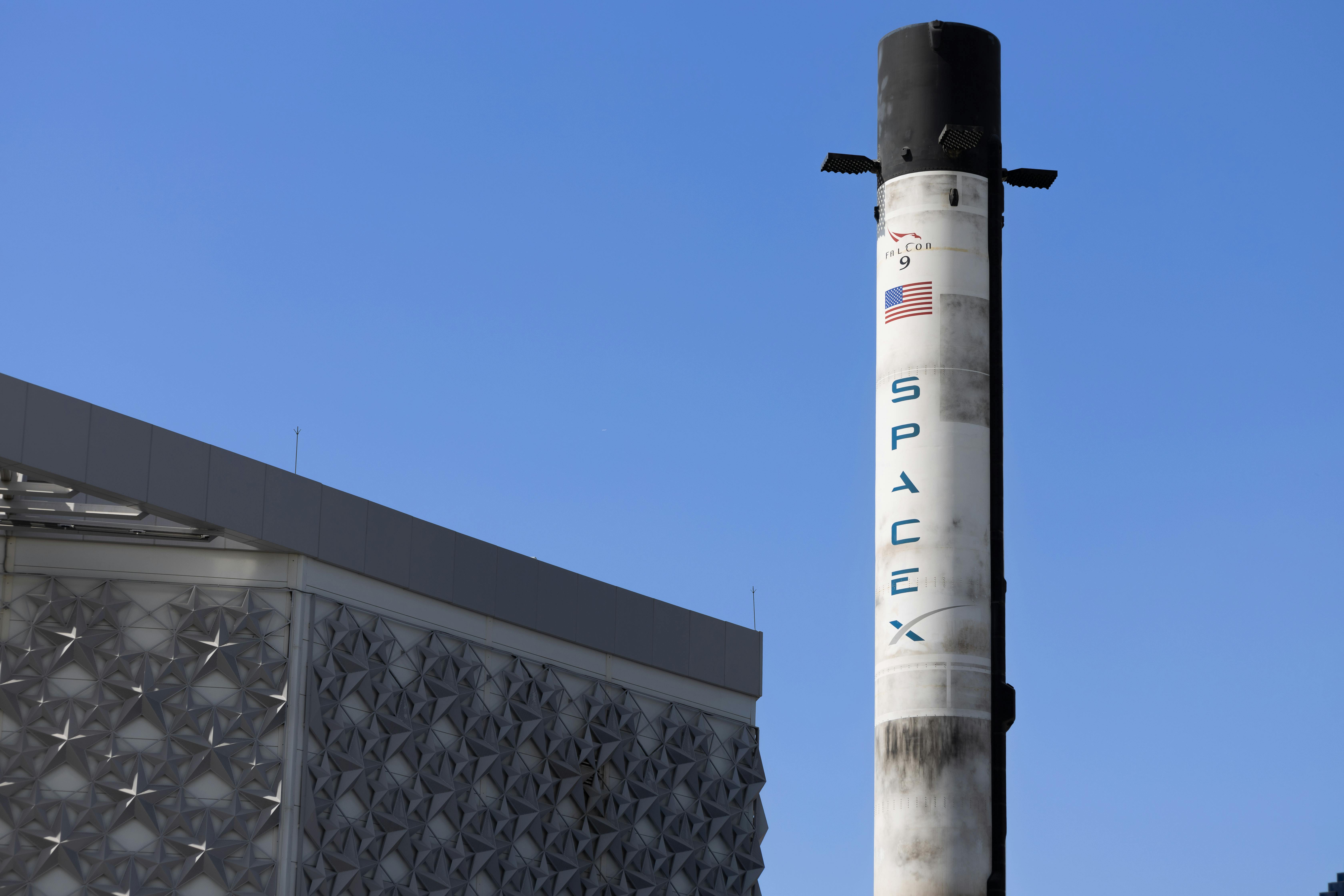
Today's brief highlights the upcoming X-37B military spaceplane launch, ongoing partnerships to protect radio astronomy, and West Virginia's minimal allocation of broadband subsidies to satellite providers like SpaceX.
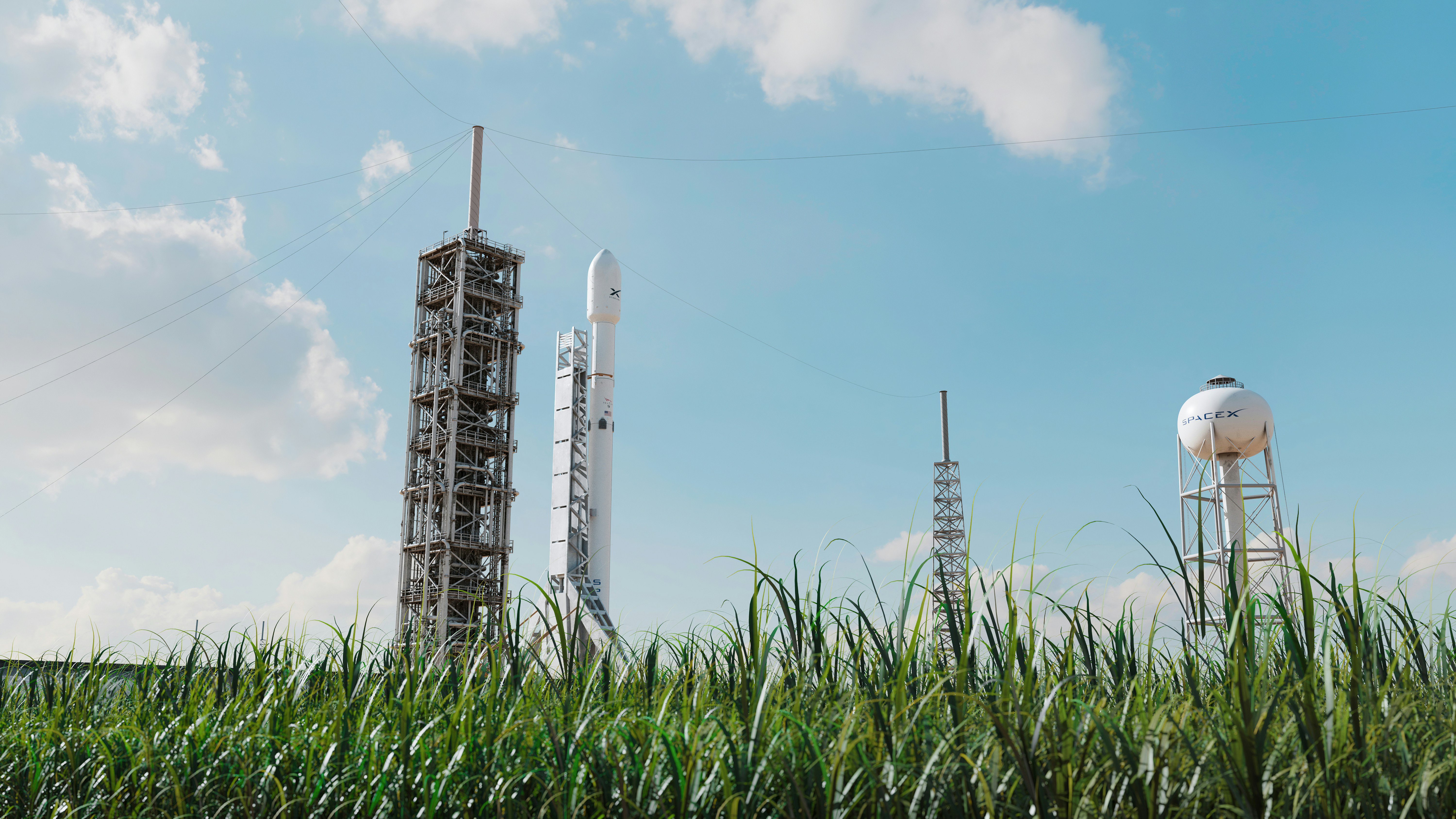
Falcon 9 booster reuse record: SpaceX's most-flown booster flew a 33rd flight Feb 21 with 28 Starlink V2 Minis. Two launches in a day; 9,779 on orbit.
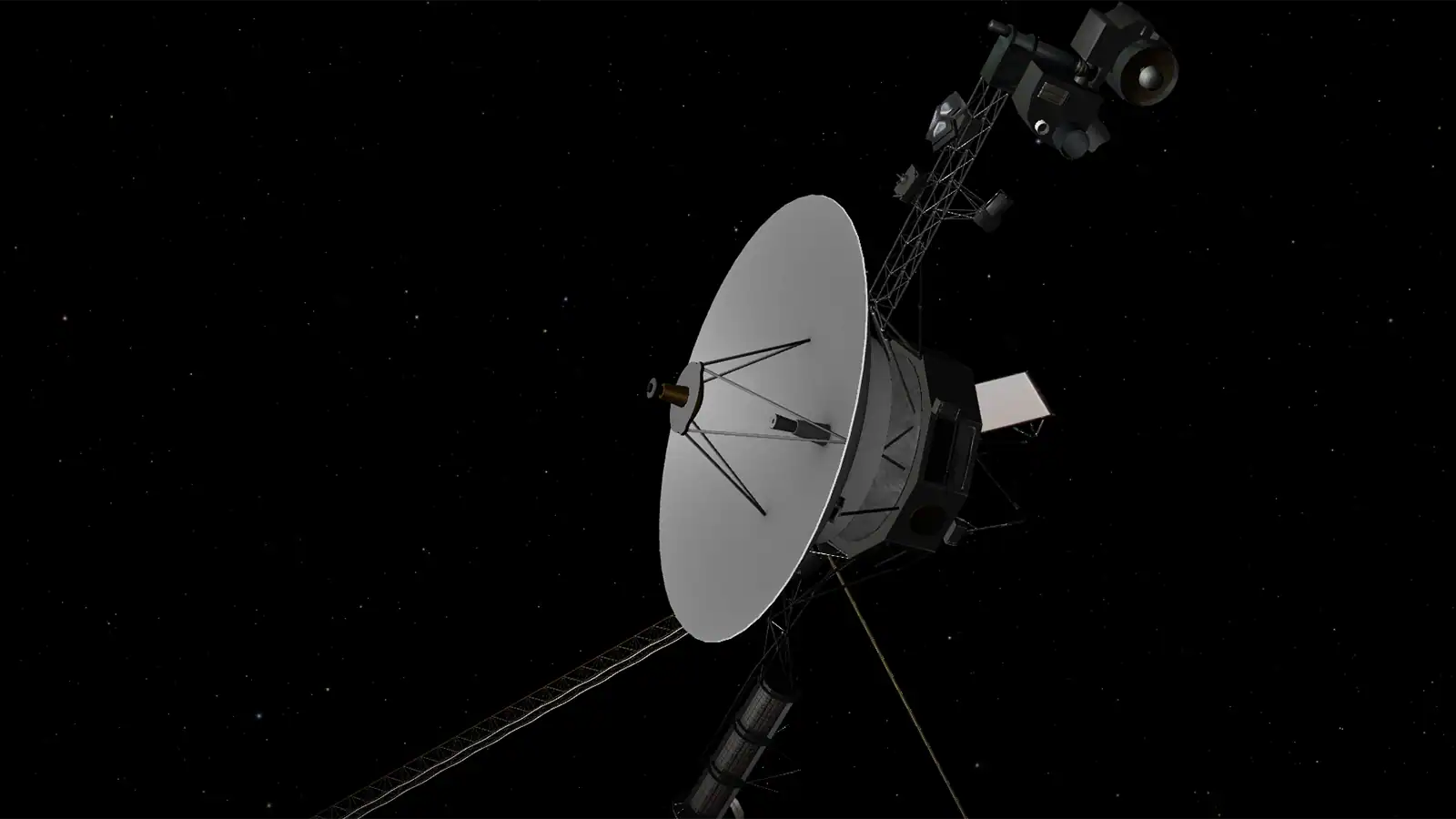
In November 2023, Earth's most distant spacecraft started speaking gibberish. Five months, one dead memory chip, and 30 billion miles of round-trip troubleshooting later, engineers got it talking again - using code written before most of them were born.
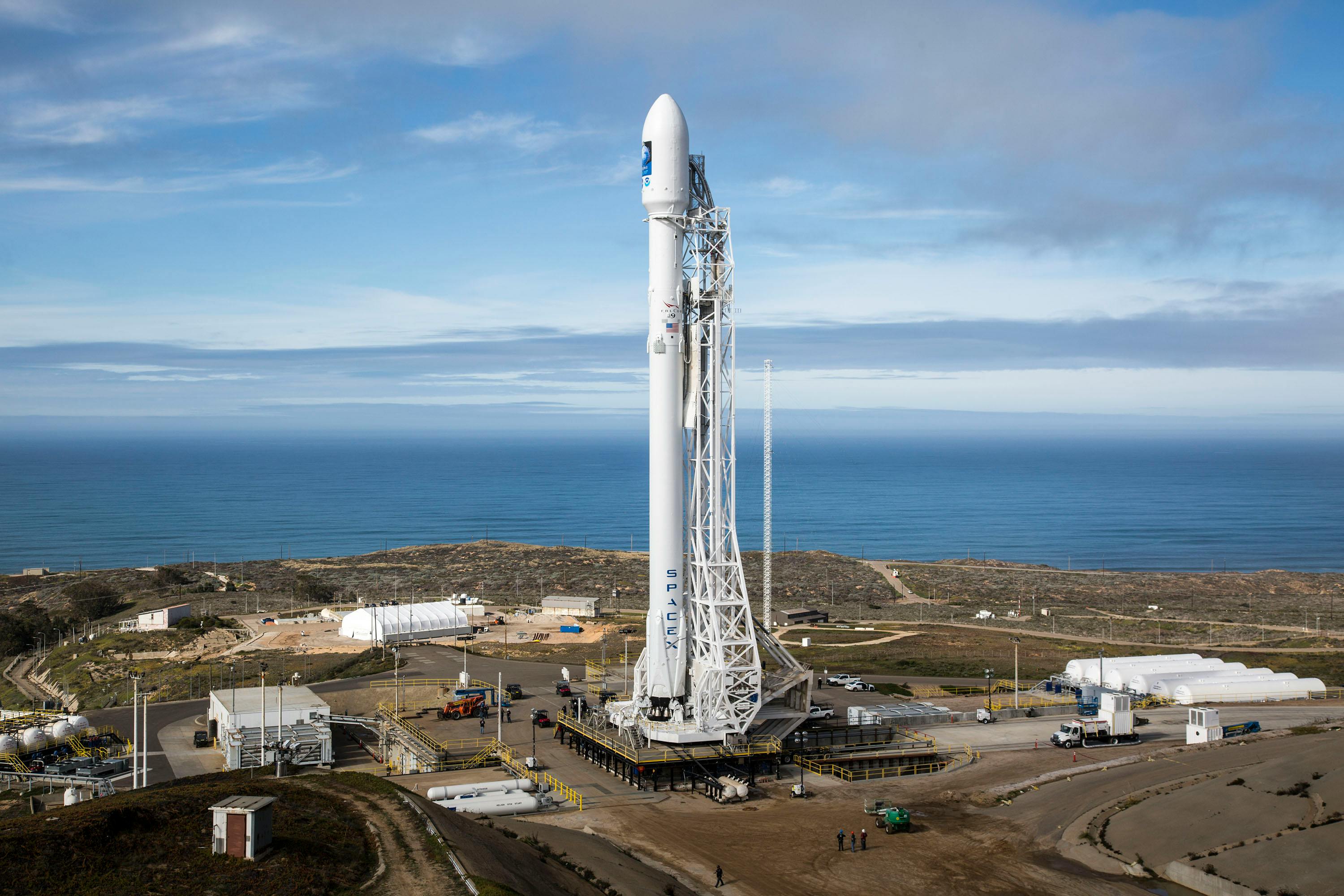
ISS astronauts evacuated to a SpaceX Dragon capsule on June 5 as cosmonauts worked to seal a persistent air leak on the Russian segment.
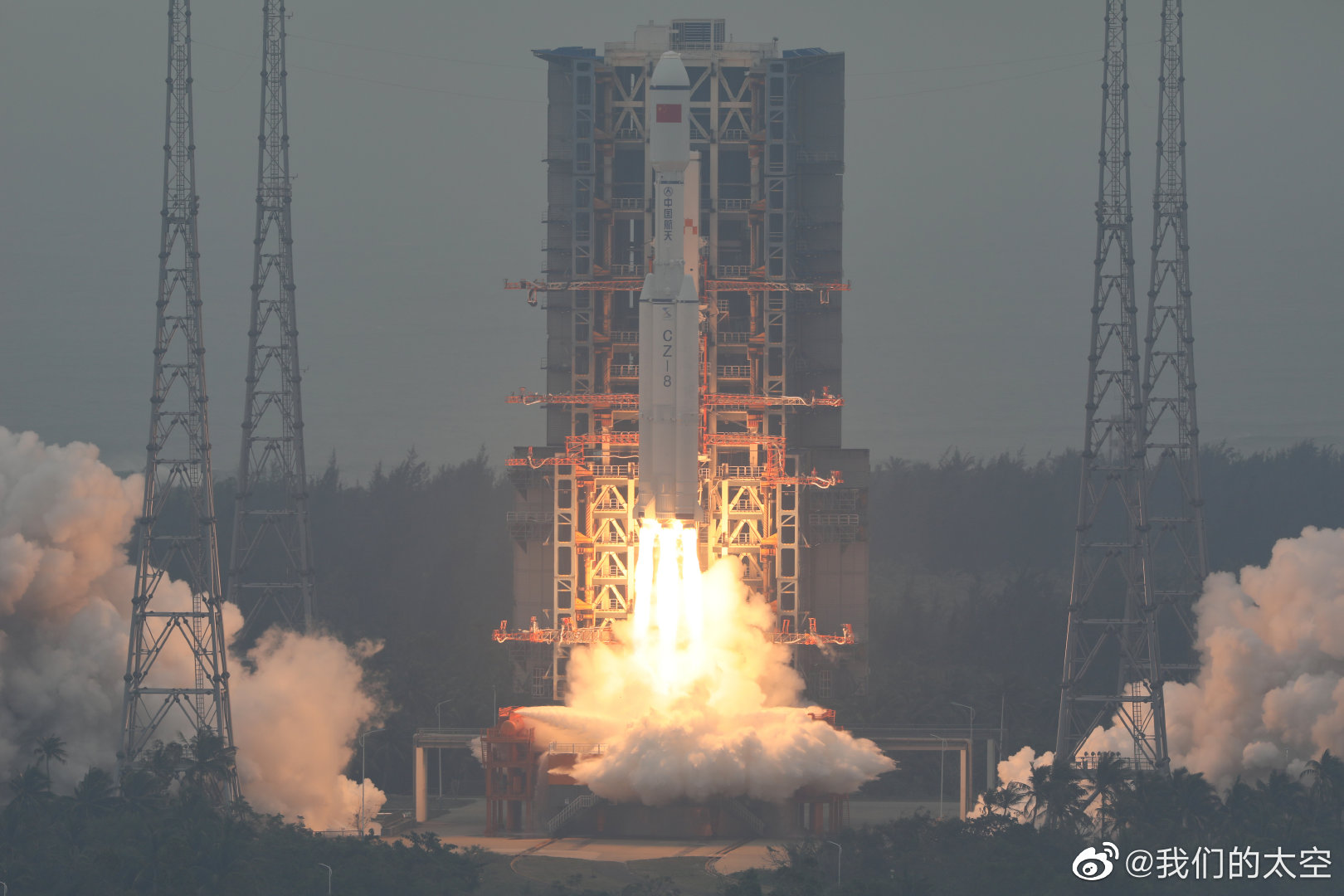
Artemis 2's four astronauts entered lunar sphere of influence April 6, first crewed arrival since Apollo 17. NASA simultaneously proposed 25% budget cut for FY2027.

Today's Space Brief delves into NASA's lunar nuclear power initiative, a strategic Army data integration project, and a rare SpaceX Falcon booster launch. Also covered are significant advancements in military satellite technology and Navy unmanned surface vehicles.