

Space Brief 23 Feb 2025
SpaceX launches Starlink satellites from both coasts, while first 3D atmospheric map of an exoplanet reveals extreme weather patterns, and Starlink missions push total count over 8,000 satellites.


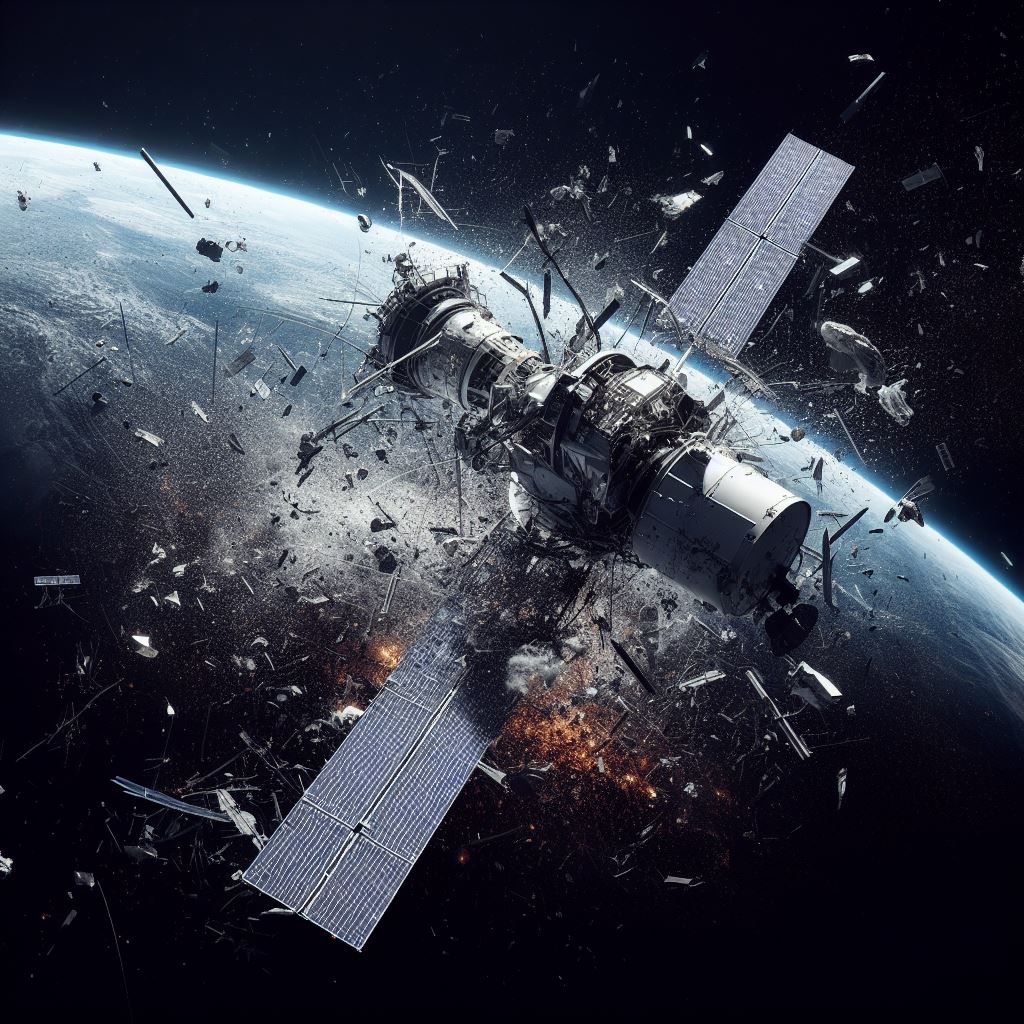
Launch Date
September 17, 1966
Launch Site
Launch Pad
Unknown
Launch Vehicle
Unknown
NORAD ID
02461
International Designator
N/A
Decay Date
9/24/1966
Name
CIS UNKNOWN 1 DEB
Alternative Name
deb OGCh
Type
Status
Owner
RVSN
Country
USSR
Constellation
N/A
Related Satellites
Major Events
N/A
Length
0
Diameter
0
Span
0
Dry Mass
0
Launch Mass
0
Shape
N/A
Radar Cross Section
Unknown
Visual Magnitude
Unknown
Color
Unknown
Material Composition
Unknown
Payload
Unknown
Purpose
Unknown
Mission
Unknown
Manufacturer
Unknown
Life Expectancy
Unknown
Bus
Unknown
Configuration
Unknown
Motor
Unknown
Equipment
Unknown
Power System
Unknown
ADCS
Unknown
Transmitter Frequency
Unknown
Learn more about satellites and other related topics.
SpaceX launches Starlink satellites from both coasts, while first 3D atmospheric map of an exoplanet reveals extreme weather patterns, and Starlink missions push total count over 8,000 satellites.
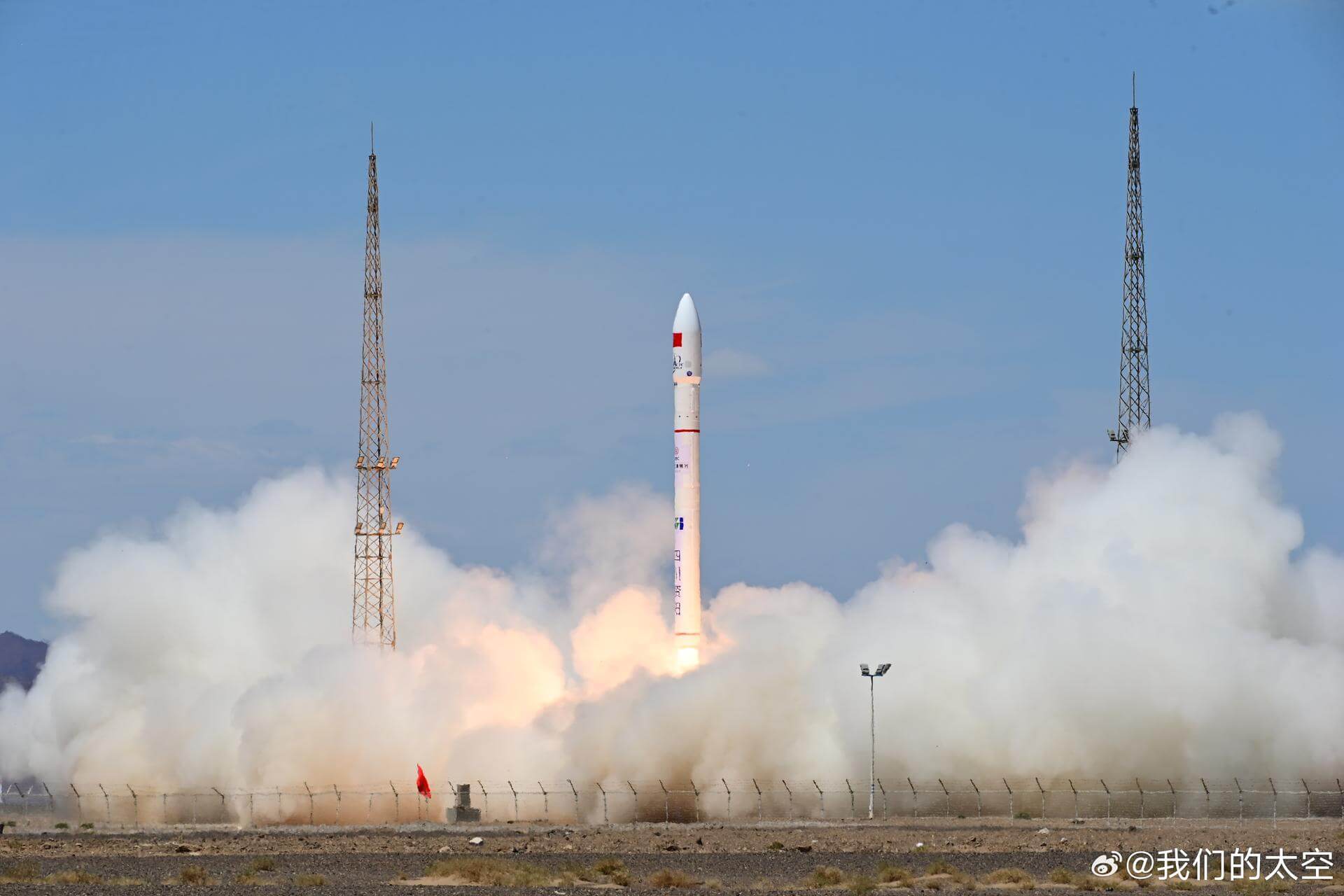
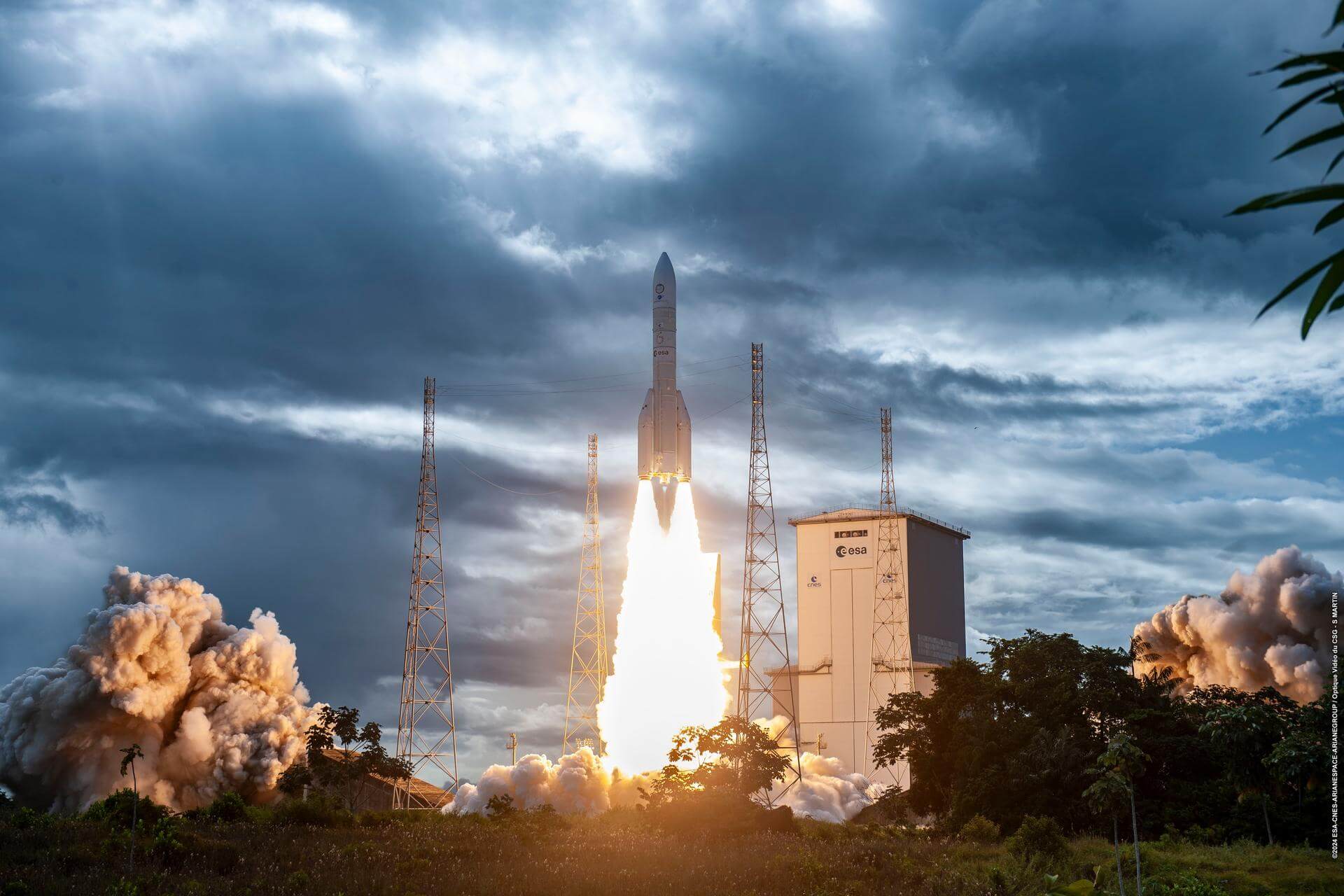
Today's space brief highlights intriguing military satellite developments, new space launch strategies to counteract observation threats, and potential European defense industry advancements.
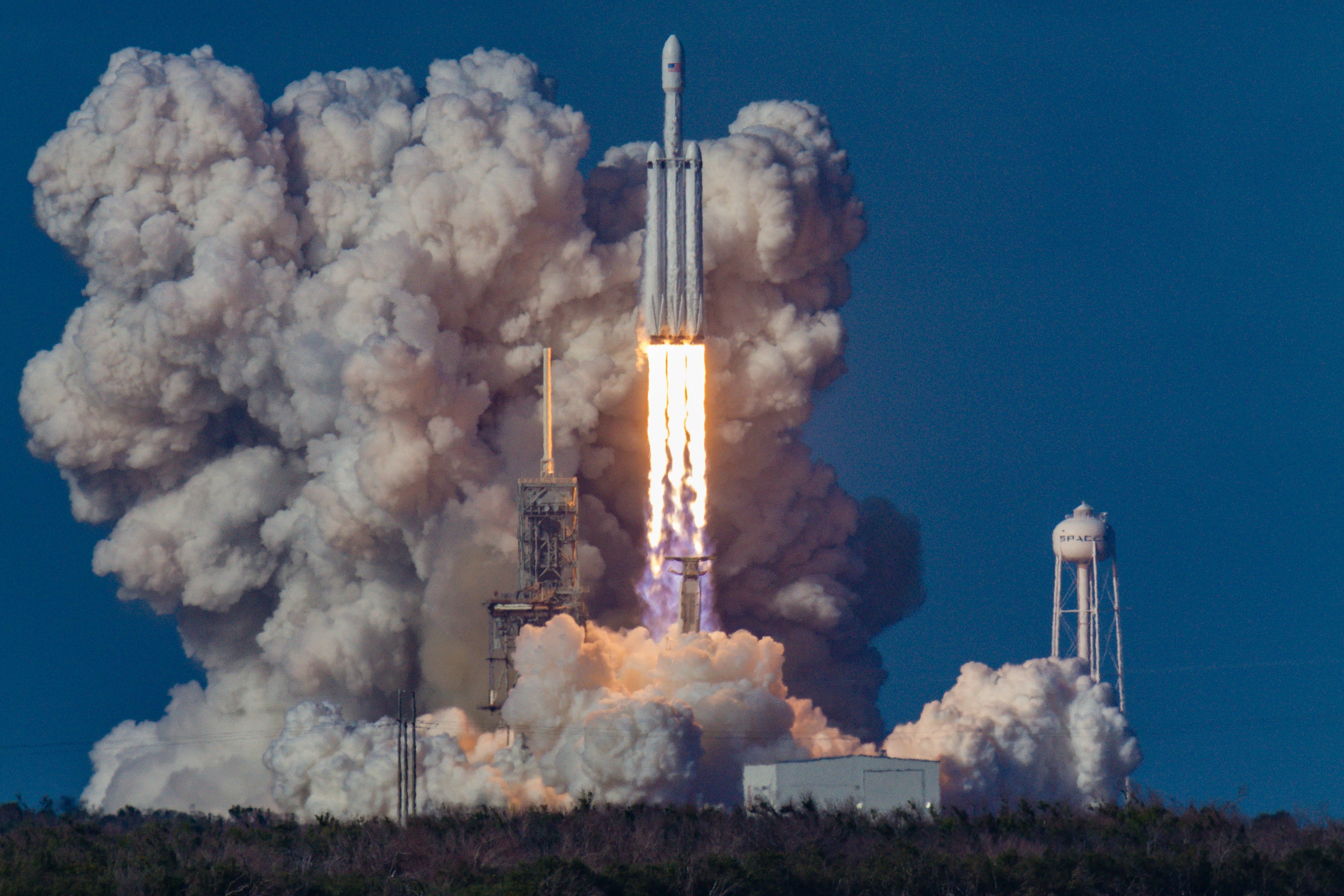
SpaceX's Falcon 9 rockets propel space exploration and connectivity forward with a moon landing mission, Starlink deployment, and readiness for another Starship launch trial.
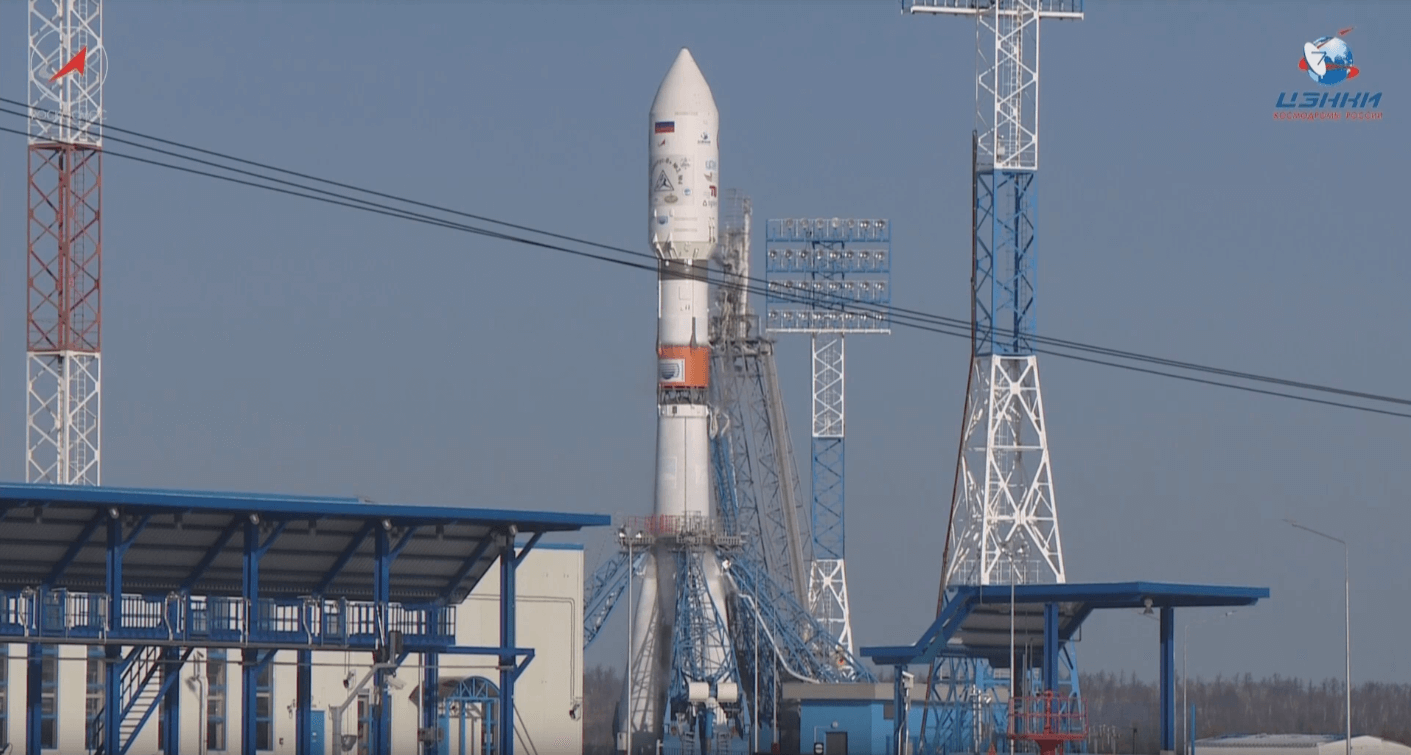
Today’s Space Brief covers the deployment of a new optical sensor for the Space Force, SpaceX's recent Starlink satellite launch, and significant investment in space cargo vehicles.
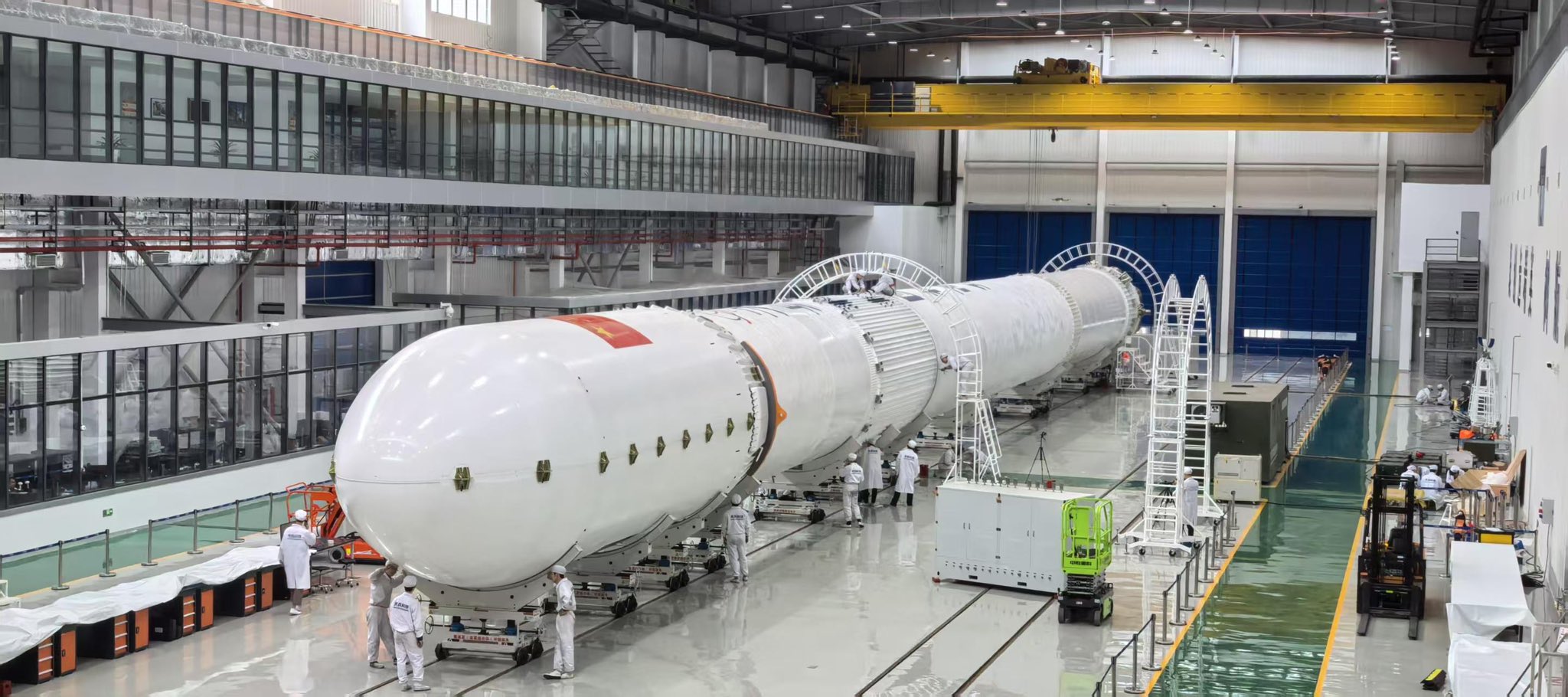
Second Starlink satellite malfunctioned on orbit and generated debris within three months of prior event. Falcon 9 booster completed record 34th mission from Cape Canaveral.
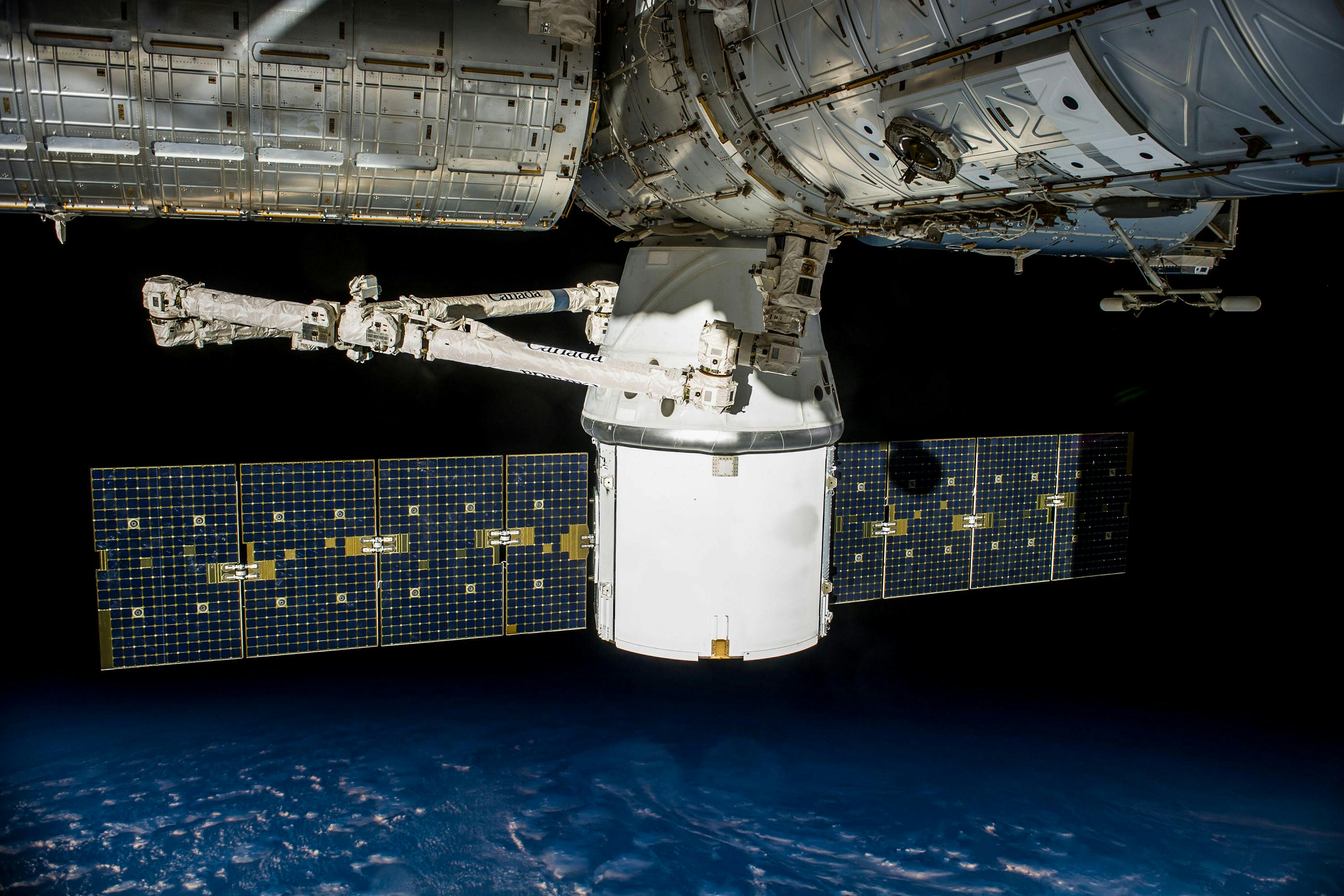
Today's report highlights a catastrophic failure during Starship preparations, significant advancements in Starlink services in Ukraine and India, and the successful launch of 28 Starlink satellites.

FAA grounds SpaceX Starship V3 after the Flight 12 mishap, freezing the launch schedule. Plus a $2.29B Space Force contract and 10,397 working Starlinks.
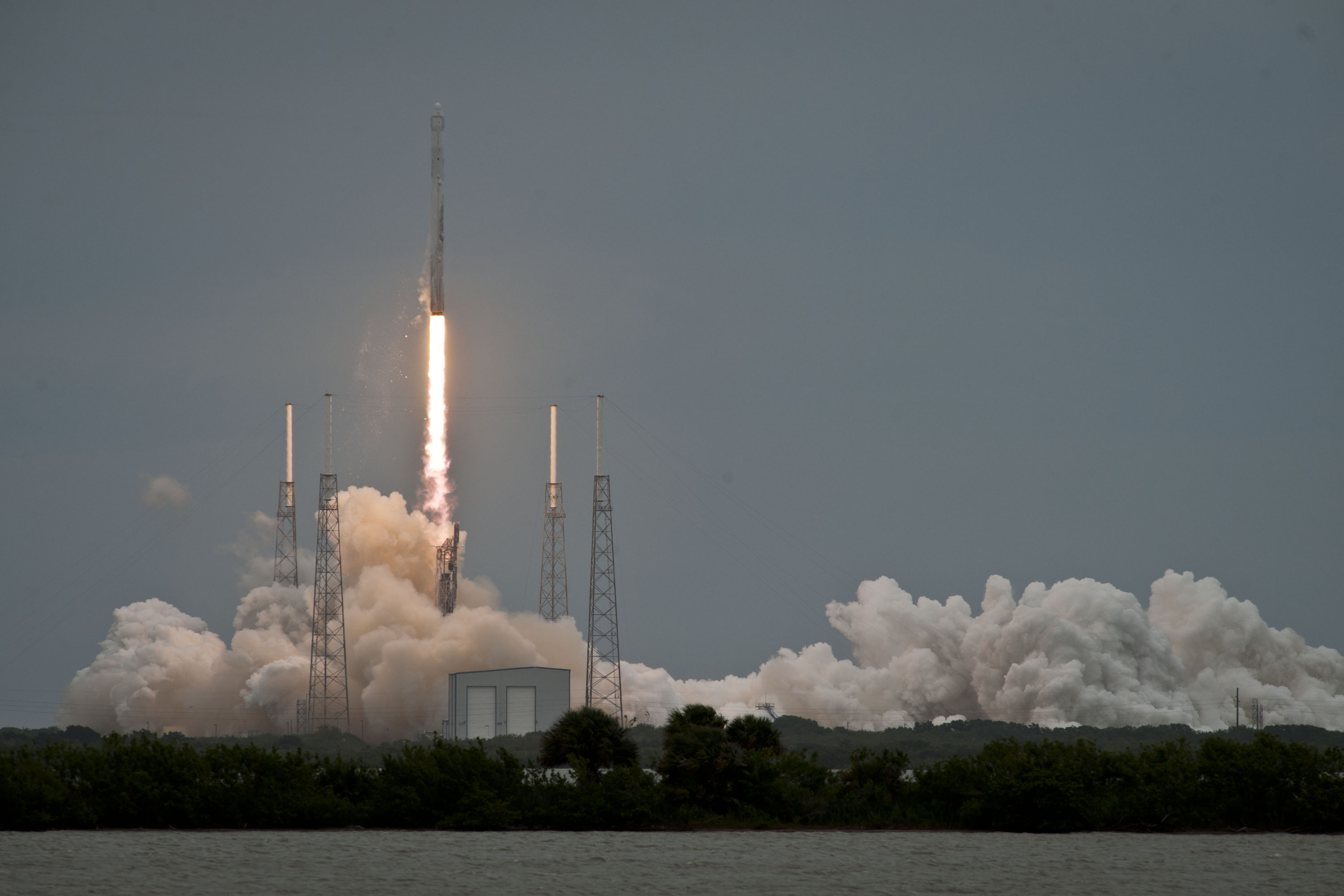
On April 18, 2014, a Falcon 9 first stage did something no orbital rocket had ever done before. It fired its engines on the way down, steered itself through the atmosphere using grid fins that did not yet exist, and touched the Atlantic Ocean softly enough to survive the impact. Nobody recovered it. The data was the whole point.