PEGASUS DEB (24500)

COSPAR: 1994-029UZ | Alt Name: deb HAPS
DECAYED

Image
PEGASUS DEB Satellite Image
Additional Sources
Launch Details

Launch Date

May 19, 1994

Launch Site

AFWTR

Launch Pad

RW04/22

Launch Vehicle

Pegasus/HAPS

Orbital Elements

NORAD ID

24500

International Designator

1994-029UZ

Decay Date

7/28/2002

Basic Satellite Info

Name

PEGASUS DEB

Alternative Name

deb HAPS

Type

Debris

Status

Space Junk

Owner

OSCC

Country

United States

Constellation

N/A

Related Satellites

Major Events

N/A

Summary
Space debris, also known as space junk, encompasses all non-functional objects orbiting Earth such as defunct satellites, spent rocket stages, and fragments from collisions or disintegrations. Over time, this debris can accumulate and create an increasingly hazardous environment in orbit. Even tiny fragments, traveling at extremely high velocities, can inflict significant damage on operational satellites and spacecraft. If left unmanaged, the density of debris raises the risk of catastrophic collisions and further fragmentation, compounding the problem and threatening the safety and sustainability of space activities.
Physical Characteristics

Length

0

Diameter

0

Span

0

Dry Mass

0

Launch Mass

0

Shape

N/A

Radar Cross Section

0.0236

Visual Magnitude

Unknown

Color

Unknown

Material Composition

Unknown

Technical Details

Payload

Unknown

Purpose

Unknown

Mission

Unknown

Manufacturer

Unknown

Life Expectancy

Unknown

Bus

Unknown

Configuration

Unknown

Motor

Unknown

Equipment

Unknown

Power System

Unknown

ADCS

Unknown

Transmitter Frequency

Unknown

Satellite Articles

View All Posts »

Learn more about satellites and other related topics.

China's Rocket Factory Finds a Second Gear

China's Rocket Factory Finds a Second Gear

In 2024, China launched 68 orbital missions. In 2025, the number jumped to 97. In 2026, state media and Western analysts agree the target is 140 or more. Most of that growth is being driven by two state-backed mega-constellations, a half-dozen private launch companies hitting stride, and a deliberate national pivot toward commercial space. Beijing is no longer trying to catch SpaceX. It is trying to build an industrial base that outlasts one.

Space Brief 17 Aug 2025

Space Brief 17 Aug 2025

Today's space news features major US Space Force satellite launches, regulatory changes supporting private space initiatives, and updates on SpaceX's Starship advances.

Space Force Completes First Tactical Orbital Intercept | KeepTrack Space Brief

Space Force Completes First Tactical Orbital Intercept | KeepTrack Space Brief

U.S. Space Force executes first tactical orbital intercept under Victus Haze mission using commercial spacecraft. Rendezvous and proximity operations now operationally demonstrated.

X Report 27 Mar 2025

X Report 27 Mar 2025

SpaceX successfully launches 27 Starlink satellites and gains approval for internet services in Vietnam.

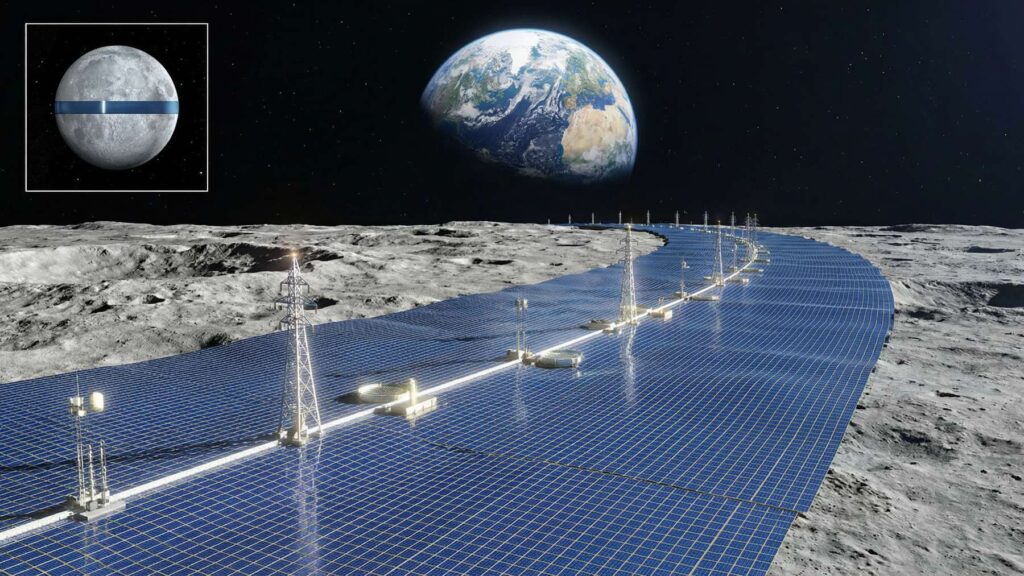
Shimizu's Luna Ring - The Plan to Wrap the Moon in Solar Panels

Shimizu's Luna Ring - The Plan to Wrap the Moon in Solar Panels

A 220-year-old Japanese construction company wants to build an 11,000-kilometer belt of solar cells around the lunar equator and beam the power back to Earth. The physics checks out. Everything else is another story.

Crew-11 Emergency Evacuation Raises Space Rescue Alarm | KeepTrack X Report

Crew-11 Emergency Evacuation Raises Space Rescue Alarm | KeepTrack X Report

SpaceX Crew-11 made an emergency return from the ISS on Jan. 15 after a medical crisis, spotlighting gaps in space rescue infrastructure.

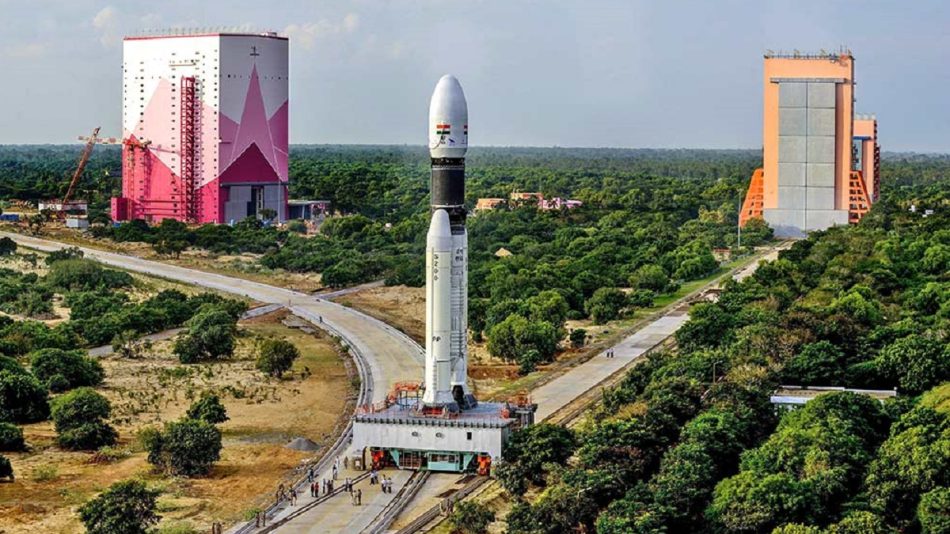
Kulasekarapattinam SSLV Launch Complex

Kulasekarapattinam SSLV Launch Complex

India's second spaceport solves a geometry problem. How ISRO is building a dedicated small satellite facility that eliminates the costly dogleg maneuvers plaguing polar launches from Sriharikota.

How a Parachutist Named Seagull Became the First Woman in Space

How a Parachutist Named Seagull Became the First Woman in Space

On 16 June 1963, a 26-year-old former textile worker named Valentina Tereshkova launched aboard Vostok 6 and spent nearly three days alone in orbit. She flew 48 times around the Earth, longer than every American astronaut combined, and spotted a dangerous flaw in her descent program that ground controllers had missed.