

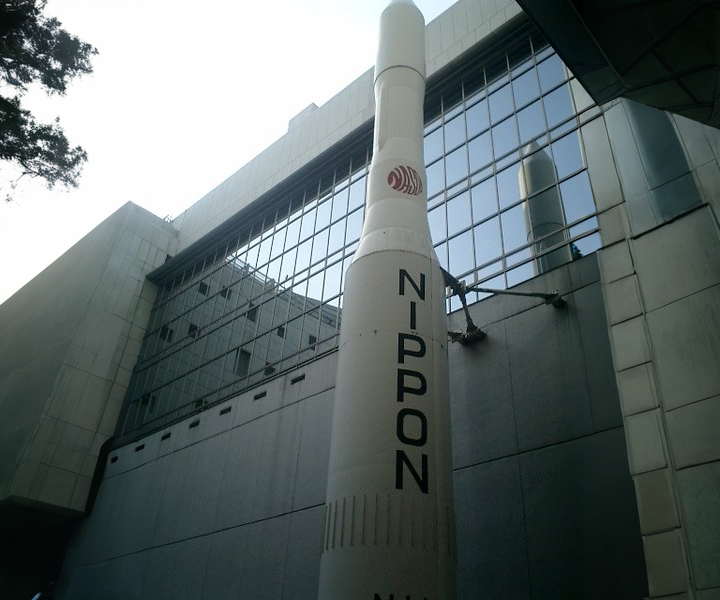
The Day Japan Joined the Geostationary Club
Forty-eight years ago, a pioneering satellite named Kiku 2 propelled Japan into the exclusive group of nations capable of operating satellites in geostationary orbit



Launch Date
September 17, 1966
Launch Site
Launch Pad
Unknown
Launch Vehicle
Unknown
NORAD ID
02449
International Designator
N/A
Decay Date
9/30/1966
Name
CIS UNKNOWN 1 DEB
Alternative Name
deb OGCh
Type
Status
Owner
RVSN
Country
USSR
Constellation
N/A
Related Satellites
Major Events
N/A
Length
0
Diameter
0
Span
0
Dry Mass
0
Launch Mass
0
Shape
N/A
Radar Cross Section
Unknown
Visual Magnitude
Unknown
Color
Unknown
Material Composition
Unknown
Payload
Unknown
Purpose
Unknown
Mission
Unknown
Manufacturer
Unknown
Life Expectancy
Unknown
Bus
Unknown
Configuration
Unknown
Motor
Unknown
Equipment
Unknown
Power System
Unknown
ADCS
Unknown
Transmitter Frequency
Unknown
Learn more about satellites and other related topics.
Forty-eight years ago, a pioneering satellite named Kiku 2 propelled Japan into the exclusive group of nations capable of operating satellites in geostationary orbit
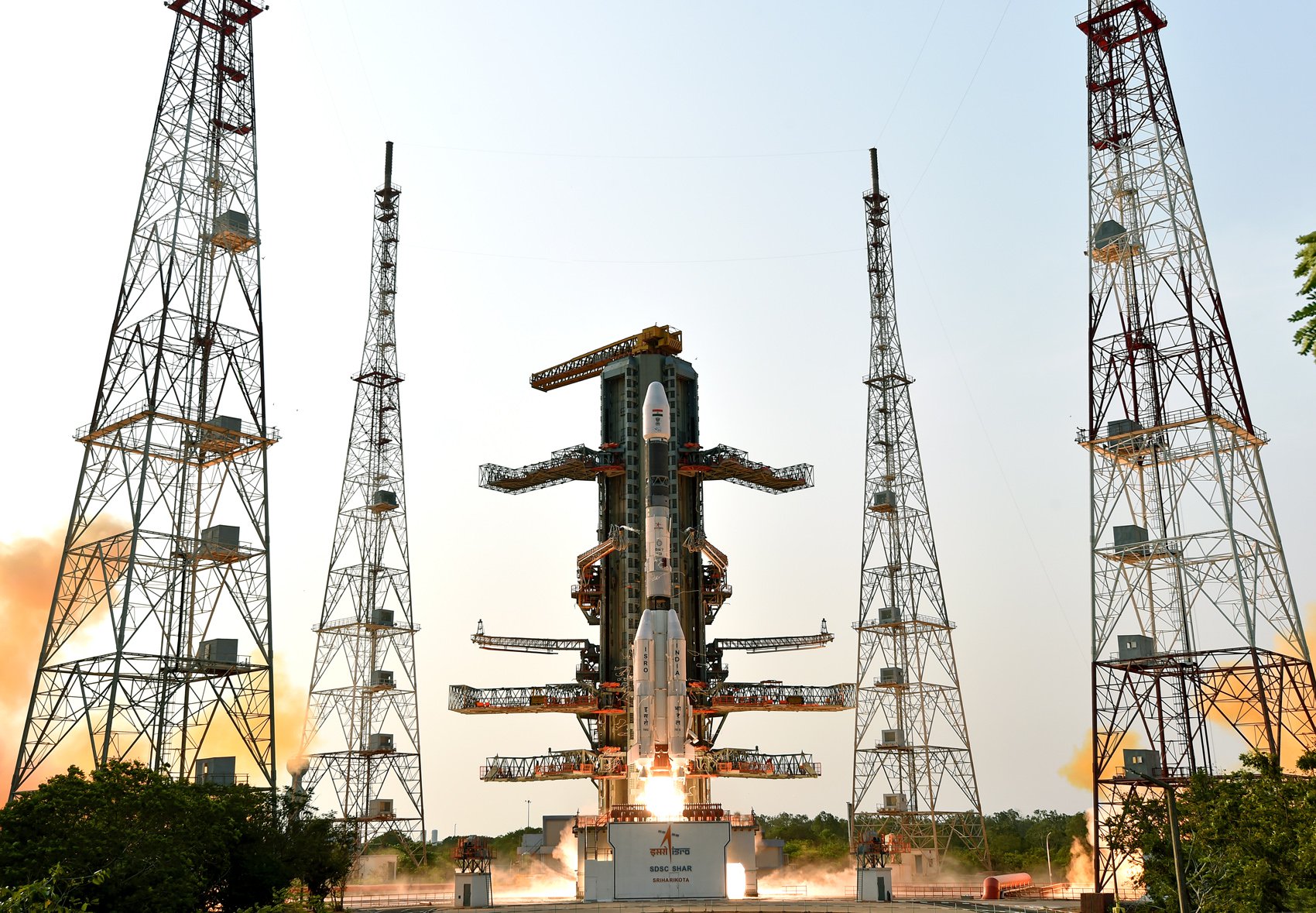
Key developments include China's Shijian 26 satellite launch, U.S. Space Force's BAE Systems contract for missile-tracking satellites, and military advancements in space systems.

Amid multiple new launches, SpaceX marks its 300th orbital flight milestone at Cape Canaveral while pushing forward with cargo and reentry missions.
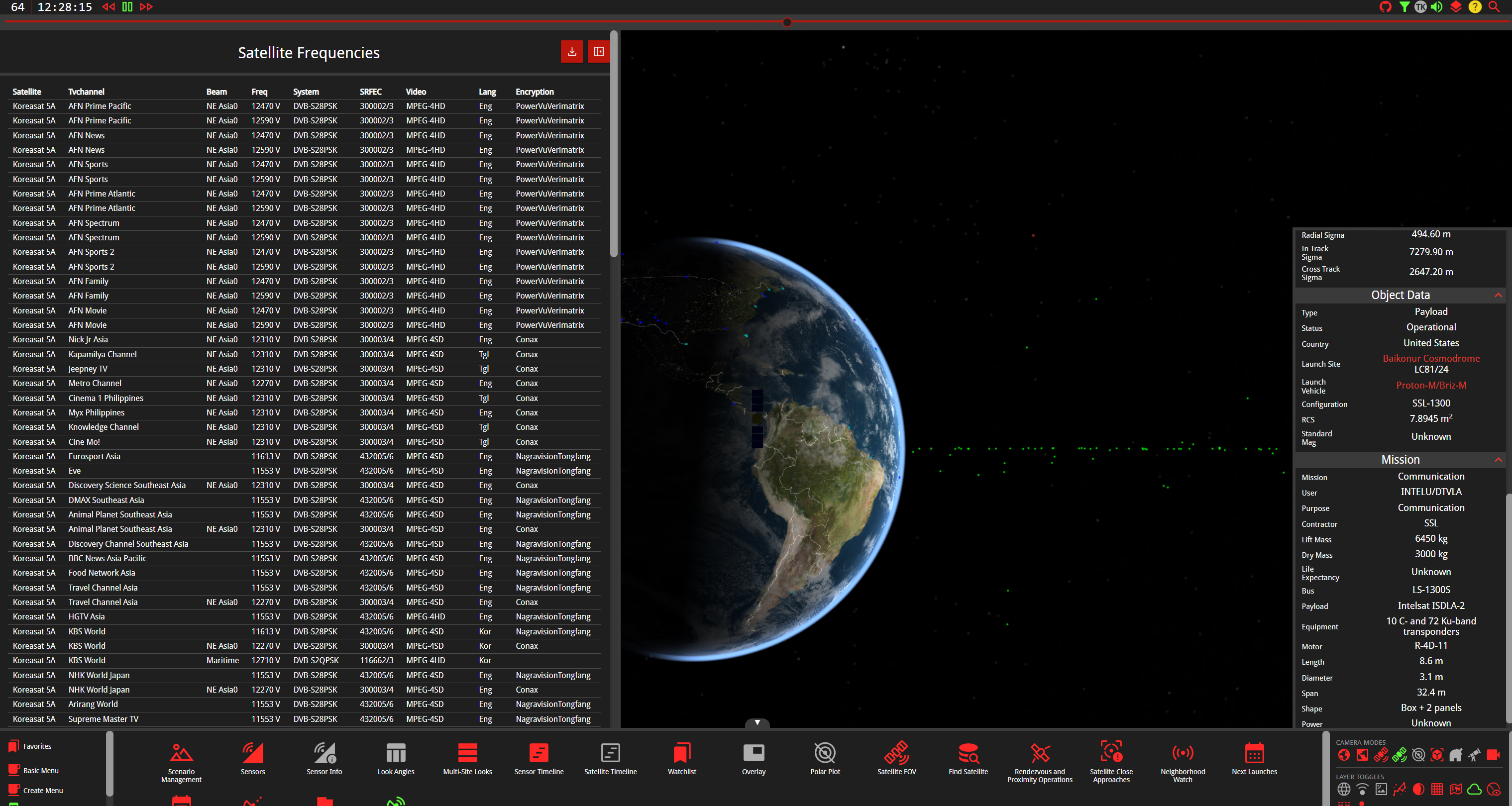
The workhorse frequency band that quietly powers satellite communications, weather radar, and Wi-Fi around the world
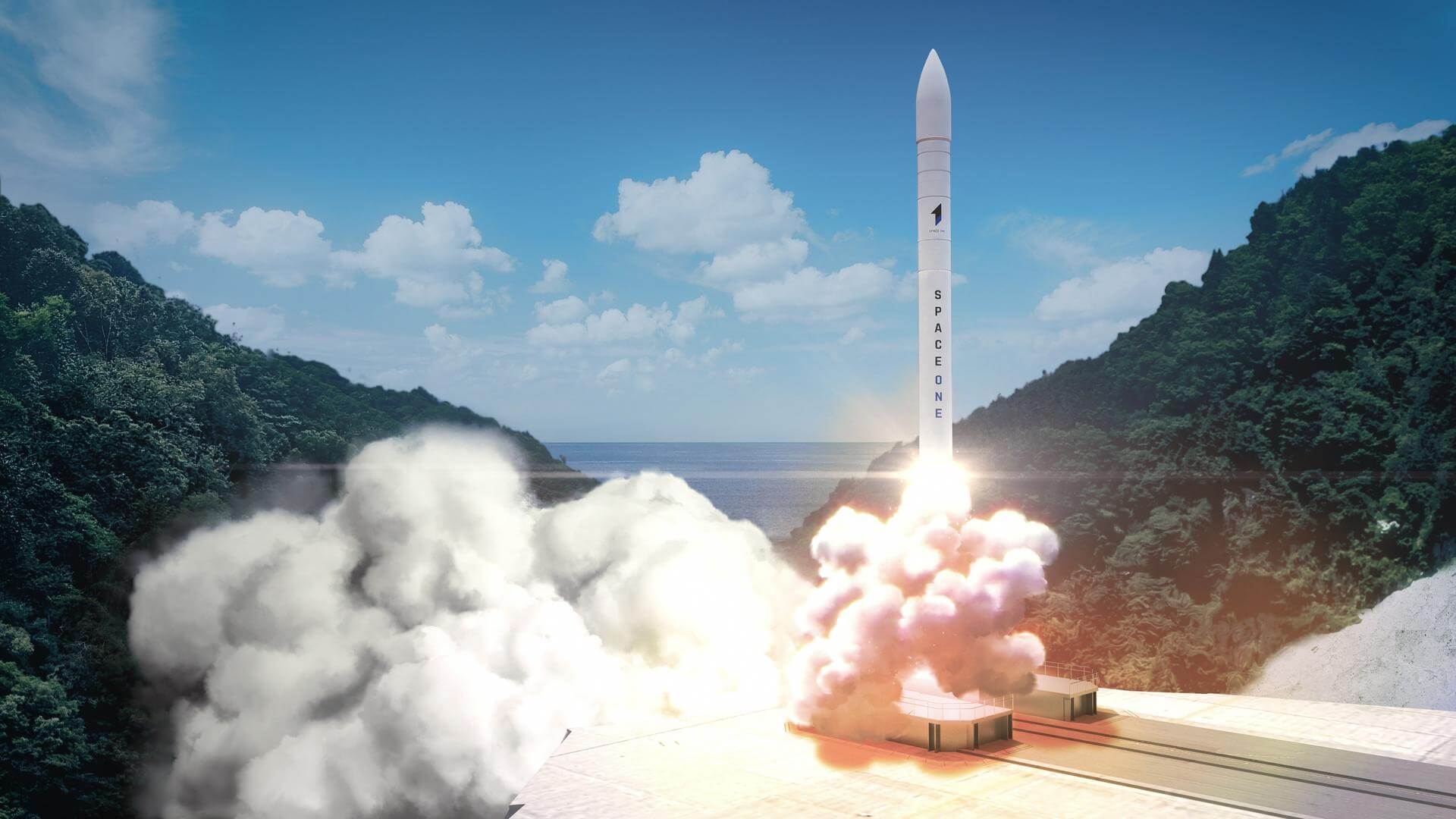
SpaceX reaches 600th Falcon 9 launch with Starlink 17-13 from Vandenberg. NASA SLS hydrogen leak repairs only partially successful. New book explores forces shaping space.

Today's brief highlights the maiden flight of Blue Origin's Blue Ring spacecraft with a new AI-driven space sensor, debates on asteroid defense responsibilities, and updates on the U.S. Space Force's missile shield leadership.

Iran successfully struck U.S. aircraft in Saudi Arabia despite maxed-out defensive posture. Space Force ISR and missile warning gaps exposed. Tracking impacts.

On April 14, 1958, Sputnik 2 burned up over the North Atlantic, carrying the remains of a stray dog from Moscow who had been dead for five months. The Soviet Union told the world she survived for days. It took forty-five years for the truth to come out.