

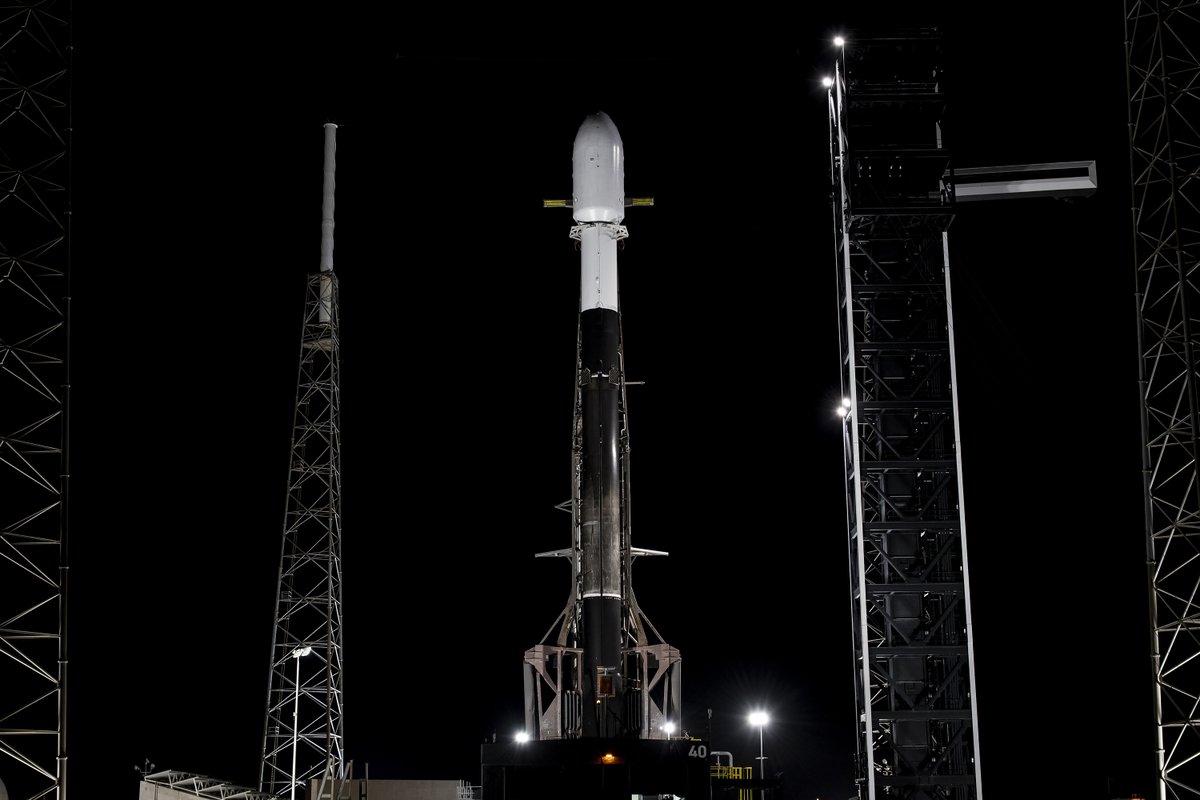
SpaceX Launches 1,500th Starlink of 2026, Space Brief 15 Jun 2026
SpaceX launches its 1,500th Starlink satellite of 2026 as shares jump 19% on Nasdaq debut day. Musk targets $1 trillion in annual revenue by 2030.



Launch Date
May 19, 1994
Launch Site
AFWTR
Launch Pad
RW04/22
Launch Vehicle
Pegasus/HAPS
NORAD ID
24459
International Designator
1994-029TG
Decay Date
6/8/1997
Name
PEGASUS DEB
Alternative Name
deb HAPS
Type
Status
Owner
OSCC
Country
United States
Constellation
N/A
Related Satellites
Major Events
N/A
Length
0
Diameter
0
Span
0
Dry Mass
0
Launch Mass
0
Shape
N/A
Radar Cross Section
0.0033
Visual Magnitude
Unknown
Color
Unknown
Material Composition
Unknown
Payload
Unknown
Purpose
Unknown
Mission
Unknown
Manufacturer
Unknown
Life Expectancy
Unknown
Bus
Unknown
Configuration
Unknown
Motor
Unknown
Equipment
Unknown
Power System
Unknown
ADCS
Unknown
Transmitter Frequency
Unknown
Learn more about satellites and other related topics.
SpaceX launches its 1,500th Starlink satellite of 2026 as shares jump 19% on Nasdaq debut day. Musk targets $1 trillion in annual revenue by 2030.
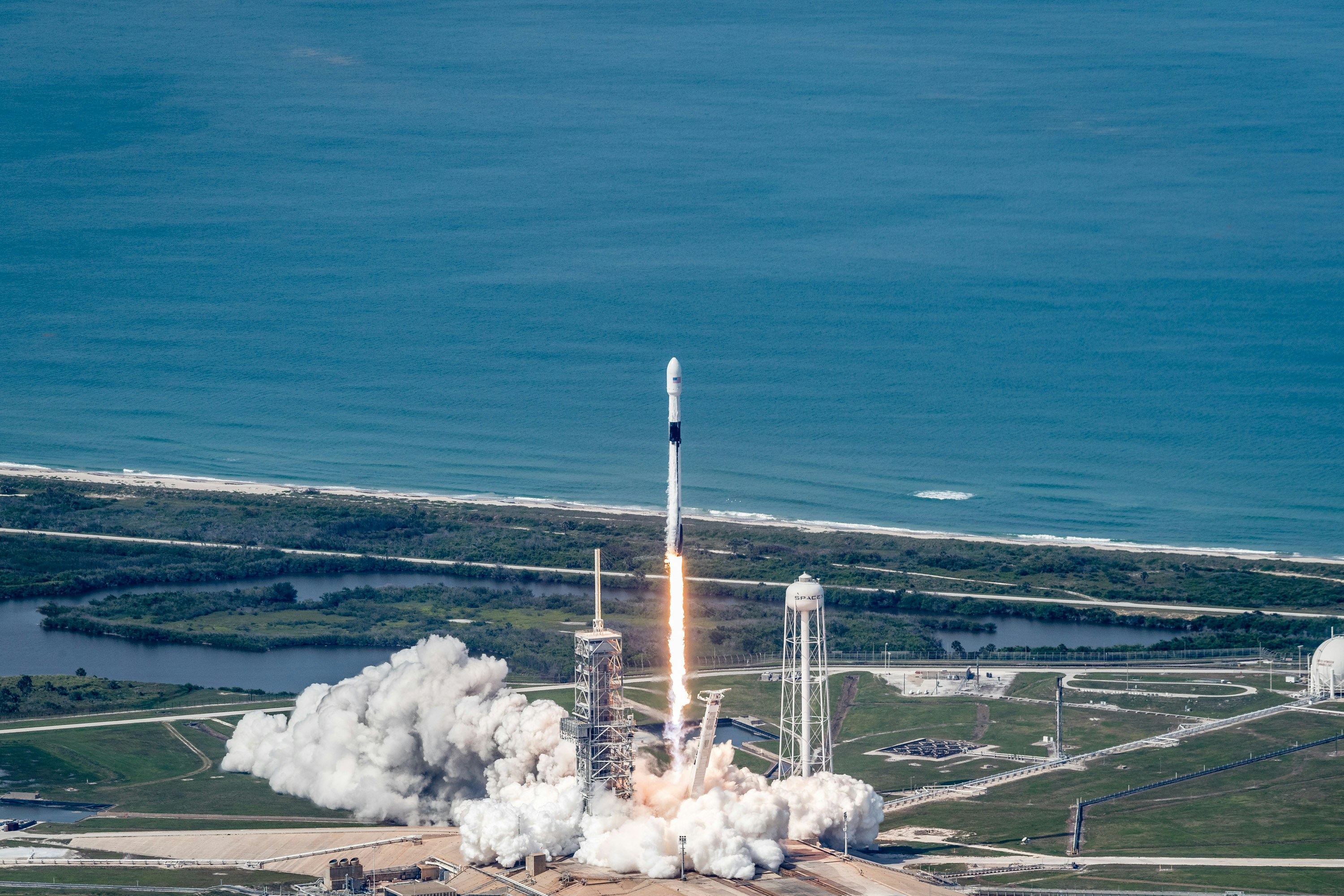
SpaceX conducted multiple successful launches this week, adding to its Starlink constellation and marking significant milestones in its ongoing missions.

U.S. Space Force executes first tactical orbital intercept under Victus Haze mission using commercial spacecraft. Rendezvous and proximity operations now operationally demonstrated.

China files ITU paperwork for megaconstellations totaling nearly 200,000 satellites. SpaceX launches first rideshare mission of 2026 from Vandenberg. NASA plans ISS crew medical evacuation.
SpaceX prepares for another Starlink launch today, following a successful deployment over the weekend from Florida's Space Coast.
SpaceX officially merged with Elon Musk's xAI under the SpaceXAI brand, while a Falcon 9 lofted 81 rideshare payloads from Vandenberg on July 7.
Today's brief covers the Army's move to create a space career field for enlisted soldiers, Terran Orbital's involvement in a Space Force tech program, advancements in missile warning systems, a first flight test by Inversion Space, and more.
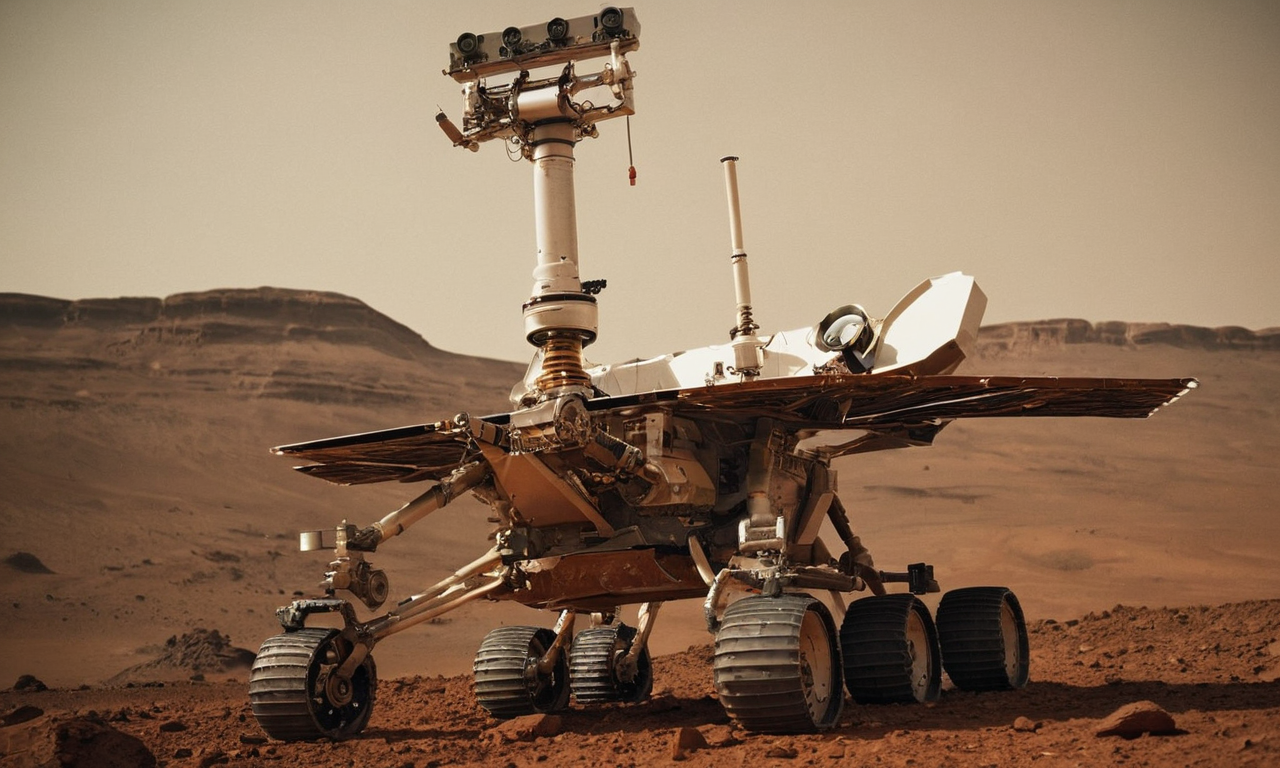
Twenty-one years ago, a golf cart-sized rover bounced to a stop inside a small crater on Mars, beginning one of the most remarkable chapters in space exploration history