


X Report 7 Oct 2025
SpaceX successfully launched 28 Starlink satellites on October 7, further expanding its broadband constellation while hosting an active launch schedule this week.


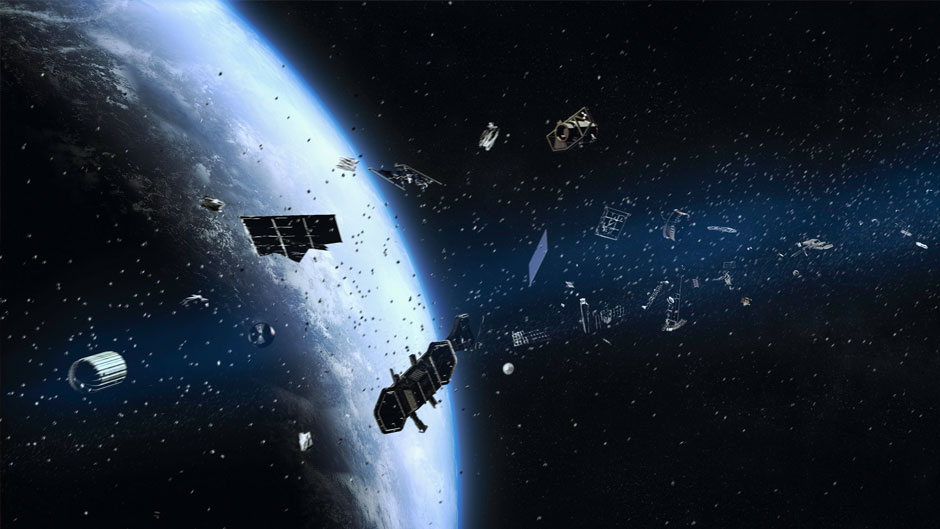
Launch Date
May 19, 1994
Launch Site
AFWTR
Launch Pad
RW04/22
Launch Vehicle
Pegasus/HAPS
NORAD ID
24431
International Designator
1994-029SK
Decay Date
12/3/1996
Name
PEGASUS DEB
Alternative Name
deb HAPS
Type
Status
Owner
OSCC
Country
United States
Constellation
N/A
Related Satellites
Major Events
N/A
Length
0
Diameter
0
Span
0
Dry Mass
0
Launch Mass
0
Shape
N/A
Radar Cross Section
0.0049
Visual Magnitude
Unknown
Color
Unknown
Material Composition
Unknown
Payload
Unknown
Purpose
Unknown
Mission
Unknown
Manufacturer
Unknown
Life Expectancy
Unknown
Bus
Unknown
Configuration
Unknown
Motor
Unknown
Equipment
Unknown
Power System
Unknown
ADCS
Unknown
Transmitter Frequency
Unknown
Learn more about satellites and other related topics.
SpaceX successfully launched 28 Starlink satellites on October 7, further expanding its broadband constellation while hosting an active launch schedule this week.
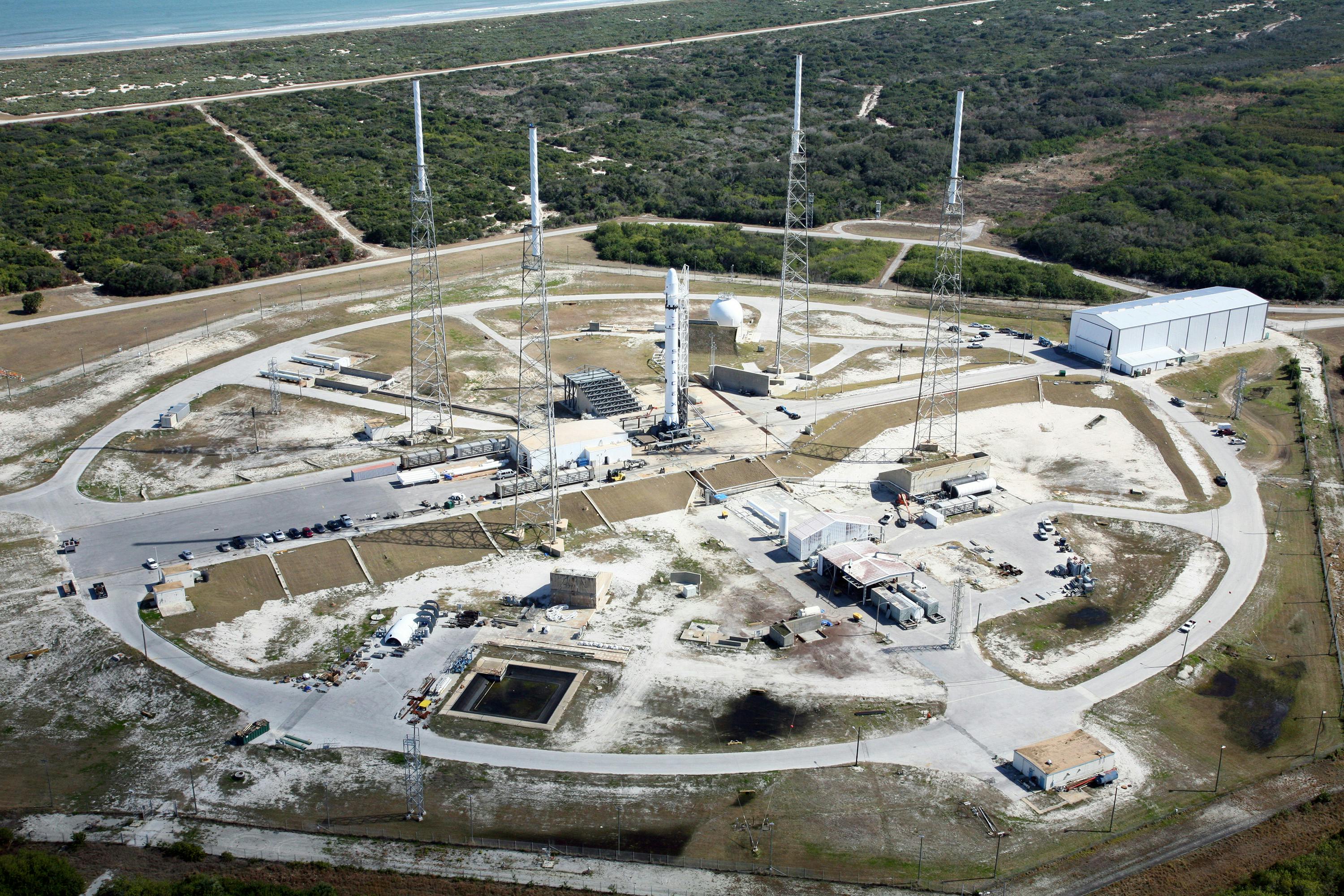
SpaceX marks a milestone with its 500th Falcon 9 mission during a week of notable developments, including ongoing Starlink deployments and changes in U.S. military plans.

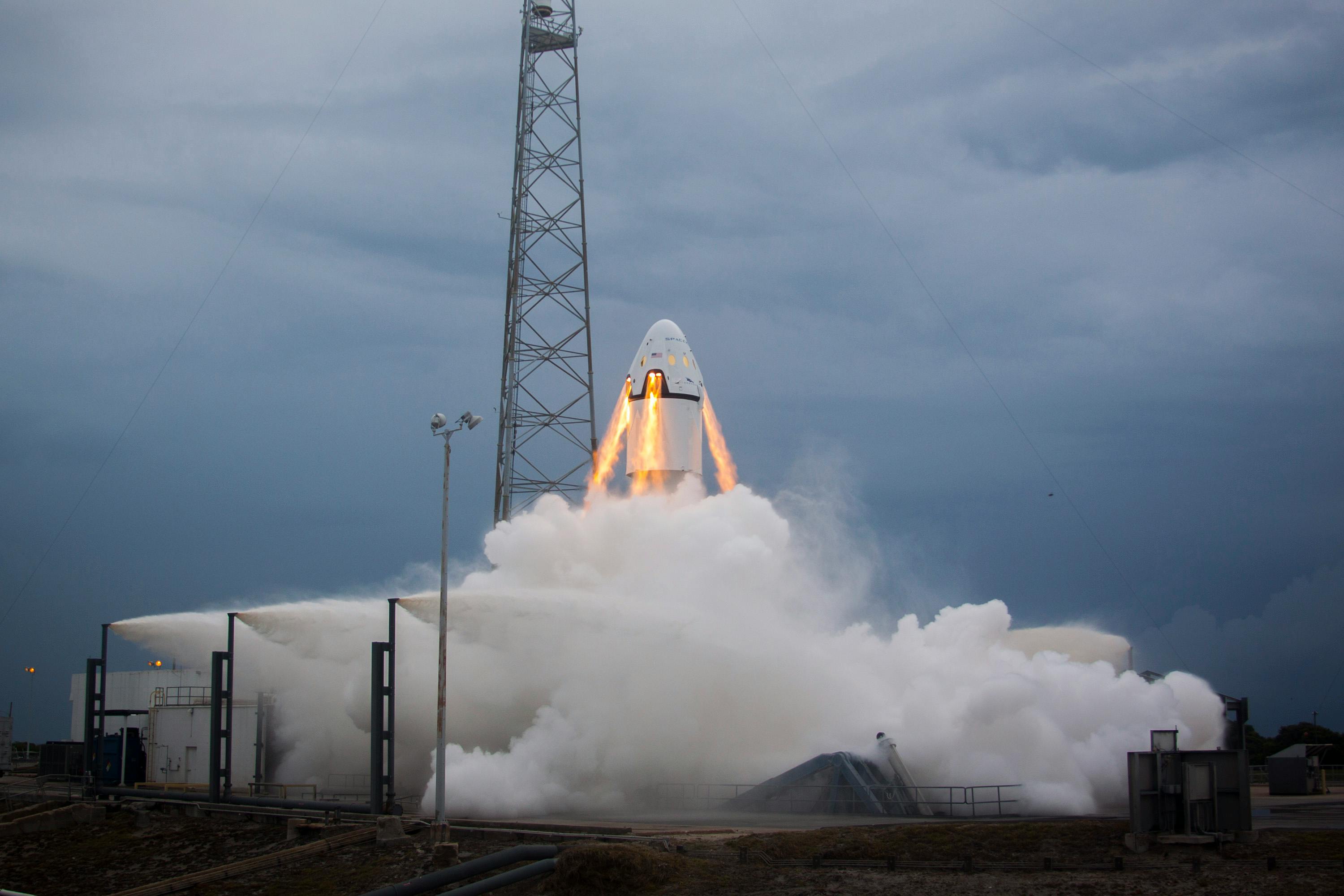
SpaceX conducted significant test firings and further expanded its satellite fleet, while the EU scrutinizes Starlink's market impact amid ongoing space industry negotiations.

Major challenges emerged with SpaceX's next-generation Starship booster testing, while Starlink deployments continued with successful launches.
Explore today's space news including Space Force's five-year reflection, Rocket Lab's military hypersonic test, SpaceX's festive launch, and a glimpse at China's strategic space maneuvers.
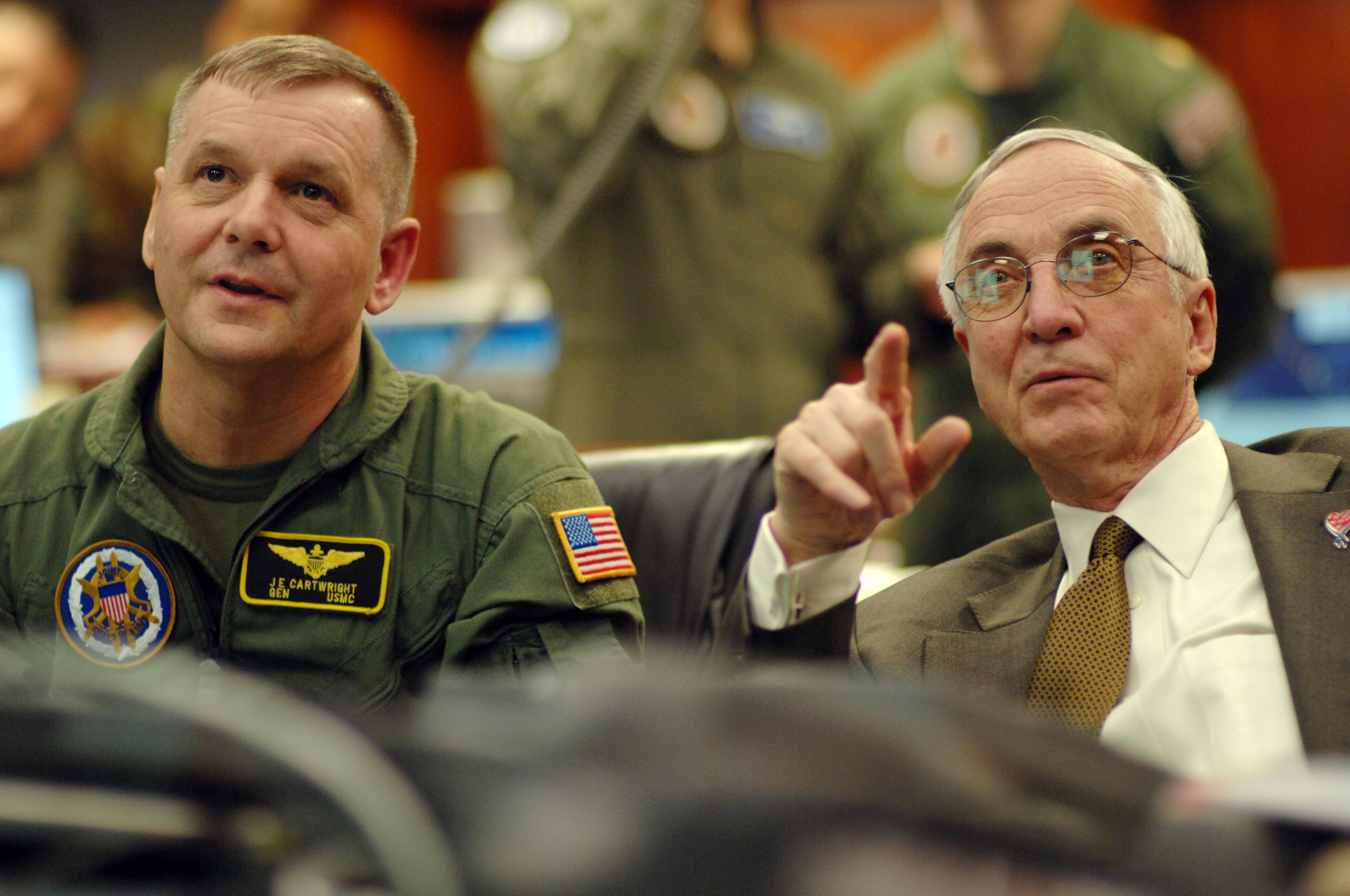
Seventeen years ago, a Navy cruiser in the Pacific fired a missile at a tumbling reconnaissance satellite that had failed within hours of reaching orbit - officially to prevent toxic fuel from reaching the ground, unofficially to prove something far more significant to China and the world

On April 22, 2026, the FAA published a final rule implementing per-launch user fees for commercial space transportation — the first time the U.S. government has charged payload-based fees for rocket launches. Starting at 25 cents per pound with a $30,000 cap, the fees are modest today. By 2033, they won't be.

SpaceX secures FCC nod for Starlink's direct-to-phone connectivity, lands NASA's Dragonfly mission, and sees new competition with the ZhuQue-2E launch.