PEGASUS DEB (24392)

COSPAR: 1994-029QV | Alt Name: deb HAPS
DECAYED

Image
PEGASUS DEB Satellite Image
Additional Sources
Launch Details

Launch Date

May 19, 1994

Launch Site

AFWTR

Launch Pad

RW04/22

Launch Vehicle

Pegasus/HAPS

Orbital Elements

NORAD ID

24392

International Designator

1994-029QV

Decay Date

4/29/1997

Basic Satellite Info

Name

PEGASUS DEB

Alternative Name

deb HAPS

Type

Debris

Status

Space Junk

Owner

OSCC

Country

United States

Constellation

N/A

Related Satellites

Major Events

N/A

Summary
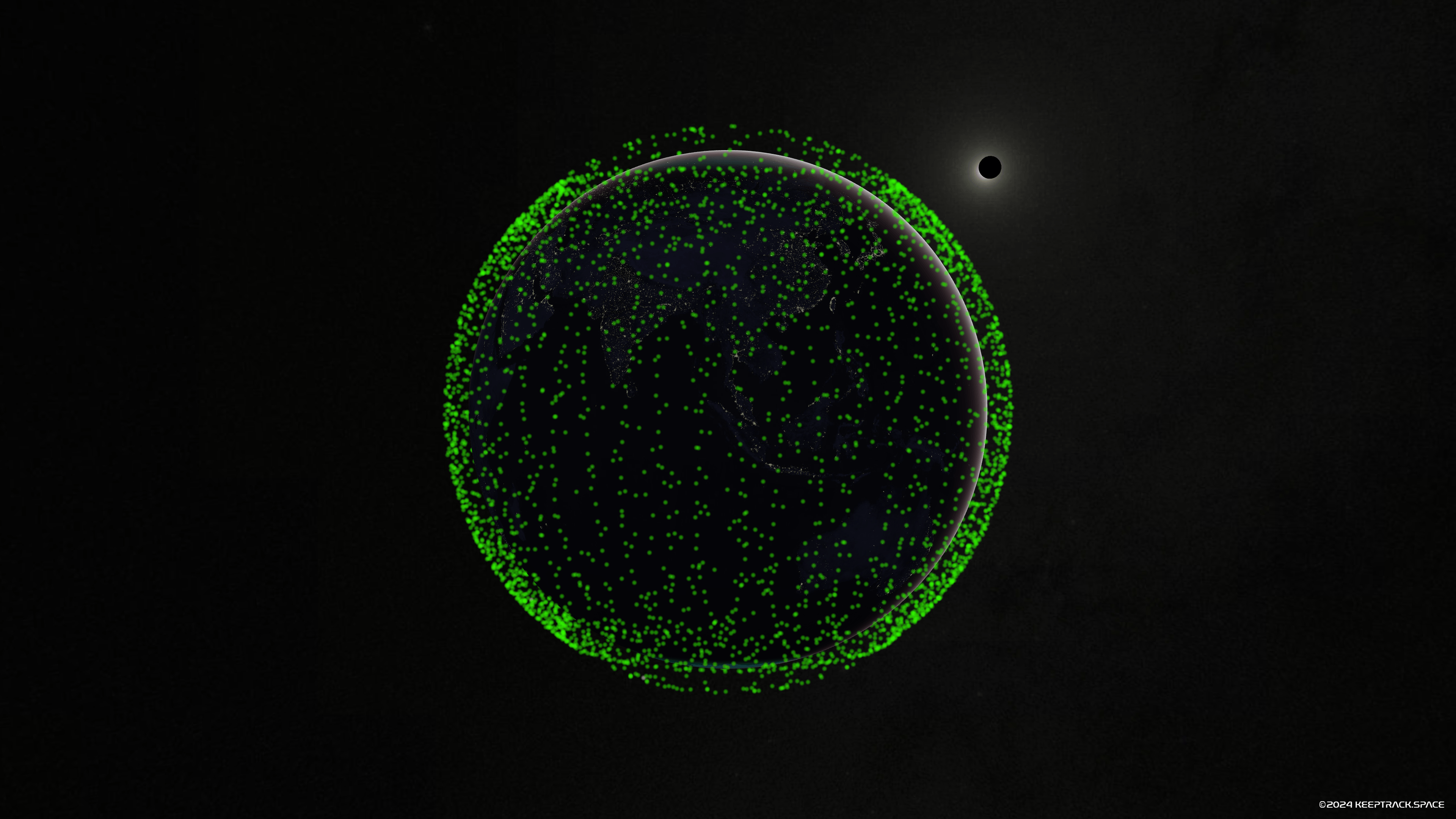
Space debris, also known as space junk, encompasses all non-functional objects orbiting Earth such as defunct satellites, spent rocket stages, and fragments from collisions or disintegrations. Over time, this debris can accumulate and create an increasingly hazardous environment in orbit. Even tiny fragments, traveling at extremely high velocities, can inflict significant damage on operational satellites and spacecraft. If left unmanaged, the density of debris raises the risk of catastrophic collisions and further fragmentation, compounding the problem and threatening the safety and sustainability of space activities.
Physical Characteristics

Length

0

Diameter

0

Span

0

Dry Mass

0

Launch Mass

0

Shape

N/A

Radar Cross Section

0.0155

Visual Magnitude

Unknown

Color

Unknown

Material Composition

Unknown

Technical Details

Payload

Unknown

Purpose

Unknown

Mission

Unknown

Manufacturer

Unknown

Life Expectancy

Unknown

Bus

Unknown

Configuration

Unknown

Motor

Unknown

Equipment

Unknown

Power System

Unknown

ADCS

Unknown

Transmitter Frequency

Unknown

Satellite Articles

View All Posts »

Learn more about satellites and other related topics.

Starlink Satellites Dominate Earth's Orbit

Starlink Satellites Dominate Earth's Orbit

SpaceX's Starlink constellation has grown at an astonishing rate, now accounting for over 20% of all trackable objects in orbit. With plans for tens of thousands more, Starlink is on the cusp of forever changing the landscape of Earth's near-space environment.

China Files Plans for 200,000-Satellite Megaconstellation With ITU | KeepTrack Space Brief

China Files Plans for 200,000-Satellite Megaconstellation With ITU | KeepTrack Space Brief

China files ITU paperwork for megaconstellations totaling nearly 200,000 satellites. SpaceX launches first rideshare mission of 2026 from Vandenberg. NASA plans ISS crew medical evacuation.

Falcon Heavy Returns After 18-Month Hiatus | KeepTrack X Report

Falcon Heavy Returns After 18-Month Hiatus | KeepTrack X Report

SpaceX's Falcon Heavy flew for the first time in 18 months on April 29, while Starlink hit 51 Falcon 9 launches in 2026 with 10,280 satellites working.

X Report 23 Nov 2024

X Report 23 Nov 2024

SpaceX advances with Starship tests as Starlink continues global expansion. Key infrastructure updates from Cape Canaveral involve multiple industry players.

SpaceX Launches 500th Starlink Satellite of 2026, Microsoft Partnership Announced | KeepTrack X Report

SpaceX Launches 500th Starlink Satellite of 2026, Microsoft Partnership Announced | KeepTrack X Report

SpaceX launches 500th Starlink satellite of 2026 on 540th reused booster flight. Microsoft partners with Starlink for rural internet expansion. NASA reveals first ISS medical evacuation details.

Space Brief 28 Aug 2025

Space Brief 28 Aug 2025

Today's briefing covers collaborations enhancing defense capabilities, new satellite technologies entering the market, and strategic shifts in military satellite applications.

Earthquake Sensors Repurposed to Track Space Debris Reentry | KeepTrack Space Brief

Earthquake Sensors Repurposed to Track Space Debris Reentry | KeepTrack Space Brief

Scientists use earthquake sensors to track space debris reentry via sonic boom detection. SpaceX launches 25 Starlink satellites in seventh mission of 2026. NASA and DOE partner for lunar nuclear power.

Vulcan Grounding Threatens WGS-11 and OPIR Launches | KeepTrack Space Brief

Vulcan Grounding Threatens WGS-11 and OPIR Launches | KeepTrack Space Brief

ULA's Vulcan rocket grounded, imperiling Space Force WGS-11 communications satellite and Next-Gen OPIR missile warning payload. Both missions lack backup launch options.