

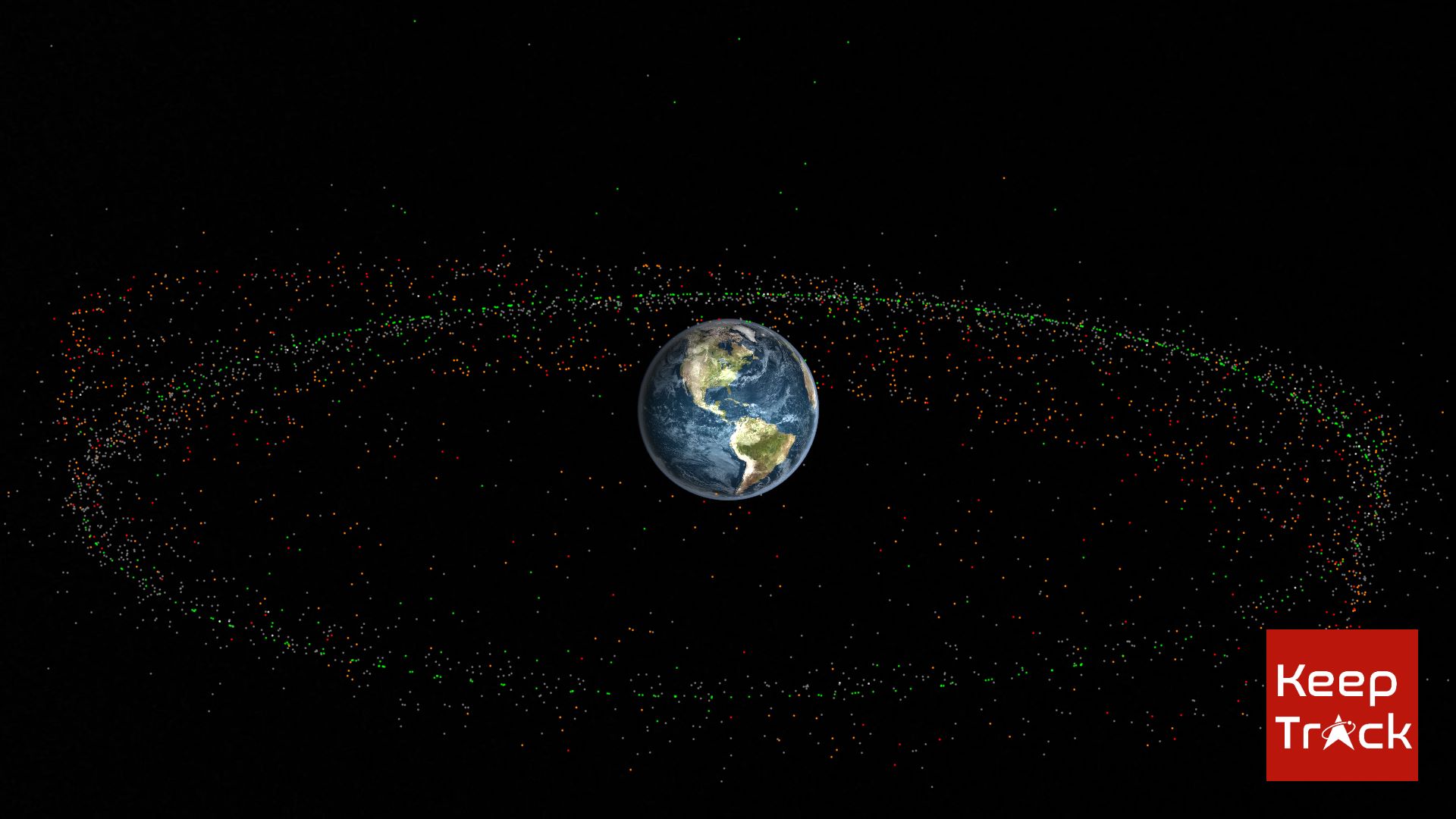
Geosynchronous Orbit (GEO)
Understanding the unique orbital sweet spot that keeps satellites perfectly positioned above Earth



Launch Date
May 19, 1994
Launch Site
AFWTR
Launch Pad
RW04/22
Launch Vehicle
Pegasus/HAPS
NORAD ID
24390
International Designator
1994-029QT
Decay Date
6/21/1997
Name
PEGASUS DEB
Alternative Name
deb HAPS
Type
Status
Owner
OSCC
Country
United States
Constellation
N/A
Related Satellites
Major Events
N/A
Length
0
Diameter
0
Span
0
Dry Mass
0
Launch Mass
0
Shape
N/A
Radar Cross Section
0.0365
Visual Magnitude
Unknown
Color
Unknown
Material Composition
Unknown
Payload
Unknown
Purpose
Unknown
Mission
Unknown
Manufacturer
Unknown
Life Expectancy
Unknown
Bus
Unknown
Configuration
Unknown
Motor
Unknown
Equipment
Unknown
Power System
Unknown
ADCS
Unknown
Transmitter Frequency
Unknown
Learn more about satellites and other related topics.
Understanding the unique orbital sweet spot that keeps satellites perfectly positioned above Earth
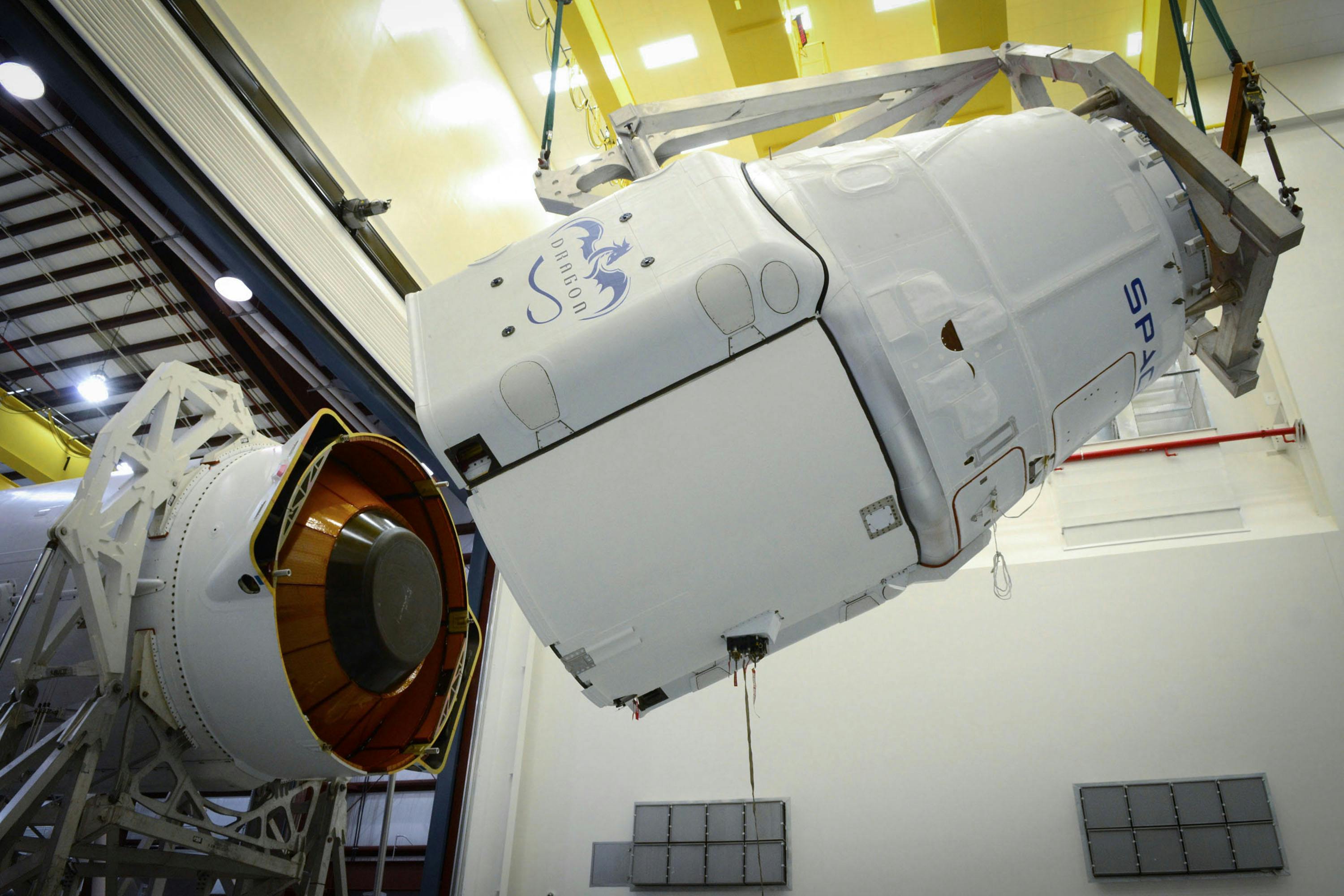
SpaceX wins a $2.29 billion US Space Force contract for a military space data network, NASA adds 6 crew missions, and Starship V3 makes its first flight.

Today's brief covers China's latest classified satellite launch, breakups in orbital refueling experiments, exciting advancements in microsatellites, and SpaceX's remarkable strides in spaceflight.
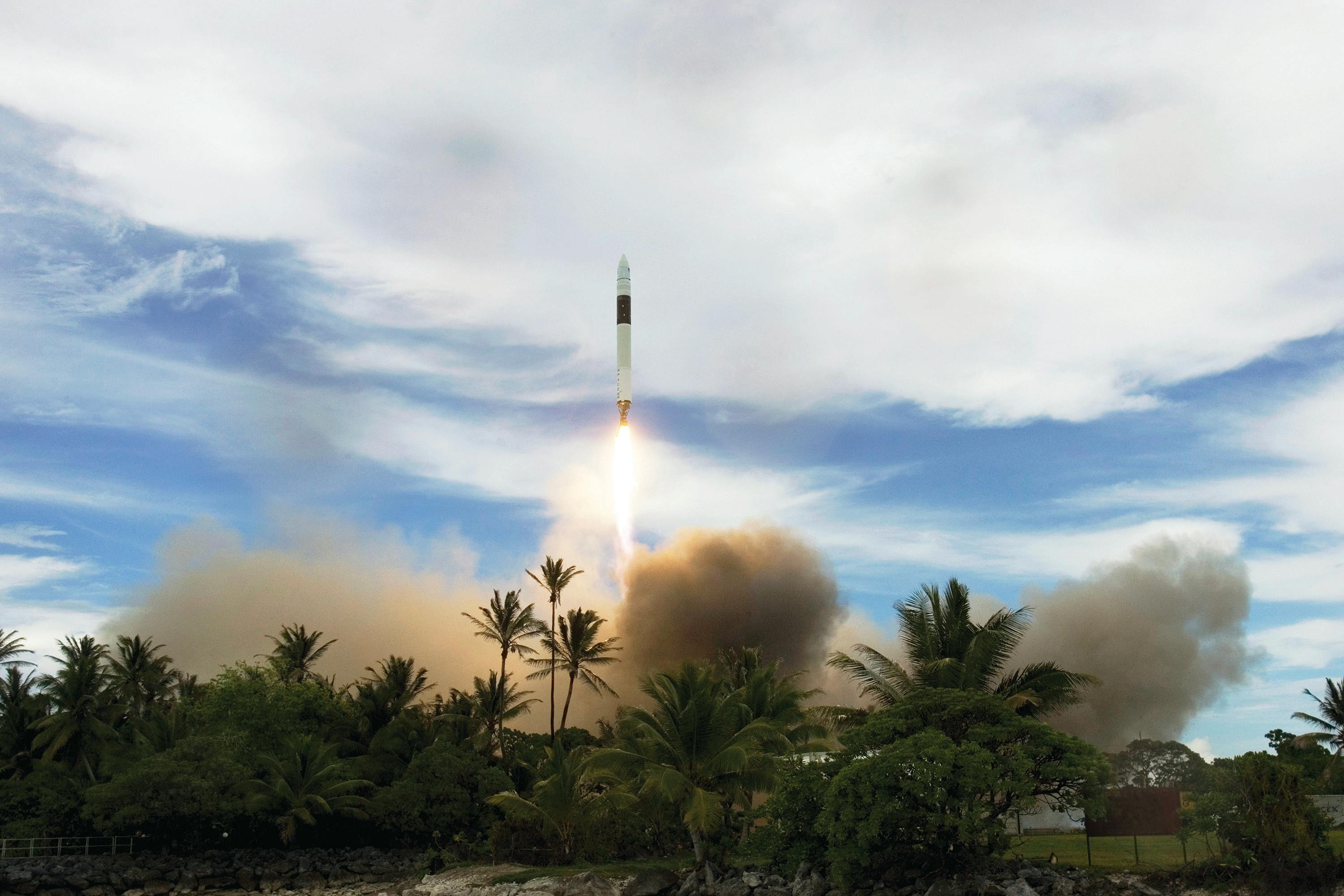
SpaceX's busy launch schedule faces scrubs, while industry leaders call for infrastructure upgrades, highlighting challenges in the bustling space sector.
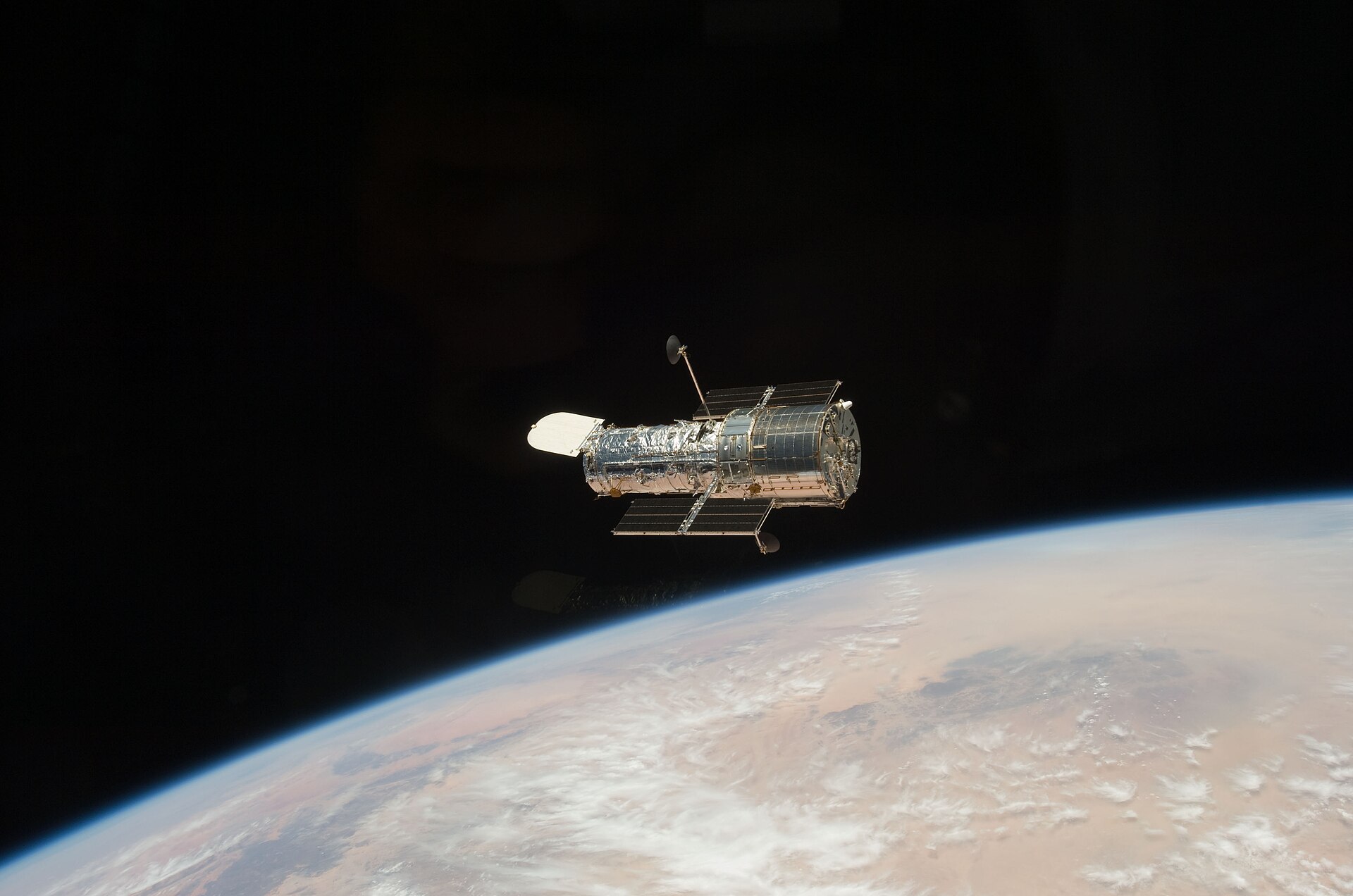
On April 25, 1990, the Space Shuttle Discovery's robotic arm lifted a 11,110-kilogram barrel of mirrors and instruments out of the payload bay and released it into orbit. Six weeks later, the first images came back badly out of focus. The Hubble Space Telescope had been ground to the wrong prescription, and America had just spent $2.5 billion on what the press was calling a 'technoturkey.'
ULA's Vulcan rocket preps for USSF-87 national security launch to open 2026. Sierra Space delivers SDA Tranche 2 satellites three months early. NASA delays spacewalk for Crew-11 medical issue.

Today's coverage includes the cancellation of DARPA's DRACO nuclear propulsion project, global shifts in Earth observation strategy, and new developments in satellite technology and military collaborations.
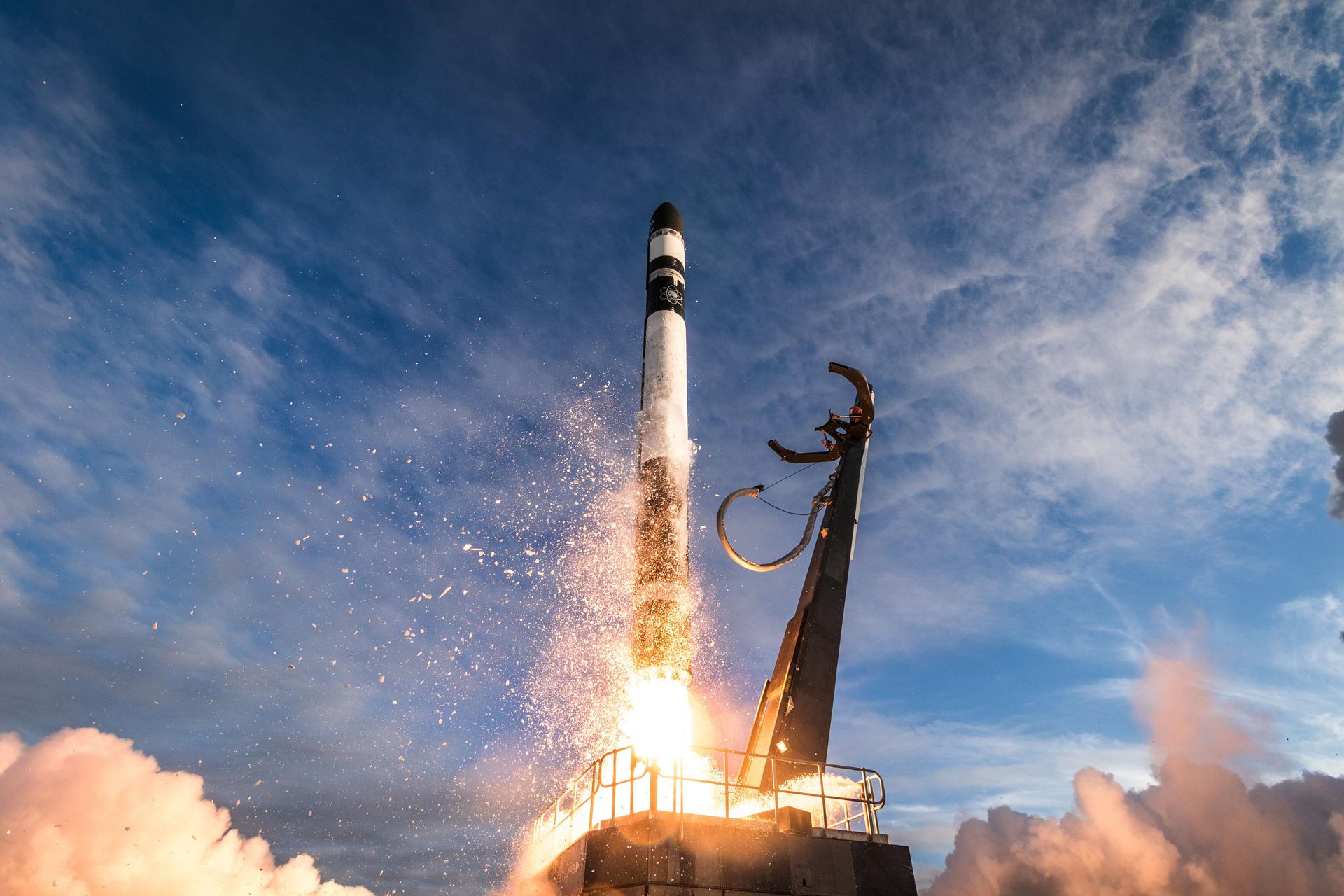
Today's update highlights Boeing's challenges with the Starliner, Europe's IRIS2 constellation advancement, China's CAS Space's global ambitions, and vivid new telescope images of cosmic events.