


Space Brief 22 Sep 2025
Today's edition highlights the operational deployment of HawkEye 360's Cluster 12, Shandong's record satellite launch, Planet Labs' latest imaging achievements, SpaceX's Starlink launches, and more.



Launch Date
May 19, 1994
Launch Site
AFWTR
Launch Pad
RW04/22
Launch Vehicle
Pegasus/HAPS
NORAD ID
24350
International Designator
1994-029PB
Decay Date
7/11/1998
Name
PEGASUS DEB
Alternative Name
deb HAPS
Type
Status
Owner
OSCC
Country
United States
Constellation
N/A
Related Satellites
Major Events
N/A
Length
0
Diameter
0
Span
0
Dry Mass
0
Launch Mass
0
Shape
N/A
Radar Cross Section
0.0581
Visual Magnitude
Unknown
Color
Unknown
Material Composition
Unknown
Payload
Unknown
Purpose
Unknown
Mission
Unknown
Manufacturer
Unknown
Life Expectancy
Unknown
Bus
Unknown
Configuration
Unknown
Motor
Unknown
Equipment
Unknown
Power System
Unknown
ADCS
Unknown
Transmitter Frequency
Unknown
Learn more about satellites and other related topics.
Today's edition highlights the operational deployment of HawkEye 360's Cluster 12, Shandong's record satellite launch, Planet Labs' latest imaging achievements, SpaceX's Starlink launches, and more.
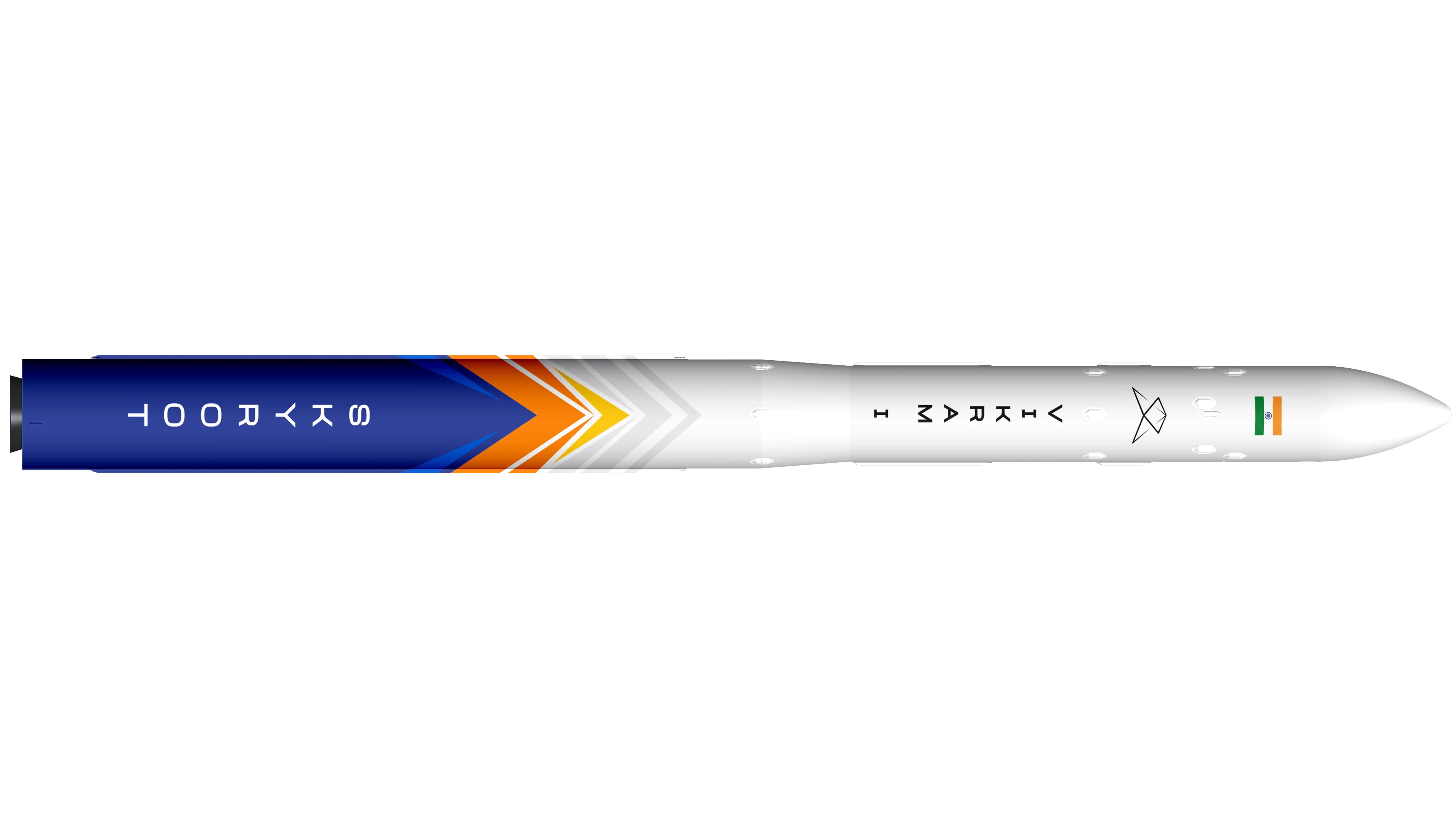
SpaceX rideshare Falcon 9 deployed 81 payloads including military tech demos to sun-synchronous orbit. China's Long March 10B and India's Vikram-I both debut this week among 6 scheduled launches.

SpaceX scrubs a launch due to ground system issues while continuing its ambitious deployment of Starlink satellites.

Today's Space Brief covers the Space Force's AI integration, NASA's lunar nuclear reactor plans, ESA's Flight Ticket Initiative, Martian mantle revelations, and SpaceX's latest Starlink launch.
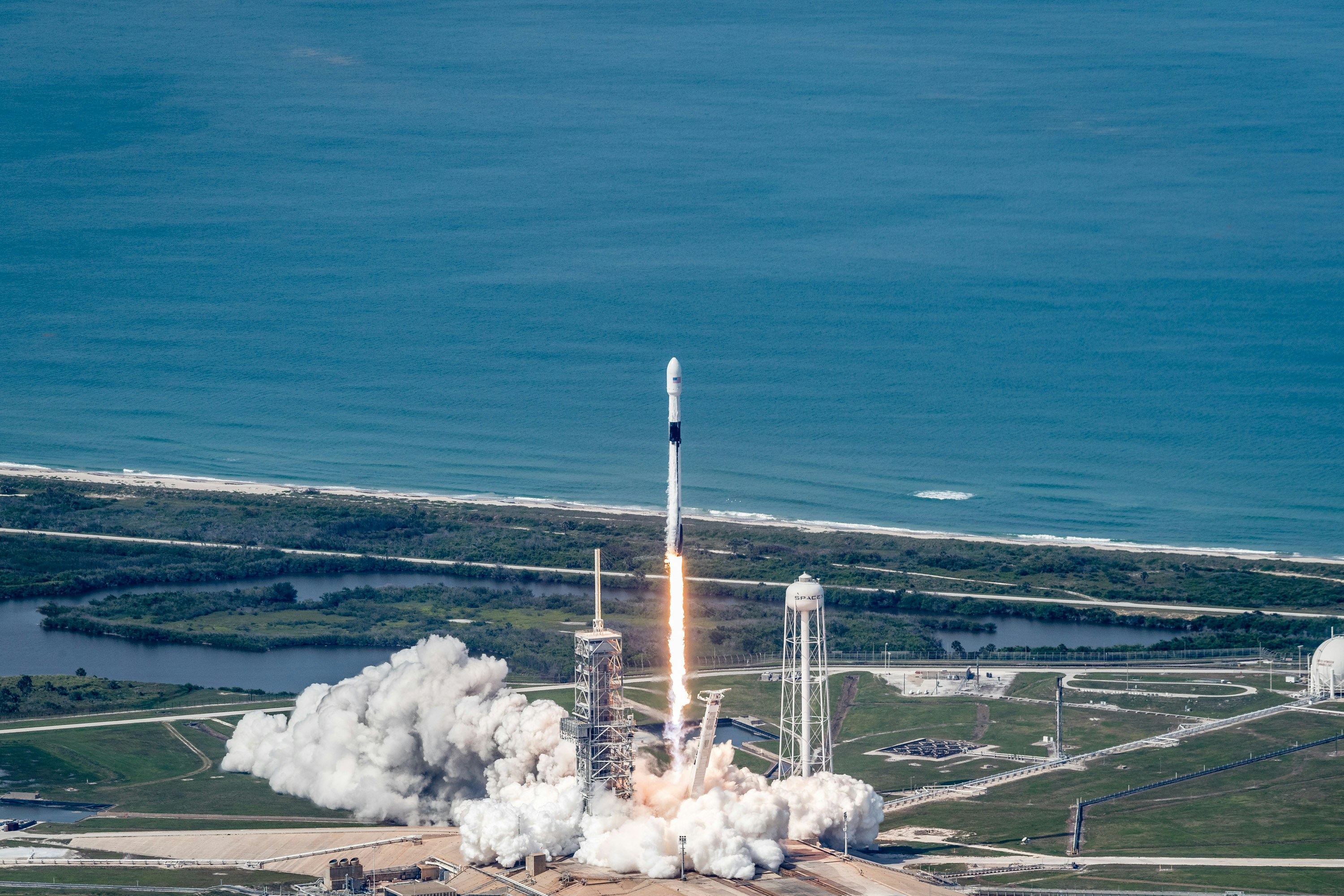
SpaceX's Falcon 9 rideshare lifted 45 satellites including South Korea's CAS500-2 Earth observer from Vandenberg at 0700 UTC May 3.

Today's highlights include the successes and setbacks in recent rocket launches, a notable satellite anomaly, and a significant expansion announcement from ESA.
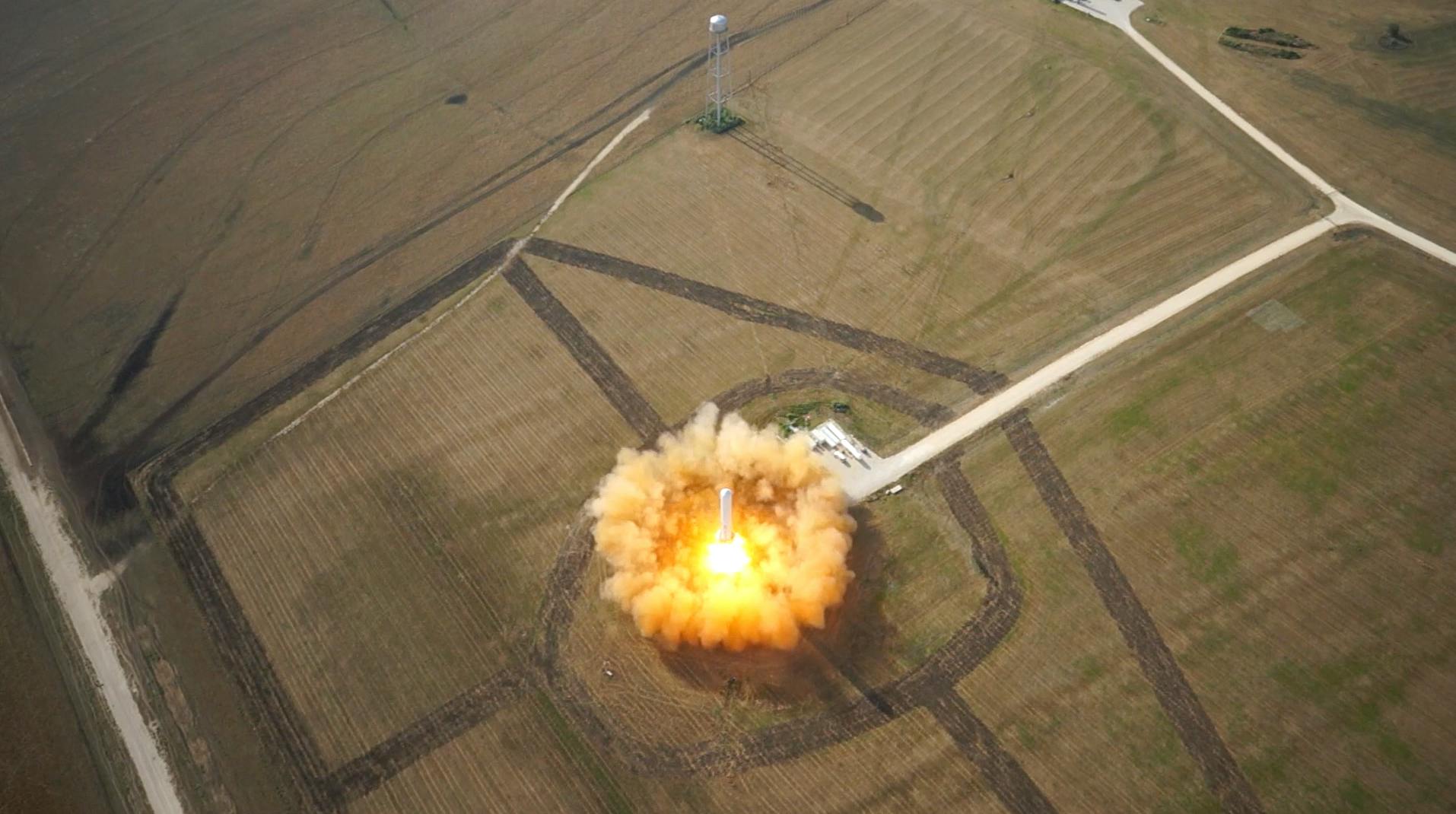
SpaceX sets a new rocket-reuse record and prepares for upcoming launches, maintaining the momentum in Starlink satellite deployments.
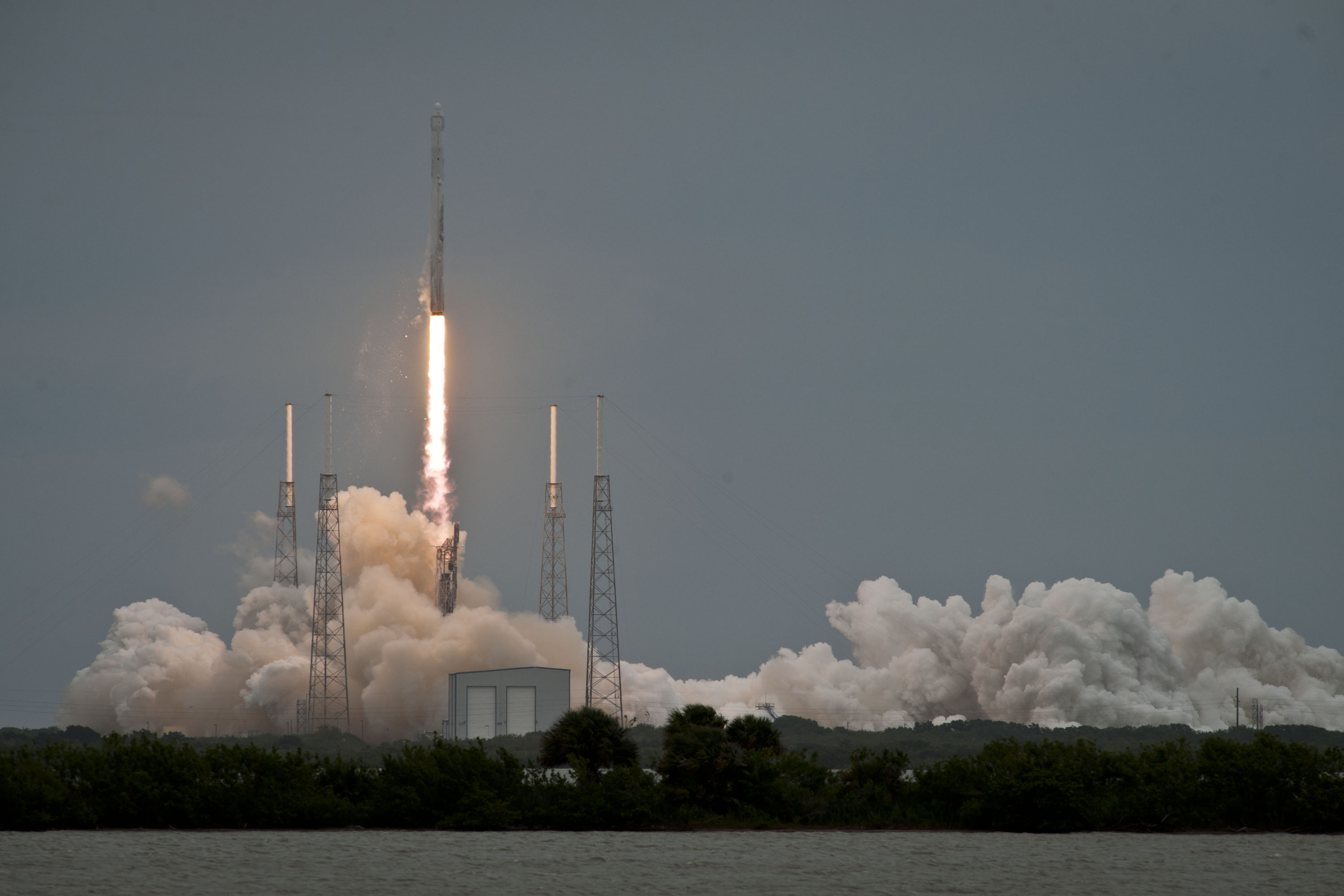
On April 18, 2014, a Falcon 9 first stage did something no orbital rocket had ever done before. It fired its engines on the way down, steered itself through the atmosphere using grid fins that did not yet exist, and touched the Atlantic Ocean softly enough to survive the impact. Nobody recovered it. The data was the whole point.