

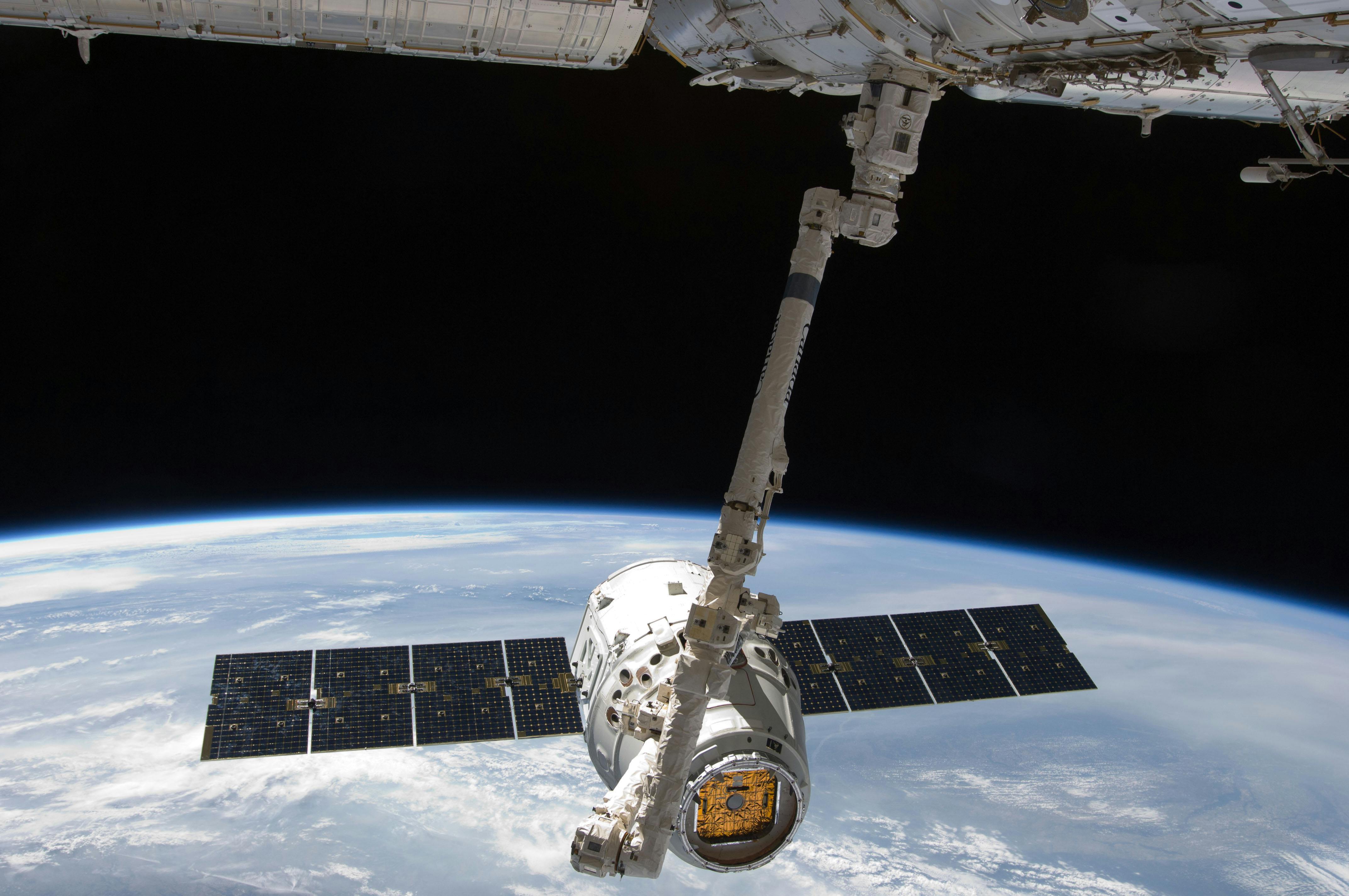
X Report 15 Aug 2025
SpaceX achieves significant milestones with multiple satellite launches and ongoing challenges in rural broadband funding. Noteworthy advances in Starlink capabilities enhance international connectivity.



Launch Date
May 19, 1994
Launch Site
AFWTR
Launch Pad
RW04/22
Launch Vehicle
Pegasus/HAPS
NORAD ID
24345
International Designator
1994-029NW
Decay Date
1/4/1999
Name
PEGASUS DEB
Alternative Name
deb HAPS
Type
Status
Owner
OSCC
Country
United States
Constellation
N/A
Related Satellites
Major Events
N/A
Length
0
Diameter
0
Span
0
Dry Mass
0
Launch Mass
0
Shape
N/A
Radar Cross Section
0.0301
Visual Magnitude
Unknown
Color
Unknown
Material Composition
Unknown
Payload
Unknown
Purpose
Unknown
Mission
Unknown
Manufacturer
Unknown
Life Expectancy
Unknown
Bus
Unknown
Configuration
Unknown
Motor
Unknown
Equipment
Unknown
Power System
Unknown
ADCS
Unknown
Transmitter Frequency
Unknown
Learn more about satellites and other related topics.
SpaceX achieves significant milestones with multiple satellite launches and ongoing challenges in rural broadband funding. Noteworthy advances in Starlink capabilities enhance international connectivity.
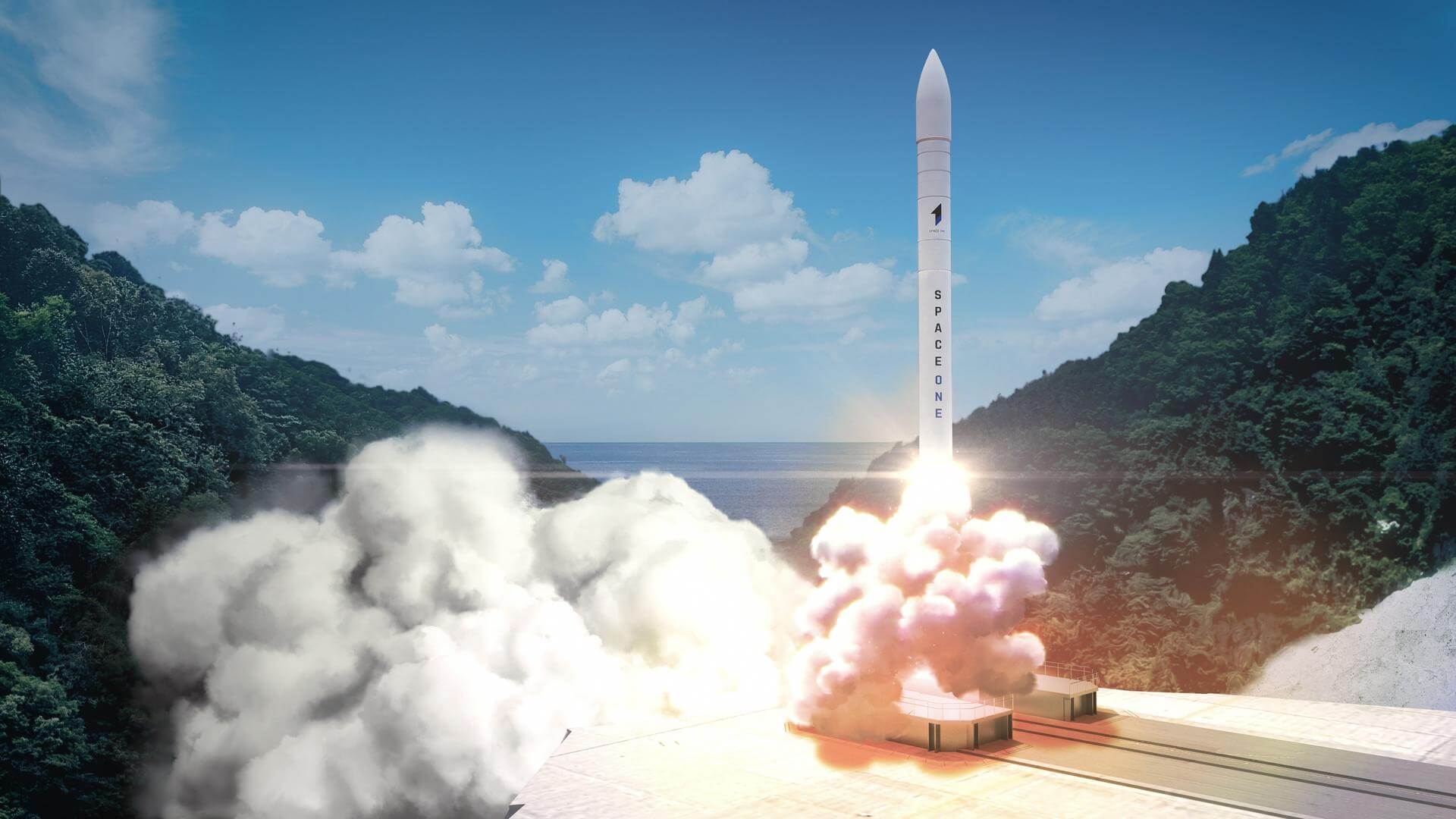
Today's brief covers significant advancements in materials technology for space applications, a U.S. Navy contract for rocket production facilities, and NATO's upcoming classified cloud system.

Today's Space Brief covers potential changes in the procurement strategies for the Space Force, developments in missile detection technology, and budgetary impacts on space programs.
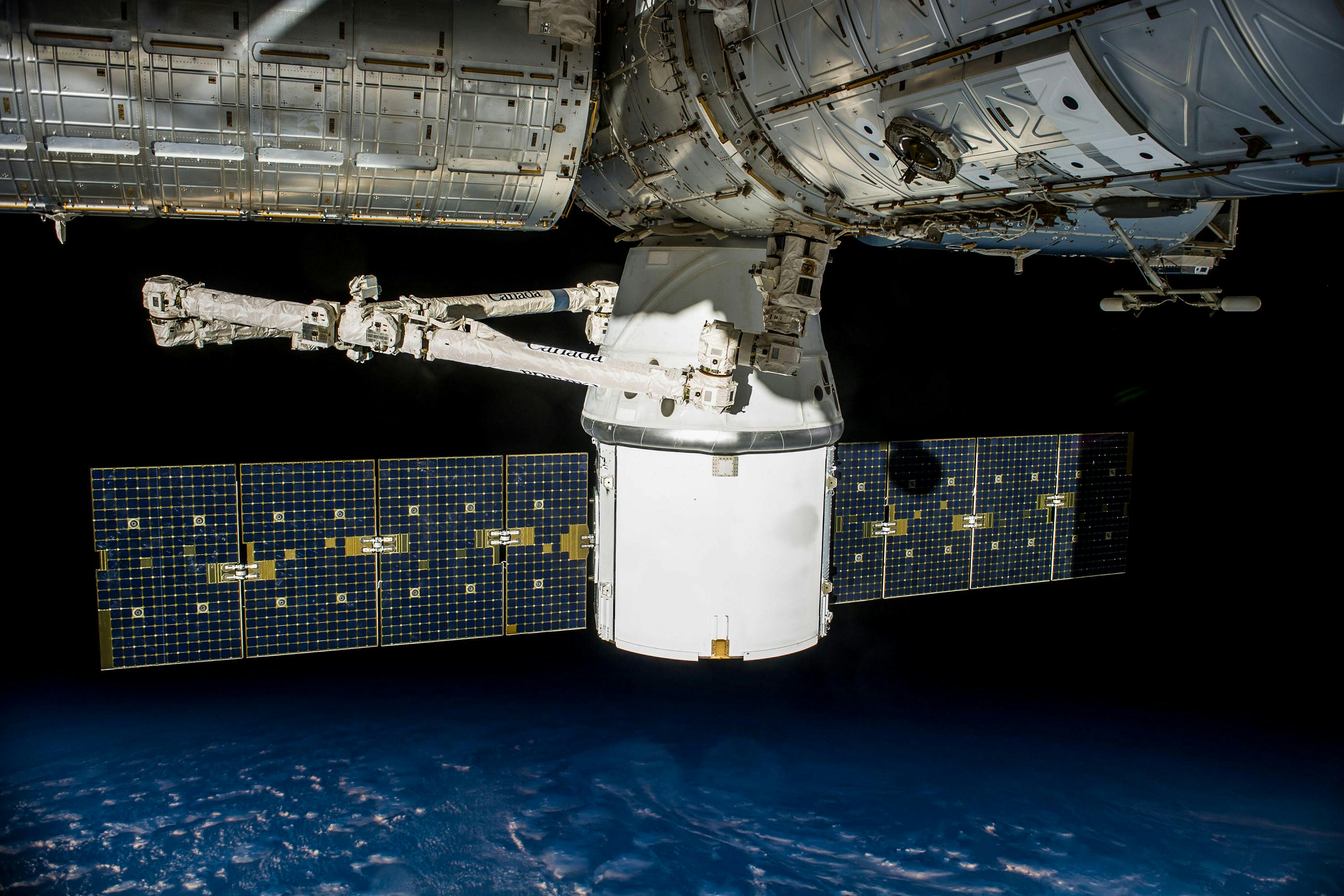
SpaceX launches 600th Falcon 9 rocket with Starlink 17-13 mission. Crew Dragon docks at ISS restoring crew to seven. Crew-12 launched on Friday the 13th in a first for NASA.
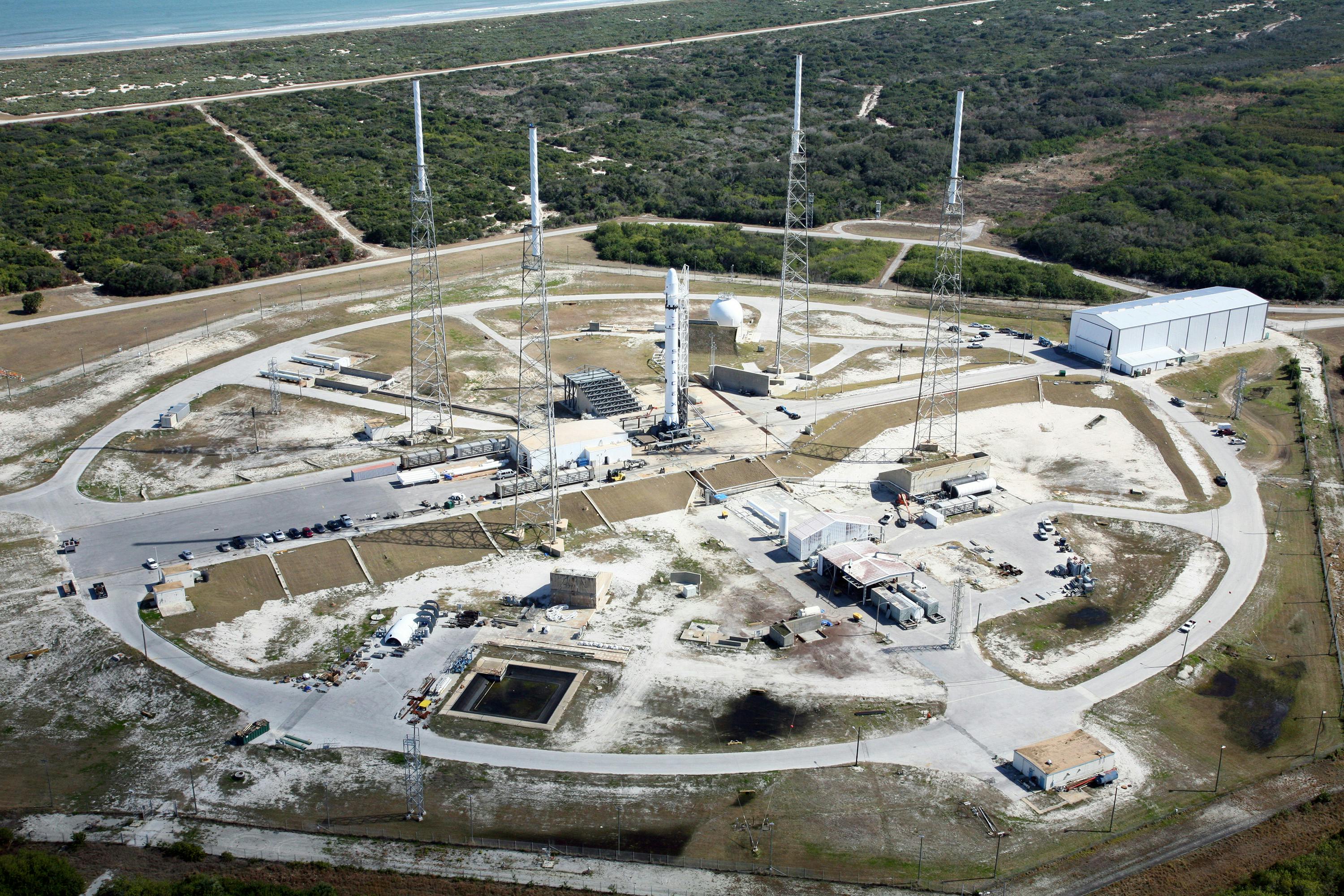
SpaceX makes strides with Starship testing while Starlink faces mounting competition as Viasat eyes Telesat's LEO capacity.

SpaceX successfully launched the U.S. Space Force's eighth X-37B spaceplane mission while preparing for an upcoming Starship launch. Meanwhile, the company continues to expand its Starlink satellite constellation.
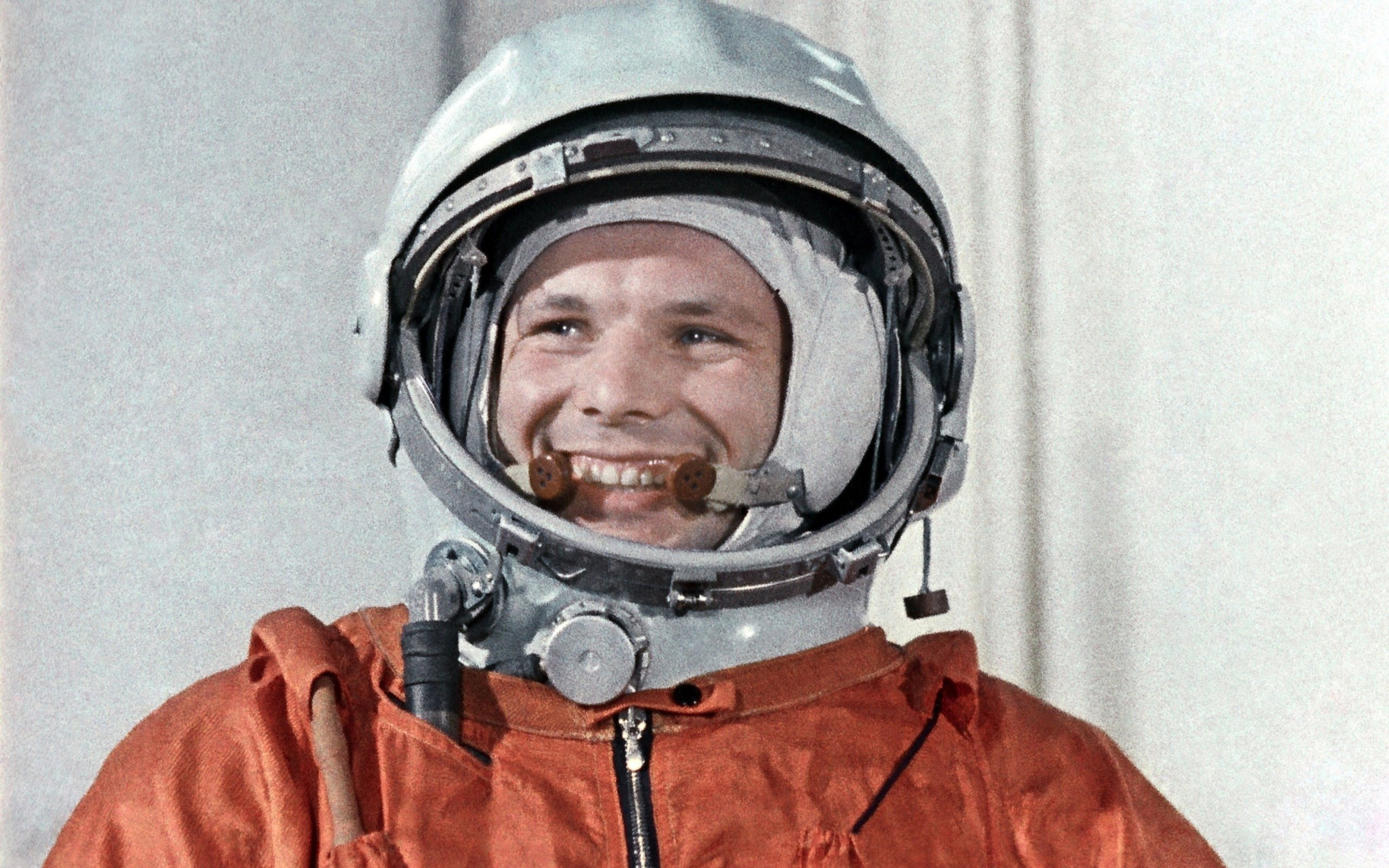
On April 12, 1961, a 27-year-old Soviet pilot rode a modified ICBM into orbit and came back alive after 108 minutes. Exactly twenty years later, two Americans climbed aboard an untested spacecraft covered in 31,000 ceramic tiles and bet their lives that the math was right.
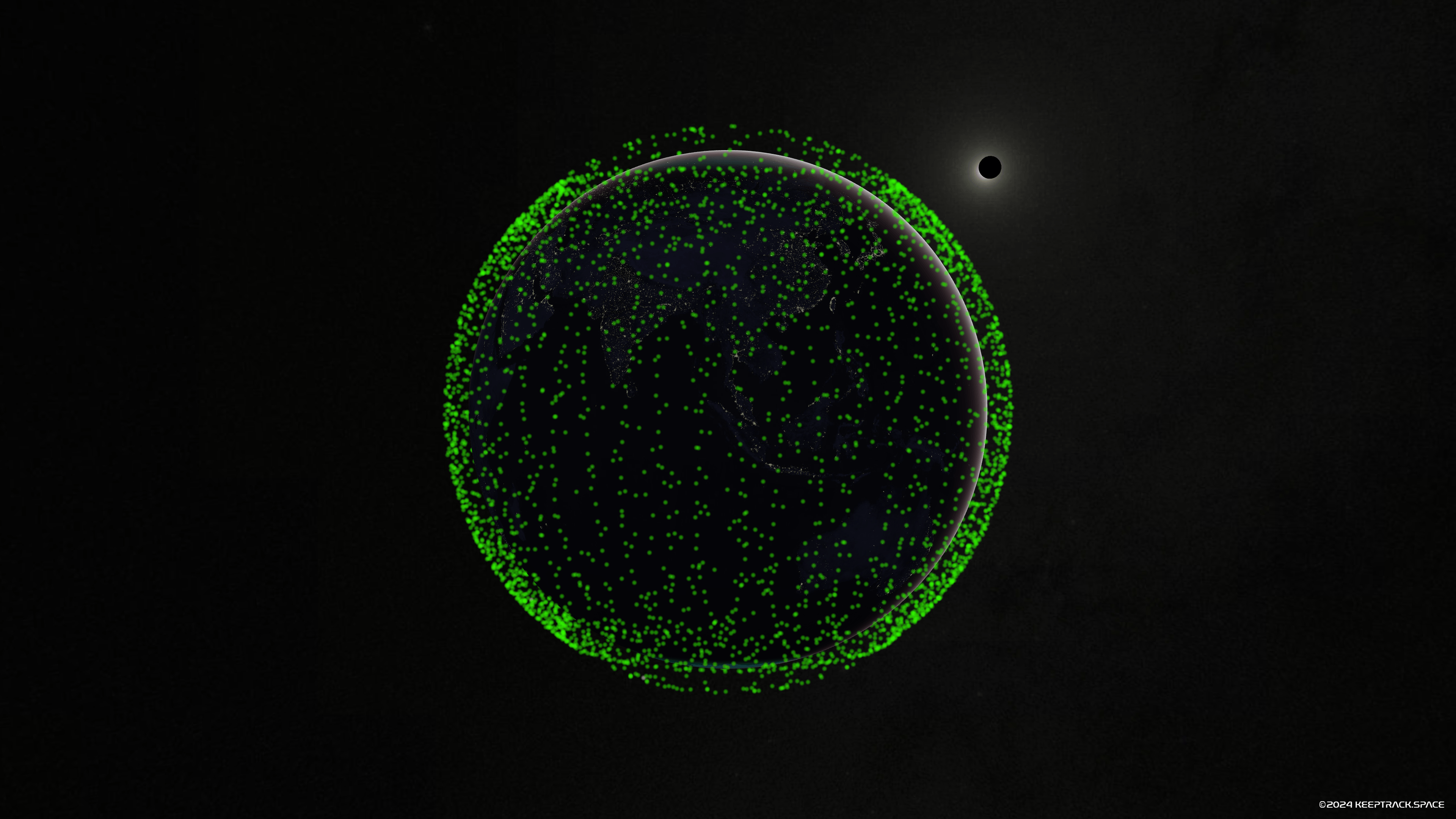
SpaceX's Starlink constellation has grown at an astonishing rate, now accounting for over 20% of all trackable objects in orbit. With plans for tens of thousands more, Starlink is on the cusp of forever changing the landscape of Earth's near-space environment.