


Apophis 2029 Flyby: ESA-JAXA Joint Mission Locked In | KeepTrack Space Brief
ESA and JAXA finalize collaboration for asteroid Apophis 2029 flyby at 32,000 km—closer than geostationary orbit. Historic near-Earth encounter being heavily observed.


Launch Date
September 12, 1996
Launch Site
Launch Pad
LC17A
Launch Vehicle
Delta 7925
NORAD ID
24320
International Designator
1996-056A
Epoch
Wed, 01 Jul 2026 14:31:02 GMT
Apogee
Calculating...
Perigee
Calculating...
Inclination
53.71°
Right Ascension
236.28°
Eccentricity
Calculating...
Argument of Perigee
217.41°
Period
772.12 min
Mean Motion
1.86 rev/day
Latitude
Calculating...
Longitude
Calculating...
Altitude
Calculating...
Velocity
Calculating...
Name
NAVSTAR 39 (USA 128)
Alternative Name
GPS IIA-18
Type
Status
Owner
AFSMC
Country
United States
Constellation
N/A
Related Satellites
Major Events
N/A
1 24320U 96056A 26182.60488942 .00000046 00000-0 00000-0 0 9997
2 24320 53.7062 236.2753 0031355 217.4117 141.3969 1.86499083210772
Source: Celestrak
Length
2.4
Diameter
1.8
Span
5.3
Dry Mass
860
Launch Mass
860
Shape
Box + 2 Pan
Radar Cross Section
3.1622
Visual Magnitude
Unknown
Color
Unknown
Material Composition
Unknown
Payload
GPS SVN 30
Purpose
Navigation
Mission
Navigation
Manufacturer
RWISB
Life Expectancy
7.5 years
Bus
GPS IIA
Configuration
3-Axis stabilized
Motor
Star 37XFP
Equipment
?
Power System
2 deployable solar arrays, batteries
ADCS
Unknown
Transmitter Frequency
Unknown
Learn more about satellites and other related topics.
ESA and JAXA finalize collaboration for asteroid Apophis 2029 flyby at 32,000 km—closer than geostationary orbit. Historic near-Earth encounter being heavily observed.

SpaceX launches multiple satellites, prepares for Starship Flight 6, and exciting collaborations with AST SpaceMobile.
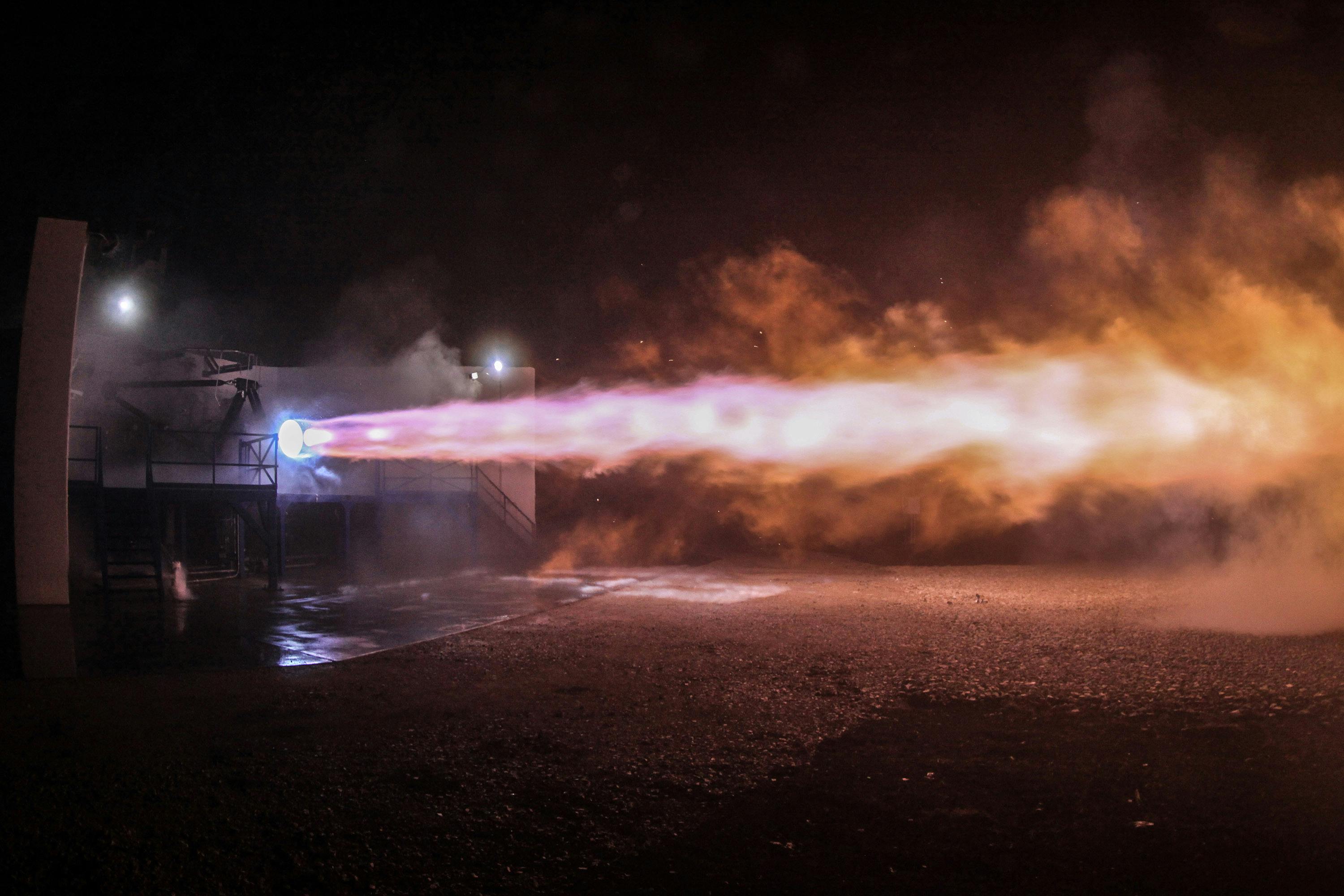
SpaceX has confirmed plans for an IPO and successfully launched multiple batches of Starlink satellites, advancing its mission for global internet coverage.

SpaceX continues its robust launch cadence with new Starlink deployments and faces challenges in Starship development following the recent damage to its prototype booster.

Today's focus: Sidus Space's new AI edge computer, Space Force's dynamic operations initiative, and key Pentagon acquisition reforms.
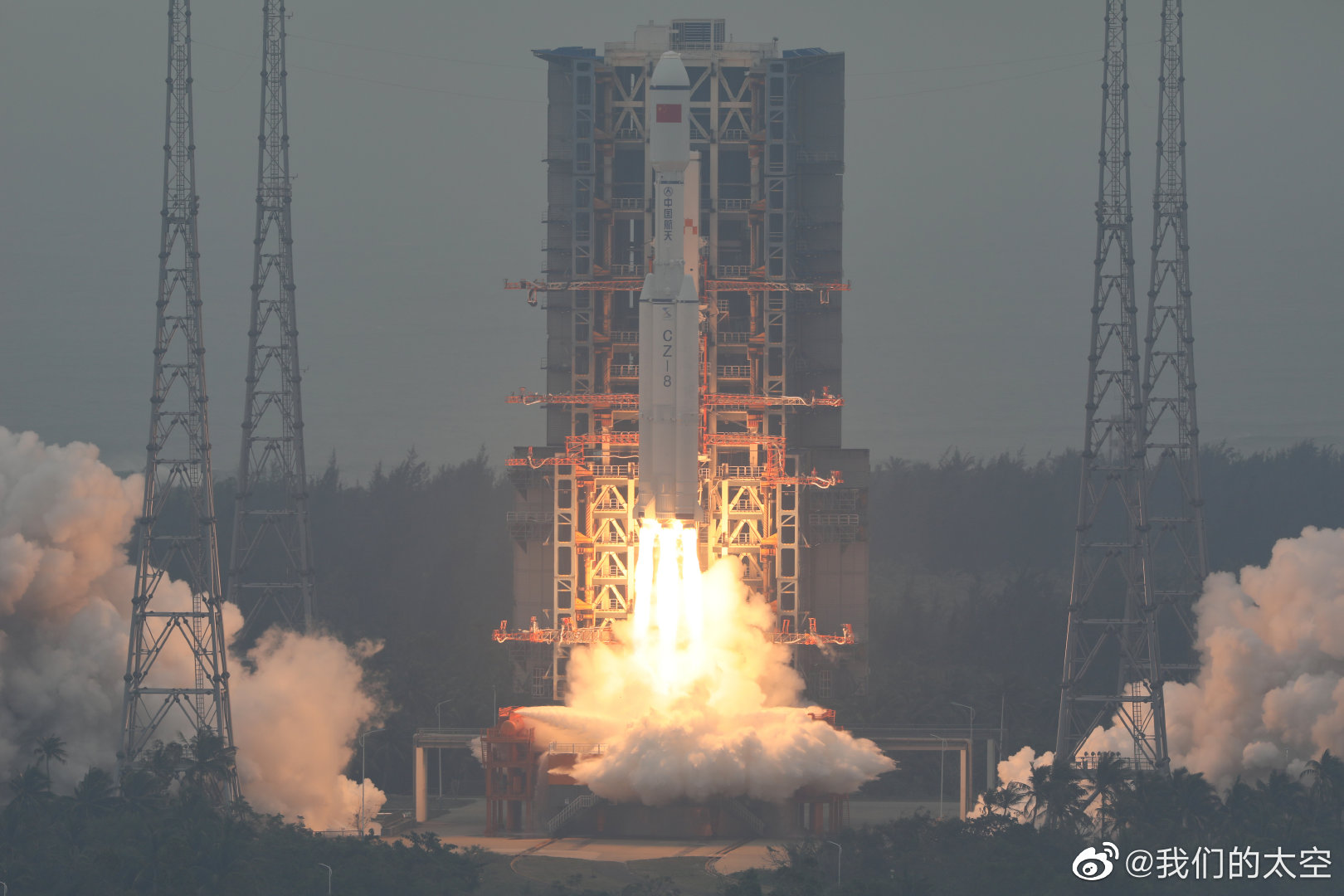
Today's highlights include the launch of a U.S. military satellite via SpaceX, a new French defense agreement for satellite services, and the Missile Defense Agency's successful ICBM target tracking with long-range radar.
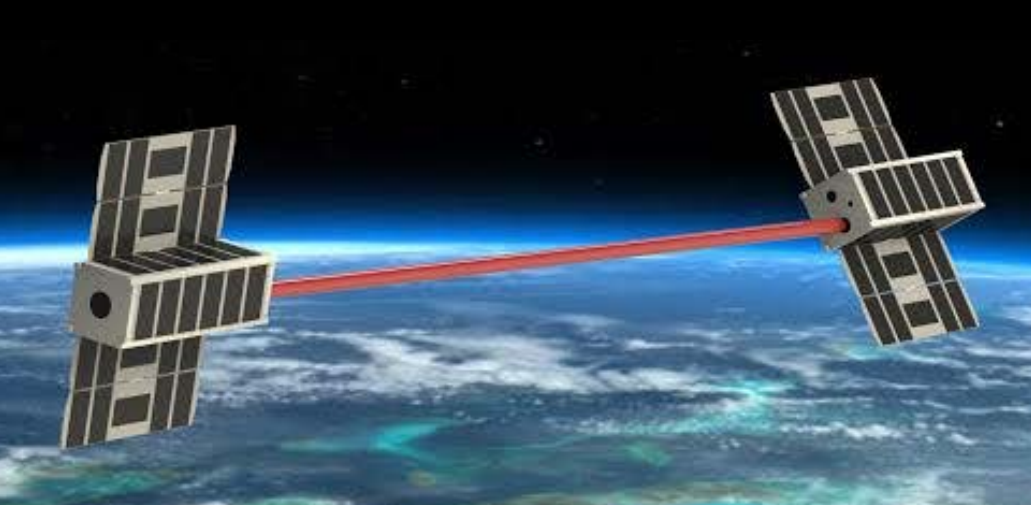
The satellite industry's biggest operators are betting on multi-orbit architectures that combine LEO, MEO, and GEO into unified networks. A San Francisco startup called Contrivian thinks they've overcomplicated the problem, and the physics might be on its side.
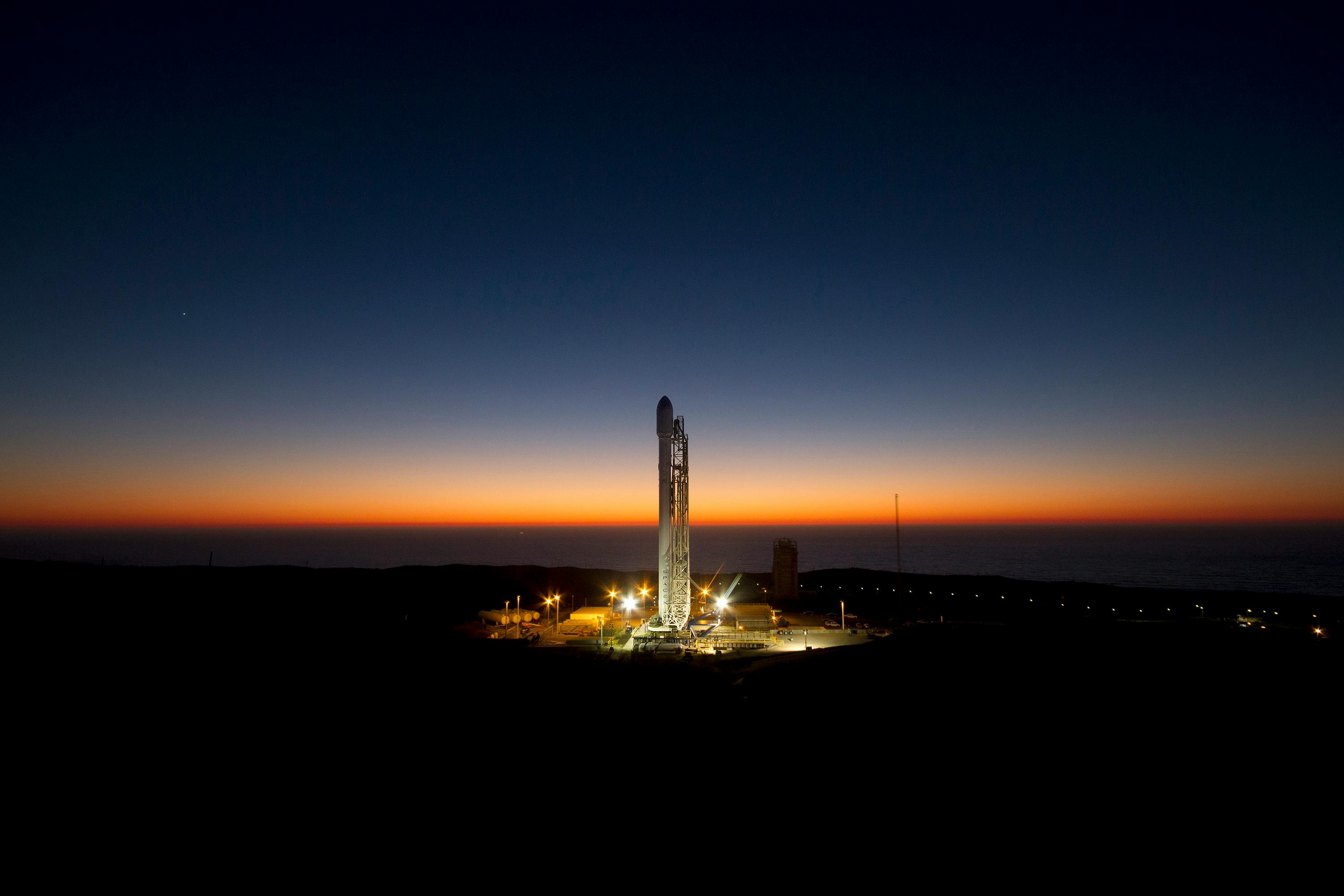
SpaceX sets a rocket re-use record, Starlink satellites continue to proliferate, and Botswana launches its first national satellite.