


Starship Flight 12 Summary: V3 Reaches Space, X Report 24 May 2026
Starship Flight 12 summary: V3 reached space May 22 and survived reentry despite one Raptor vacuum engine shutdown, with most test objectives complete.


Launch Date
September 8, 1996
Launch Site
Launch Pad
LC36B
Launch Vehicle
Atlas IIA
NORAD ID
24316
International Designator
1996-054B
Decay Date
3/17/1997
Name
ATLAS 2A CENTAUR R/B
Alternative Name
Centaur AC-123
Type
Status
Owner
LMA
Country
United States
Constellation
N/A
Related Satellites
Major Events
N/A
Length
10.1
Diameter
3.1
Span
10.1
Dry Mass
2095
Launch Mass
2095
Shape
Cyl
Radar Cross Section
24.2058
Visual Magnitude
Unknown
Color
Unknown
Material Composition
Unknown
Payload
Centaur IIA(1N) AC-123
Purpose
Unknown
Mission
Unknown
Manufacturer
LMA/DENV
Life Expectancy
Unknown
Bus
Centaur
Configuration
Unknown
Motor
Unknown
Equipment
Unknown
Power System
Unknown
ADCS
Unknown
Transmitter Frequency
Unknown
Learn more about satellites and other related topics.
Starship Flight 12 summary: V3 reached space May 22 and survived reentry despite one Raptor vacuum engine shutdown, with most test objectives complete.
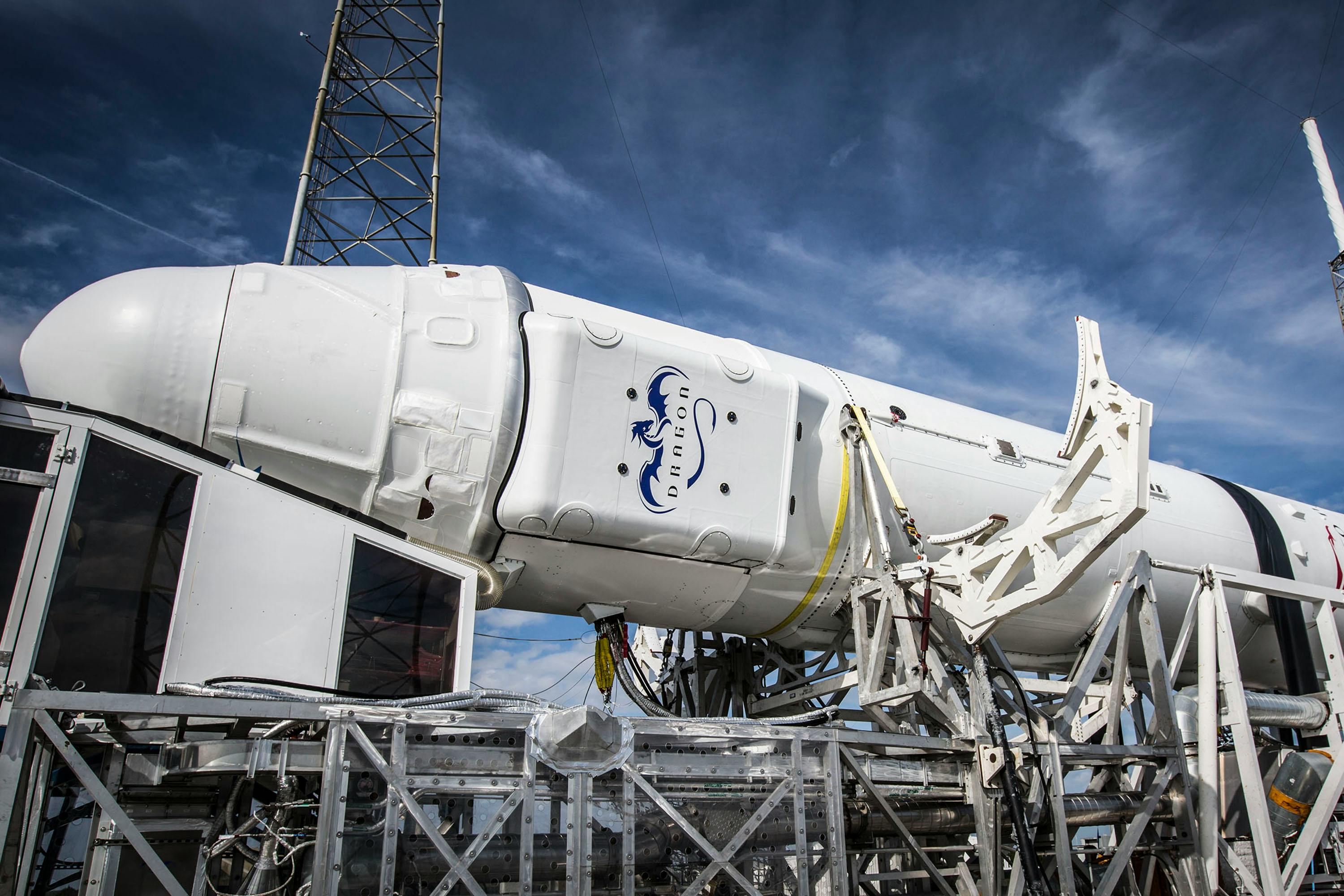
SpaceX successfully launches 21 Starlink satellites, nearing milestone of 7,000 in orbit. Boeing and Airbus consider divesting from space, impacting industry dynamics.

SpaceX successfully launched 28 Starlink satellites from Cape Canaveral, while Starship prepares for its ninth test flight next week.
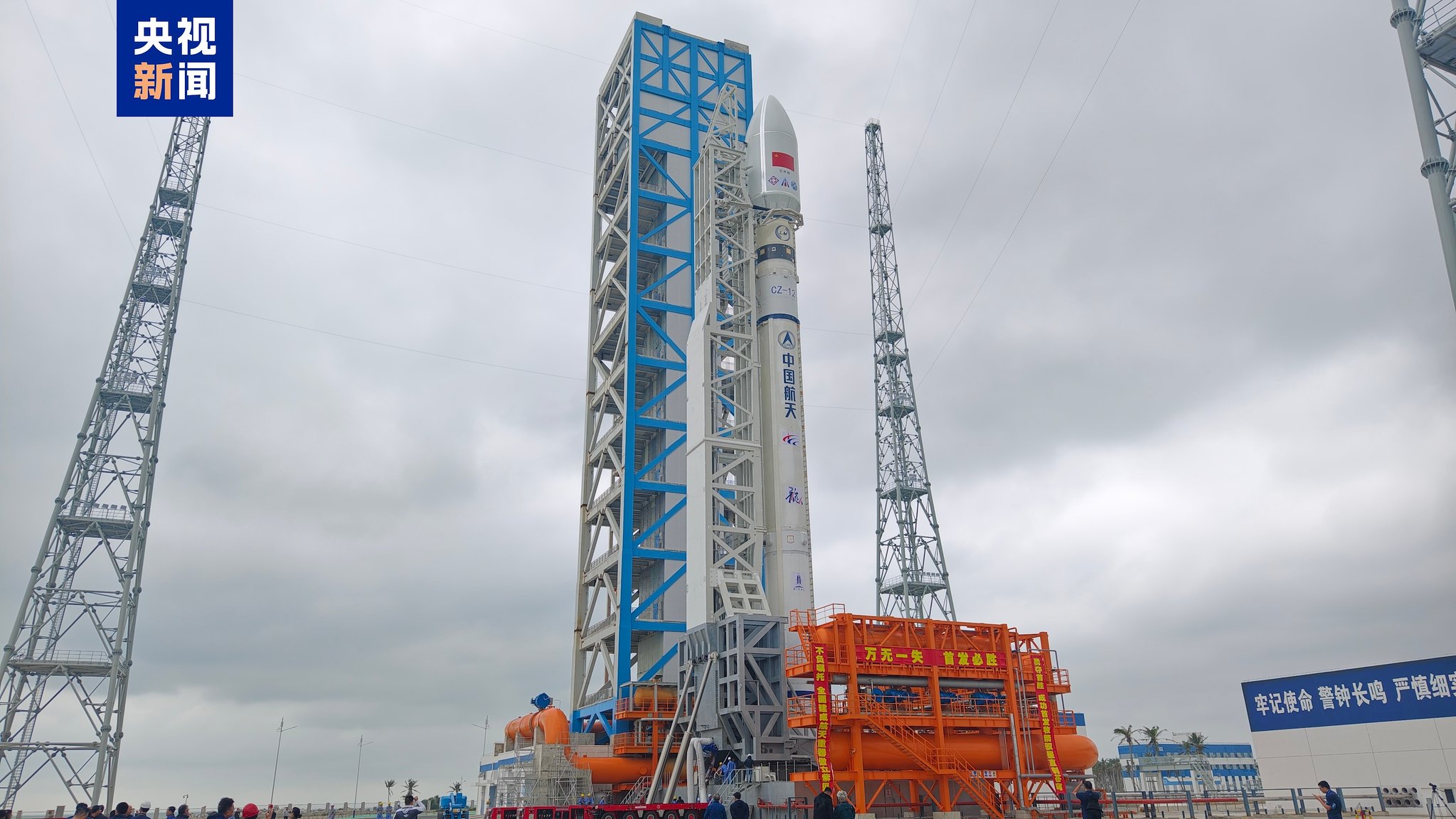
Today's brief covers China's new GEO Yaogan satellite launch, India's record-mass commsat, military tech updates, autonomous systems for maritime security, and insights from satellite imagery of Hurricane Melissa's impact in Jamaica.

SpaceX bids farewell to LZ-1 while continuing its mission towards advancements in satellite technology and the ongoing Starlink project.

SpaceX executes a rapid response GPS mission for the U.S. Space Force, Starlink extends its reach with a beta smartphone connectivity service by T-Mobile, and Starship approaches its seventh launch with readiness milestones.
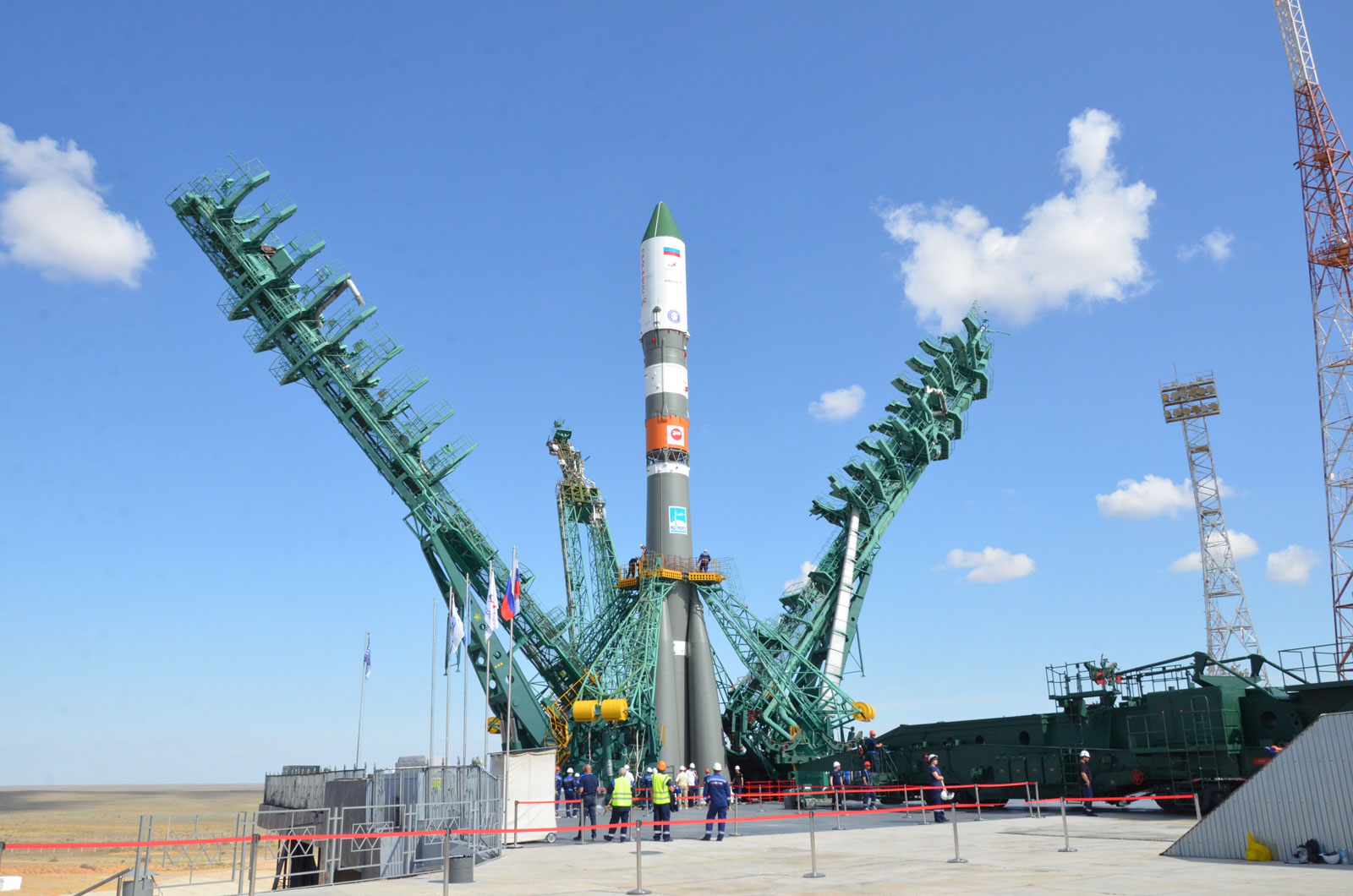
Today's brief highlights significant shifts in military space spending due to the Golden Dome program, the U.S. Space Force's advancements in tactical satellite communications, and NASA's race to nuclear power in space.
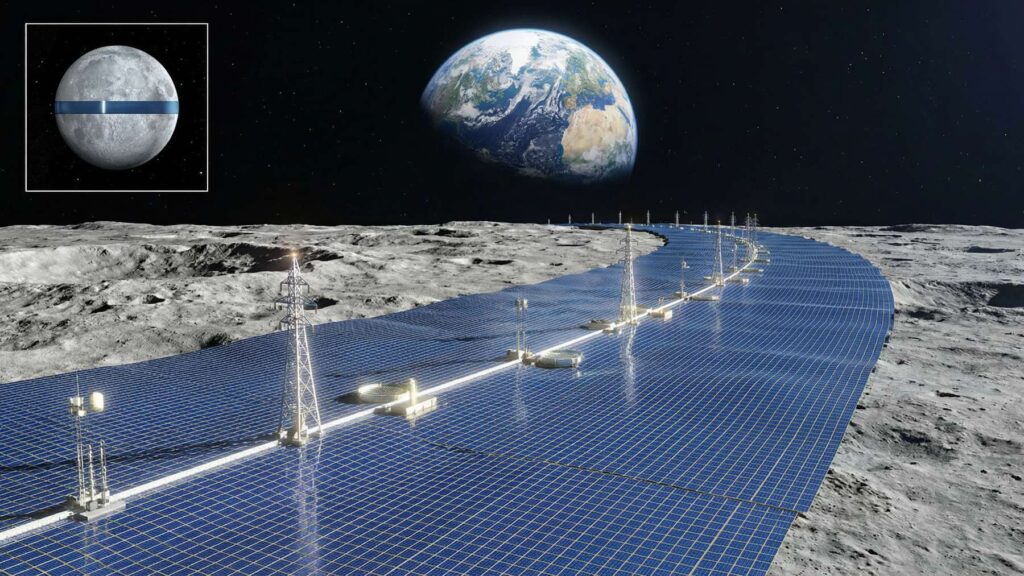
A 220-year-old Japanese construction company wants to build an 11,000-kilometer belt of solar cells around the lunar equator and beam the power back to Earth. The physics checks out. Everything else is another story.