

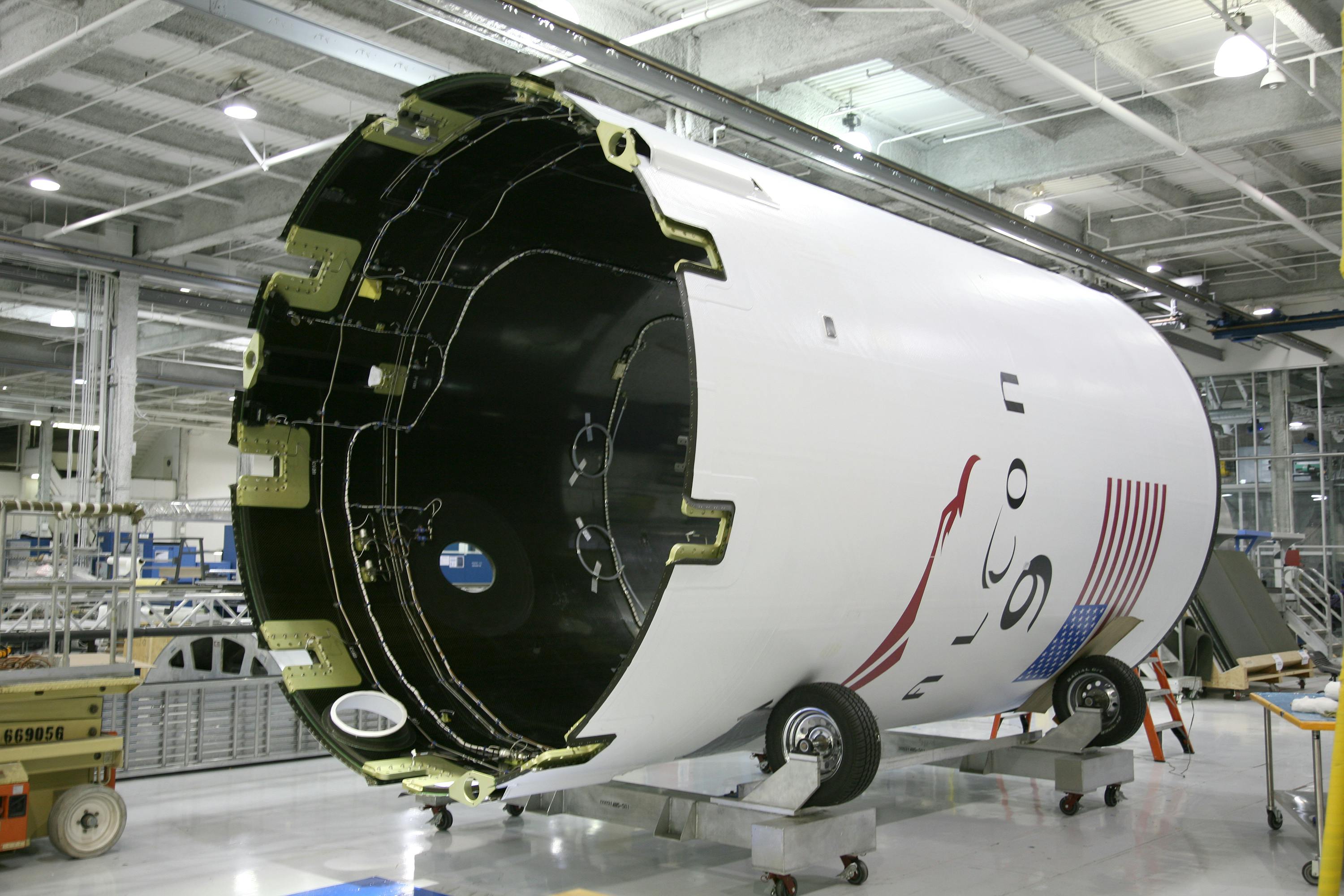
Falcon 9 Booster Flies 35th Mission, Deploys 29 Starlinks | KeepTrack X Report
SpaceX flew a Falcon 9 booster for a record 35th time on July 10, deploying 29 Starlink satellites as direct-to-cell tech expands to pet collars.



Launch Date
May 19, 1994
Launch Site
AFWTR
Launch Pad
RW04/22
Launch Vehicle
Pegasus/HAPS
NORAD ID
24249
International Designator
1994-029LY
Decay Date
10/18/2000
Name
PEGASUS DEB
Alternative Name
deb HAPS
Type
Status
Owner
OSCC
Country
United States
Constellation
N/A
Related Satellites
Major Events
N/A
Length
0
Diameter
0
Span
0
Dry Mass
0
Launch Mass
0
Shape
N/A
Radar Cross Section
0.0785
Visual Magnitude
Unknown
Color
Unknown
Material Composition
Unknown
Payload
Unknown
Purpose
Unknown
Mission
Unknown
Manufacturer
Unknown
Life Expectancy
Unknown
Bus
Unknown
Configuration
Unknown
Motor
Unknown
Equipment
Unknown
Power System
Unknown
ADCS
Unknown
Transmitter Frequency
Unknown
Learn more about satellites and other related topics.
SpaceX flew a Falcon 9 booster for a record 35th time on July 10, deploying 29 Starlink satellites as direct-to-cell tech expands to pet collars.
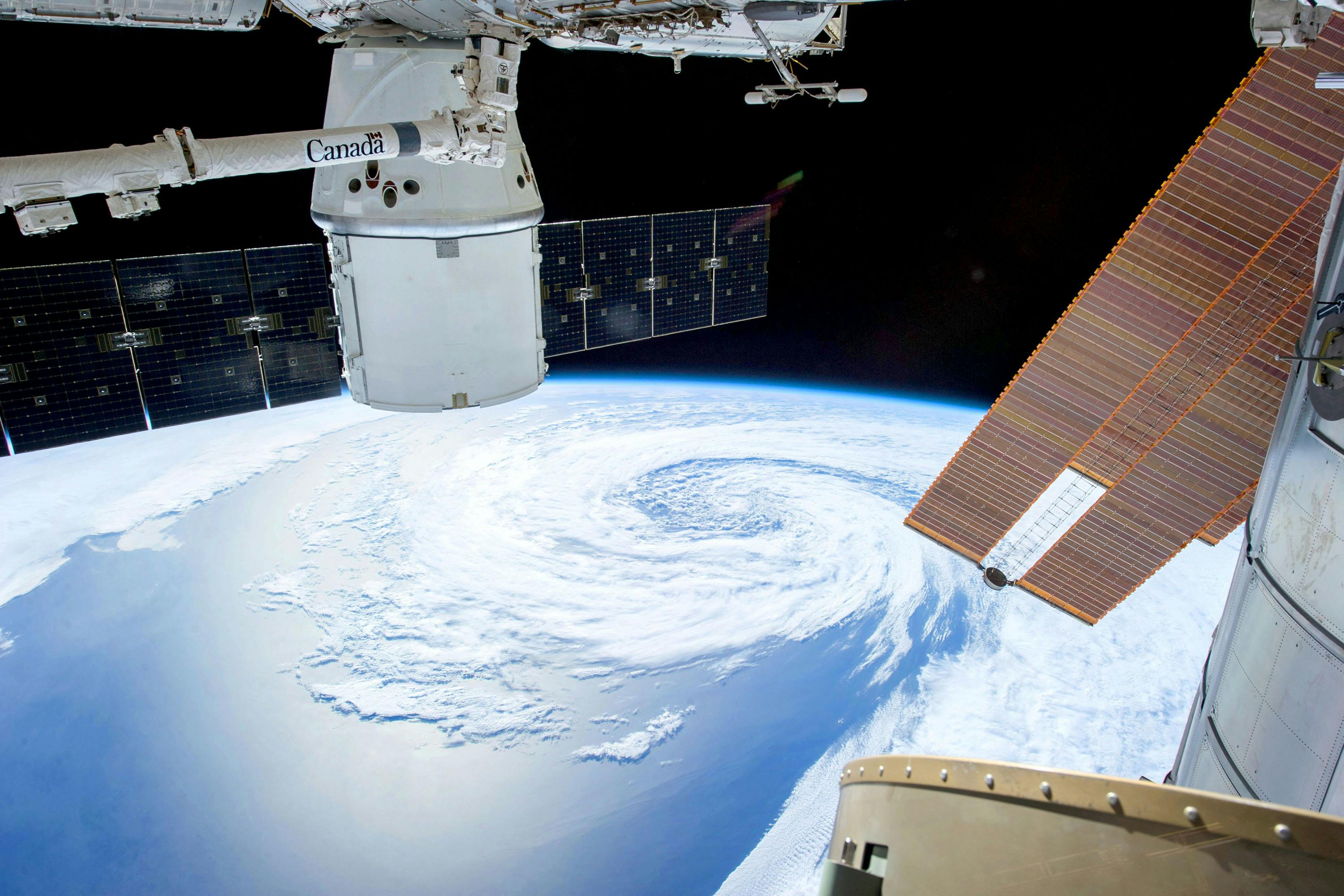
Critical updates from SpaceX include a scrubbed satellite launch and a busy launch schedule for the week, featuring multiple Falcon 9 missions.
A HIGH-risk conjunction between STARLINK-4621 and the defunct SL-18 rocket body leads the July 11 safety picture, with eight Starlink satellites set to reenter through July 14.
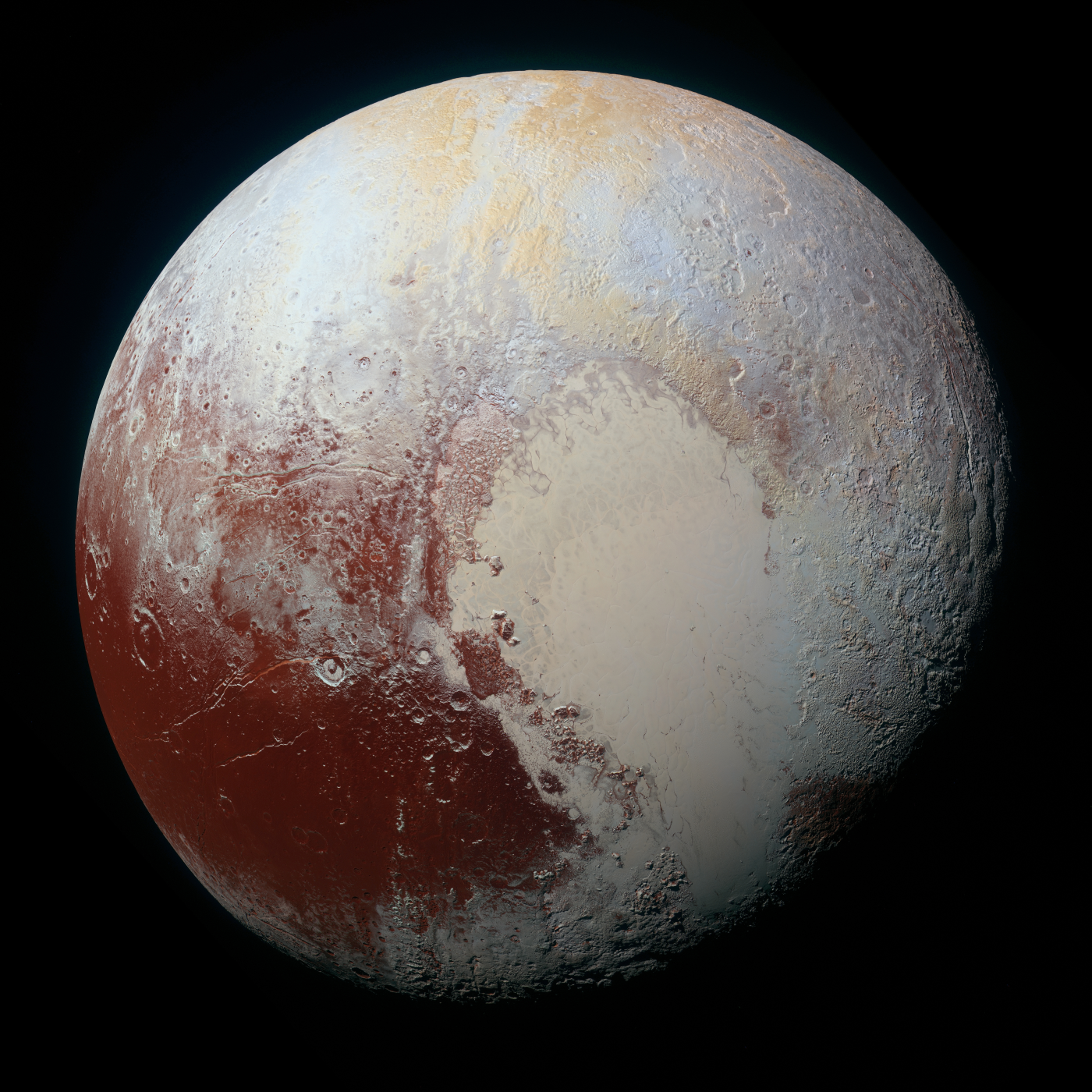
Ninety-five years ago, a 24-year-old astronomer with no college degree made one of astronomy's most remarkable discoveries, finding a new planet that would challenge our understanding of the solar system
SpaceX completes multiple successful launches, enhancing its Starlink constellation with new satellites while resolving personnel issues related to Crew 12.

As the largest and most powerful rocket ever built, it's designed for full reusability and rapid launch turnaround. SpaceX claims it could carry over 100 tons to low Earth orbit at a fraction of current costs.

US military praised for space operations against Iran assessed as jamming or spoofing satellite communications. Electronic warfare effects invisible to orbital tracking data.

Today we cover new appointments at NASA, calls for increased Space Force funding, and a successful test of a hypersonic vehicle. Further investigations target SpaceX, and a documentary highlights space superiority.