


SpaceX Launches 2 Starlink Batches in 48 Hours, Both Coasts | KeepTrack X Report
SpaceX launched Starlink batches from Vandenberg and Cape Canaveral within 48 hours, pushing the active constellation toward 10,000 operational satellites.


Launch Date
February 20, 1962
Launch Site
Launch Pad
LC14
Launch Vehicle
Atlas D
NORAD ID
00241
International Designator
1962-003B
Decay Date
2/21/1962
Name
ATLAS D R/B
Alternative Name
Atlas D 109D
Type
Status
Owner
NASA
Country
United States
Constellation
N/A
Related Satellites
Major Events
N/A
Length
20
Diameter
3
Span
20
Dry Mass
3400
Launch Mass
3400
Shape
Cyl
Radar Cross Section
Unknown
Visual Magnitude
Unknown
Color
Unknown
Material Composition
Unknown
Payload
Atlas D 109D
Purpose
Unknown
Mission
Unknown
Manufacturer
GDC
Life Expectancy
Unknown
Bus
Atlas
Configuration
Unknown
Motor
Unknown
Equipment
Unknown
Power System
Unknown
ADCS
Unknown
Transmitter Frequency
Unknown
Learn more about satellites and other related topics.
SpaceX launched Starlink batches from Vandenberg and Cape Canaveral within 48 hours, pushing the active constellation toward 10,000 operational satellites.
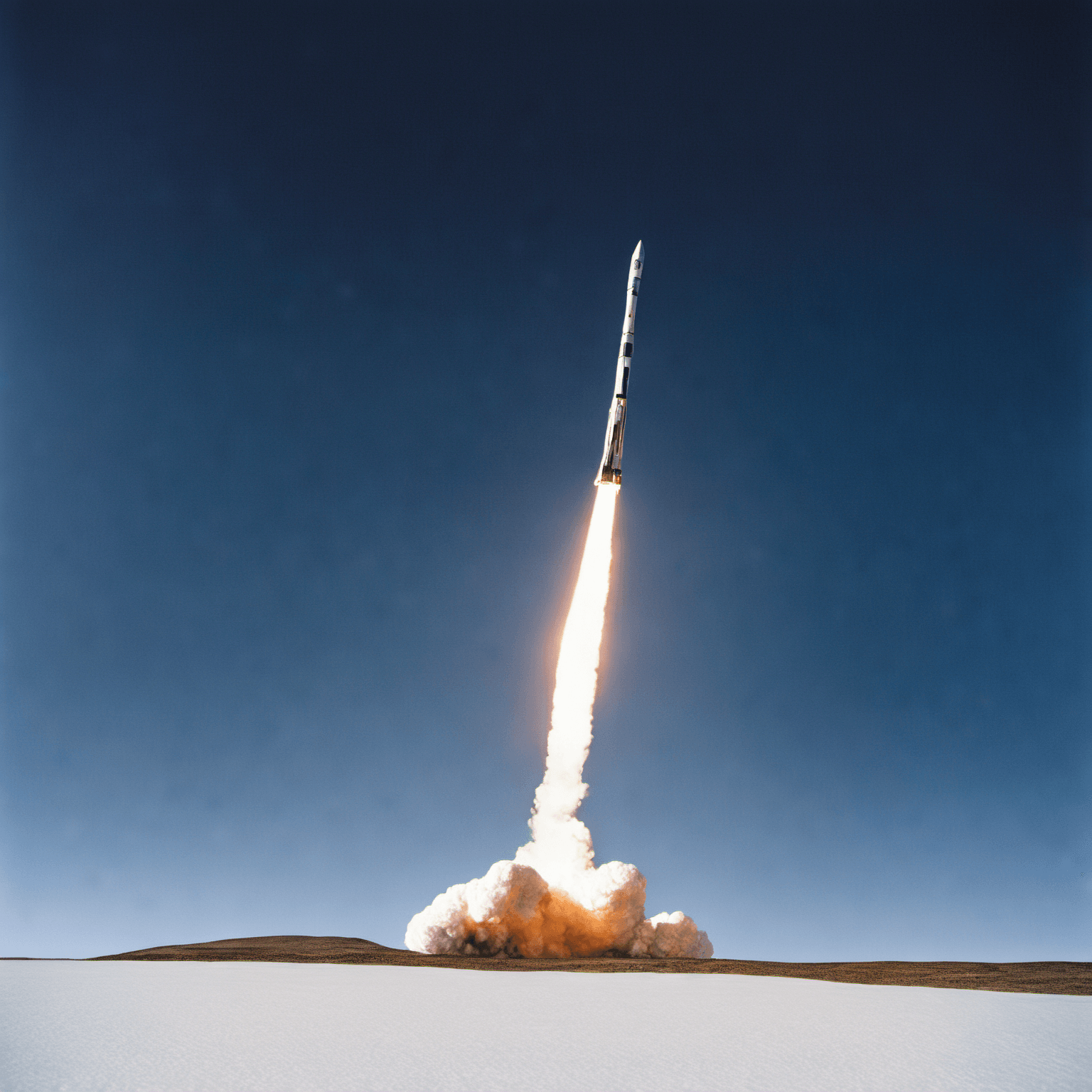
Rocket Lab's successful Electron return to flight, China's third Shenlong mission, lessons from Virgin Orbit's failure in the UK, Hubble's 30-year post-repair anniversary, and a summary of recent global launches.
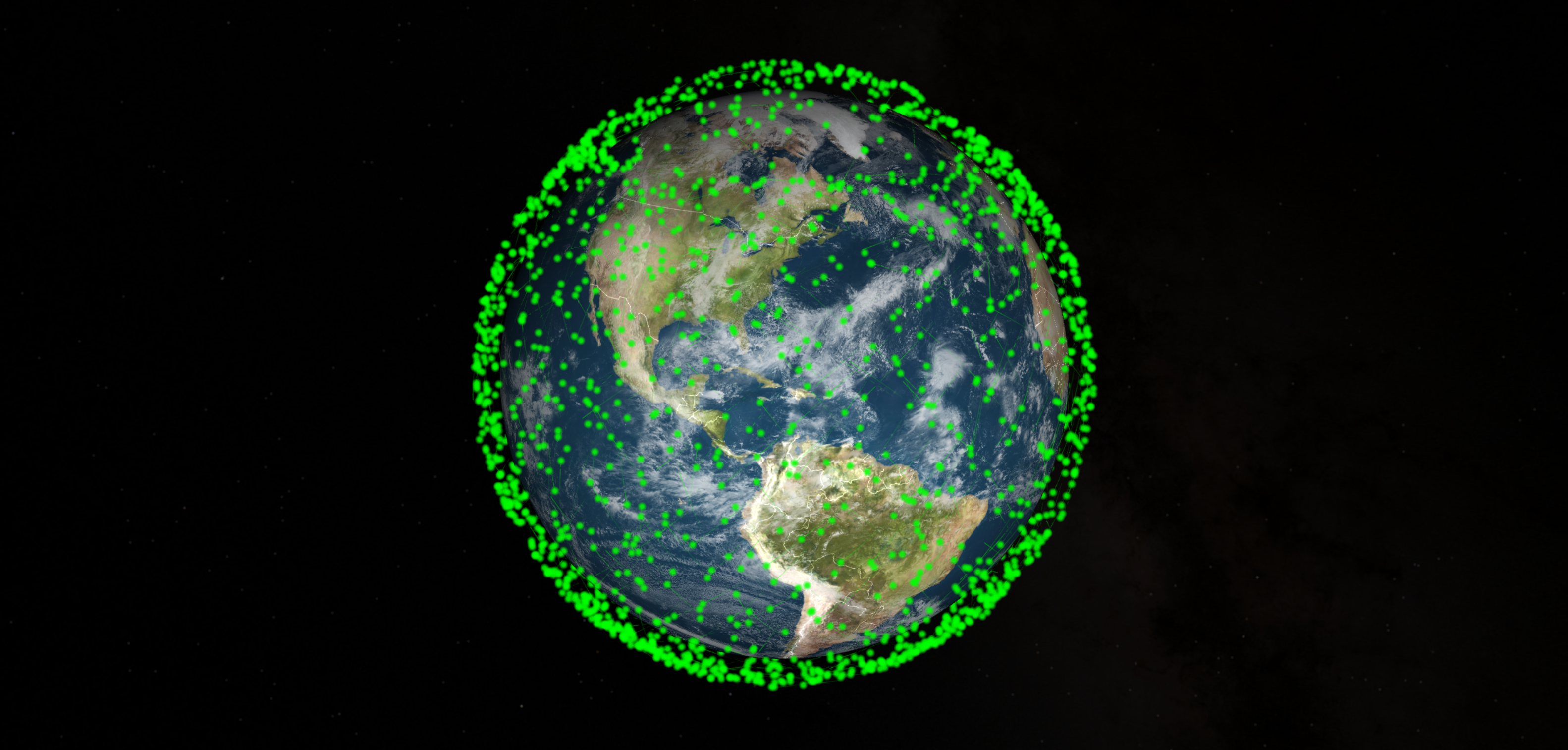
SpaceX quietly built the world's largest 4G network without a single cell tower. Over 650 satellites now connect standard smartphones directly from orbit, and most people carrying compatible phones don't know the service exists.
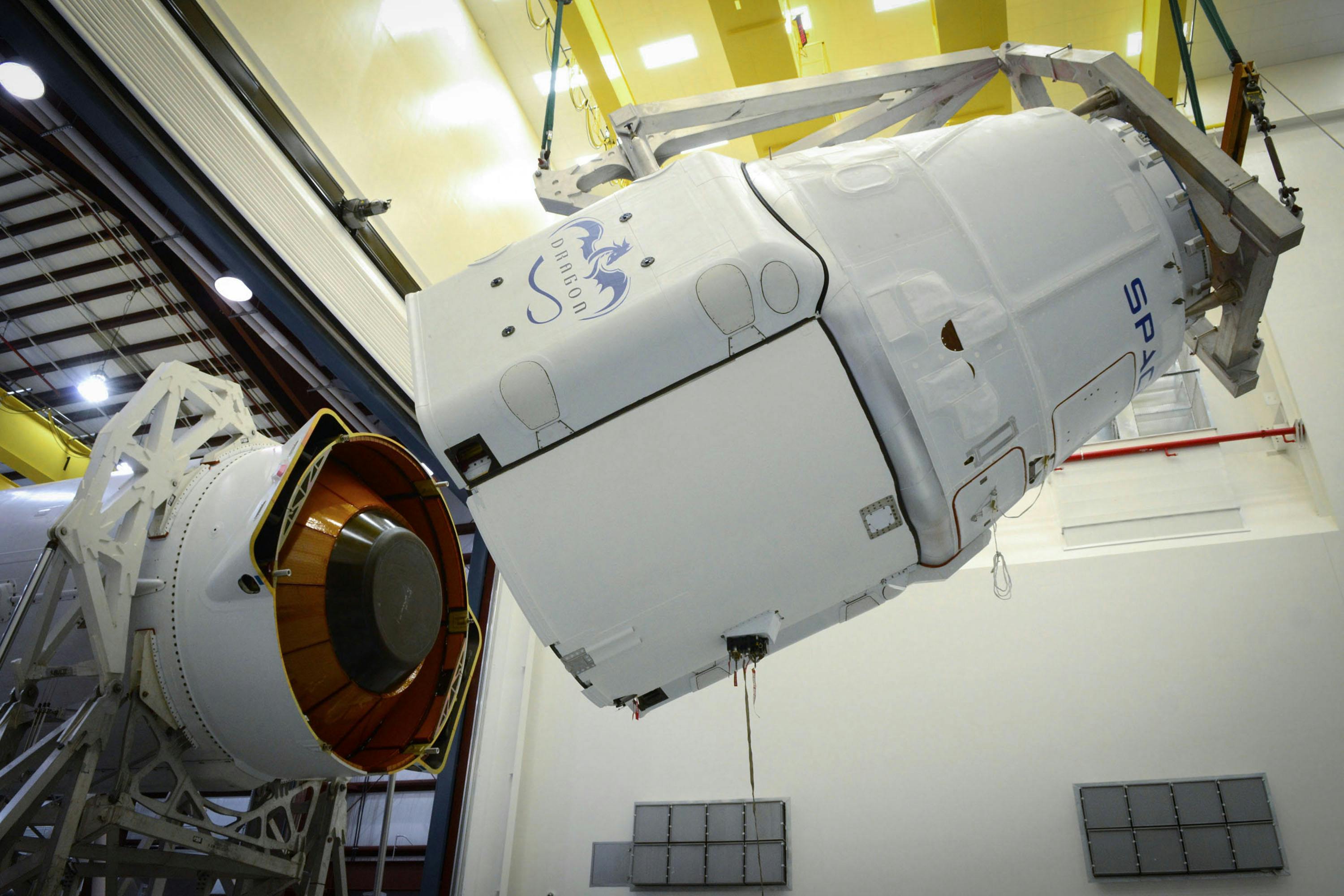
Today marks a significant day for SpaceX as the company prepares for the 9th test flight of its Starship-Super Heavy rocket, alongside a successful launch of 24 Starlink satellites to polar orbit.

ULA's Vulcan Centaur faces potential months-long stand-down. Space Force actively exploring payload reassignment and satellite operational life extensions to cover critical national security missions.

Today's Space Brief highlights the U.S. Air Force's $48 million investment in testing reentry capsules, a Pentagon-backed GPS alternative, and the Space Force's quest for funding autonomy.

SpaceX makes headlines with record-breaking launch operations, while plans for an IPO signal major changes in the company's trajectory and could inspire industry-wide movements.
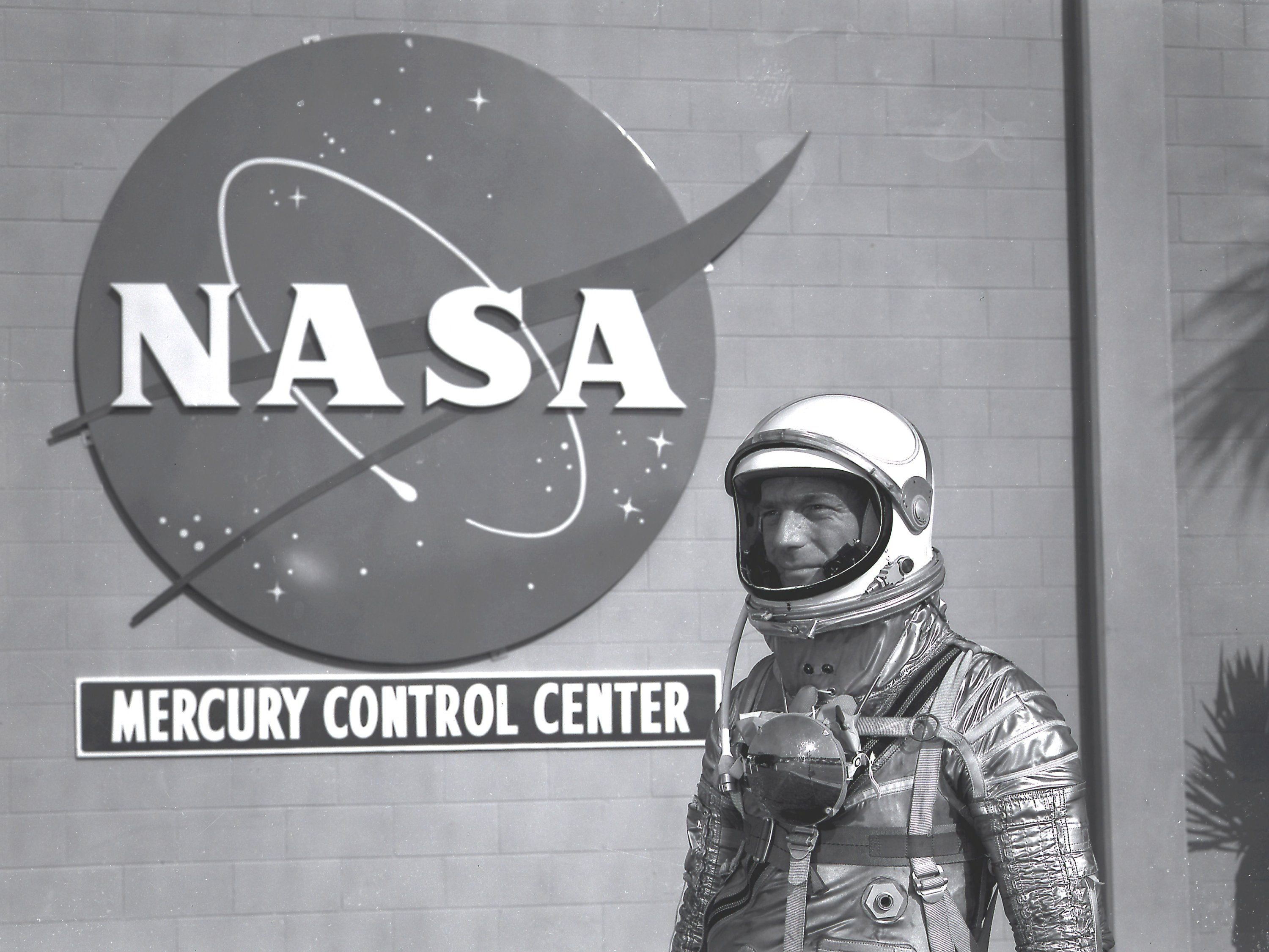
Exactly 64 years ago today, Scott Carpenter became the fourth American to orbit the Earth aboard Aurora 7. His five-hour flight produced new science, a tense reentry, and 39 minutes of silence in which the country wondered if it had just lost its astronaut.