


Space Brief 28 Nov 2024
Today's briefing covers China's announcement of the Beidou system upgrade, launch updates for Vega C, challenges to global GPS reliability, and delays in the VERITAS Venus mission.


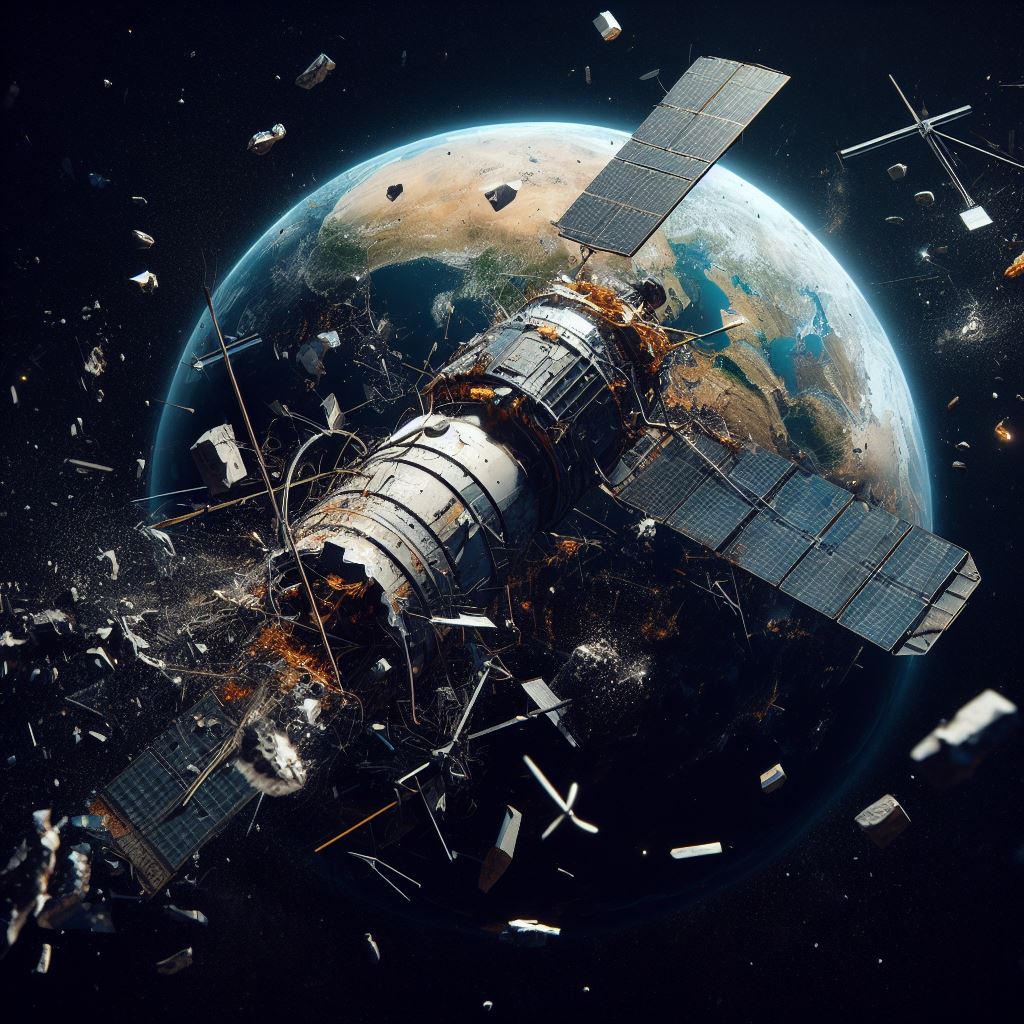
Launch Date
February 19, 1986
Launch Site
Launch Pad
LC1
Launch Vehicle
Soyuz-U
NORAD ID
23918
International Designator
1986-017LE
Decay Date
1/11/1997
Name
MIR DEB
Alternative Name
EO-21 EVA-6 debris
Type
Status
Owner
RKKE
Country
Russia
Constellation
N/A
Related Satellites
Major Events
N/A
Length
0
Diameter
0
Span
0
Dry Mass
0
Launch Mass
0
Shape
N/A
Radar Cross Section
0.0862
Visual Magnitude
Unknown
Color
Unknown
Material Composition
Unknown
Payload
Unknown
Purpose
Unknown
Mission
Unknown
Manufacturer
Unknown
Life Expectancy
Unknown
Bus
Unknown
Configuration
Unknown
Motor
Unknown
Equipment
Unknown
Power System
Unknown
ADCS
Unknown
Transmitter Frequency
Unknown
Learn more about satellites and other related topics.
Today's briefing covers China's announcement of the Beidou system upgrade, launch updates for Vega C, challenges to global GPS reliability, and delays in the VERITAS Venus mission.

Today's Space Brief covers the Space Force's AI integration, NASA's lunar nuclear reactor plans, ESA's Flight Ticket Initiative, Martian mantle revelations, and SpaceX's latest Starlink launch.
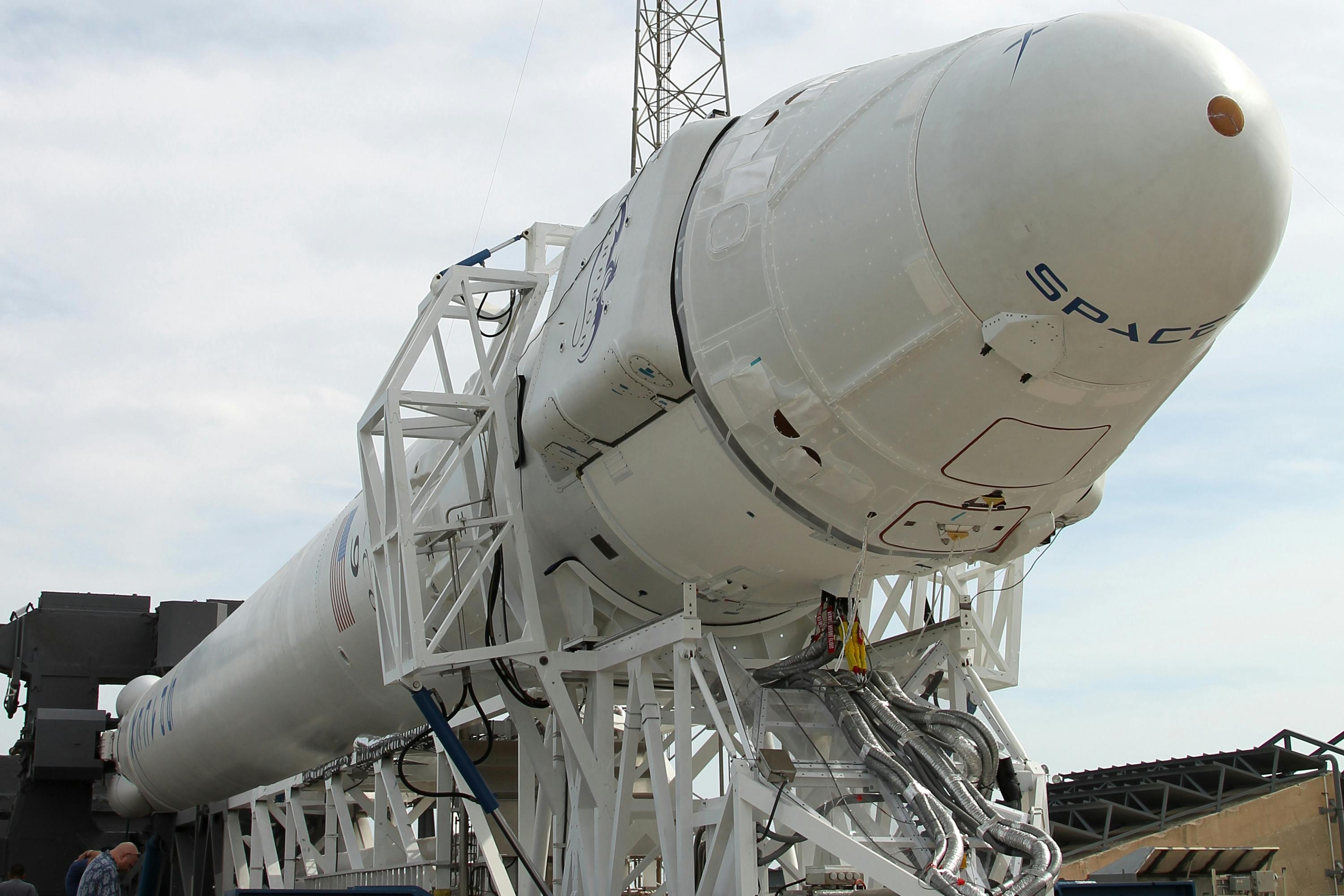
SpaceX prepares for its 100th Falcon 9 launch from Kennedy Space Center while facing a scrubbed attempt of the latest Starlink deployment.
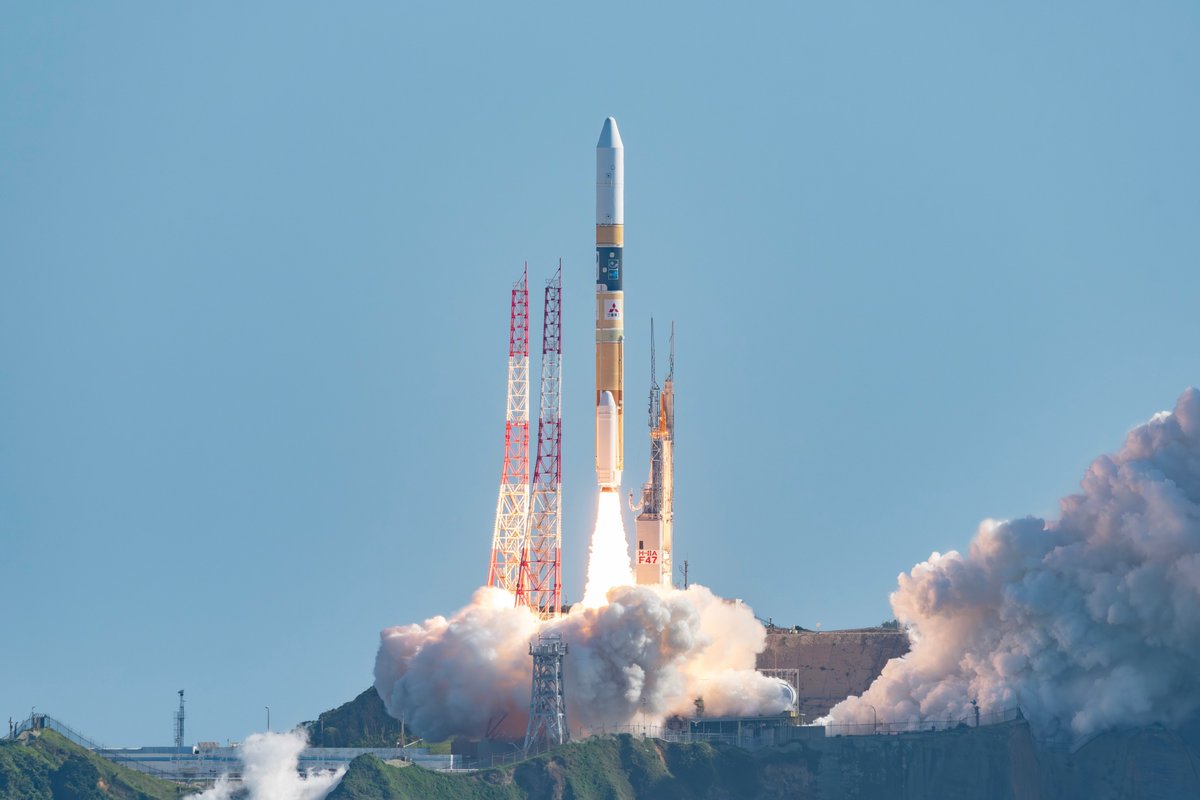
Today's edition covers SpaceX's Starlink launch delay, a breakthrough in ceramic manufacturing for space, and Momentus's orbital tech demo, among other headlines.
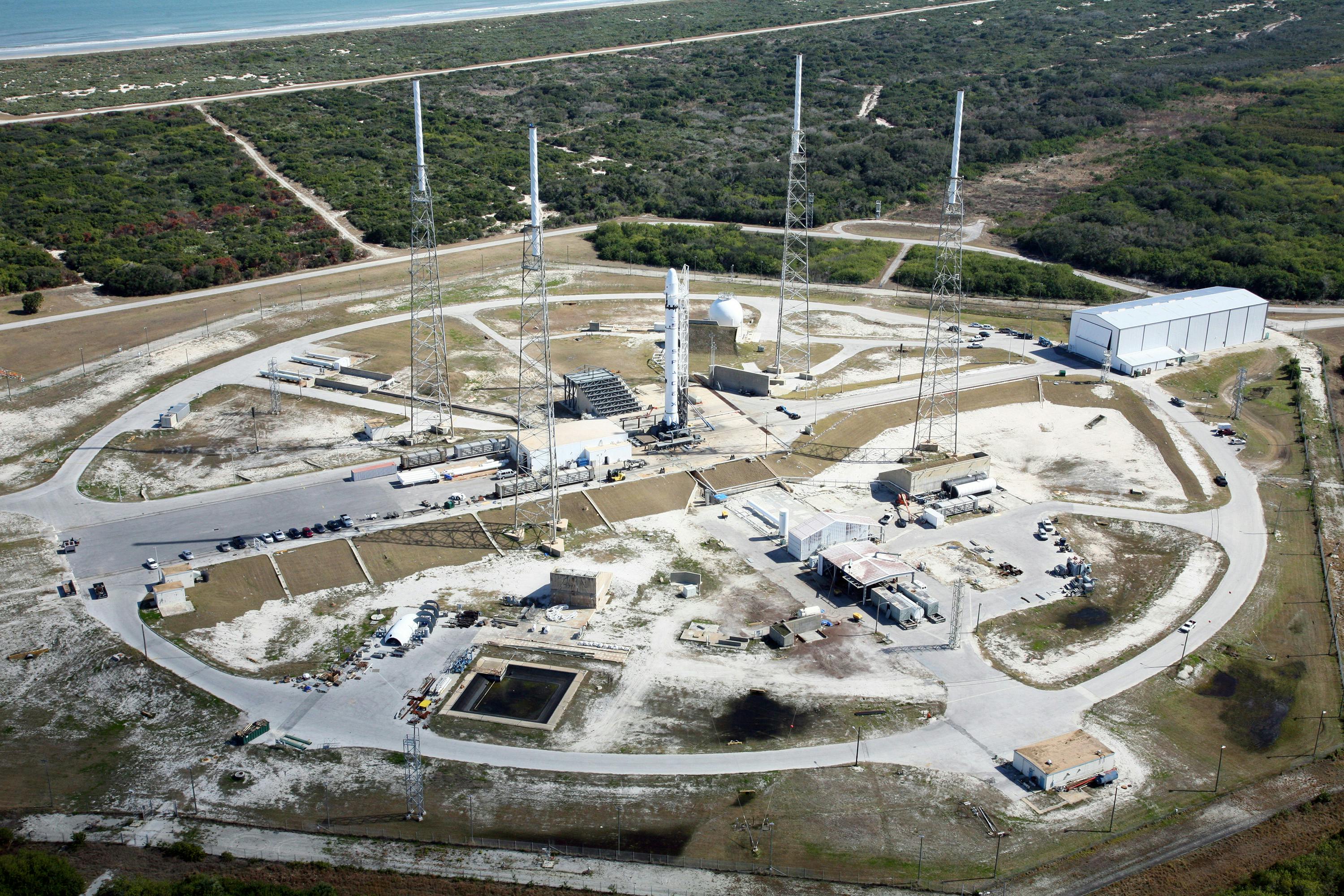
SpaceX plans to lower orbits of 4,400 Starlink satellites after two collision-concern incidents. Cosmo-SkyMed Earth observation satellite launched for Italy from Vandenberg.

Today's briefing covers Chinese satellite launches, military defense strategies in space, increasing launch activity at the Space Coast, and potential rivals to SpaceX's Starlink.

Three Chinese rocket bodies have exploded over four years, creating debris clouds that will linger for decades to centuries, according to LeoLabs analysis. Fragmentation events threaten commercial and military operators.
Key military and technology developments in space; US Space Force and Army strategize national security with new rocket certifications and space training initiatives.