

Space Brief 4 Mar 2025
Today's brief covers the historic lunar touchdown by Firefly Aerospace's Blue Ghost lander, highlights in military space activity, and a reflection on Pearl Young's pioneering legacy at NASA.


Launch Date
May 25, 1996
Launch Site
Launch Pad
LC200/39
Launch Vehicle
Proton-K/DM-2
NORAD ID
23886
International Designator
1996-034E
Decay Date
12/19/1996
Name
SL-12 R/B(AUX MOTOR)
Alternative Name
DM2-100L SOZ-1
Type
Status
Owner
VKS
Country
Russia
Constellation
N/A
Related Satellites
Major Events
N/A
Length
1.1
Diameter
0.5
Span
1.1
Dry Mass
60
Launch Mass
120
Shape
Cyl
Radar Cross Section
0.5366
Visual Magnitude
Unknown
Color
Unknown
Material Composition
Unknown
Payload
SOZ
Purpose
Unknown
Mission
Unknown
Manufacturer
RKKE
Life Expectancy
Unknown
Bus
SOZ
Configuration
Unknown
Motor
Unknown
Equipment
Unknown
Power System
Unknown
ADCS
Unknown
Transmitter Frequency
Unknown
Learn more about satellites and other related topics.
Today's brief covers the historic lunar touchdown by Firefly Aerospace's Blue Ghost lander, highlights in military space activity, and a reflection on Pearl Young's pioneering legacy at NASA.

Blue Origin's New Glenn successfully reused its first stage booster for the first time on Mission 3, launching April 19. Booster reuse accelerates operational tempo.
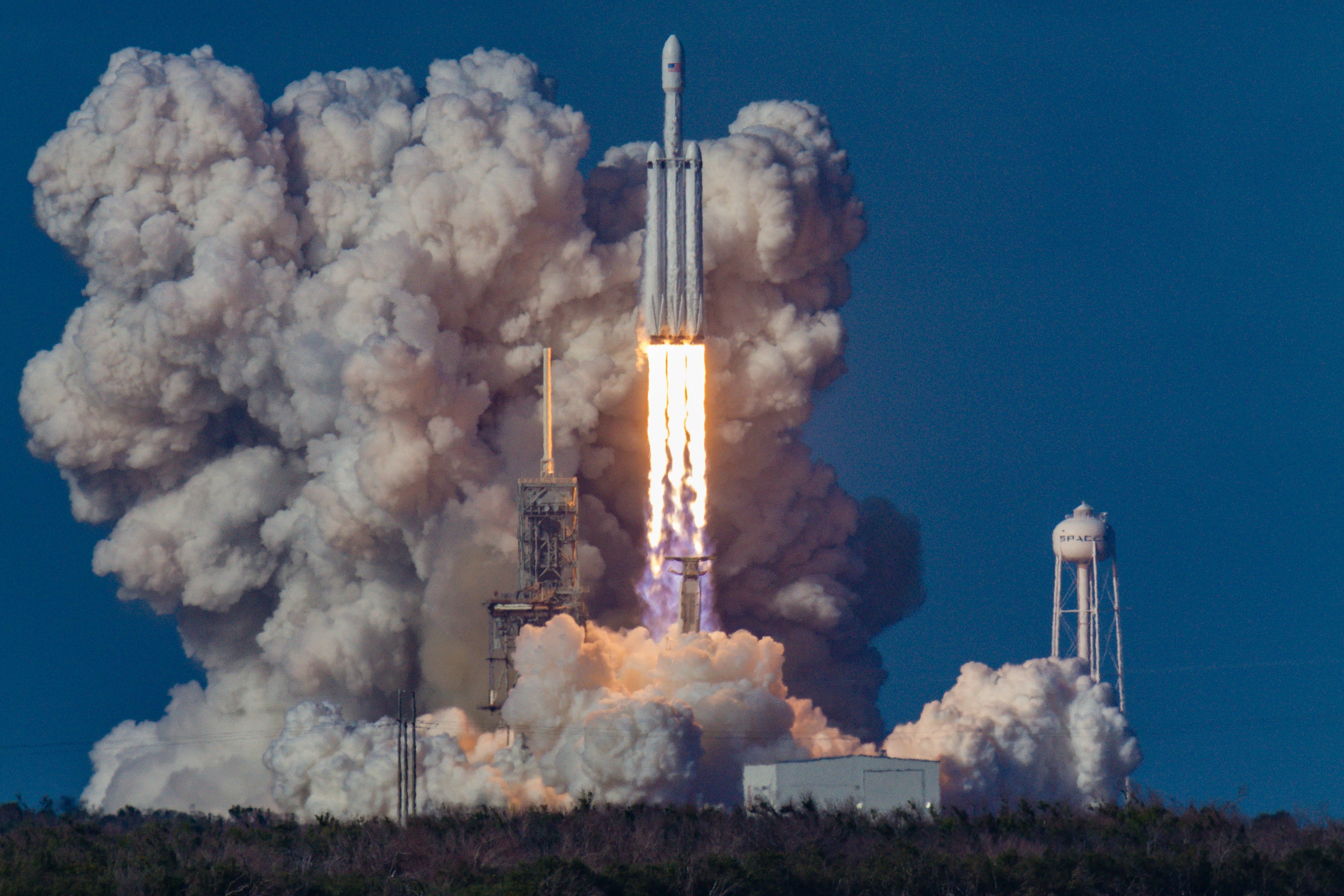
Trump reportedly asked Musk to donate SpaceX equity to seed children's savings accounts as Starlink tops 10,706 working satellites in orbit.

As humanity increasingly relies on satellites, the escalating space junk problem poses a dire threat to our space-based infrastructure. With debris counts reaching alarming levels, urgent action is needed to prevent a cascade of collisions that could make key orbits unusable.
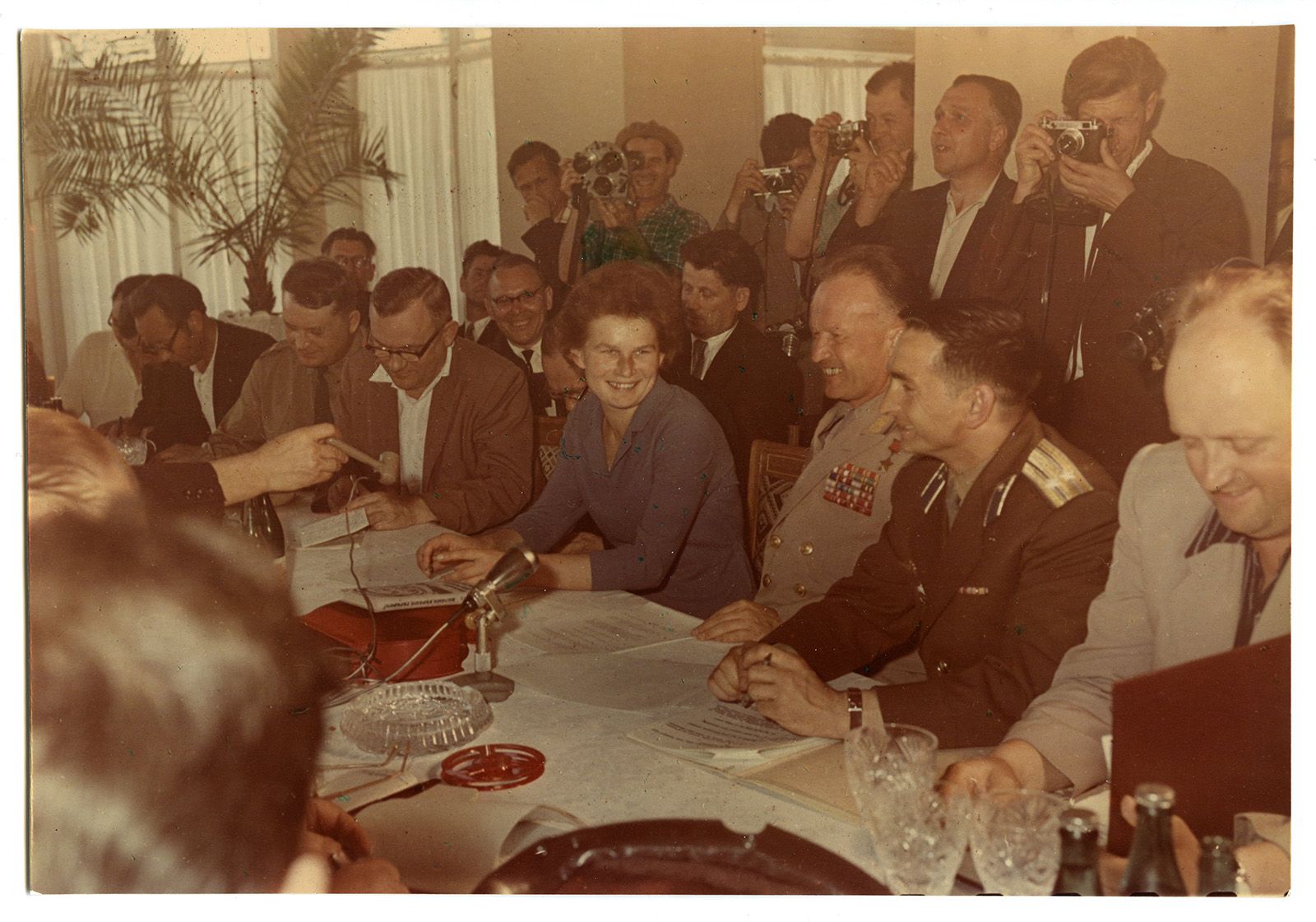
On 16 June 1963, a 26-year-old former textile worker named Valentina Tereshkova launched aboard Vostok 6 and spent nearly three days alone in orbit. She flew 48 times around the Earth, longer than every American astronaut combined, and spotted a dangerous flaw in her descent program that ground controllers had missed.
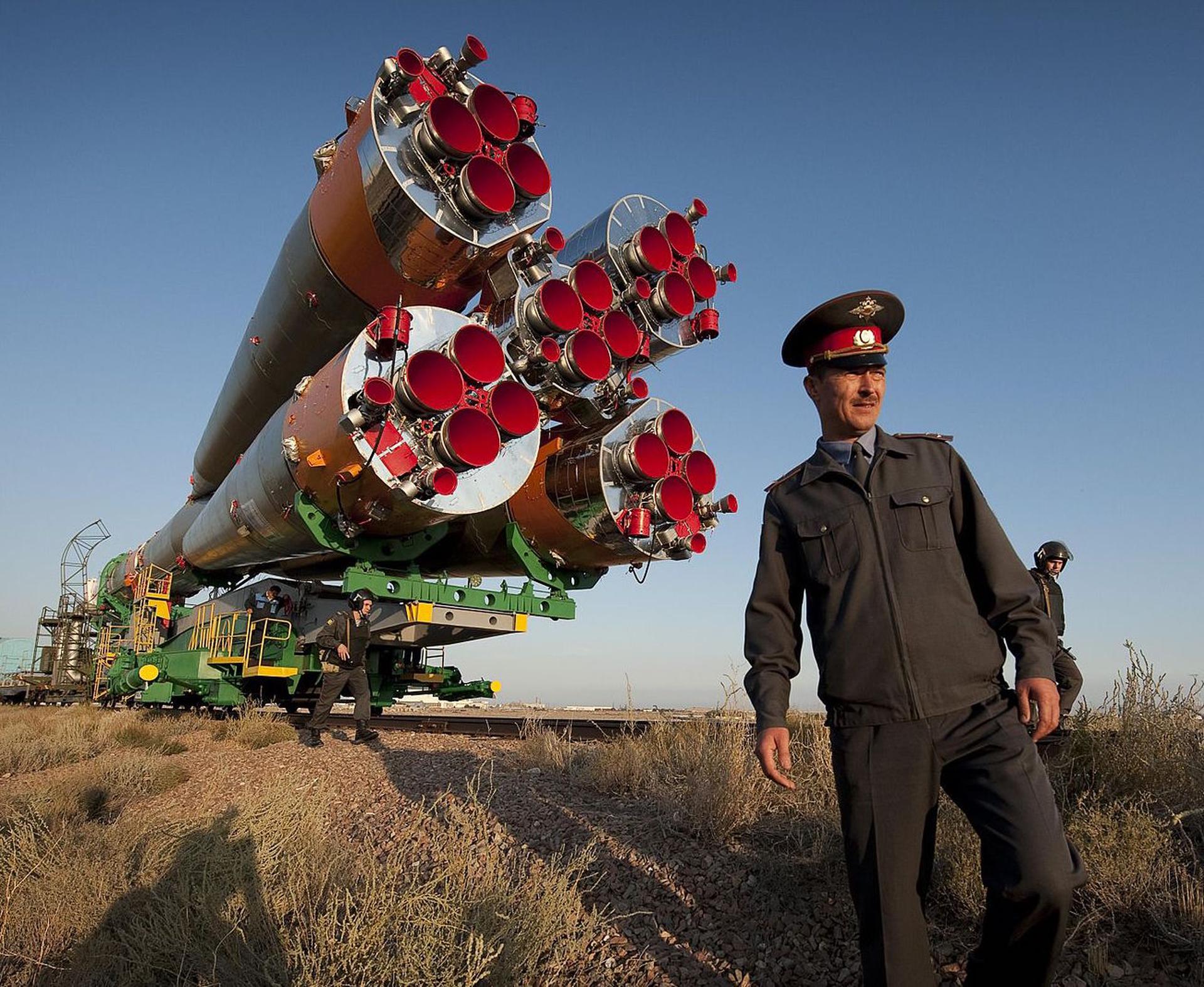
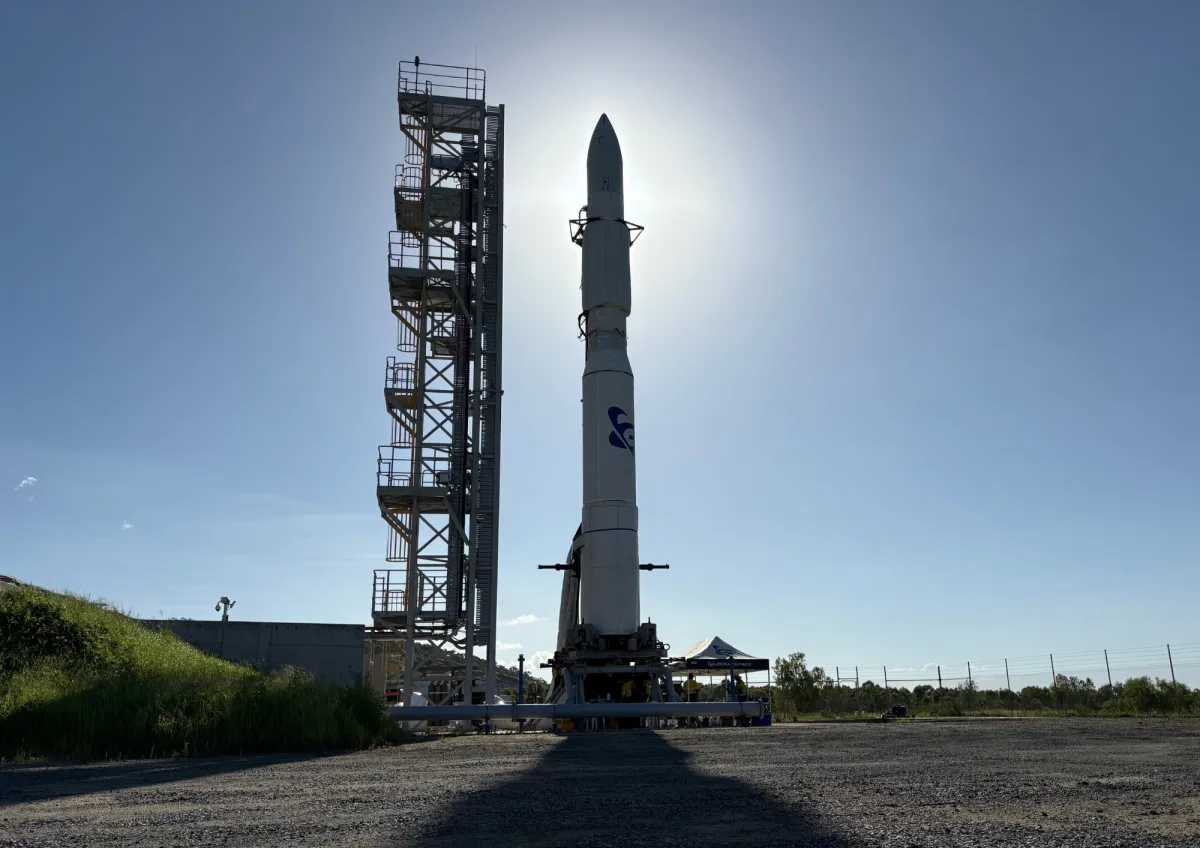
Long March 2C launches four PIESAT-2 radar satellites, Gilmour Space secures Australia's first orbital launch permit, NASA extends ISS cargo contracts through 2030, ESA and Arianespace face industry crossroads.
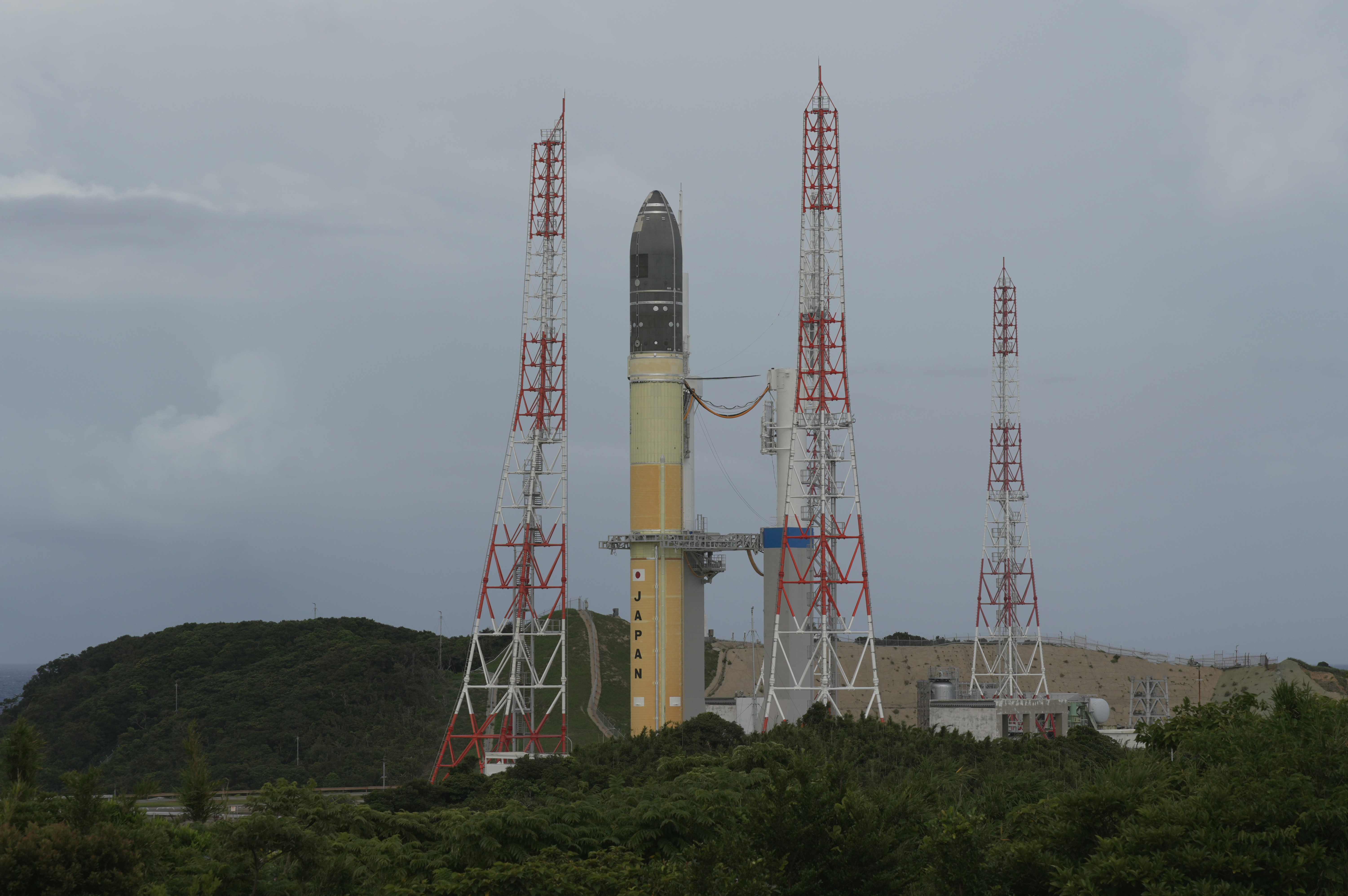
NASA demands Blue Origin find alternate launcher for Artemis moon landers after New Glenn test explosion damaged Cape Canaveral LC-36. Schedule risk to lunar missions.

SpaceX's latest Starlink satellite launch boosts their constellation and Starship development progresses steadily.