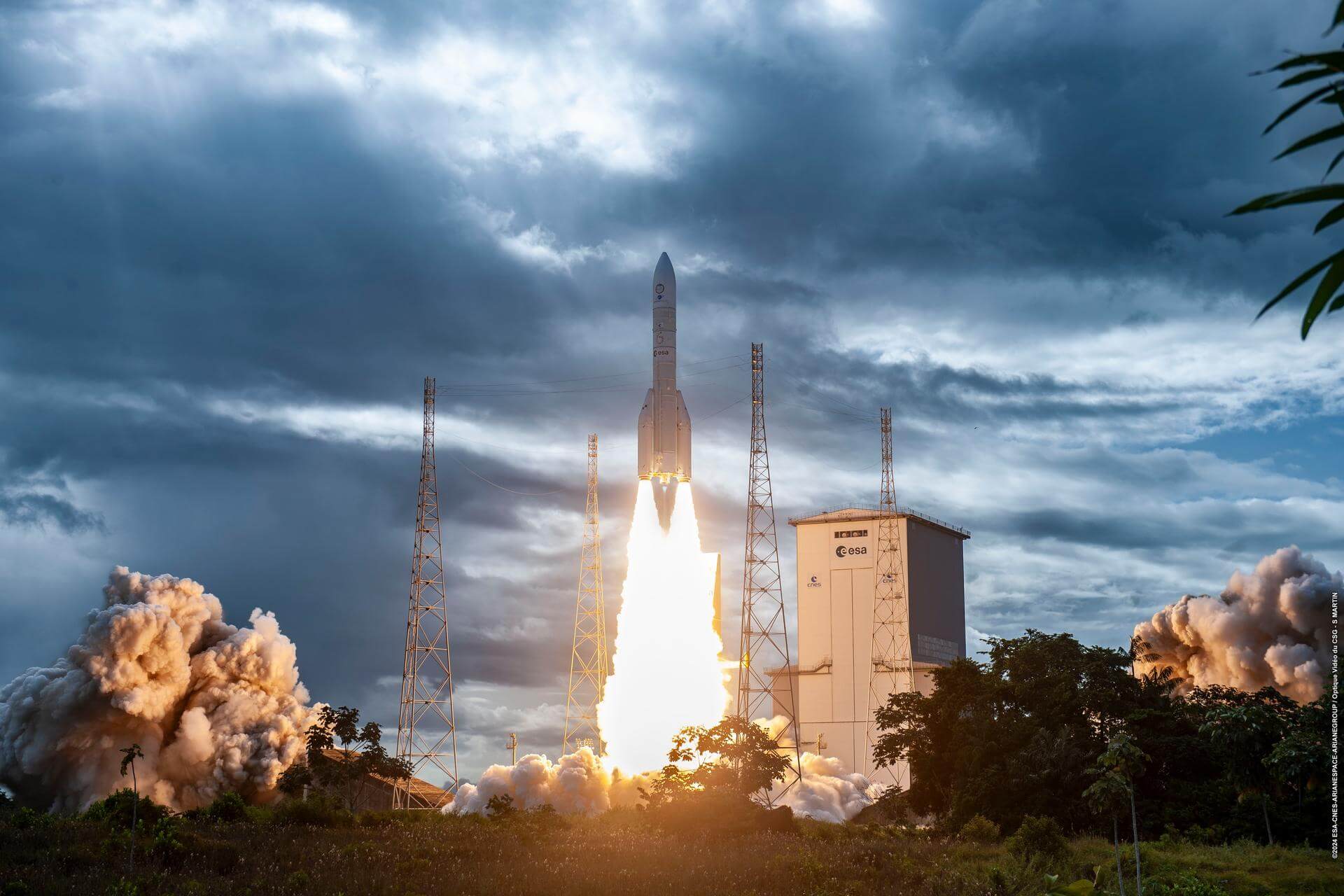
ARIANE 44LP+3 R/B (23817)

COSPAR: 1996-015B | Alt Name: Ariane H10-3 V84
DECAYED

Image
ARIANE 44LP+3 R/B Satellite Image
Additional Sources
Launch Details

Launch Date

March 14, 1996

Launch Site

FRGUI

Launch Pad

ELA2

Launch Vehicle

Ariane 44LP

Orbital Elements

NORAD ID

23817

International Designator

1996-015B

Decay Date

10/20/2000

Basic Satellite Info

Name

ARIANE 44LP+3 R/B

Alternative Name

Ariane H10-3 V84

Type

Rocket Body

Status

Space Junk

Owner

AE

Country

France

Constellation

N/A

Related Satellites

Major Events

N/A

Summary
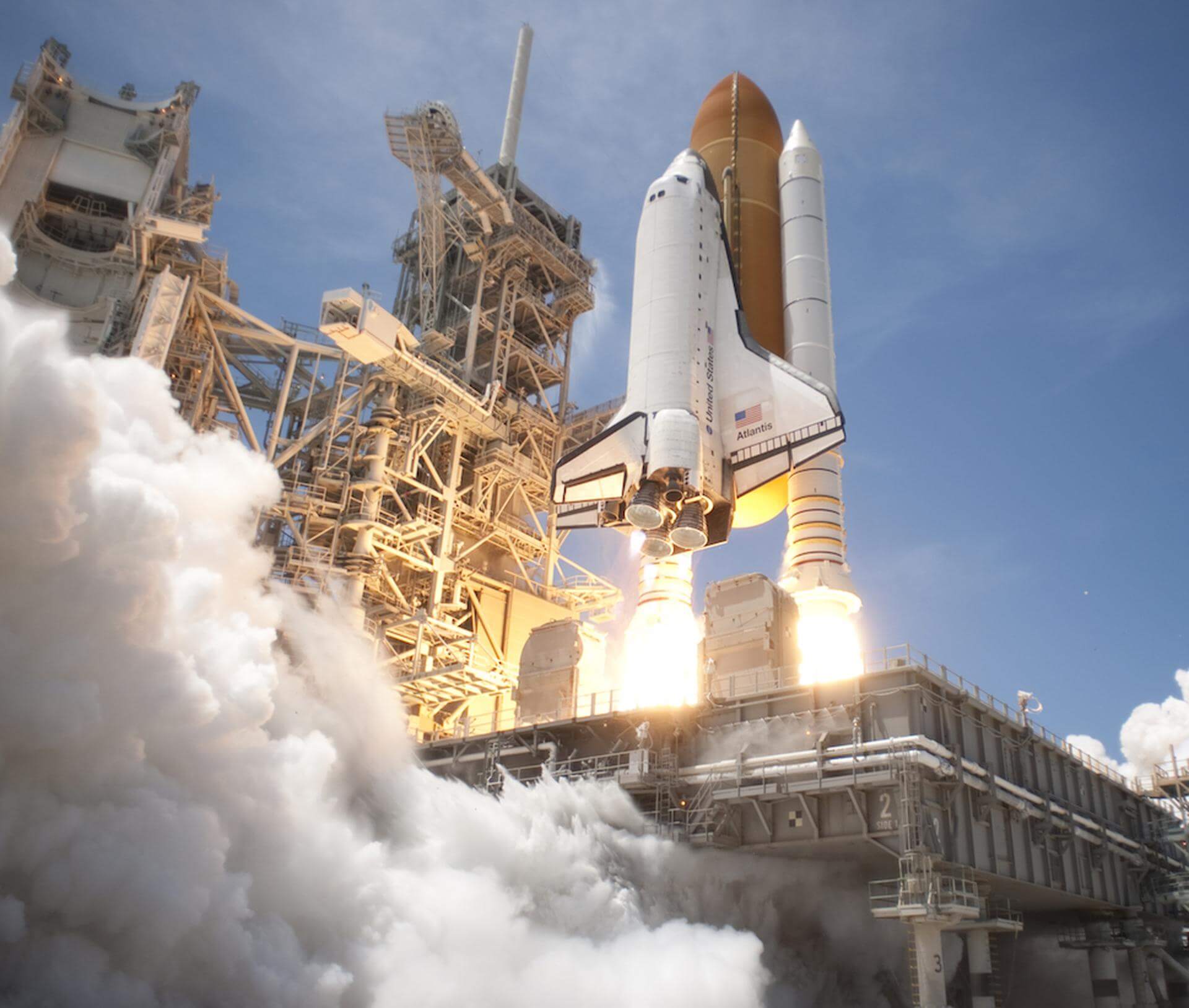
A rocket body, also commonly referred to as an upper stage or spent rocket stage, is the structural shell left behind after a rocket has delivered its payload to orbit. These large and often heavy pieces of space hardware can remain in orbit for years, posing significant collision hazards as part of the growing space debris problem. If left uncontrolled, rocket bodies have the potential to reenter Earth's atmosphere unpredictably, which can lead to falling debris in populated areas. Additionally, they risk colliding with operational satellites or the International Space Station, creating more debris and putting human life at risk.
Physical Characteristics

Length

12.1

Diameter

2.6

Span

12.1

Dry Mass

1820

Launch Mass

2000

Shape

Cyl

Radar Cross Section

24.5815

Visual Magnitude

Unknown

Color

Unknown

Material Composition

Unknown

Technical Details

Payload

Ariane H10-3 S/N T456

Purpose

Unknown

Mission

Unknown

Manufacturer

AELM

Life Expectancy

Unknown

Bus

Ariane H10-3

Configuration

Unknown

Motor

Unknown

Equipment

Unknown

Power System

Unknown

ADCS

Unknown

Transmitter Frequency

Unknown

Satellite Articles

View All Posts »

Learn more about satellites and other related topics.

Space Force Raises Andromeda Contract to $6.2B for SSA Satellites | KeepTrack Space Brief

Space Force Raises Andromeda Contract to $6.2B for SSA Satellites | KeepTrack Space Brief

U.S. Space Force increased Andromeda contract ceiling to $6.2 billion for next-generation space situational awareness satellites replacing GSSAP and SILENTBARKER programs.

Space Brief 25 Jan 2025

Space Brief 25 Jan 2025

Today's Space Brief covers pivotal updates in military space capabilities, defense acquisitions, the UK's nuclear enhancements, and Boeing's financial challenges.

Space Force Races to Rebuild Workforce After Civilian Cuts | KeepTrack Space Brief

Space Force Races to Rebuild Workforce After Civilian Cuts | KeepTrack Space Brief

Space Force urgently rebuilds contracting workforce after civilian reductions. Pentagon defense strategy shifts focus to homeland defense. Tom Ainsworth named top Air Force space acquisition officer.

Space Brief 19 Aug 2025

Space Brief 19 Aug 2025

Today's briefing covers Rocket Lab's strategic acquisition, Space Dynamics Lab's new collaboration with the Space Force, and shifts within the Pentagon's AI division.

SpaceX Resumes Starlink Deployments After Satellite Issues | KeepTrack X Report

SpaceX Resumes Starlink Deployments After Satellite Issues | KeepTrack X Report

SpaceX launches 29 Starlink satellites in first deployment since recent satellite issues. Falcon 9 also delivers Italy's COSMO-SkyMed CSG-FM3 from Vandenberg. Starship plans solidified for 2026.

Space Brief 27 Jan 2025

Space Brief 27 Jan 2025

Highlights include US military astronaut rescue drills, China's commercial involvement in lunar missions, ESA's budget proposals, global opposition to space advertising, and NASA lunar landers.

SpaceX IPO Raises $75B at $135/Share on Nasdaq Debut | KeepTrack X Report

SpaceX IPO Raises $75B at $135/Share on Nasdaq Debut | KeepTrack X Report

SpaceX's historic $75B IPO priced at $135/share launches SPCX on Nasdaq at a $1.77 trillion valuation — the largest IPO in history.

Artemis II Crew Sets Human Distance Record at Moon | KeepTrack Space Brief

Artemis II Crew Sets Human Distance Record at Moon | KeepTrack Space Brief

Artemis II crew surpassed Apollo 13's distance record during April 6 lunar flyby. Orion carried 4 astronauts—including Canadian Jeremy Hansen—farther from Earth than any humans.