

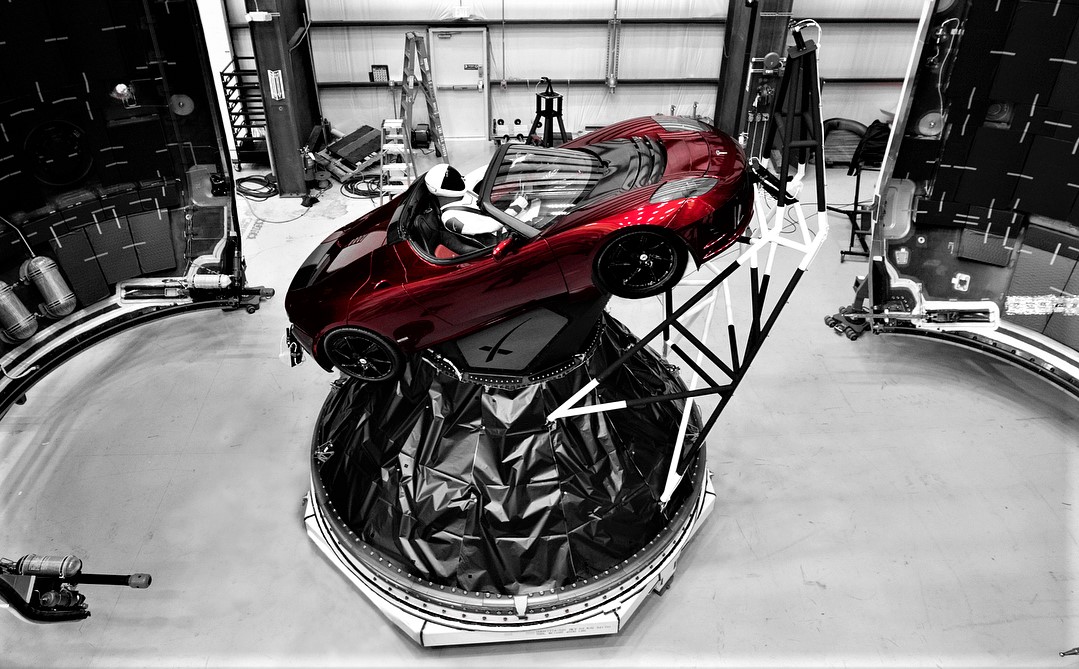
The Day a Car Started Its Journey to the Stars
Seven years ago, SpaceX revolutionized spaceflight by launching the most powerful operational rocket in the world, carrying with it a cherry-red Tesla Roadster that captured global imagination


Launch Date
December 30, 1995
Launch Site
Launch Pad
LC17A
Launch Vehicle
Delta 7920-10
NORAD ID
23758
International Designator
1995-074B
Decay Date
1/23/1996
Name
DELTA 2 R/B
Alternative Name
Delta 230
Type
Status
Owner
MDAC
Country
United States
Constellation
N/A
Related Satellites
Major Events
N/A
Length
6
Diameter
2.4
Span
6
Dry Mass
919
Launch Mass
6930
Shape
Cyl + Cone
Radar Cross Section
10.499
Visual Magnitude
Unknown
Color
Unknown
Material Composition
Unknown
Payload
Delta SSPS AJ10-118K
Purpose
Unknown
Mission
Unknown
Manufacturer
MDAC
Life Expectancy
Unknown
Bus
Delta/0020
Configuration
Unknown
Motor
Unknown
Equipment
Unknown
Power System
Unknown
ADCS
Unknown
Transmitter Frequency
Unknown
Learn more about satellites and other related topics.
Seven years ago, SpaceX revolutionized spaceflight by launching the most powerful operational rocket in the world, carrying with it a cherry-red Tesla Roadster that captured global imagination
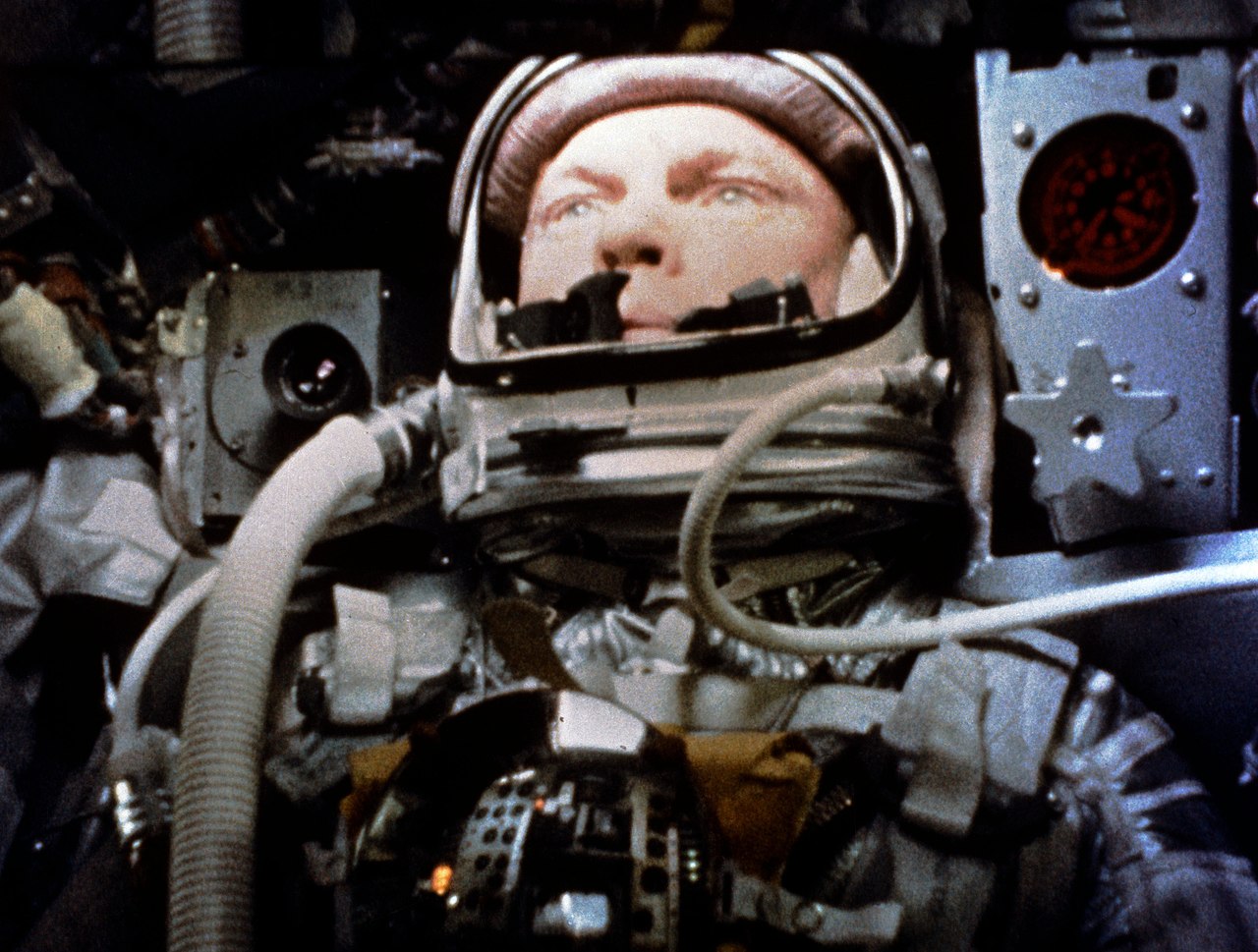
Sixty-three years ago, John Glenn became the first American to orbit Earth, piloting Friendship 7 through three historic orbits that transformed the Space Race

ULA Vulcan faces scrutiny after solid booster anomaly on USSF-87 mission. ThinKom wins portable satellite ground station contract. Space Force starts Project Hecate for GPS past 2040.
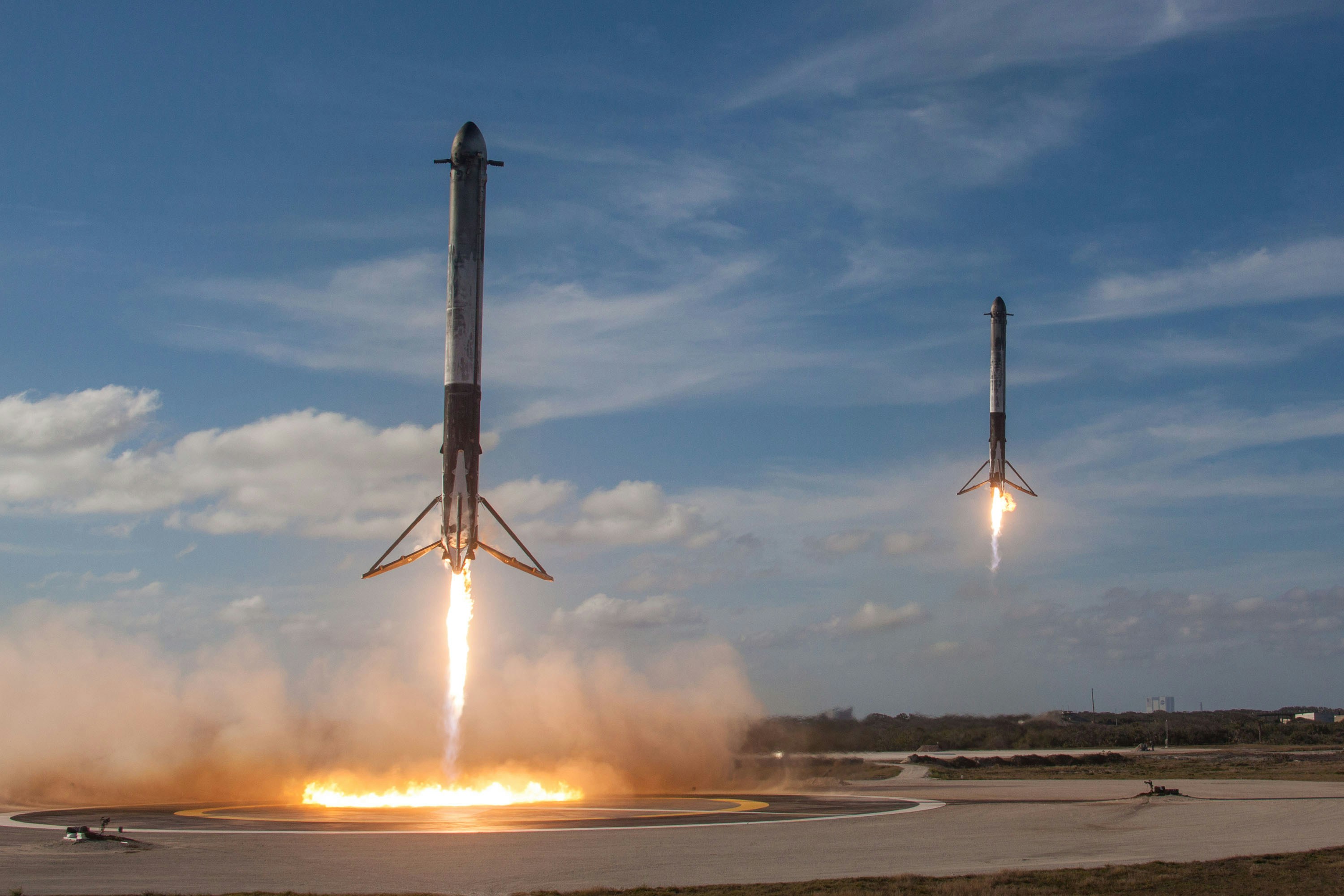
SpaceX marks a significant milestone with its 100th Starlink mission launch and makes impressive progress on lunar lander development for Artemis III.

Hanwha Systems in talks with MDA Space and Telesat for South Korean defense satellite constellation. SpaceX preps GPS satellite launch for Space Force. Seismic networks now track space junk reentry.

SpaceX launches Starlink while debuting on Nasdaq at $1.77 trillion valuation. Meanwhile, Senate FY2027 NDAA would dissolve SDA into Space Force, affecting Tranche constellation tracking.
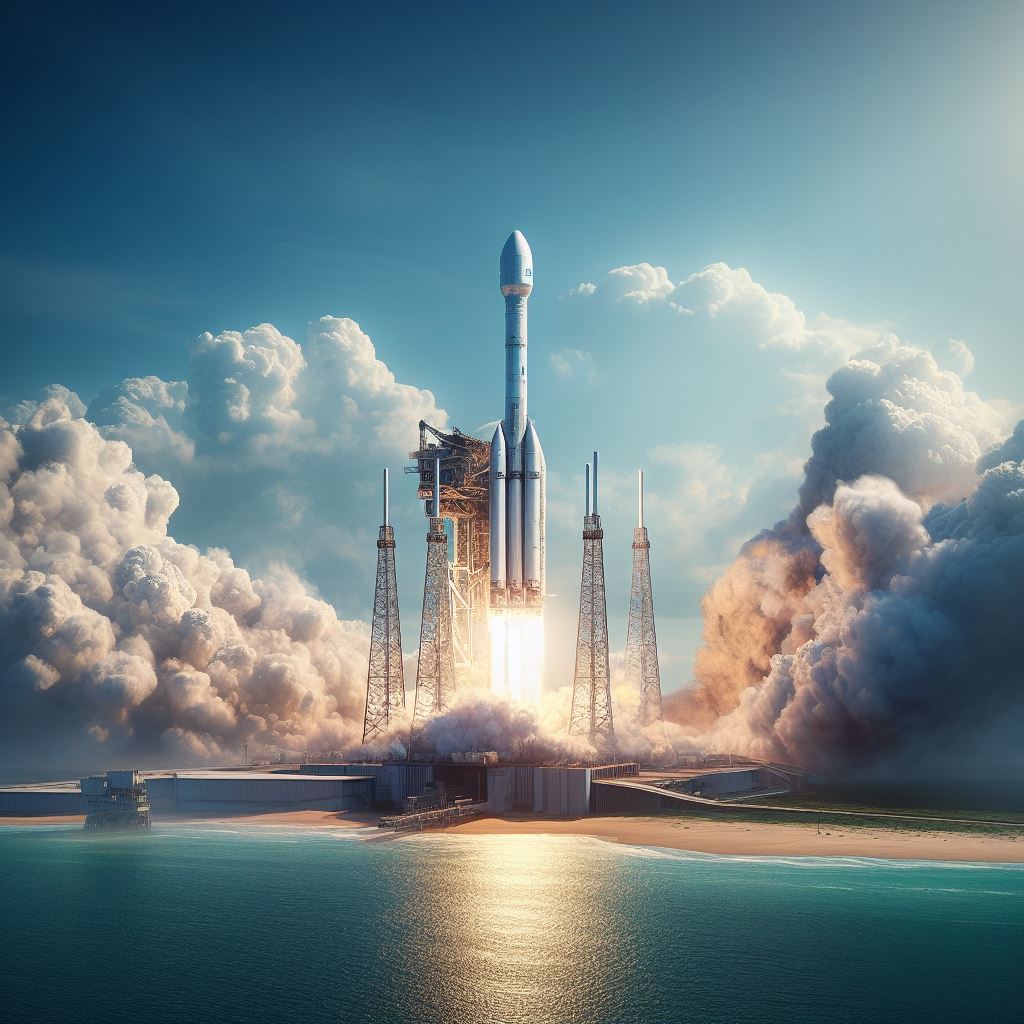
Super heavy-lift rockets are the most powerful launch vehicles ever built. They can send humans and cargo to the Moon, Mars, and beyond. But what are they, and why are they so important?

An in-depth look at CelesTrak, the leading non-profit provider of orbital element sets and collision assessment tools, trusted by space professionals worldwide.