


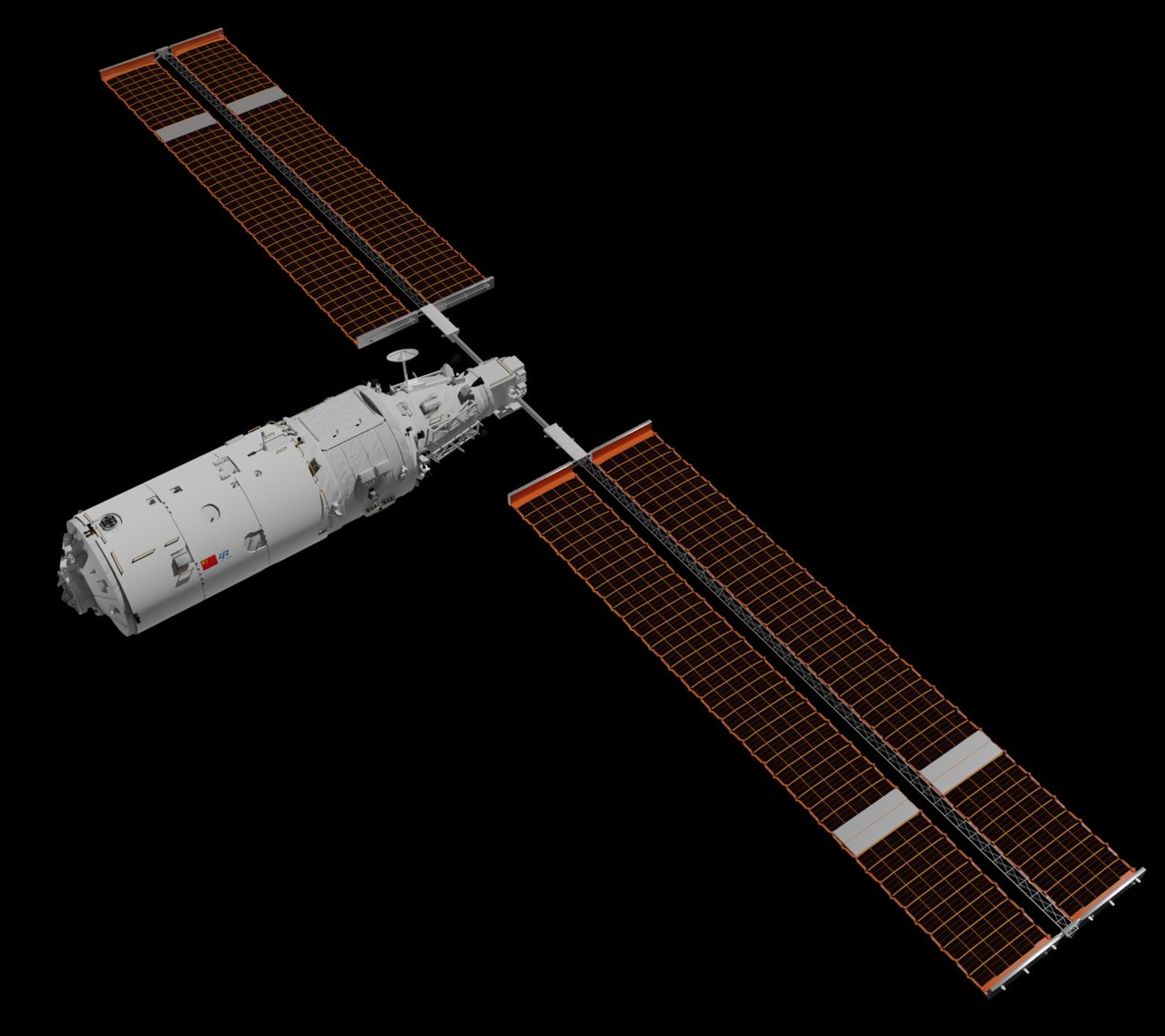
Space Brief 16 Sep 2024
Highlights of the day include the Polaris Dawn mission's splashdown, advances in space traffic management, and intriguing astronomy insights from the cloud's edge.


Launch Date
December 15, 1995
Launch Site
Launch Pad
LC36A
Launch Vehicle
Atlas IIA
NORAD ID
23741
International Designator
1995-069A
Epoch
Fri, 03 Jul 2026 07:13:19 GMT
Apogee
Calculating...
Perigee
Calculating...
Inclination
13.30°
Right Ascension
16.11°
Eccentricity
Calculating...
Argument of Perigee
93.30°
Period
1435.28 min
Mean Motion
1.00 rev/day
Latitude
Calculating...
Longitude
Calculating...
Altitude
Calculating...
Velocity
Calculating...
Name
GALAXY 3R (G-3R)
Alternative Name
Galaxy 3R
Type
Status
Owner
HCG
Country
United States
Constellation
N/A
Related Satellites
Major Events
N/A
1 23741U 95069A 26184.30092135 -.00000104 00000-0 00000-0 0 9996
2 23741 13.3037 16.1142 0004195 93.3044 173.7616 1.00328900111976
Source: Celestrak
Length
4.9
Diameter
2.7
Span
26
Dry Mass
1600
Launch Mass
3066
Shape
Box + 2 Pan
Radar Cross Section
12.3125
Visual Magnitude
Unknown
Color
Unknown
Material Composition
Unknown
Payload
Galaxy 3R
Purpose
Communication
Mission
Communication
Manufacturer
HSES
Life Expectancy
8 years (minimum)
Bus
HS-601
Configuration
HS-601
Motor
R-4D-11-300
Equipment
24 C-band transponders, 24 Ku-band transponders
Power System
2 deployable solar arrays, batteries
ADCS
Unknown
Transmitter Frequency
Unknown
Learn more about satellites and other related topics.
Highlights of the day include the Polaris Dawn mission's splashdown, advances in space traffic management, and intriguing astronomy insights from the cloud's edge.
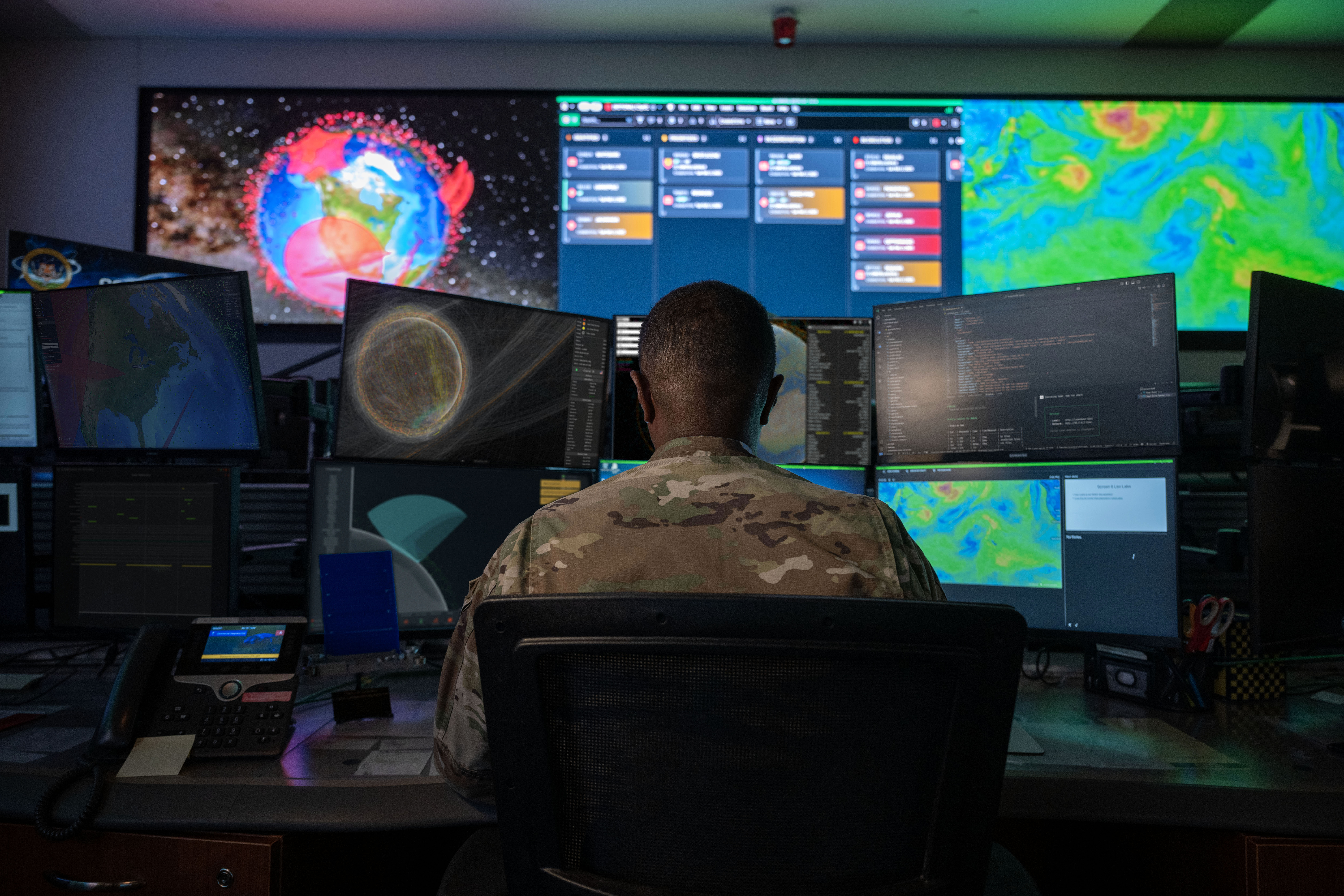
Pentagon gives Anthropic Friday deadline to loosen military AI policy. Space Force keeps Vulcan grounded over booster issue. Funding boost speeds missile-tracking satellites.
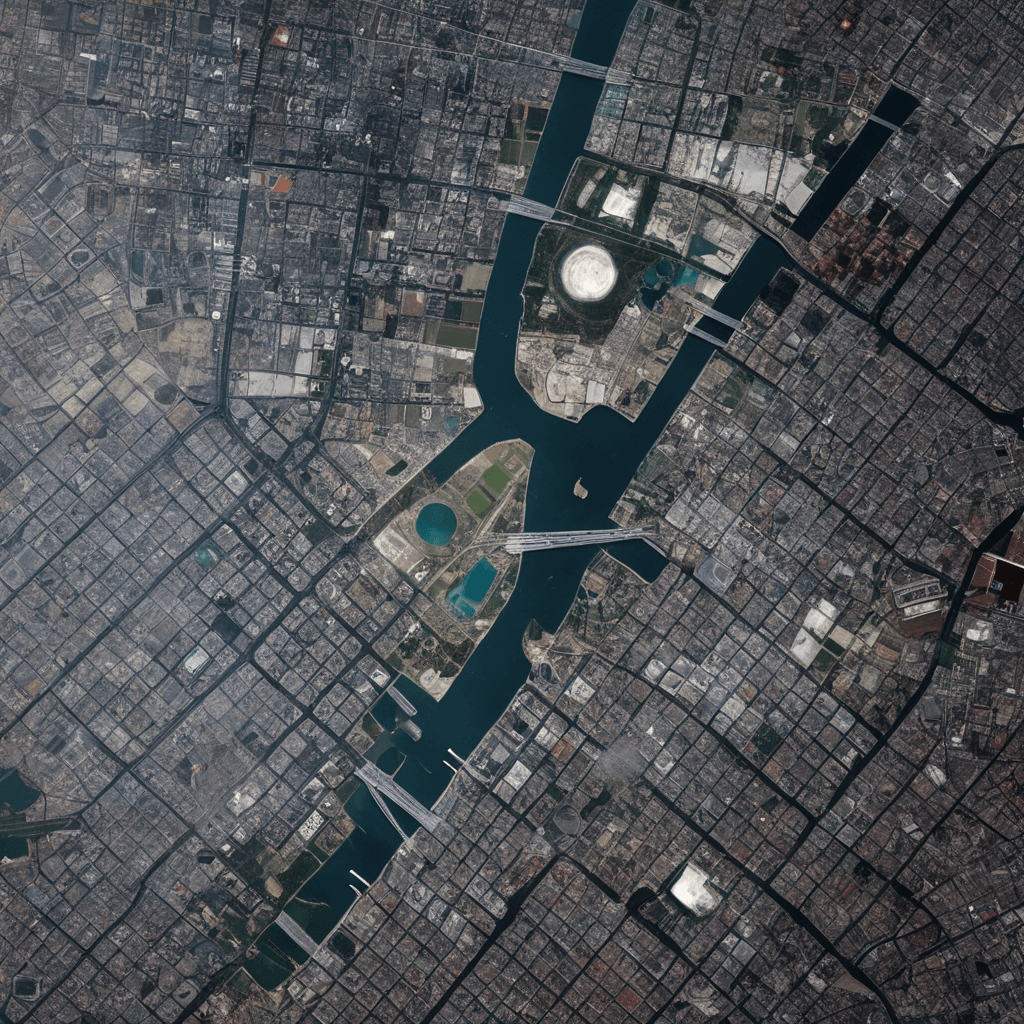
Learn which satellites take photos and why we can't get updates instantly.

Today’s highlights include new defense initiatives in the U.S., potential strategic shifts in Europe, and the establishment of council to counter security threats.
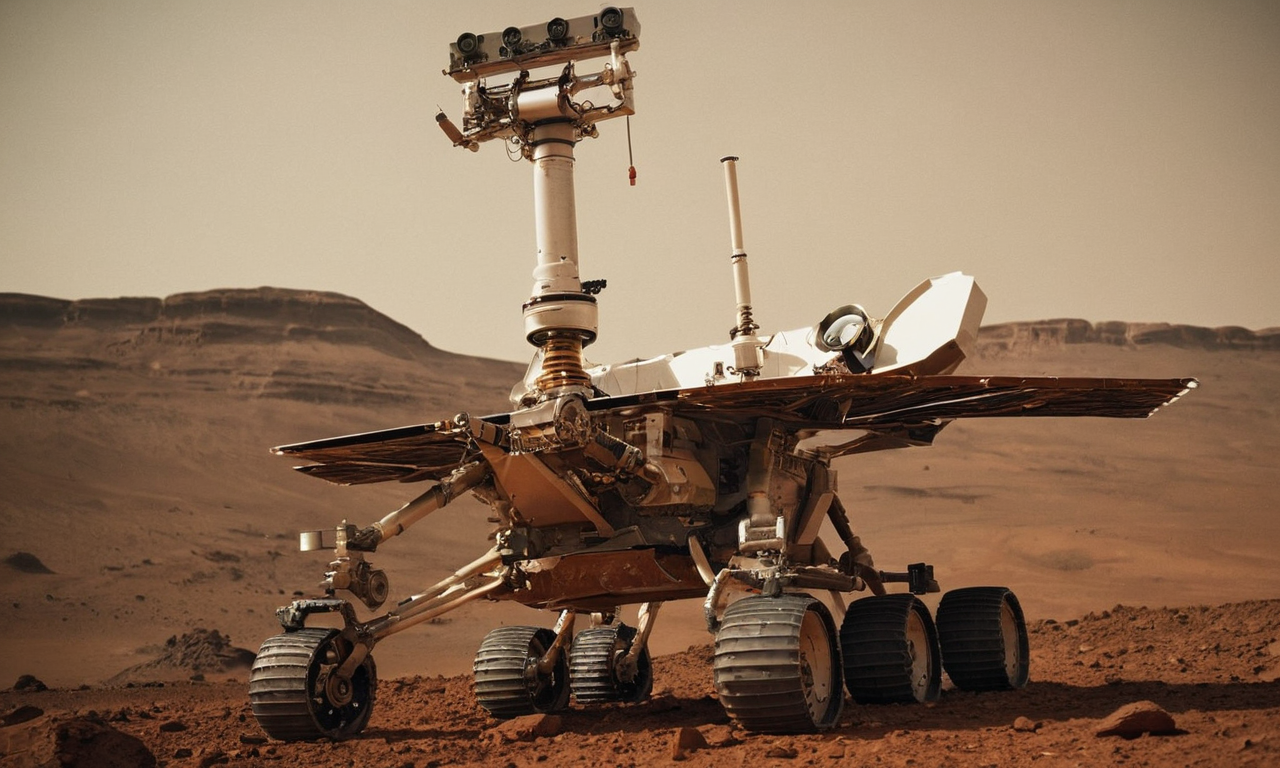
Twenty-one years ago, a golf cart-sized rover bounced to a stop inside a small crater on Mars, beginning one of the most remarkable chapters in space exploration history
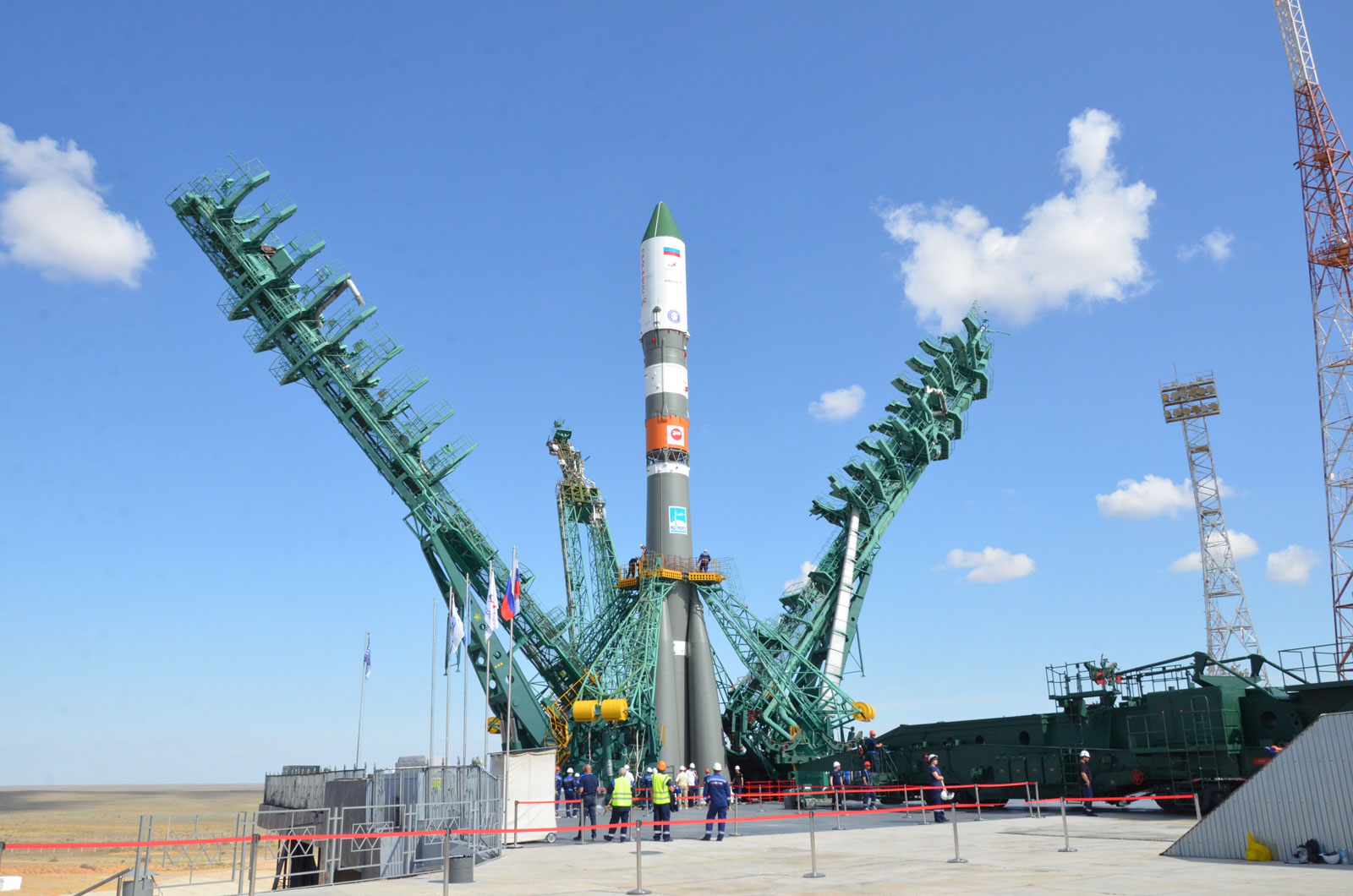
China's Tiangong space station completes crew rotation, Rocket Lab prepares for confidential launch, and Japan successfully launches military satellite with its H3 rocket.

Falcon Heavy flew for the first time in eighteen months on April 29, 2026, expending its center core to push Viasat's final ViaSat-3 satellite toward geostationary orbit. The mission is a flagship rocket doing what only it can still do, for an operator betting six tons of high-throughput hardware on a market Starlink is rapidly redefining.

Discover the latest on China's Zhuque-3 launch, ISS crew updates, ESA's budget dealings, a strategic super-resolution partnership, and ACME Space's innovative plans.