


Apophis 2029 Flyby: ESA-JAXA Joint Mission Locked In | KeepTrack Space Brief
ESA and JAXA finalize collaboration for asteroid Apophis 2029 flyby at 32,000 km—closer than geostationary orbit. Historic near-Earth encounter being heavily observed.


Launch Date
December 14, 1995
Launch Site
Launch Pad
LC200/39
Launch Vehicle
Proton-K/DM-2
NORAD ID
23740
International Designator
1995-068G
Decay Date
11/23/2001
Name
SL-12 R/B(AUX MOTOR)
Alternative Name
DM2-80L SOZ-1
Type
Status
Owner
RVSNR
Country
Russia
Constellation
N/A
Related Satellites
Major Events
N/A
Length
1.1
Diameter
0.5
Span
1.1
Dry Mass
60
Launch Mass
120
Shape
Cyl
Radar Cross Section
1.2934
Visual Magnitude
Unknown
Color
Unknown
Material Composition
Unknown
Payload
SOZ
Purpose
Unknown
Mission
Unknown
Manufacturer
RKKE
Life Expectancy
Unknown
Bus
SOZ
Configuration
Unknown
Motor
Unknown
Equipment
Unknown
Power System
Unknown
ADCS
Unknown
Transmitter Frequency
Unknown
Learn more about satellites and other related topics.
ESA and JAXA finalize collaboration for asteroid Apophis 2029 flyby at 32,000 km—closer than geostationary orbit. Historic near-Earth encounter being heavily observed.

Pentagon cancels Next-Generation OPIR Polar program after Northrop Grumman delivered sensor payload. LEO and MEO alternatives deemed sufficient for missile-warning coverage.
SpaceX successfully launched 28 Starlink satellites aboard a Falcon 9 rocket, marking significant advancements in their deployment and operational capabilities.
Senate clears $839B defense spending bill ensuring Pentagon space domain funding. L3Harris reaffirms space sector commitment amid Golden Dome expansion. York Space raises $629M in public offering.
Discover the latest in satellite technology with the launch of the world's first wooden satellite, new test materials for the ISS, and significant developments in orbital space debris.
Today's highlights include the U.S. military's satellite initiative facing delays, Senate inquiries into high-profile calls, and an update on Pentagon's UFO investigations. Notable mentions also cover Morocco's defense sector ambitions.
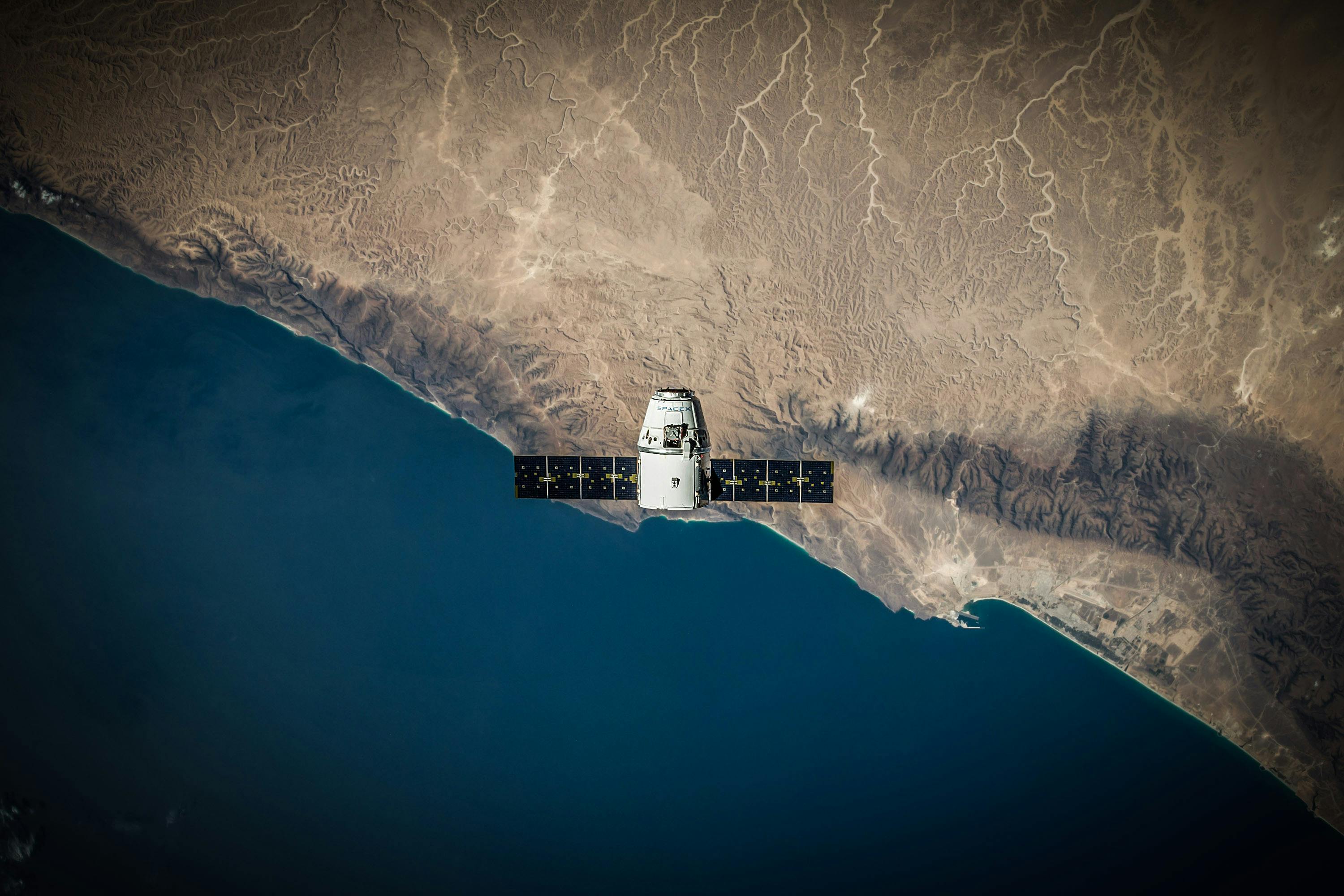
Falcon 9 returns to flight with Starlink 17-33 mission after brief stand-down. Crew-12 astronaut launch confirmed for Feb 11. SpaceX shifts Dragon launches away from pad 39A.

On May 4, 1989, Space Shuttle Atlantis lifted off from LC-39B carrying Magellan, NASA's first interplanetary mission since 1978. The eleven-year drought ended in a payload bay, and the radar that emerged would map ninety-eight percent of Venus through clouds that no camera could ever see through.