


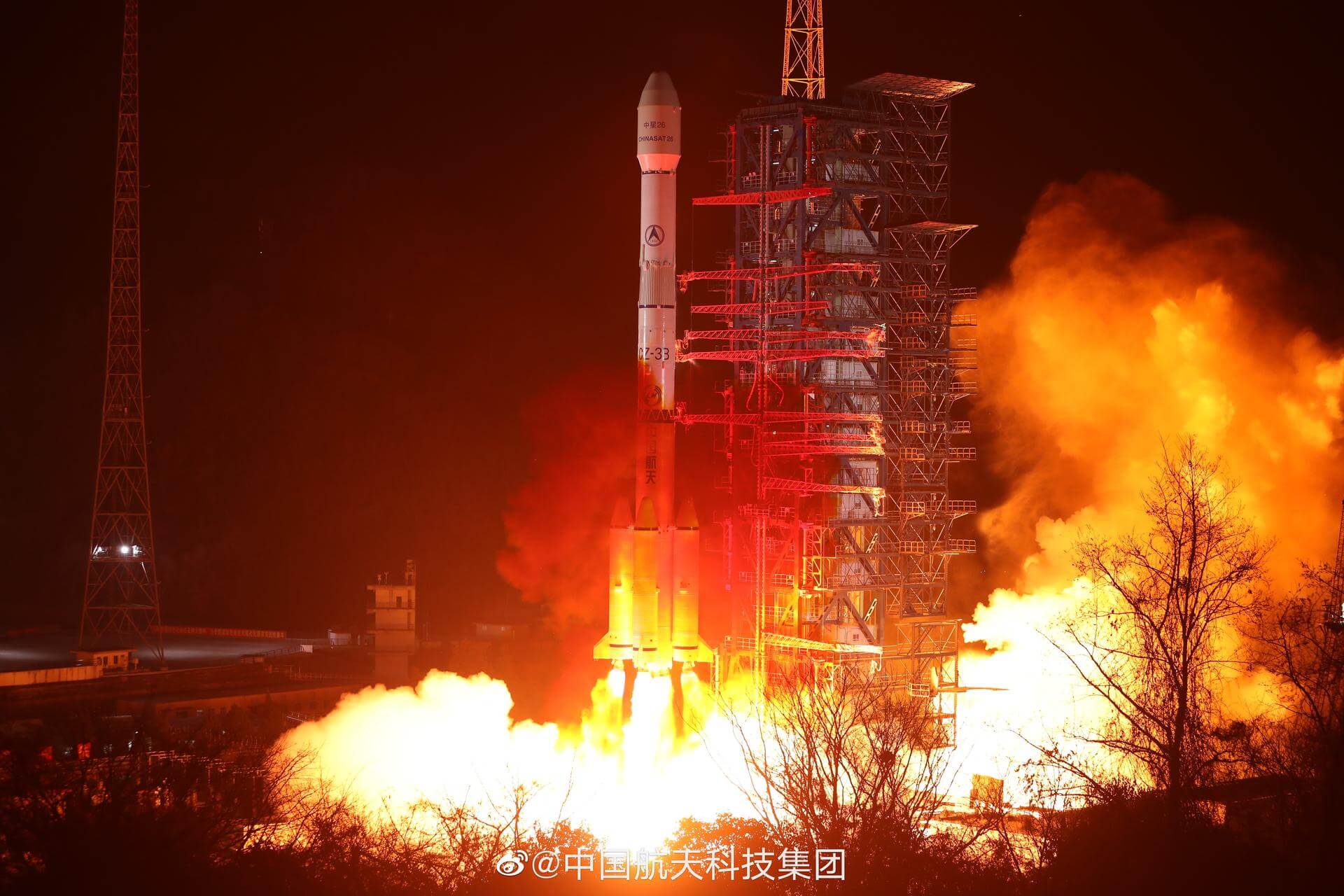
Space Brief 5 Dec 2025
Focusing on military satellite initiatives, defense strategies, and advancements in air and cyber capabilities


![COSMOS 2325 [GLONASS] Satellite Image](/images/sat/23734.jpg)
Launch Date
December 14, 1995
Launch Site
Launch Pad
LC200/39
Launch Vehicle
Proton-K/DM-2
NORAD ID
23734
International Designator
1995-068A
Epoch
Thu, 02 Jul 2026 14:20:03 GMT
Apogee
Calculating...
Perigee
Calculating...
Inclination
65.47°
Right Ascension
202.28°
Eccentricity
Calculating...
Argument of Perigee
221.73°
Period
675.73 min
Mean Motion
2.13 rev/day
Latitude
Calculating...
Longitude
Calculating...
Altitude
Calculating...
Velocity
Calculating...
Name
COSMOS 2325 [GLONASS]
Alternative Name
Kosmos-2323
Type
Status
Owner
VKS/IACG
Country
Russia
Constellation
N/A
Related Satellites
Major Events
N/A
1 23734U 95068A 26183.59725884 .00000083 00000-0 00000+0 0 9995
2 23734 65.4740 202.2849 0022468 221.7332 141.3328 2.13102684237726
Source: Celestrak
Length
4
Diameter
1.5
Span
7.8
Dry Mass
1200
Launch Mass
1300
Shape
Cyl + Ant + 2 Pan
Radar Cross Section
4.3294
Visual Magnitude
Unknown
Color
Unknown
Material Composition
Unknown
Payload
Uragan No. 82L
Purpose
Navigation
Mission
Navigation
Manufacturer
POL
Life Expectancy
3 years
Bus
Uragan
Configuration
3-Axis stabilized
Motor
?
Equipment
?
Power System
2 deployable solar arrays, batteries
ADCS
Unknown
Transmitter Frequency
Unknown
Learn more about satellites and other related topics.
Focusing on military satellite initiatives, defense strategies, and advancements in air and cyber capabilities
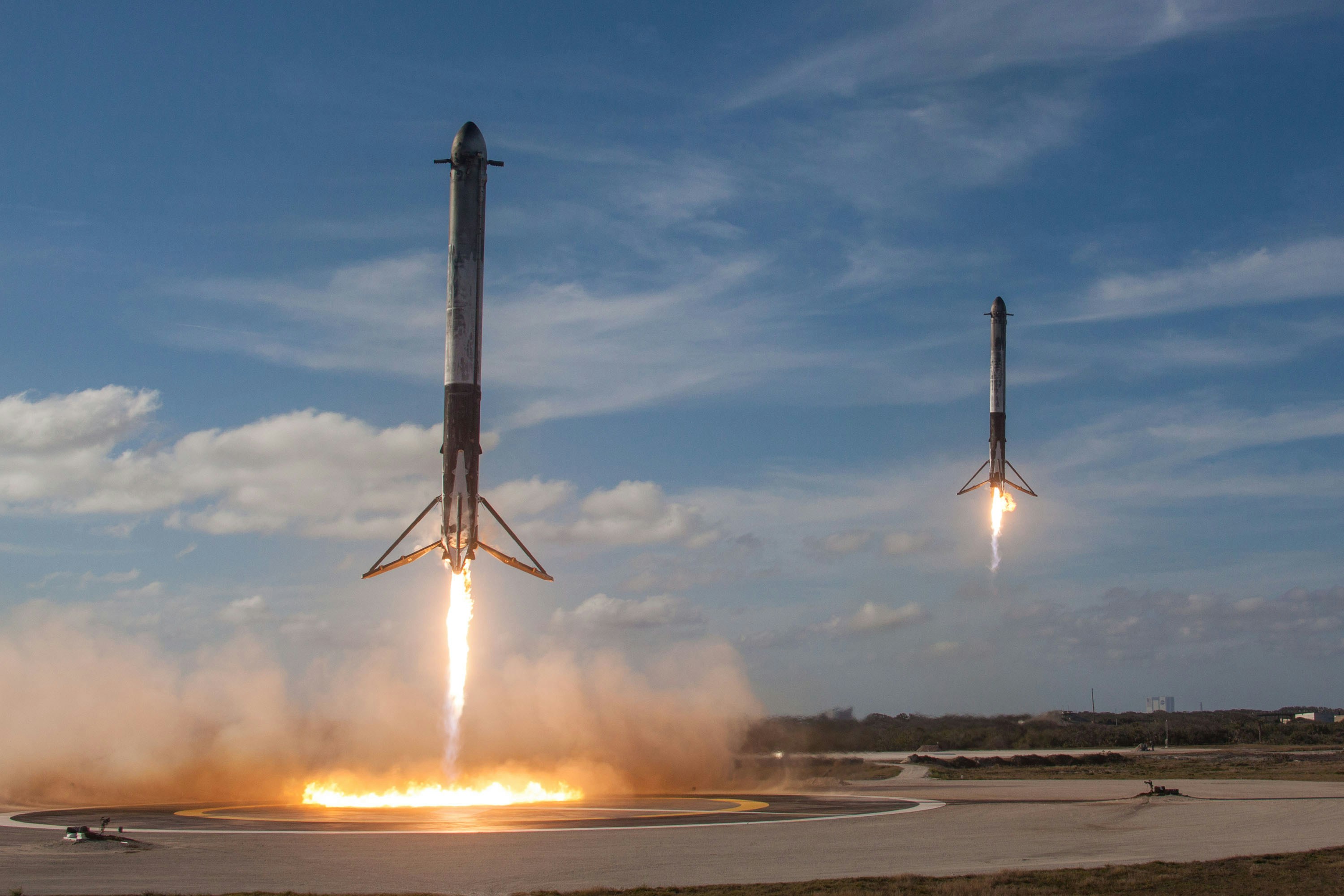
SpaceX marks a significant milestone with its 100th Starlink mission launch and makes impressive progress on lunar lander development for Artemis III.
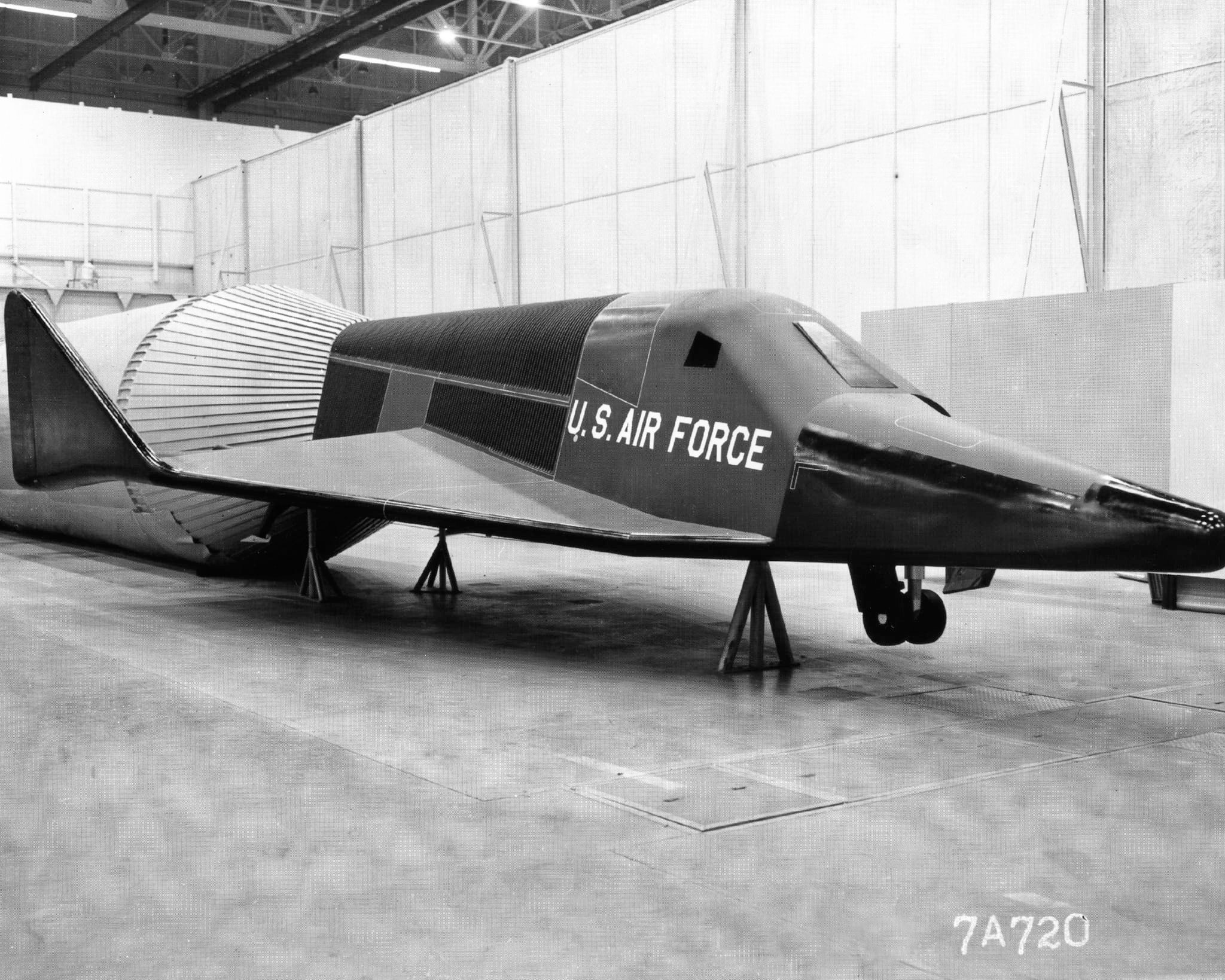
Exactly 62 years ago, Defense Secretary Robert McNamara ended the X-20 Dyna-Soar program, canceling one of the most ambitious spaceplane projects of the early Space Race - a vehicle that could have put aircraft in orbit decades before the Space Shuttle.
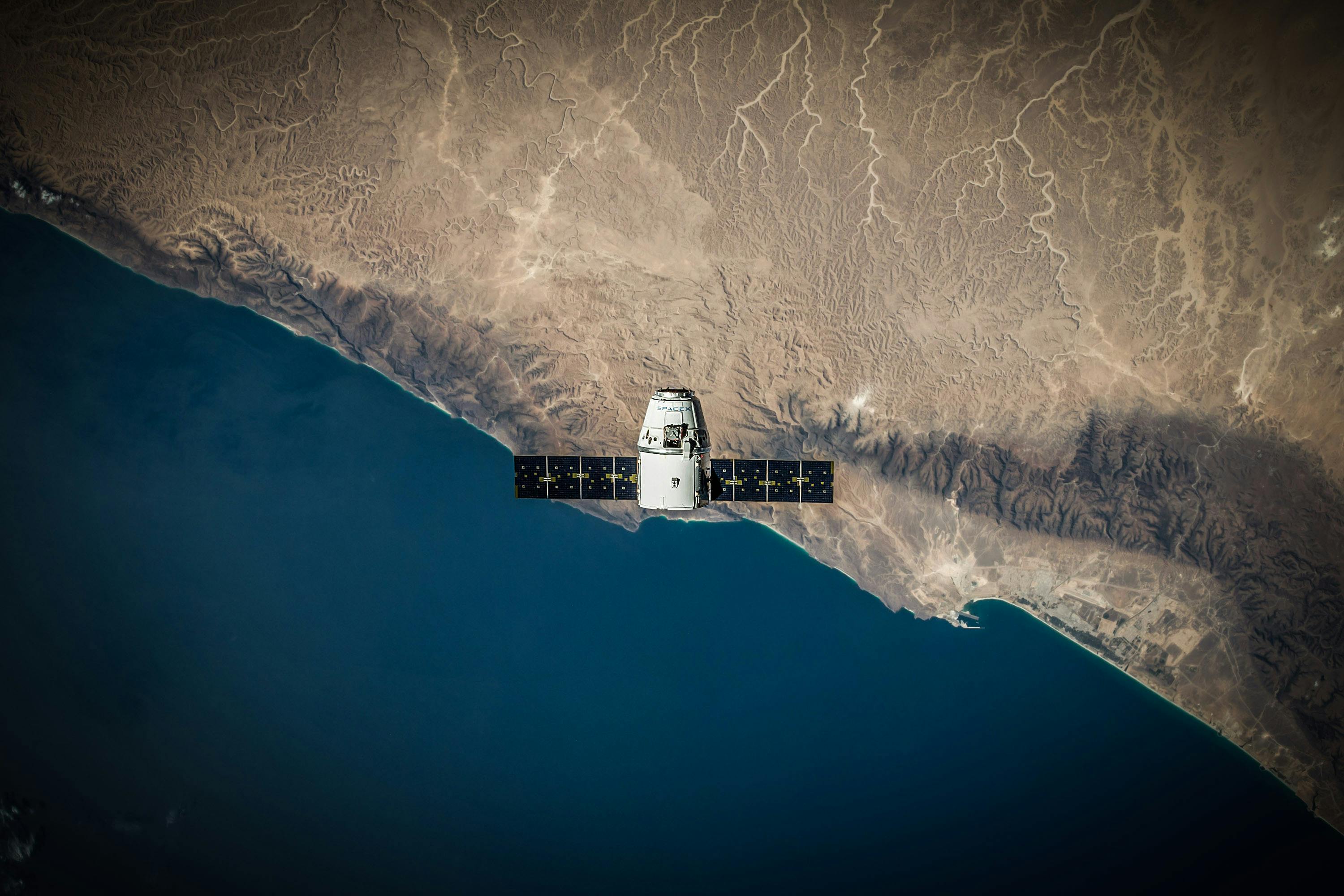
On December 14, 2025, SpaceX achieved a significant milestone with its 550th booster landing following the launch of 27 new Starlink satellites, while exploring potential IPO strategies to fund future projects.

Today's Space Brief covers pivotal updates in military space capabilities, defense acquisitions, the UK's nuclear enhancements, and Boeing's financial challenges.

Space Force inaugurates SPACEFOR-NORTH at Peterson SFB for homeland defense. Viridian inks AFRL satellite agreement. HASC chair seeks $450B defense fund.

SpaceX's Falcon Heavy flew for the first time in 18 months on April 29, while Starlink hit 51 Falcon 9 launches in 2026 with 10,280 satellites working.
NASA's Artemis 2 launches April 1 with Commander Reid Wiseman and 3 crew members for first crewed lunar flyby since Apollo 17 in 1972.