

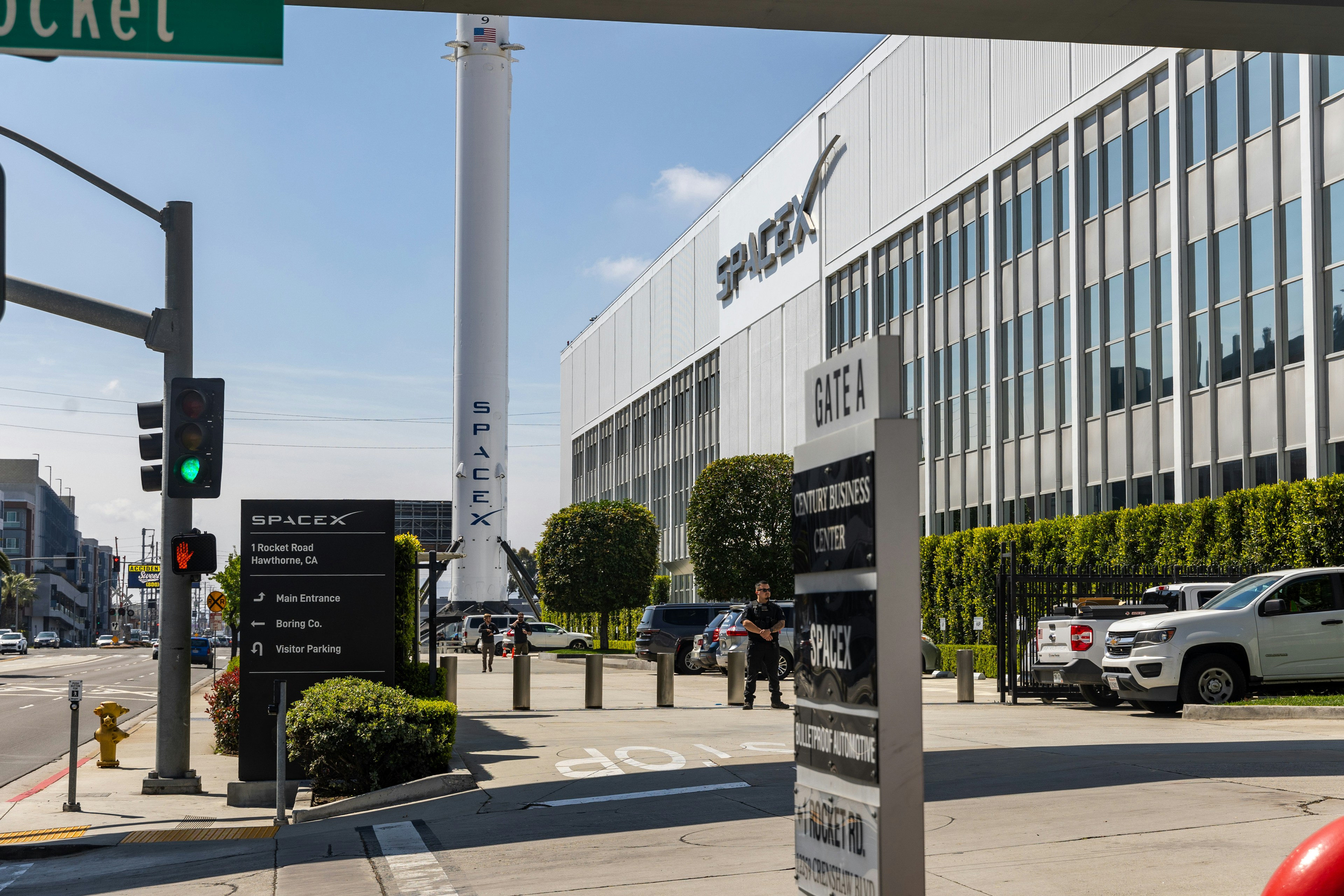
X Report 14 Jan 2025
SpaceX sets a new reusability record and continues its busy launch schedule with multiple Starlink missions.


Launch Date
July 20, 1995
Launch Site
Launch Pad
LC1
Launch Vehicle
Soyuz-U
NORAD ID
23617
International Designator
1995-036A
Decay Date
9/4/1995
Name
PROGRESS-M 28
Alternative Name
Progress M-28
Type
Status
Owner
RKKE
Country
Russia
Constellation
N/A
Related Satellites
Major Events
N/A
Length
7.9
Diameter
2.7
Span
7.9
Dry Mass
4500
Launch Mass
7125
Shape
Sphere + Cone + Cyl + Pan
Radar Cross Section
Unknown
Visual Magnitude
Unknown
Color
Unknown
Material Composition
Unknown
Payload
Progress 7K-TGM No. 228
Purpose
Cargo
Mission
Cargo
Manufacturer
RKKE
Life Expectancy
Unknown
Bus
7K-TGM
Configuration
Unknown
Motor
KTDU-80 (S5.80)
Equipment
Unknown
Power System
2 deployable fixed solar arrays, batteries
ADCS
Unknown
Transmitter Frequency
Unknown
Learn more about satellites and other related topics.
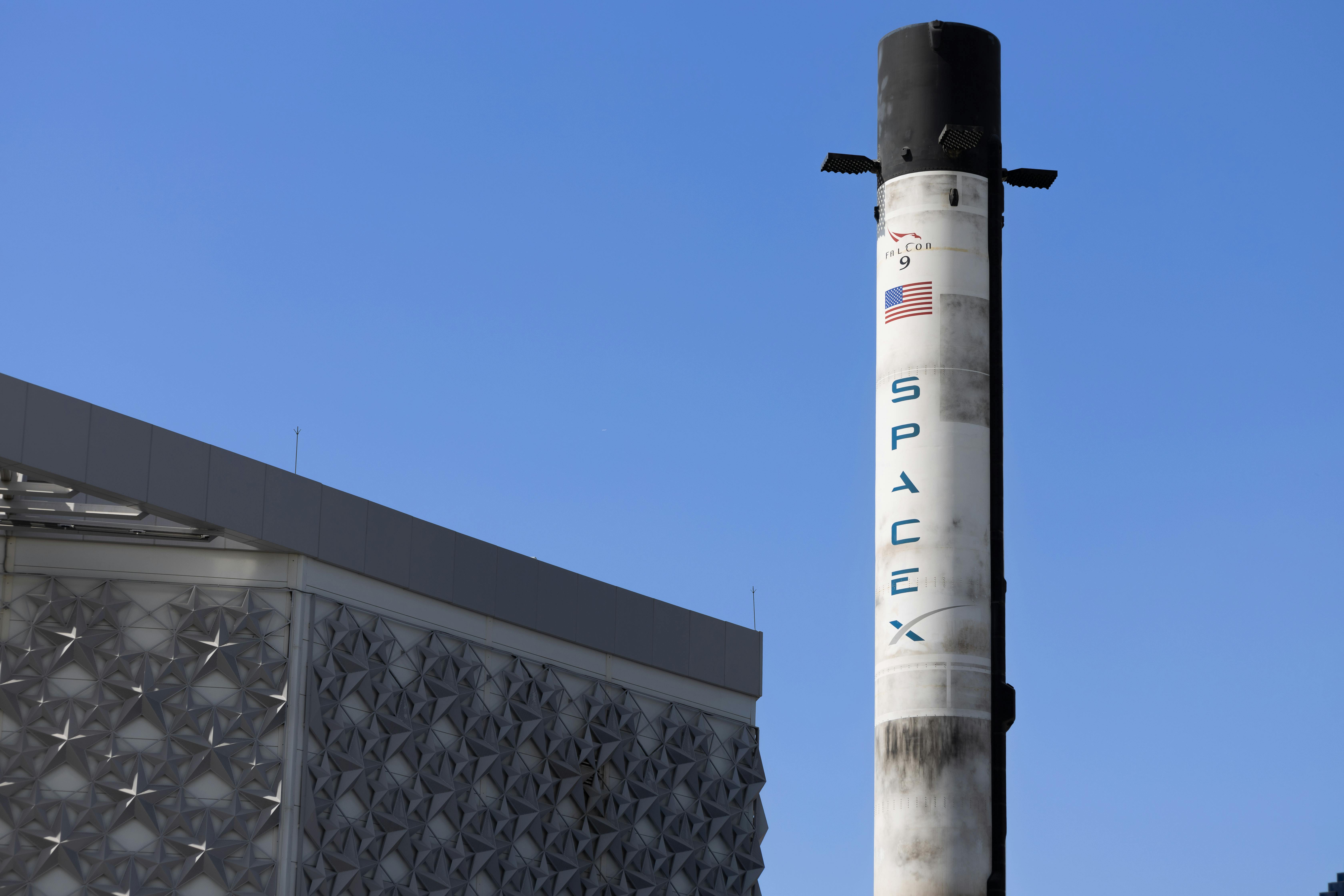
SpaceX sets a new reusability record and continues its busy launch schedule with multiple Starlink missions.

Today's key topics include delays in Vulcan's national security launches, a significant network upgrade contract for the Space Force, and military interest in SpaceX's Starship.
A California firm wins NASA's Aeolus Mars orbiter contract, targeting 2028 launch for the first daily global Martian environment measurements.

SpaceX gears up for significant 2026 launches while a Starlink satellite anomaly provides insights into its operations.

ULA's Vulcan Centaur faces potential months-long stand-down. Space Force actively exploring payload reassignment and satellite operational life extensions to cover critical national security missions.
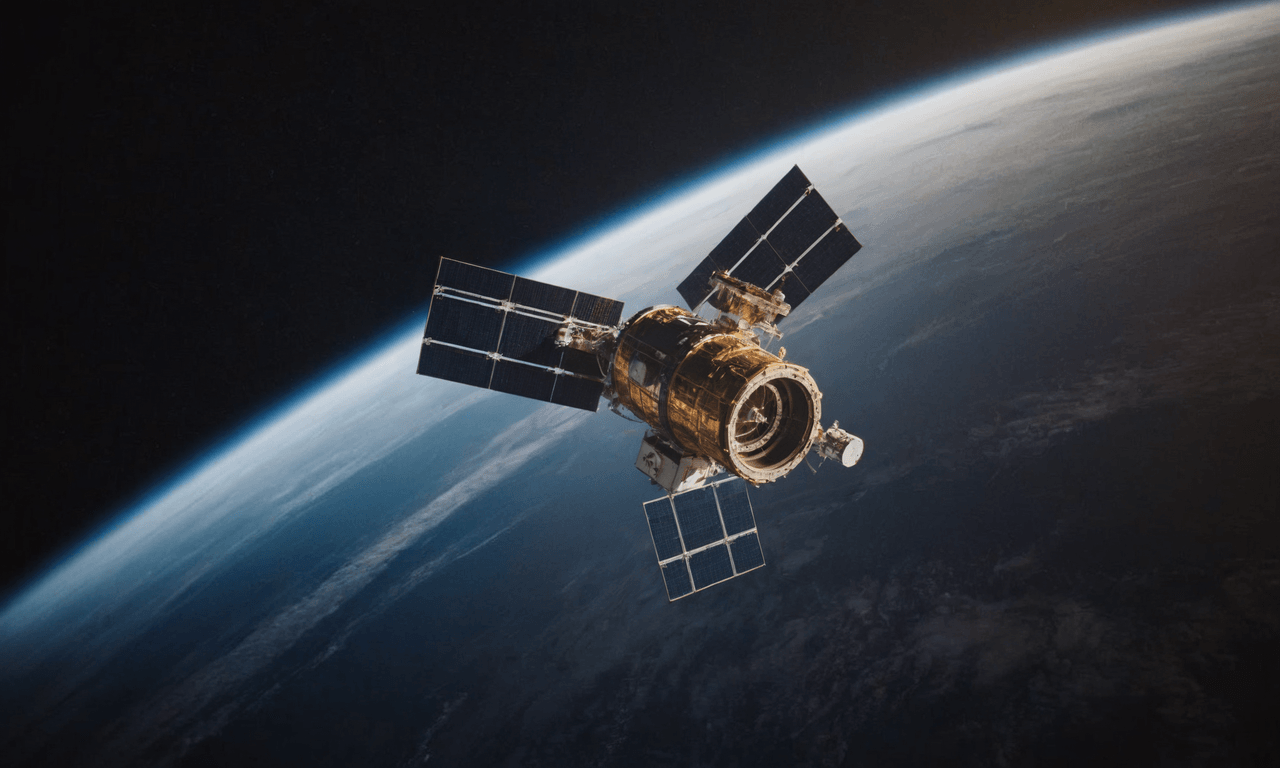
Key topics: SpaceX resumes Falcon 9 launches, mysterious Starliner sounds, and upcoming space policy events. Detailed tracking info for EGYPTSAT A.

Today's brief covers major developments including the introduction of BAHA drones, increased defense spending by Estonia, and consequential announcements on military budgets impacting space-related activities.

Thirty-nine years ago, the loss of Space Shuttle Challenger and its seven crew members forever transformed our approach to spaceflight safety and risk management