


FAA Grounds Starship V3 After Flight 12, X Report 28 May 2026
FAA grounds SpaceX Starship V3 after the Flight 12 mishap, freezing the launch schedule. Plus a $2.29B Space Force contract and 10,397 working Starlinks.


Launch Date
July 13, 1995
Launch Site
Launch Pad
LC39B
Launch Vehicle
Space Shuttle
NORAD ID
23612
International Designator
1995-035A
Decay Date
7/22/1995
Name
STS 70
Alternative Name
Discovery (STS-70)
Type
Status
Owner
JSC
Country
United States
Constellation
N/A
Related Satellites
Major Events
N/A
Length
37.3
Diameter
23.8
Span
37.3
Dry Mass
85289
Launch Mass
91696
Shape
Box + 2 Wing + Fin
Radar Cross Section
39.8
Visual Magnitude
Unknown
Color
Unknown
Material Composition
Unknown
Payload
OV-103
Purpose
Crewed Spacecraft
Mission
Crewed Spacecraft
Manufacturer
RWI
Life Expectancy
Unknown
Bus
STS OV
Configuration
Winged orbiter
Motor
2 x OME (AJ10-190)
Equipment
Unknown
Power System
Fuel cells, batteries
ADCS
Unknown
Transmitter Frequency
Unknown
Learn more about satellites and other related topics.
FAA grounds SpaceX Starship V3 after the Flight 12 mishap, freezing the launch schedule. Plus a $2.29B Space Force contract and 10,397 working Starlinks.
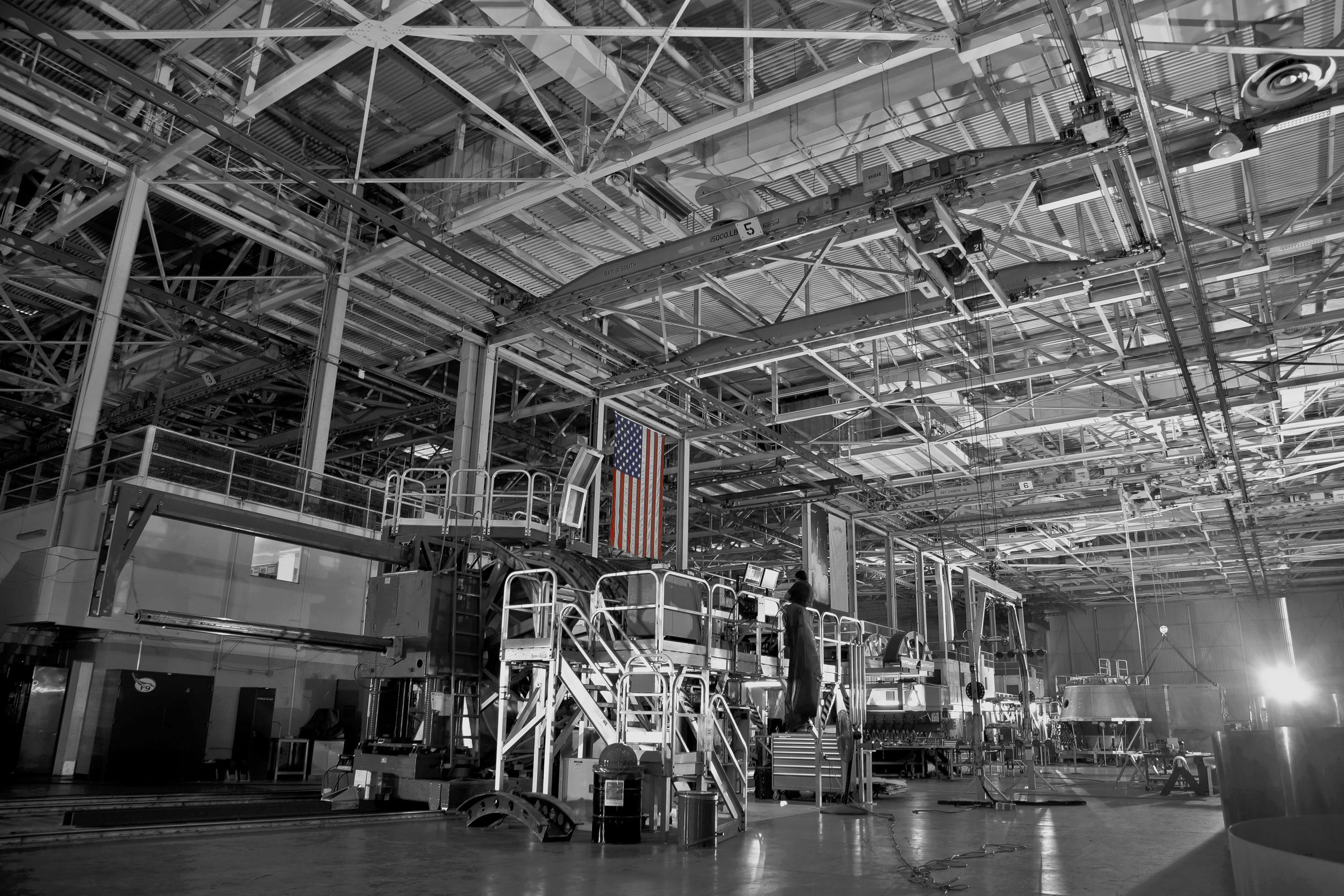
SpaceX reveals plans for Florida Starship launches, NASA teams up for dual missions, and FCC boosts satellite connectivity.
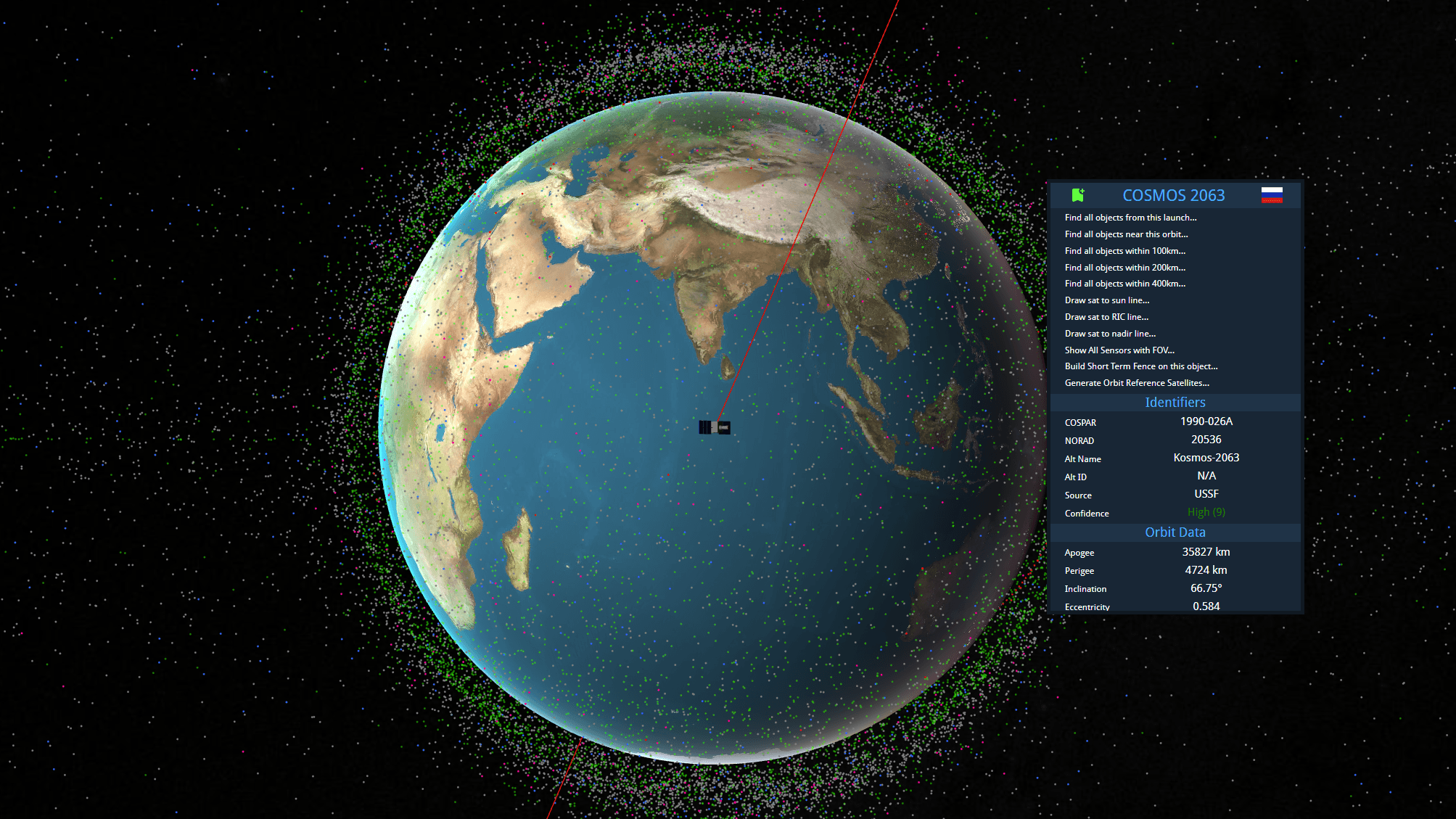
Today's Space Brief explores new satellite launches, significant reentries, funding milestones, and critical policy updates.
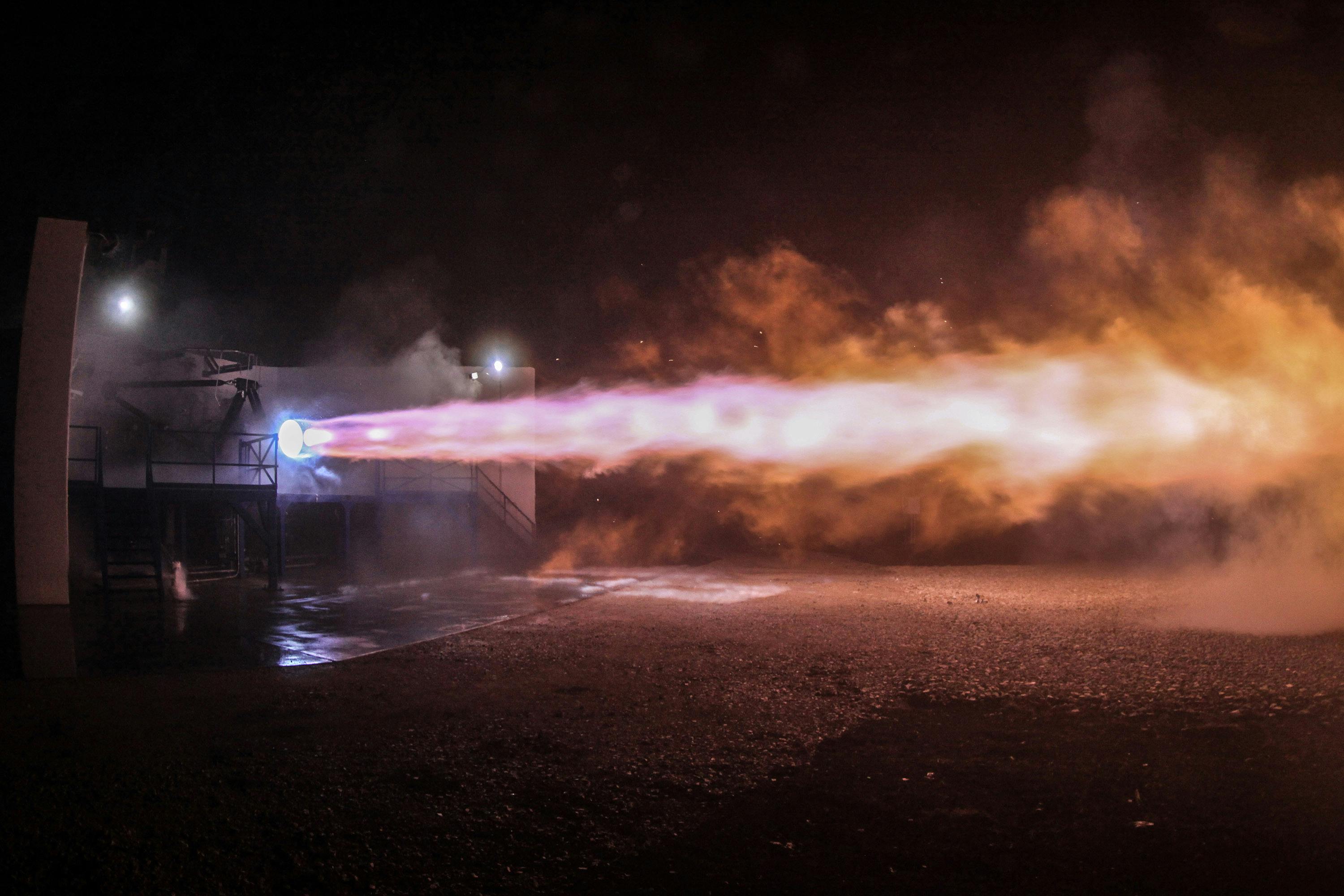
U.S. Space Force's Europe operations amidst Ukraine conflict, Maxar's new partnership, integration of military and commercial tech, and the Pentagon's new AI initiatives shape today's space discourse.

Today's highlights: China's Long March 12 boosts lunar ambitions, SpaceX supports NRO's satellite infrastructure, Firefly prepares lunar mission, and NASA partners with SpaceX for Titan exploration.
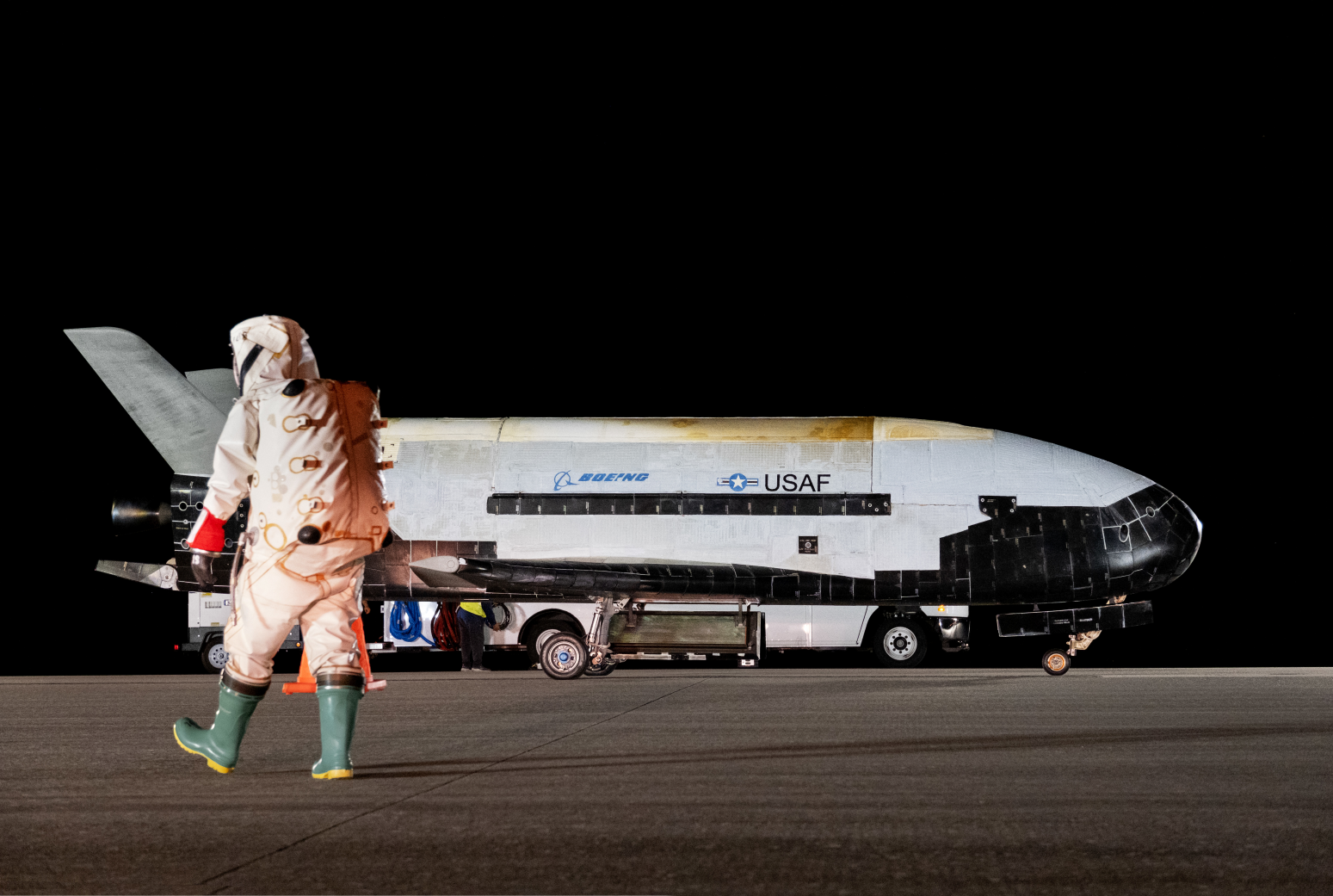
On April 22, 2010, an Atlas V lifted off from Cape Canaveral carrying a reusable robotic spaceplane so secret that the Air Force would not even confirm its mission duration. It came back 224 days later, lighter, quieter, and more operational than anyone outside Washington had expected. Fifteen years later, the X-37B is still flying, and the military still will not say what it does.
Today's key topics include the halting of the U.S. Air Force's rocket landing pad plans, the Space Force's shift to a flexible satellite strategy, delays in Australia's Eris 1 rocket launch, and the controversial cut of satellite sea-ice data to climate scientists.
Today's brief covers the integration of commercial and military space capabilities, a notable change in Crew 12 mission, advancements in digital training for space operations, and more.