


Space Brief 16 Nov 2025
Today's highlights include SpaceX's record-breaking Falcon 9 launches, Dream Chaser's testing success, and Blue Origin's latest New Glenn achievements.


Launch Date
April 3, 1995
Launch Site
WRAS
Launch Pad
RW30/12
Launch Vehicle
Pegasus H
NORAD ID
23548
International Designator
1995-017D
Epoch
Sat, 04 Jul 2026 06:34:20 GMT
Apogee
Calculating...
Perigee
Calculating...
Inclination
69.99°
Right Ascension
125.61°
Eccentricity
Calculating...
Argument of Perigee
85.81°
Period
99.10 min
Mean Motion
14.53 rev/day
Latitude
Calculating...
Longitude
Calculating...
Altitude
Calculating...
Velocity
Calculating...
Name
PEGASUS R/B
Alternative Name
Pegasus F08 Stage 3
Type
Status
Owner
OSCC
Country
United States
Constellation
N/A
Related Satellites
Major Events
N/A
1 23548U 95017D 26185.27385097 .00000422 00000-0 11714-3 0 9992
2 23548 69.9875 125.6092 0007296 85.8072 73.1372 14.53142357653133
Source: Celestrak
Length
1.4
Diameter
1
Span
2
Dry Mass
202
Launch Mass
202
Shape
Cyl
Radar Cross Section
1.482
Visual Magnitude
Unknown
Color
Unknown
Material Composition
Unknown
Payload
Orion 38
Purpose
Unknown
Mission
Unknown
Manufacturer
OSCC/ATKH
Life Expectancy
Unknown
Bus
Orion 38
Configuration
Unknown
Motor
Unknown
Equipment
Unknown
Power System
Unknown
ADCS
Unknown
Transmitter Frequency
Unknown
Learn more about satellites and other related topics.
Today's highlights include SpaceX's record-breaking Falcon 9 launches, Dream Chaser's testing success, and Blue Origin's latest New Glenn achievements.
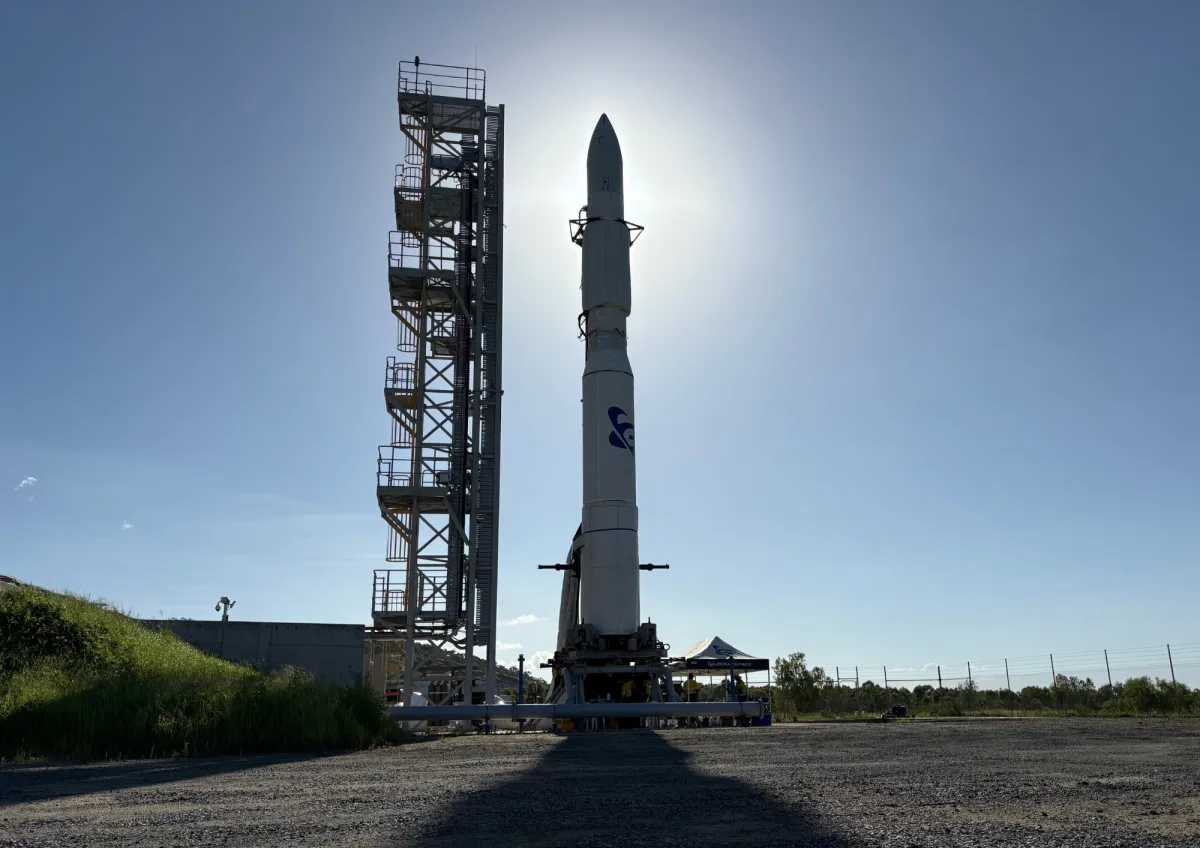
Today's space highlights include significant military contracts for aerospace innovations, advancements in small-satellite procurement, and discussions on the role of nuclear energy in space exploration.
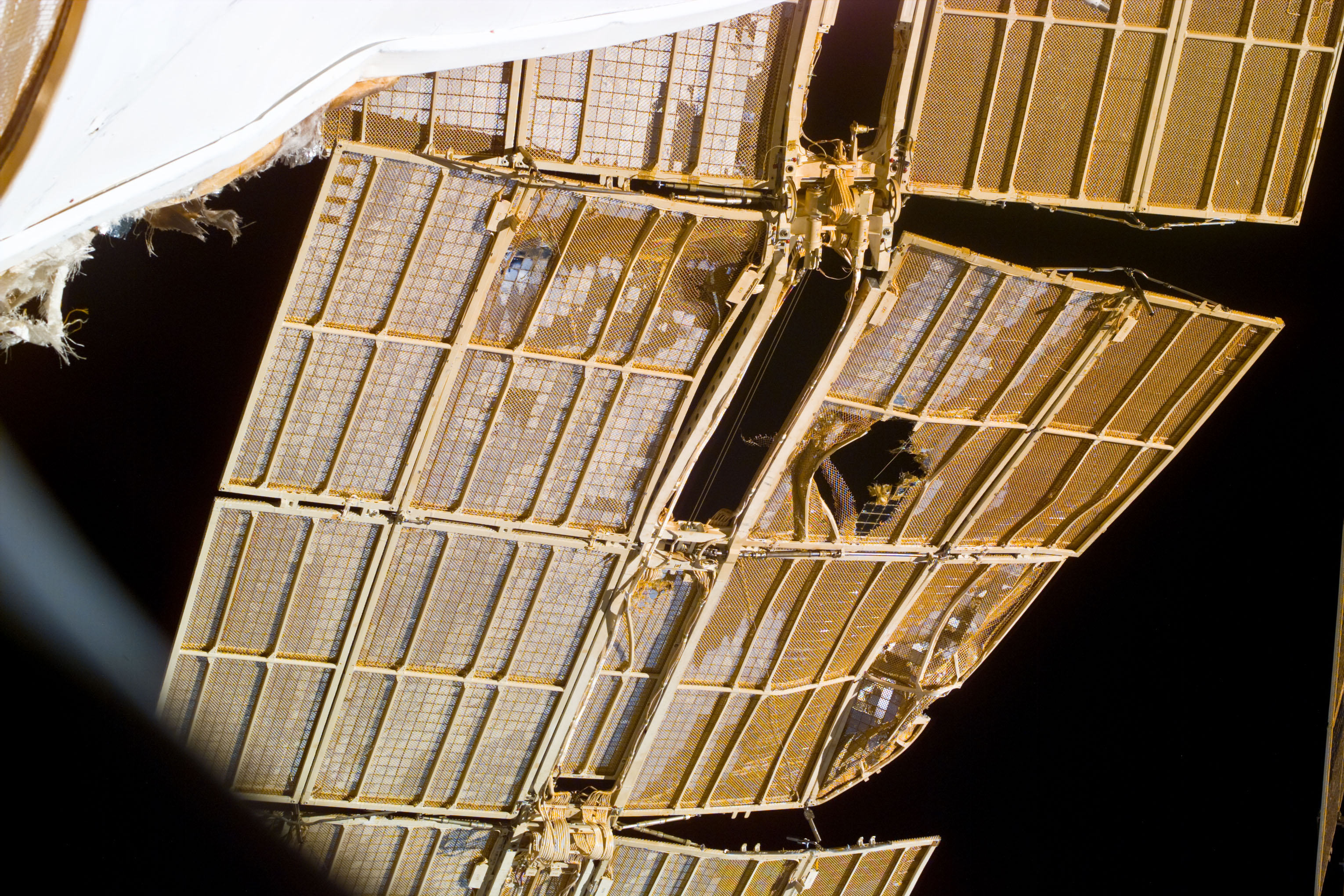
On 25 June 1997, a seven-ton cargo ship under hand control drifted into Mir's Spektr module, breached the hull, and left three crew members listening to their air hiss into space. It remains the worst collision in the history of human spaceflight.

Today's brief covers a significant hypersonic flight by Stratolaunch, the US Space Force's missile warning upgrades, and major government space investments.

Key updates include a potential delay for the Starship lunar lander, successful static fire tests for Ship 38, and the latest Starlink satellite launch plans.

Forty years ago today, Challenger lifted off LC-39A on a science mission that nobody outside Morton-Thiokol would call dangerous. Years later, after the orbiter and seven other astronauts were gone, investigators looked at the recovered boosters from STS-51B and realized the crew had come within a fraction of a second of dying first. This is the story of the launch that should have been a warning.
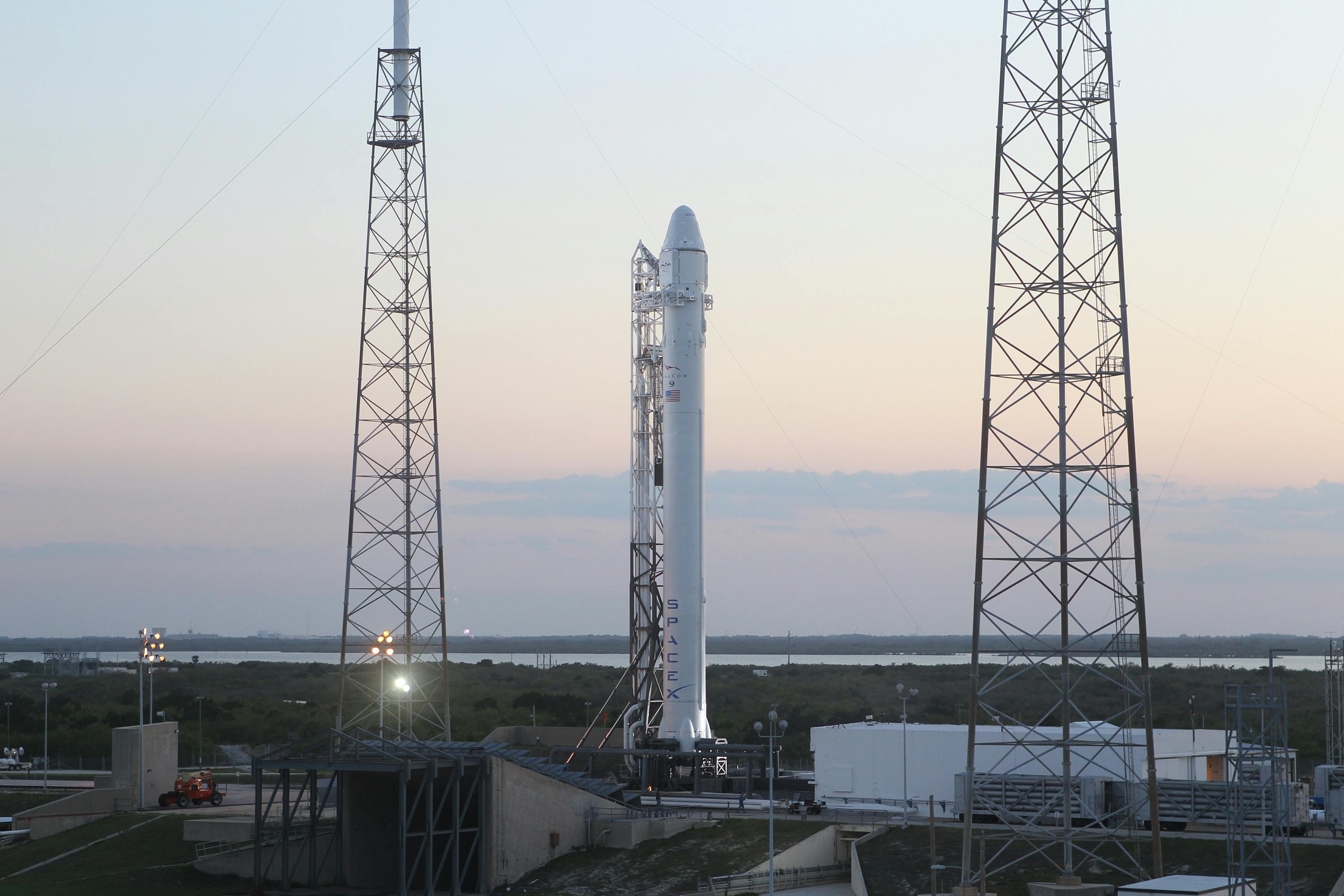
SpaceX made headlines with back-to-back Falcon 9 launches from Florida, successfully deploying 29 additional Starlink satellites, further enhancing its extensive broadband network.

SpaceX wins a $4.16 billion Space Force satellite contract to track airborne threats worldwide, while dual-pad launches add 53 Starlink satellites.