

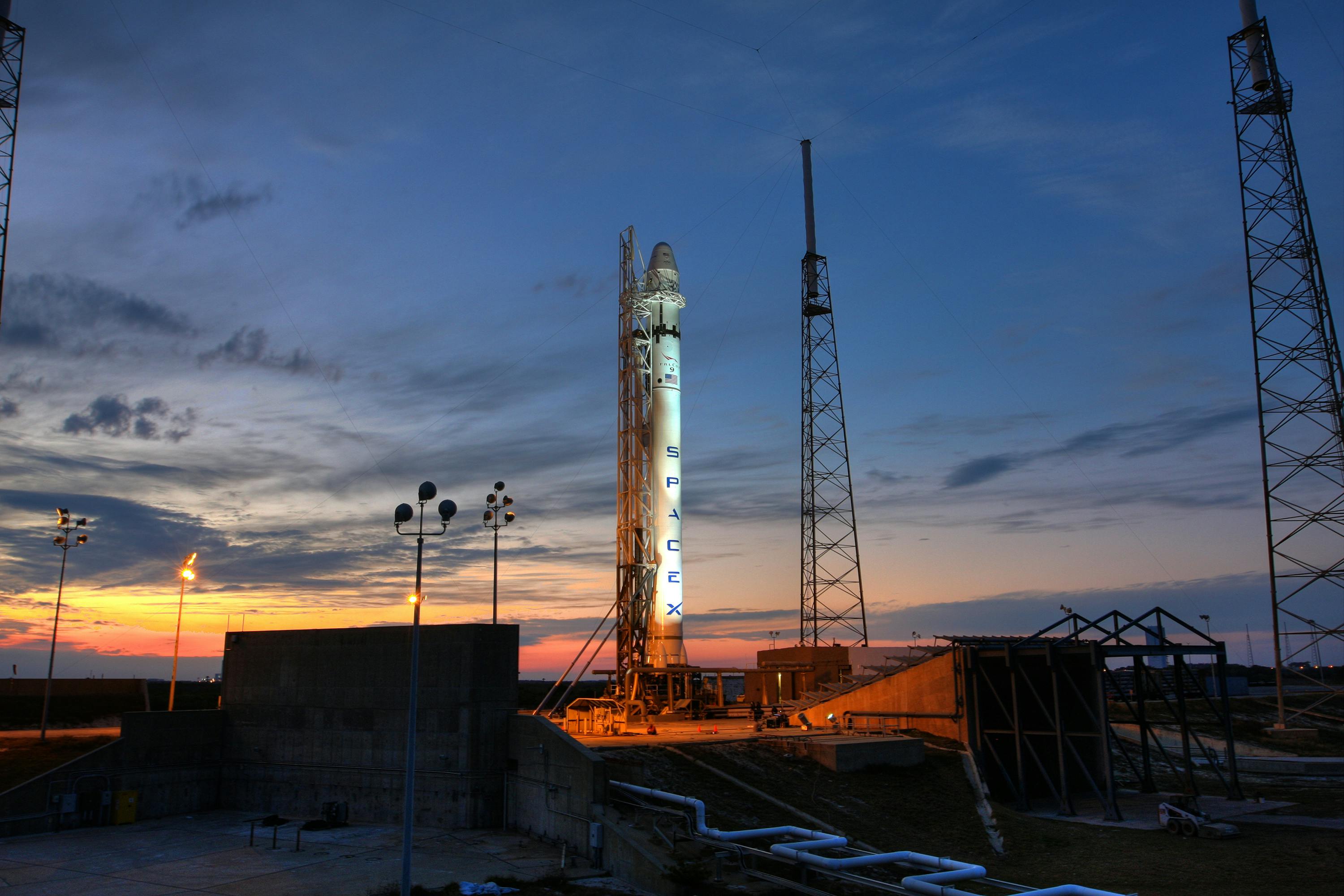
X Report 4 Jan 2025
SpaceX kicks off 2025 with successful launches and a record-breaking outlook, aiming to maintain its market leadership amidst emerging competition.


Launch Date
March 22, 1995
Launch Site
PLMSC
Launch Pad
LC43/3
Launch Vehicle
Soyuz-U-PVB
NORAD ID
23530
International Designator
1995-014A
Decay Date
5/31/1995
Name
COSMOS 2311
Alternative Name
Kosmos-2311
Type
Status
Owner
VKS
Country
Russia
Constellation
N/A
Related Satellites
Major Events
N/A
Length
6.3
Diameter
2.7
Span
6.3
Dry Mass
2886
Launch Mass
2886
Shape
Cyl + 2 Pan
Radar Cross Section
26.5155
Visual Magnitude
Unknown
Color
Unknown
Material Composition
Unknown
Payload
Kobal't No. 547
Purpose
Reconnaissance, photo (film return type)
Mission
Reconnaissance, photo (film return type)
Manufacturer
TSSKB
Life Expectancy
Unknown
Bus
Yantar'-4K2
Configuration
Yantar Bus, main reentry module, 2 small reentry capsules
Motor
Unknown
Equipment
Unknown
Power System
2 deployable solar arrays, batteries
ADCS
Unknown
Transmitter Frequency
Unknown
Learn more about satellites and other related topics.
SpaceX kicks off 2025 with successful launches and a record-breaking outlook, aiming to maintain its market leadership amidst emerging competition.

SpaceX Crew-11 mission returns safely to Earth after first-ever medical evacuation from ISS. Crew Dragon splashes down in Pacific Ocean off California coast. Mission ended early due to health concern.

Landsat 7 launched on April 15, 1999, designed to last five years. It operated for twenty-five, survived a failure that destroyed a fifth of every image it took, and became part of the longest continuous record of Earth's surface ever assembled. Then they made the data free.
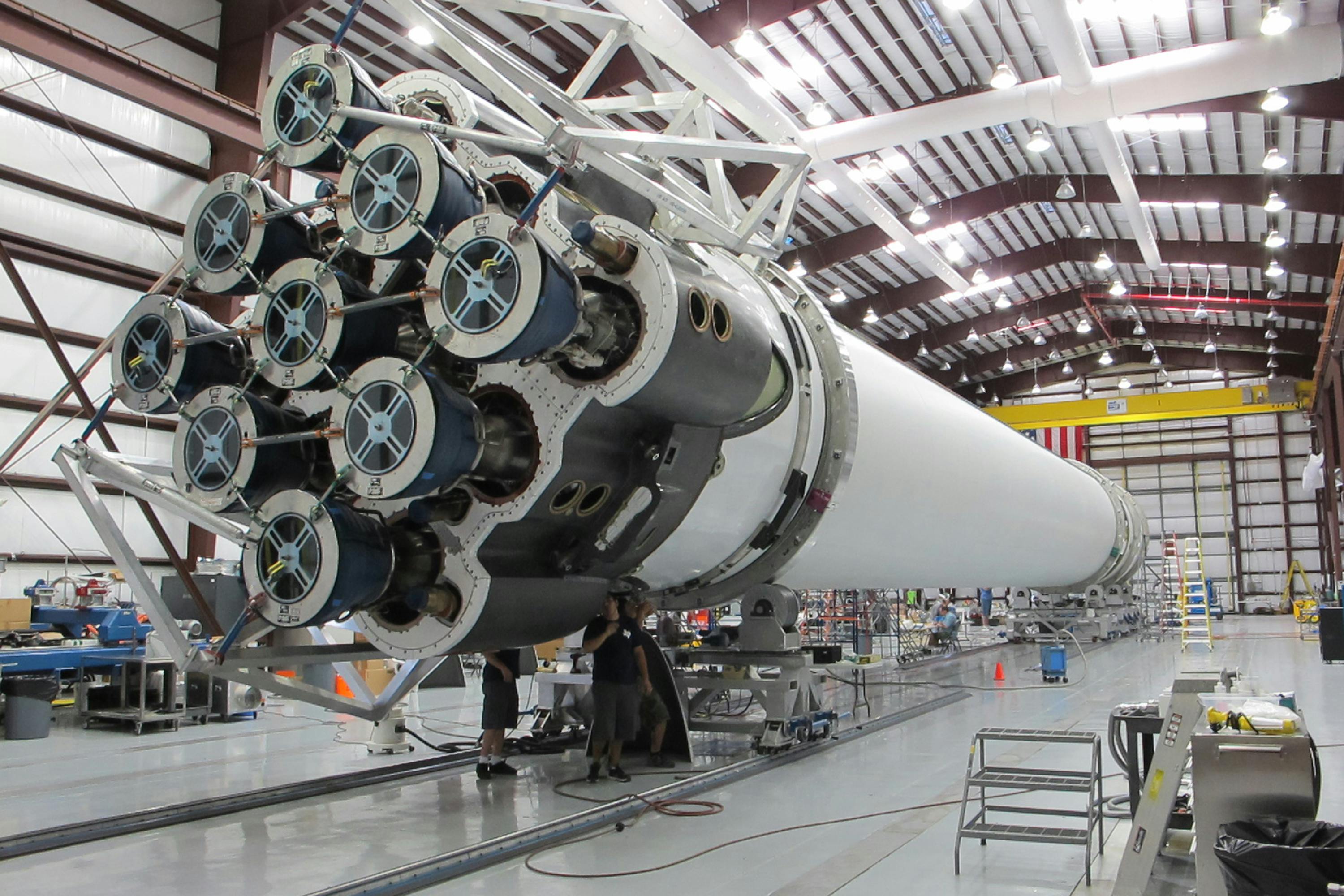
SpaceX makes strides in various sectors, from Starlink expanding services on United Airlines to new hardware aimed at enhancing home connectivity.

Today's Space Brief covers reentries, the impact of NOAA dismissals on space weather tracking, a strategic academic partnership probing cosmic mysteries, and a newly unveiled space motto.
Key topics today include the US Space Force's new international strategy, China's partnership with Pakistan for astronaut training, and conservation concerns over SpaceX landing proposals.
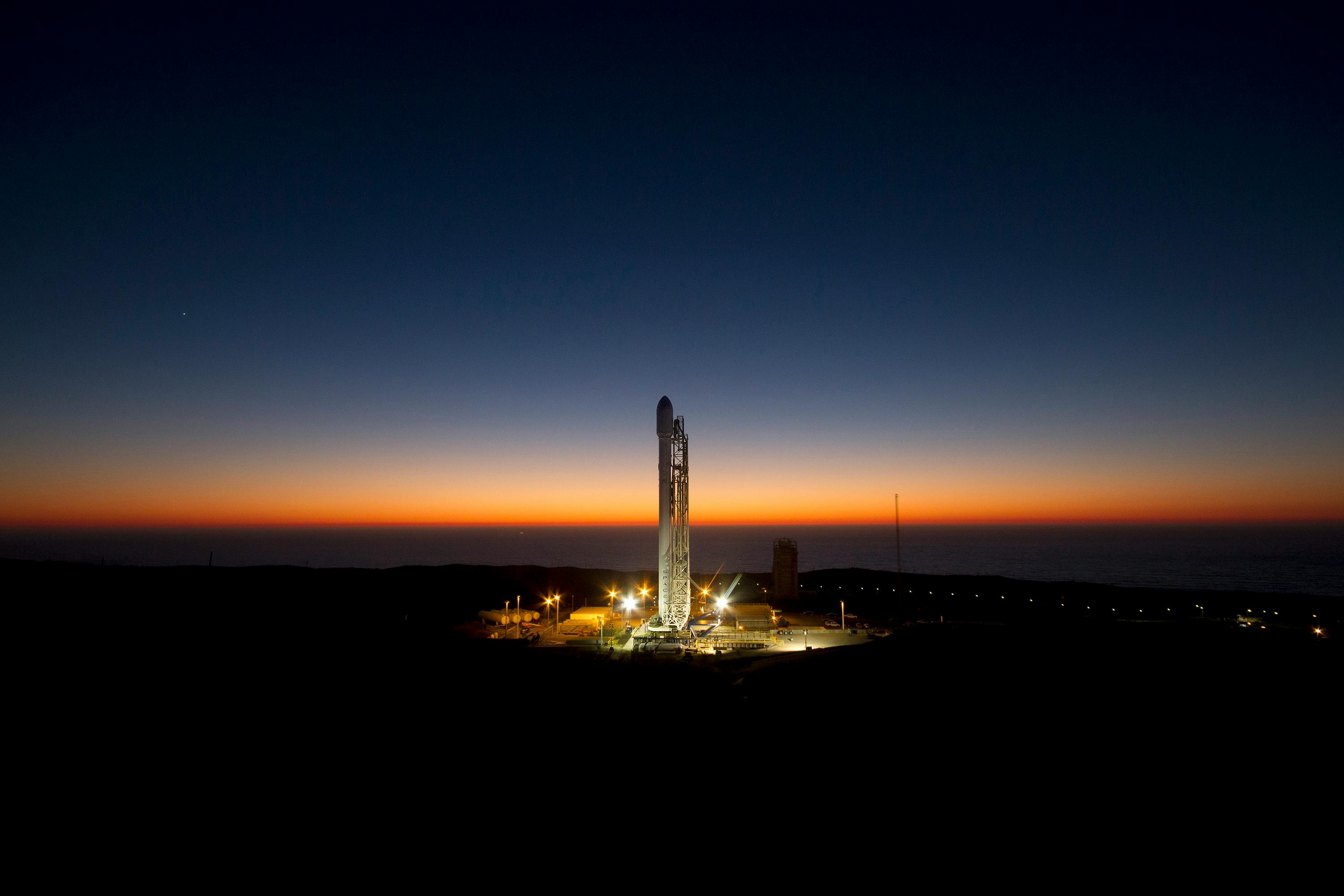
SpaceX successfully launches 21 Starlink satellites, marking their return post-Starship explosion. Starship's recent test flight leaves debris washing ashore, while Blue Origin's New Glenn debut sparks discussion.

A busy day in space as delays hit Boeing's Starliner launch, SpaceX continues its rapid launch cadence, new concerns arise with the discovery of bacteria on the Tiangong space station, and the European Space Agency supports a pivotal Moon mission.