


Starlink 17-40 Adds 24 Sats from Vandenberg | KeepTrack X Report
SpaceX's Starlink 17-40 mission launches 24 satellites from Vandenberg SFB at 7:36 a.m. PDT, expanding the 10,705-satellite constellation.


Launch Date
March 18, 1995
Launch Site
TANSC
Launch Pad
Y
Launch Vehicle
H-II
NORAD ID
23521
International Designator
1995-011A
Decay Date
1/20/1996
Name
SFU
Alternative Name
SFU
Type
Status
Owner
NASDA
Country
Japan
Constellation
N/A
Related Satellites
Major Events
N/A
Length
2.8
Diameter
4.7
Span
24.4
Dry Mass
2736
Launch Mass
3486
Shape
Oct Box + 2 Pan
Radar Cross Section
13.9214
Visual Magnitude
Unknown
Color
Unknown
Material Composition
Unknown
Payload
SFU
Purpose
Microgravity, Astronomy (Infra red), Shuttle retrievable carrier
Mission
Microgravity, Astronomy (Infra red), Shuttle retrievable carrier
Manufacturer
NASDA
Life Expectancy
Unknown
Bus
SFU
Configuration
Unknown
Motor
Unknown
Equipment
IRTS
Power System
2 deployable fixed solar arrays, batteries
ADCS
Unknown
Transmitter Frequency
Unknown
Learn more about satellites and other related topics.
SpaceX's Starlink 17-40 mission launches 24 satellites from Vandenberg SFB at 7:36 a.m. PDT, expanding the 10,705-satellite constellation.
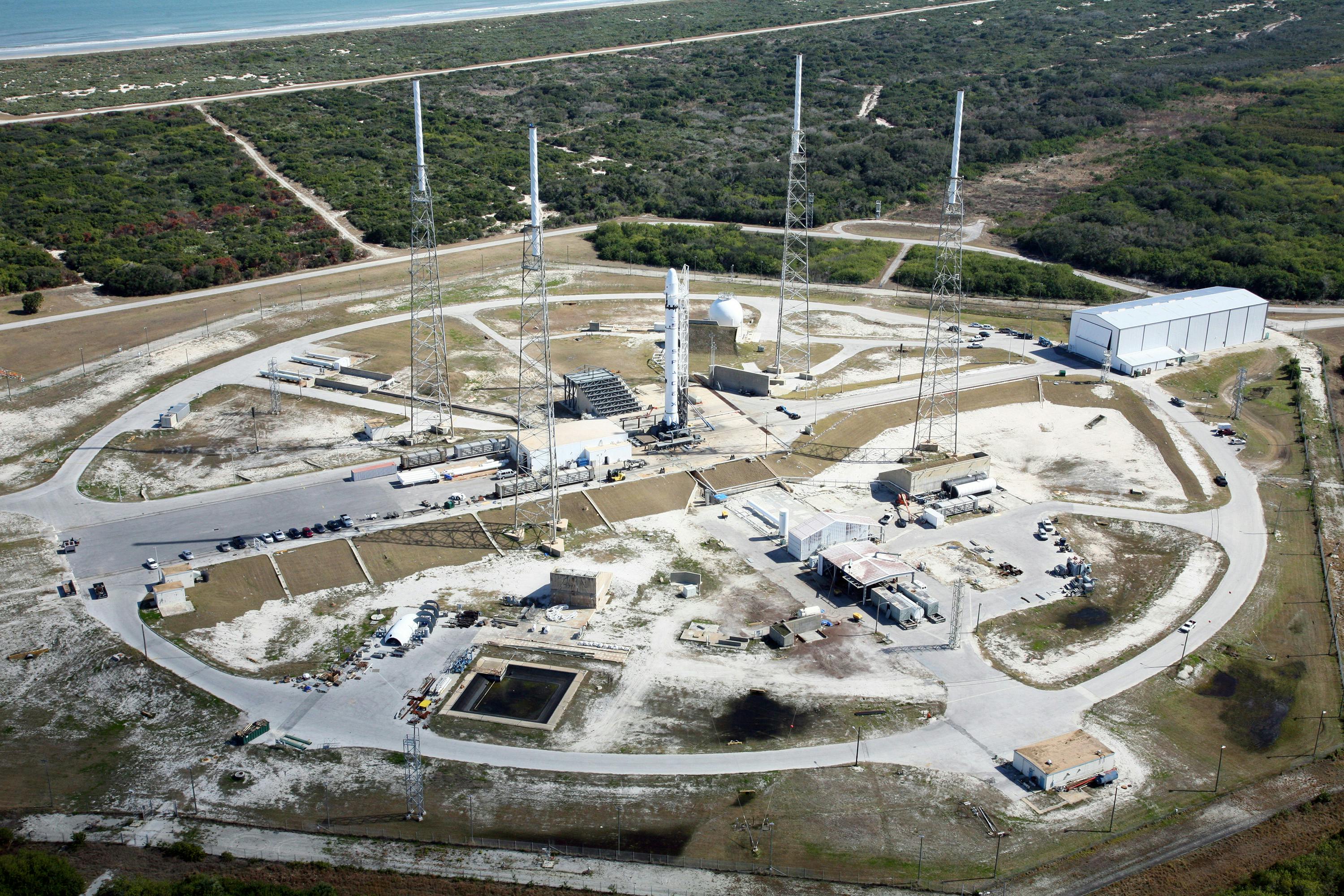
SpaceX President Gwynne Shotwell joined Trump at the White House to outline xAI's energy commitment, while Transporter-18 targets October 2026 launch.

Today's briefing covers key developments in defense budgets reshaping the space sector, significant Space Force contracts, and the latest news from the Chinese space station.
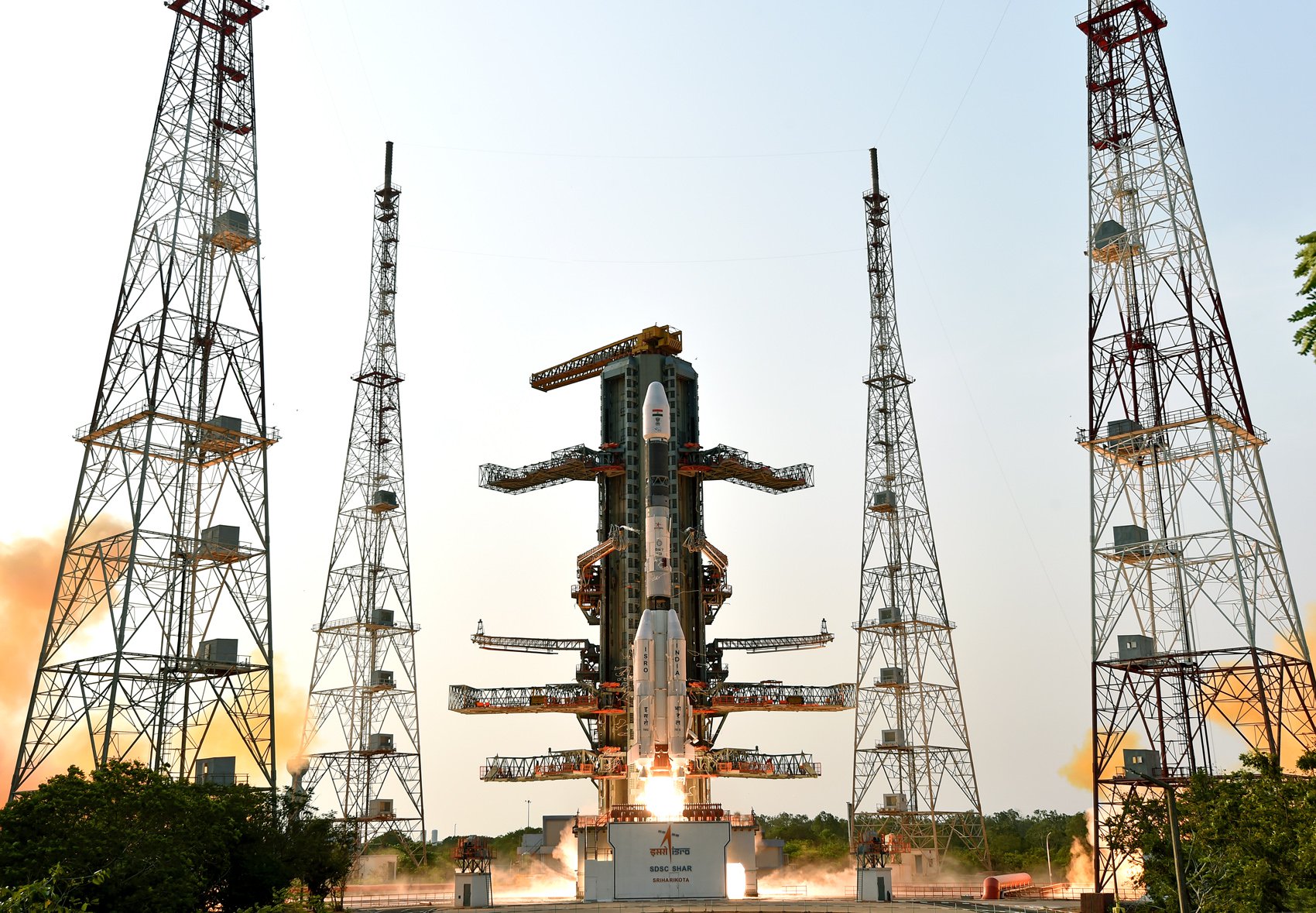
Key developments include China's Shijian 26 satellite launch, U.S. Space Force's BAE Systems contract for missile-tracking satellites, and military advancements in space systems.

Today's brief highlights significant developments in space defense, innovation fund challenges, and international defense agreements impacting satellite utilities.

SpaceX launches Twilight rideshare from Vandenberg carrying ~40 payloads including NASA's Pandora satellite. Kepler debuts 10 optical data relay satellites. OroraTech thermal sensors integrated.

Trump's interim Air Force One—a $400M Boeing 747-8—equipped with Starlink for presidential communications. First confirmed LEO constellation use for White House comms.

Today's highlights include Space Force's new satcom design contracts, advances in AI training tools, Pentagon drone policy shifts, and the first Eris launch's failure.