SL-12 R/B(AUX MOTOR) (23517)

COSPAR: 1995-009G | Alt Name: DM2-76L SOZ-1
DECAYED

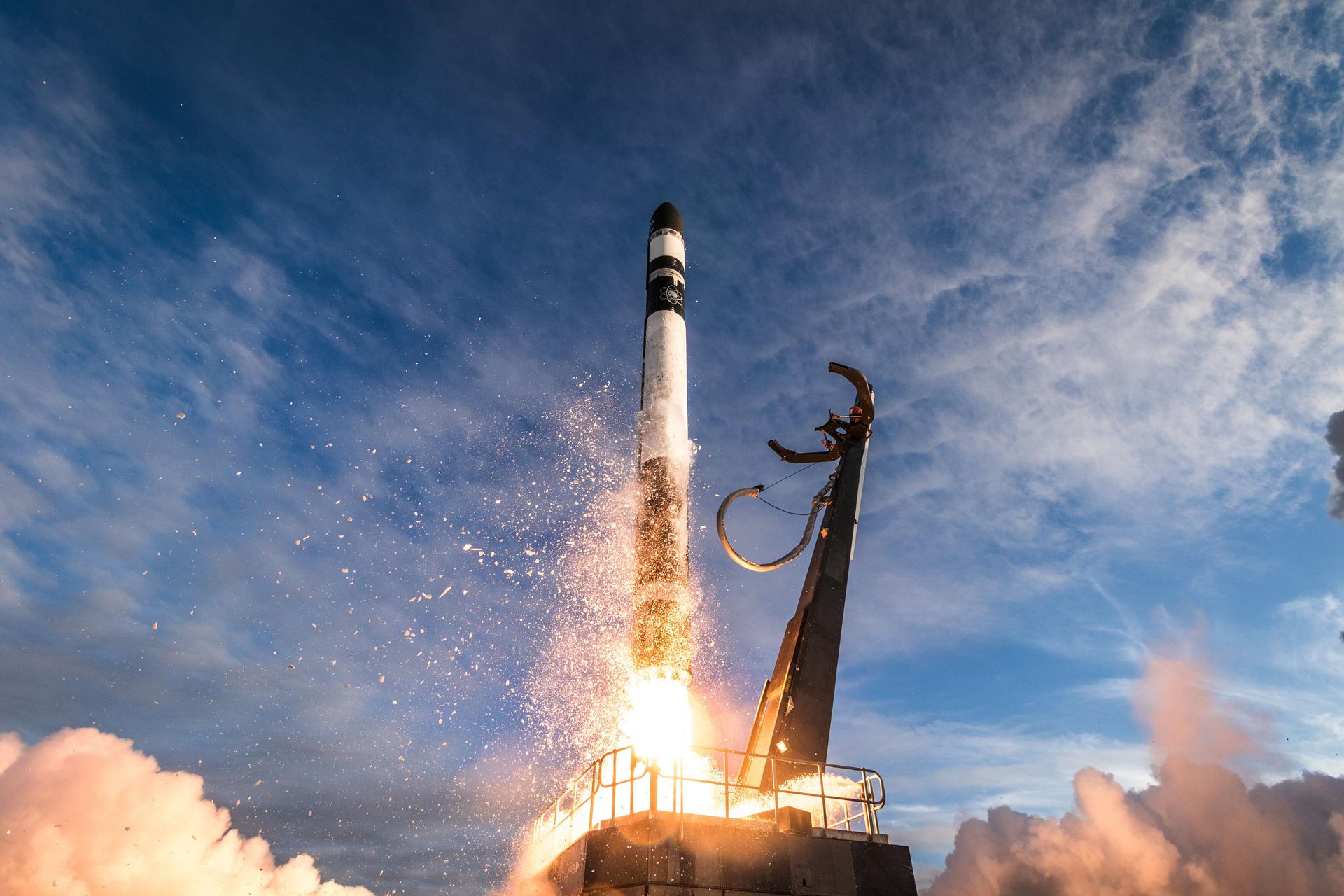
Image
SL-12 R/B(AUX MOTOR) Satellite Image
Additional Sources
Launch Details

Launch Date

March 7, 1995

Launch Pad

LC200/39

Launch Vehicle

Proton-K/DM-2

Orbital Elements

NORAD ID

23517

International Designator

1995-009G

Decay Date

8/6/2001

Basic Satellite Info

Name

SL-12 R/B(AUX MOTOR)

Alternative Name

DM2-76L SOZ-1

Type

Rocket Body

Status

Space Junk

Owner

RVSNR

Country

Russia

Constellation

N/A

Related Satellites

Major Events

N/A

Summary
A rocket body, also commonly referred to as an upper stage or spent rocket stage, is the structural shell left behind after a rocket has delivered its payload to orbit. These large and often heavy pieces of space hardware can remain in orbit for years, posing significant collision hazards as part of the growing space debris problem. If left uncontrolled, rocket bodies have the potential to reenter Earth's atmosphere unpredictably, which can lead to falling debris in populated areas. Additionally, they risk colliding with operational satellites or the International Space Station, creating more debris and putting human life at risk.
Physical Characteristics

Length

1.1

Diameter

0.5

Span

1.1

Dry Mass

60

Launch Mass

120

Shape

Cyl

Radar Cross Section

0.8701

Visual Magnitude

Unknown

Color

Unknown

Material Composition

Unknown

Technical Details

Payload

SOZ

Purpose

Unknown

Mission

Unknown

Manufacturer

RKKE

Life Expectancy

Unknown

Bus

SOZ

Configuration

Unknown

Motor

Unknown

Equipment

Unknown

Power System

Unknown

ADCS

Unknown

Transmitter Frequency

Unknown

Satellite Articles

View All Posts »

Learn more about satellites and other related topics.

Vietnam Licenses Starlink for 600K Terminals, Isaacman Plans Roscosmos Visit | KeepTrack Space Brief

Vietnam Licenses Starlink for 600K Terminals, Isaacman Plans Roscosmos Visit | KeepTrack Space Brief

Vietnam approves Starlink with up to 600,000 terminals and 4 gateway stations. SpaceX hits 600th Falcon 9 launch. NASA's Isaacman plans Roscosmos meeting and Soyuz visit.

Trump Seeks Starlink for Iran Internet, China Plans 200,000-Satellite Constellation | KeepTrack Space Brief

Trump Seeks Starlink for Iran Internet, China Plans 200,000-Satellite Constellation | KeepTrack Space Brief

Trump seeks Musk's help to restore internet in Iran via Starlink. China files for 200,000-satellite constellation. Sweden allocates $1.6B for air defense and $140M for space capabilities.

ESA's Proba-3 Formation-Flyer Goes Silent | KeepTrack Space Brief

ESA's Proba-3 Formation-Flyer Goes Silent | KeepTrack Space Brief

ESA's Proba-3 spacecraft lost contact last month, grounding the dual-satellite solar eclipse mission. Formation flying between both craft is critical for coronagraph science.

X Report 16 Apr 2025

X Report 16 Apr 2025

SpaceX gears up for another busy week with a Falcon 9 launch to the ISS while Vast Space expands its Haven-1 payload roster.

ULA Launches 29 Amazon Kuiper Satellites; Falcon Heavy Returns | KeepTrack Space Brief

ULA Launches 29 Amazon Kuiper Satellites; Falcon Heavy Returns | KeepTrack Space Brief

ULA's Atlas V deployed 29 Amazon Kuiper LEO satellites on April 27. Falcon Heavy returns this week with ViaSat-3 F3. Six orbital launches scheduled across three continents.

Understanding Space Debris

Understanding Space Debris

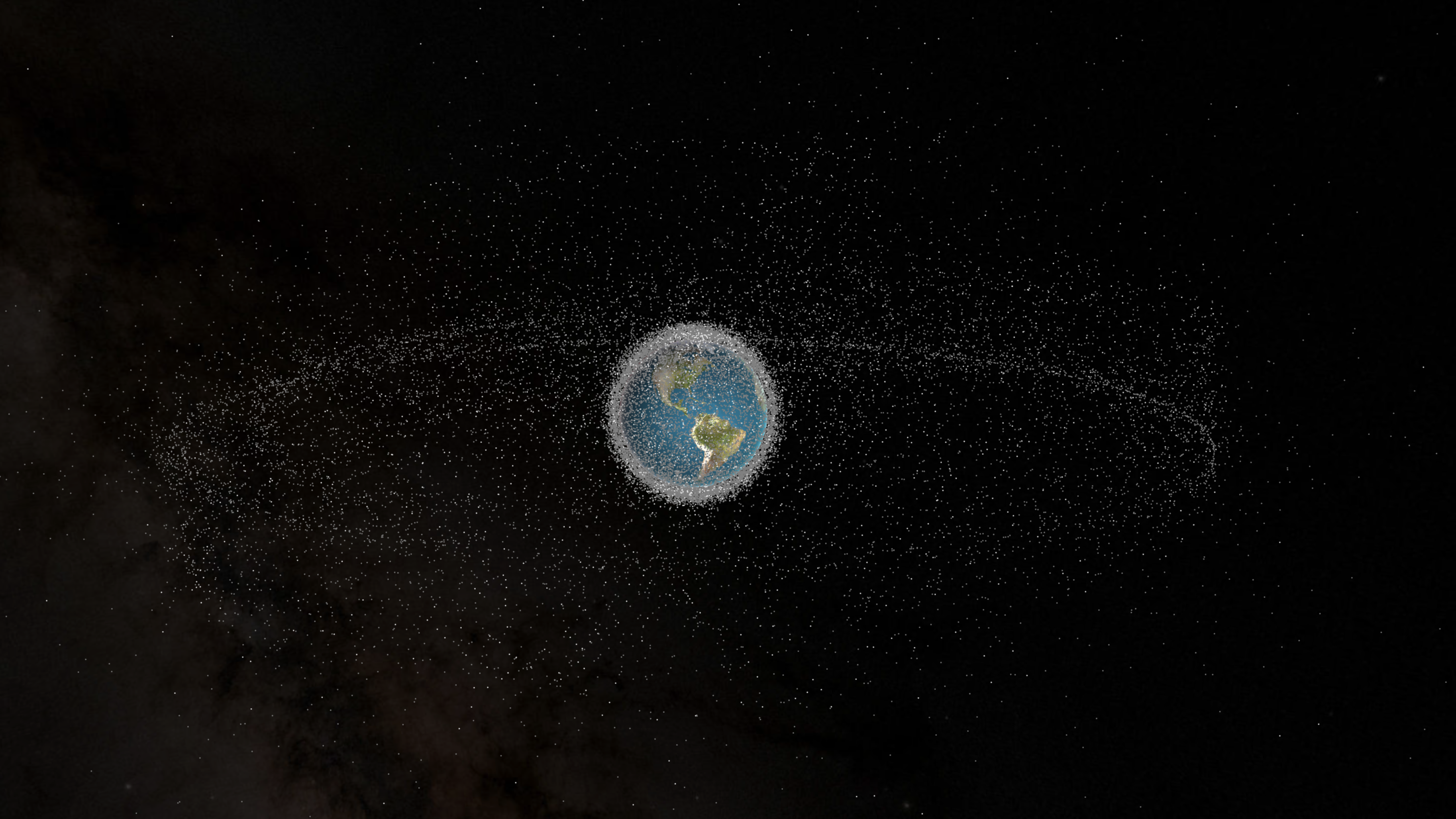
From shattered satellites to exploded rocket stages, space debris poses a growing risk to satellites, space stations, and astronauts. Here's a deep dive into what causes space debris, notable generating events, and what we're doing about it.

Space Brief 28 Oct 2025

Space Brief 28 Oct 2025

Today's brief covers China's Gaofen-14 satellite launch, Europe's advancements in asteroid defense through GomSpace, and Russia's controversial Burevestnik missile test.

Space Brief 19 Nov 2025

Space Brief 19 Nov 2025

Today's Space Brief covers the latest developments in space debris detection, Ursa Major's defense push, and SpaceX's Starlink launch. Additionally, insights into microreactors for military bases, US Cyber Command updates, and gravitational wave discoveries are highlighted.