


SpaceX's Audacious Starship
As the largest and most powerful rocket ever built, it's designed for full reusability and rapid launch turnaround. SpaceX claims it could carry over 100 tons to low Earth orbit at a fraction of current costs.


Launch Date
February 3, 1995
Launch Site
Launch Pad
LC39B
Launch Vehicle
Space Shuttle
NORAD ID
23469
International Designator
1995-004A
Decay Date
2/11/1995
Name
STS 63
Alternative Name
Discovery (STS-63)
Type
Status
Owner
JSC
Country
United States
Constellation
N/A
Related Satellites
Major Events
N/A
Length
37.3
Diameter
23.8
Span
37.3
Dry Mass
87557
Launch Mass
97970
Shape
Box + 2 Wing + Fin
Radar Cross Section
Unknown
Visual Magnitude
Unknown
Color
Unknown
Material Composition
Unknown
Payload
OV-103
Purpose
Crewed Spacecraft
Mission
Crewed Spacecraft
Manufacturer
RWI
Life Expectancy
Unknown
Bus
STS OV
Configuration
Winged orbiter
Motor
2 x OME (AJ10-190)
Equipment
Unknown
Power System
Fuel cells, batteries
ADCS
Unknown
Transmitter Frequency
Unknown
Learn more about satellites and other related topics.
As the largest and most powerful rocket ever built, it's designed for full reusability and rapid launch turnaround. SpaceX claims it could carry over 100 tons to low Earth orbit at a fraction of current costs.

SpaceX completed a successful Bandwagon rideshare mission, launching a private space station pathfinder along with multiple satellites, marking another significant milestone in 2025's launch schedule.

The Middle East's first commercial spaceport is building launch heritage one rocket at a time. How Oman is positioning Duqm as a global launch hub - and what the 2025 delays tell us about the real pace of spaceport development.

Today's brief highlights key advancements in space technology and innovative military initiatives. Featuring deep space tracking system upgrades, a push towards quantum communications in orbit, and critical radar developments.
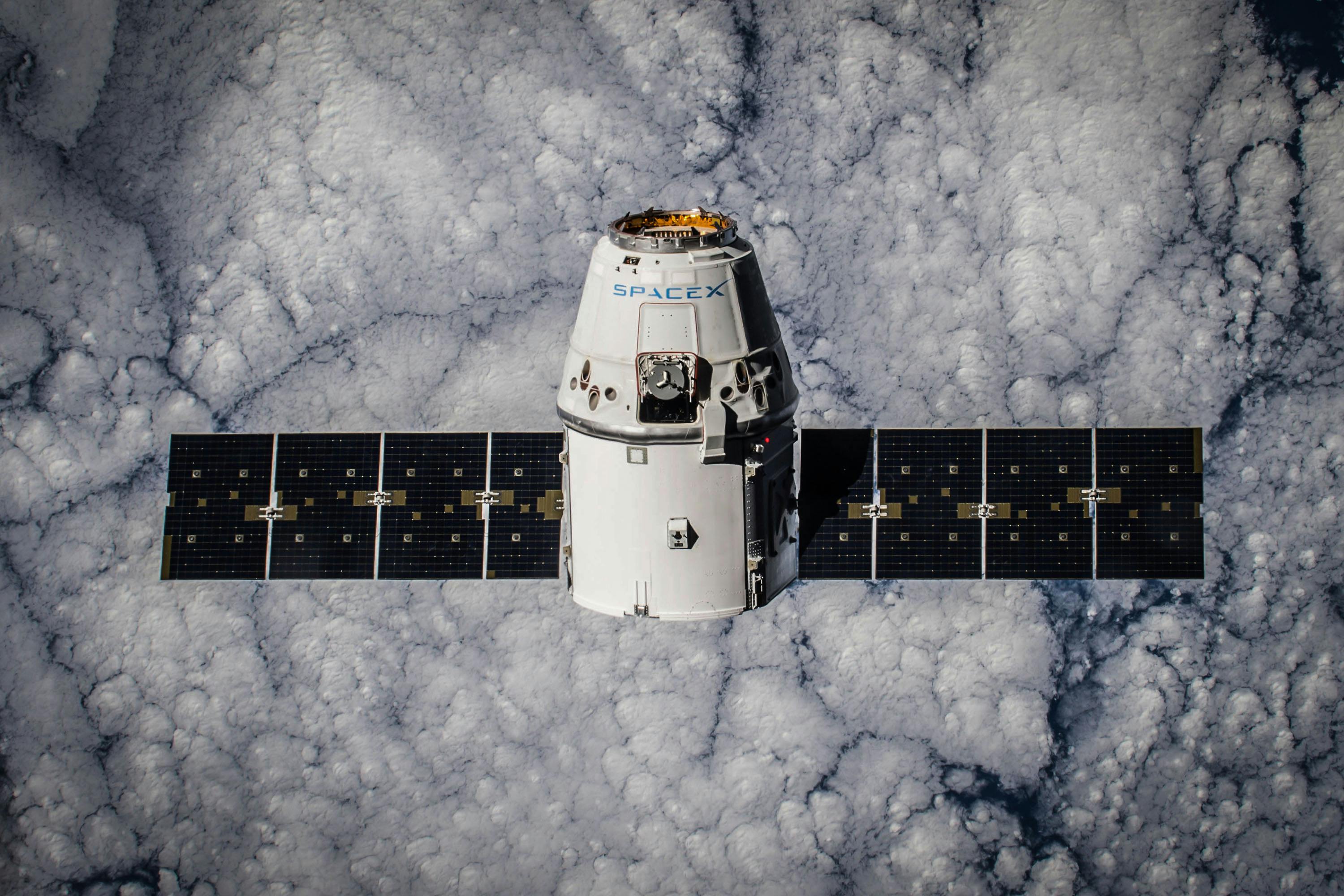
FAA approves SpaceX Starship launches from Kennedy Space Center LC-39A. FCC accepts 1-million satellite orbital data center filing. Canada ranks as 5th largest Starlink market.
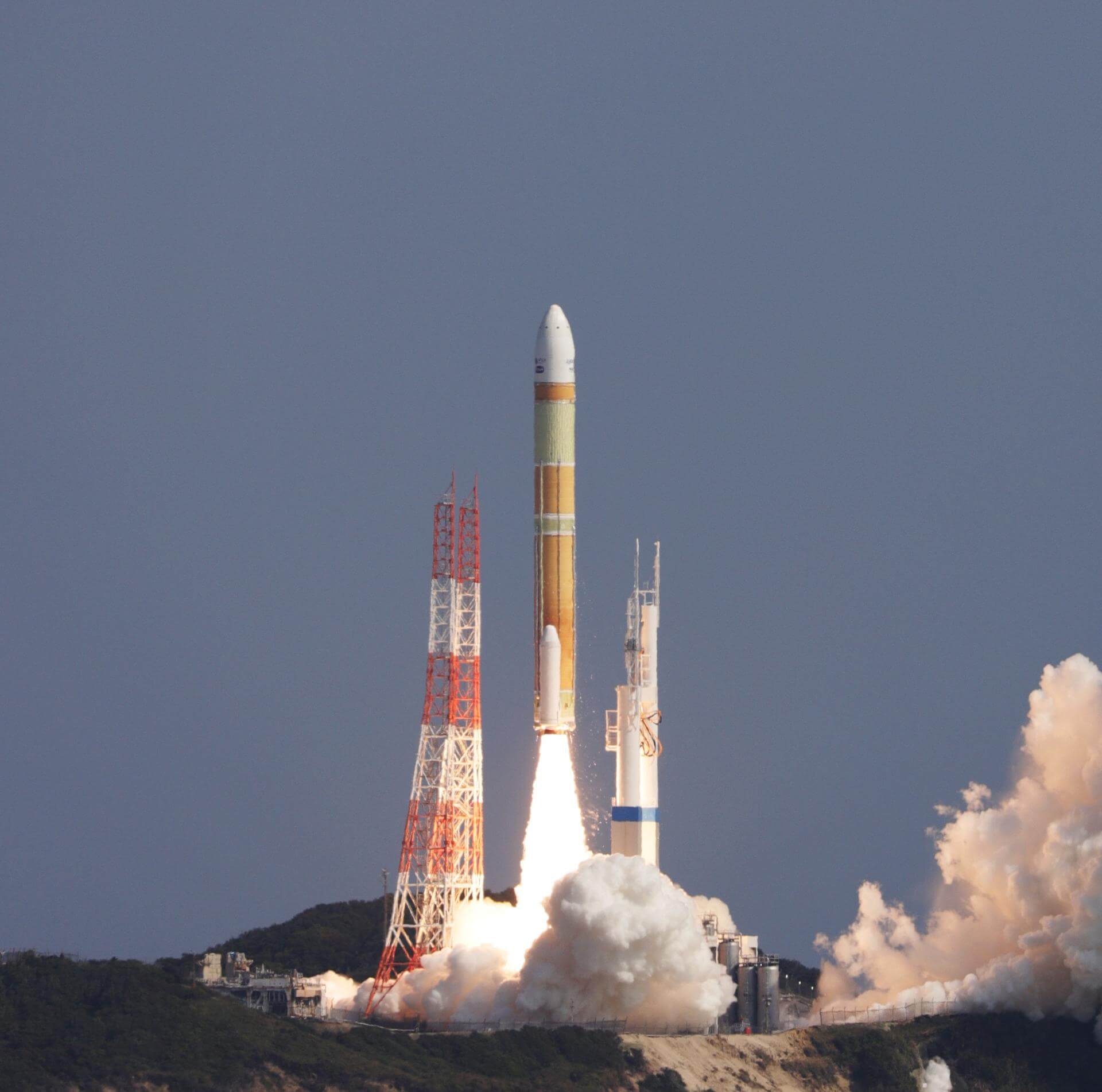
Explore today's pivotal news in space with highlights on record government space budgets, military satellite developments, and significant industry shifts.

SpaceX makes headlines with record-breaking launch operations, while plans for an IPO signal major changes in the company's trajectory and could inspire industry-wide movements.
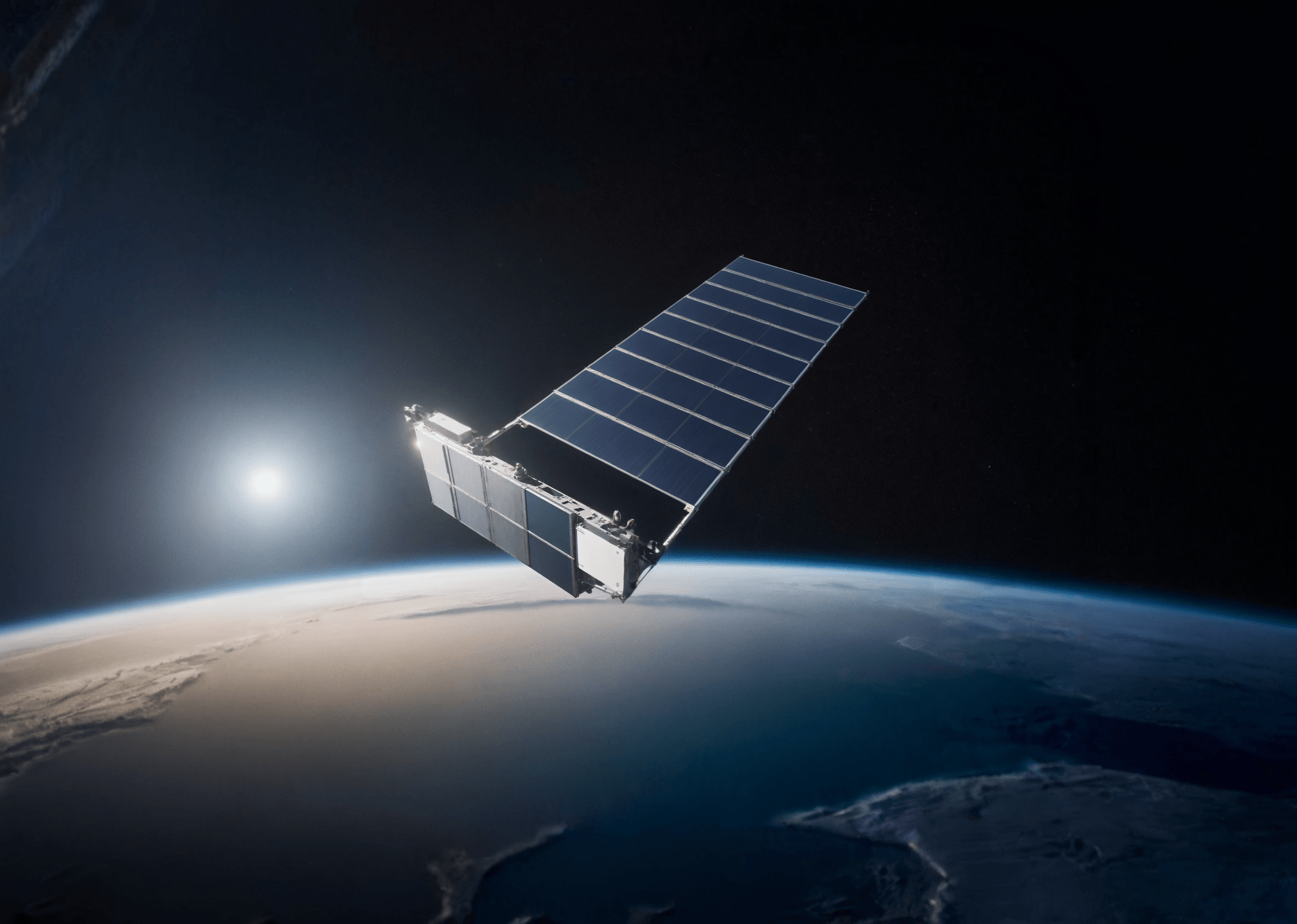
As of March 2024, SpaceX's Starlink has made remarkable strides in its quest to provide global broadband internet access. With an astounding number of satellites already in orbit and ambitious plans for expansion, Starlink is on track to dominate Earth's orbit in the coming years.