


Space Brief 14 Mar 2025
Today’s highlights include new defense initiatives in the U.S., potential strategic shifts in Europe, and the establishment of council to counter security threats.


Launch Date
January 24, 1995
Launch Site
PLMSC
Launch Pad
LC132/1
Launch Vehicle
Kosmos 11K65M
NORAD ID
23465
International Designator
1995-002C
Epoch
Sat, 04 Jul 2026 06:39:34 GMT
Apogee
Calculating...
Perigee
Calculating...
Inclination
82.93°
Right Ascension
10.58°
Eccentricity
Calculating...
Argument of Perigee
119.62°
Period
104.95 min
Mean Motion
13.72 rev/day
Latitude
Calculating...
Longitude
Calculating...
Altitude
Calculating...
Velocity
Calculating...
Name
FAISAT
Alternative Name
FAISAT
Type
Status
Owner
FACS
Country
United States
Constellation
N/A
Related Satellites
Major Events
N/A
1 23465U 95002C 26185.27748105 .00000023 00000-0 86771-5 0 9991
2 23465 82.9271 10.5813 0038684 119.6193 53.3568 13.72025925574190
Source: Celestrak
Length
0.9
Diameter
0.5
Span
3
Dry Mass
114
Launch Mass
114
Shape
Oct Cyl + Ant
Radar Cross Section
0.6254
Visual Magnitude
Unknown
Color
Unknown
Material Composition
Unknown
Payload
FAISAT
Purpose
Communication
Mission
Communication
Manufacturer
FAI
Life Expectancy
Unknown
Bus
FAISAT
Configuration
Unknown
Motor
Unknown
Equipment
Unknown
Power System
Solar cells, batteries
ADCS
Unknown
Transmitter Frequency
Unknown
Learn more about satellites and other related topics.
Today’s highlights include new defense initiatives in the U.S., potential strategic shifts in Europe, and the establishment of council to counter security threats.
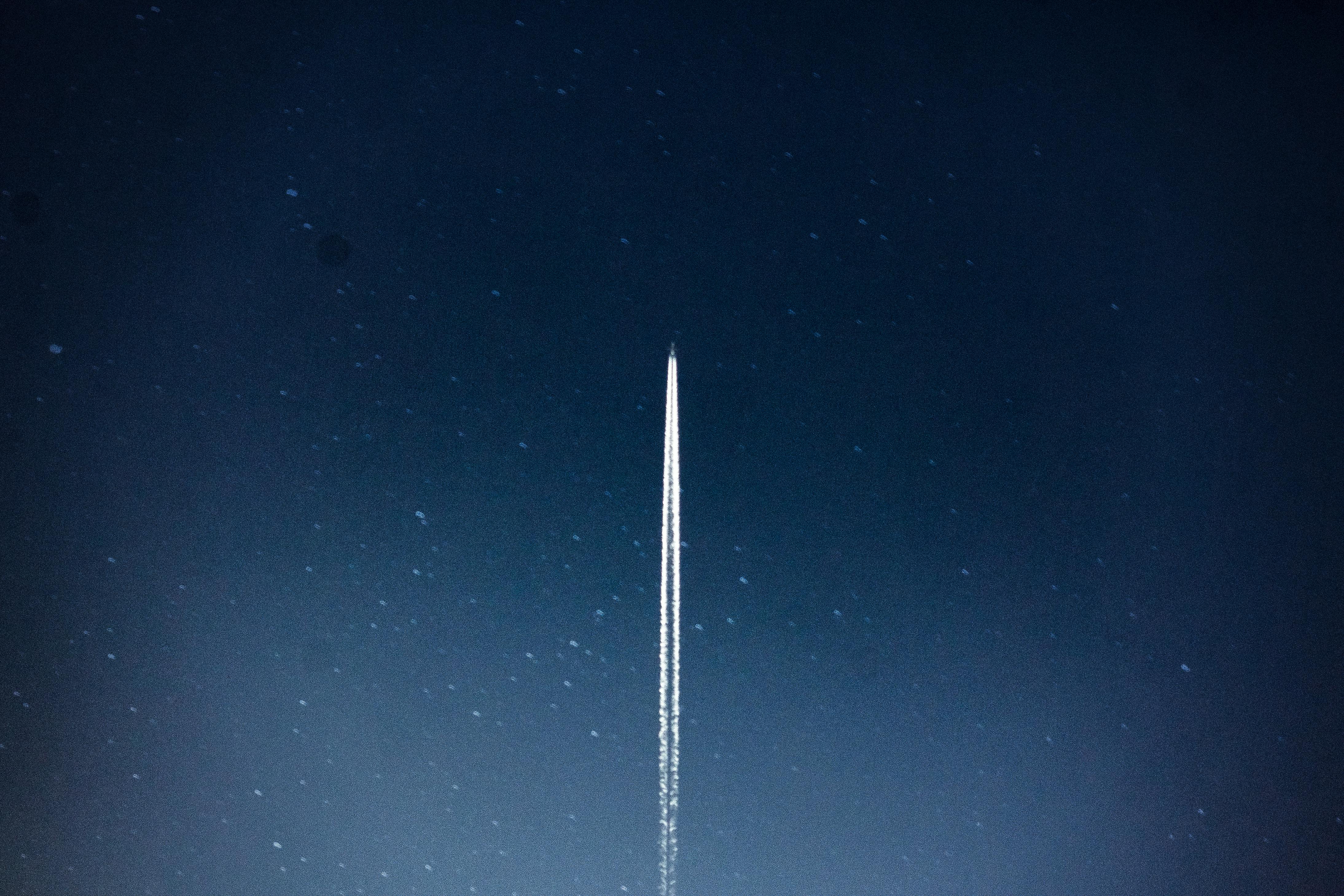
This week's highlights include the successful launch of the X-37B spaceplane and the deployment of 24 new Starlink satellites, alongside preparations for the upcoming Starship Flight 10.
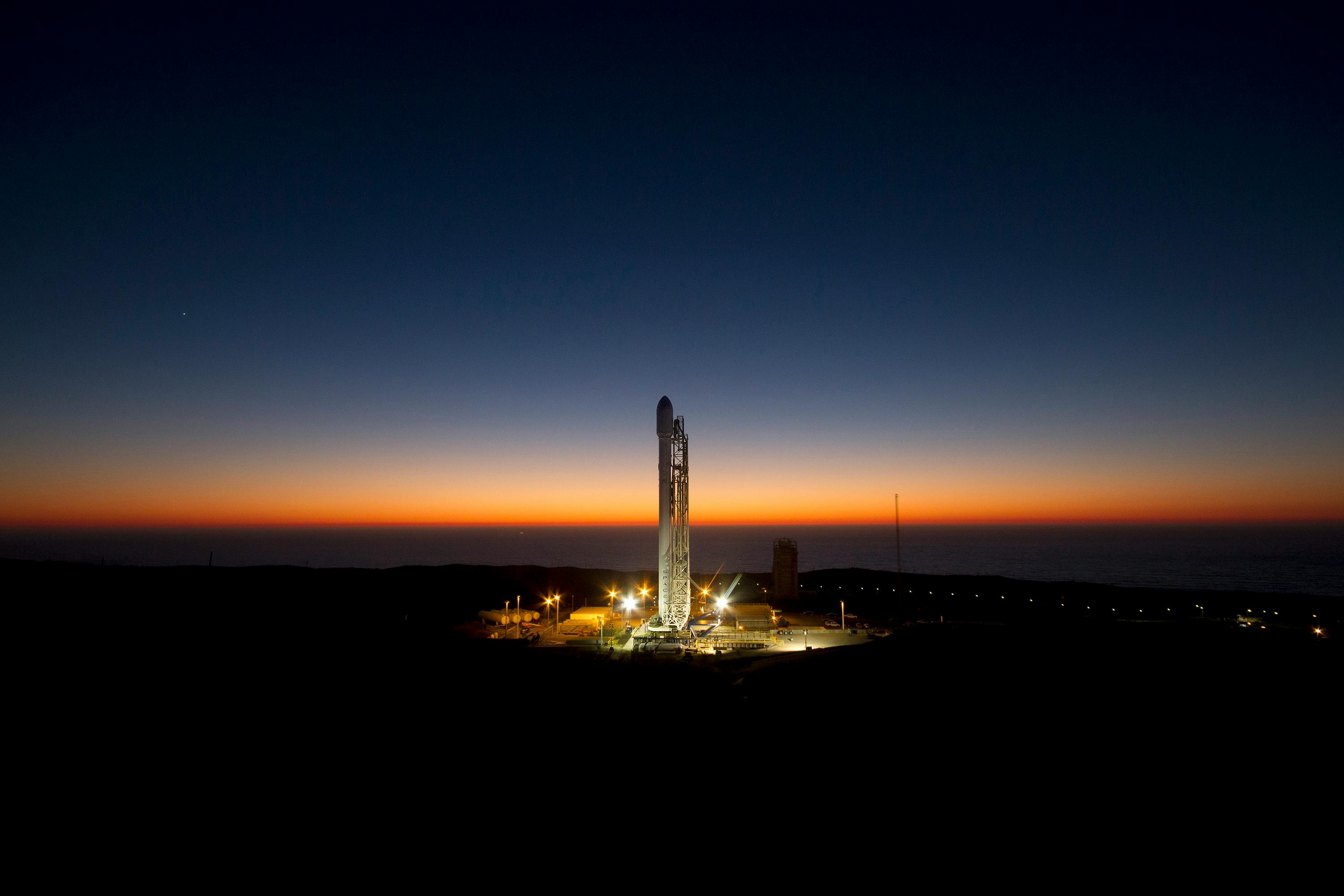
NASA adds crew missions to SpaceX's contract as Boeing Starliner certification stalls, while Falcon 9 hits its 60th orbital launch of 2026.

Blue Origin aiming for 2nd New Glenn launch by end of 2026 after LC-36 pad explosion at Cape Canaveral. Repair timeline still unclear; mission critical for national security payloads.
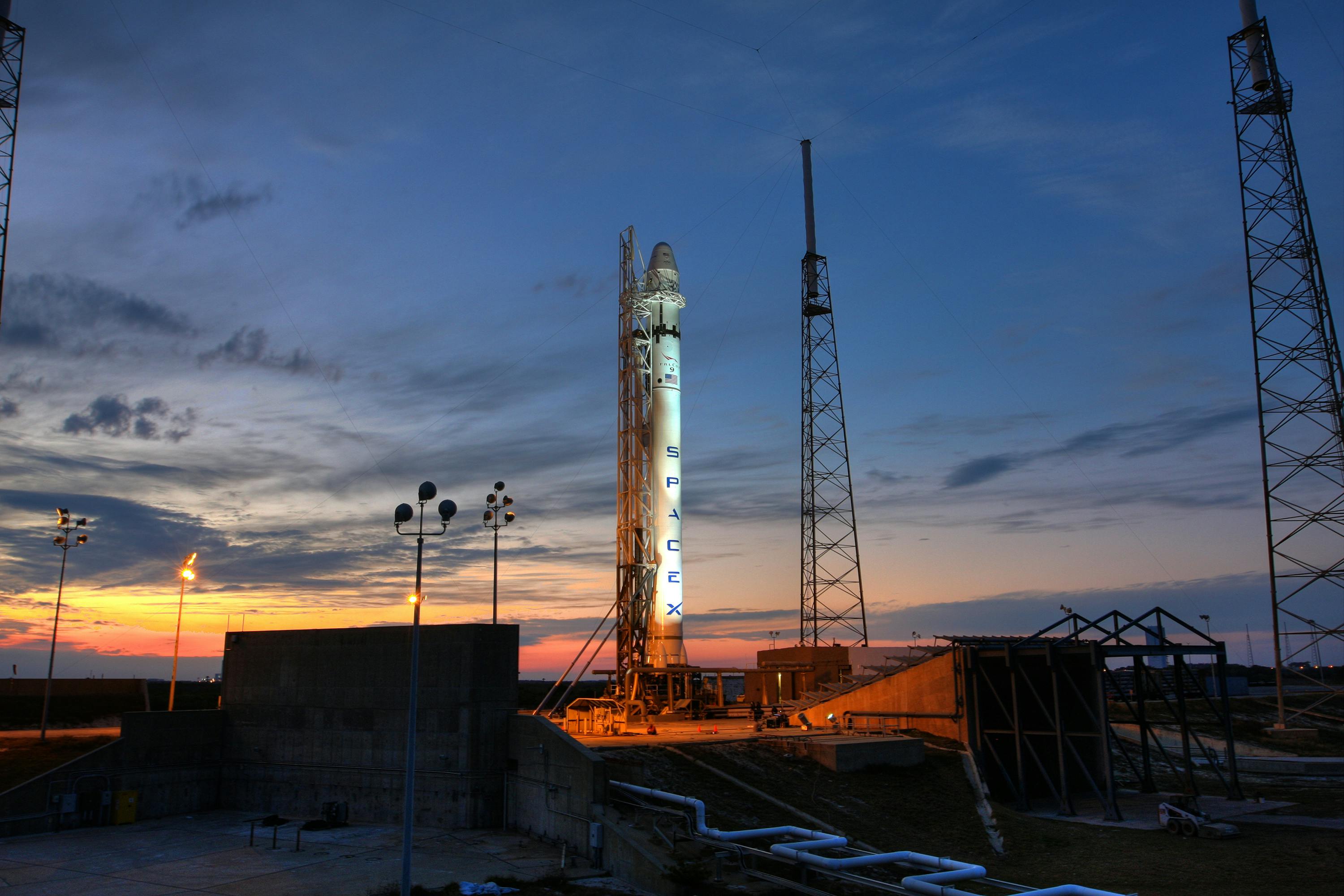
Starlink constellation size in 2026: 9,931 satellites in orbit, 9,920 working from 11,463 launched. Starlink 17-18 adds 25 more from Vandenberg.

Today's key topics include delays in Vulcan's national security launches, a significant network upgrade contract for the Space Force, and military interest in SpaceX's Starship.
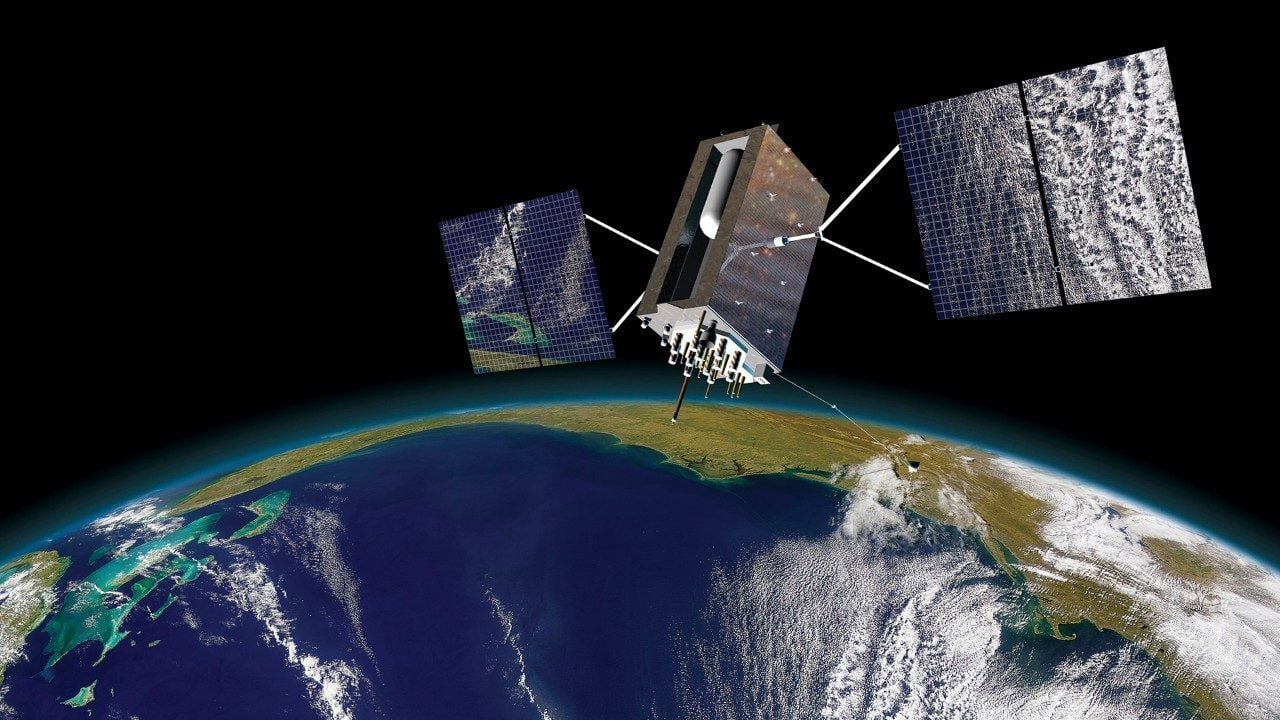
On April 17, 2026, the U.S. Space Force officially cancelled the Next Generation Operational Control System after sixteen years of development, cost overruns, and testing failures. The $8 billion program was supposed to unlock the military's encrypted GPS signal. Instead, the satellites are flying with capabilities the ground can't command.
Discover key developments in space defense and military operations, including new leadership for Space Force's 'Golden Dome,' SpaceX's contract for a military SATCOM network, and increased Israeli-Iranian missile activity.